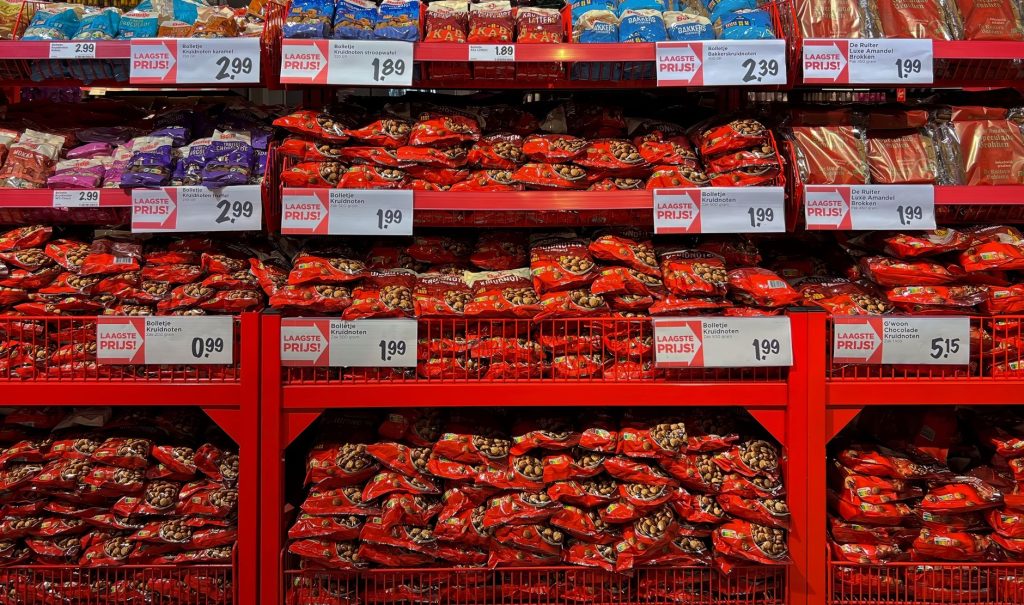

A low price is only part of the story. The best shoppers look for the tiny clues that show whether a purchase is useful, fairly priced, and worth bringing home.
The moment before an item lands in the cart is where a lot of money decisions are made. Smart shoppers are not just hunting for the lowest sticker price. They are checking the details that explain whether a deal is real, whether the product will actually get used, and whether a small purchase could turn into a bigger cost later.
These five checks are quick, practical, and easy to miss when the aisle is crowded or the sale sign is loud.
The Unit Price Label
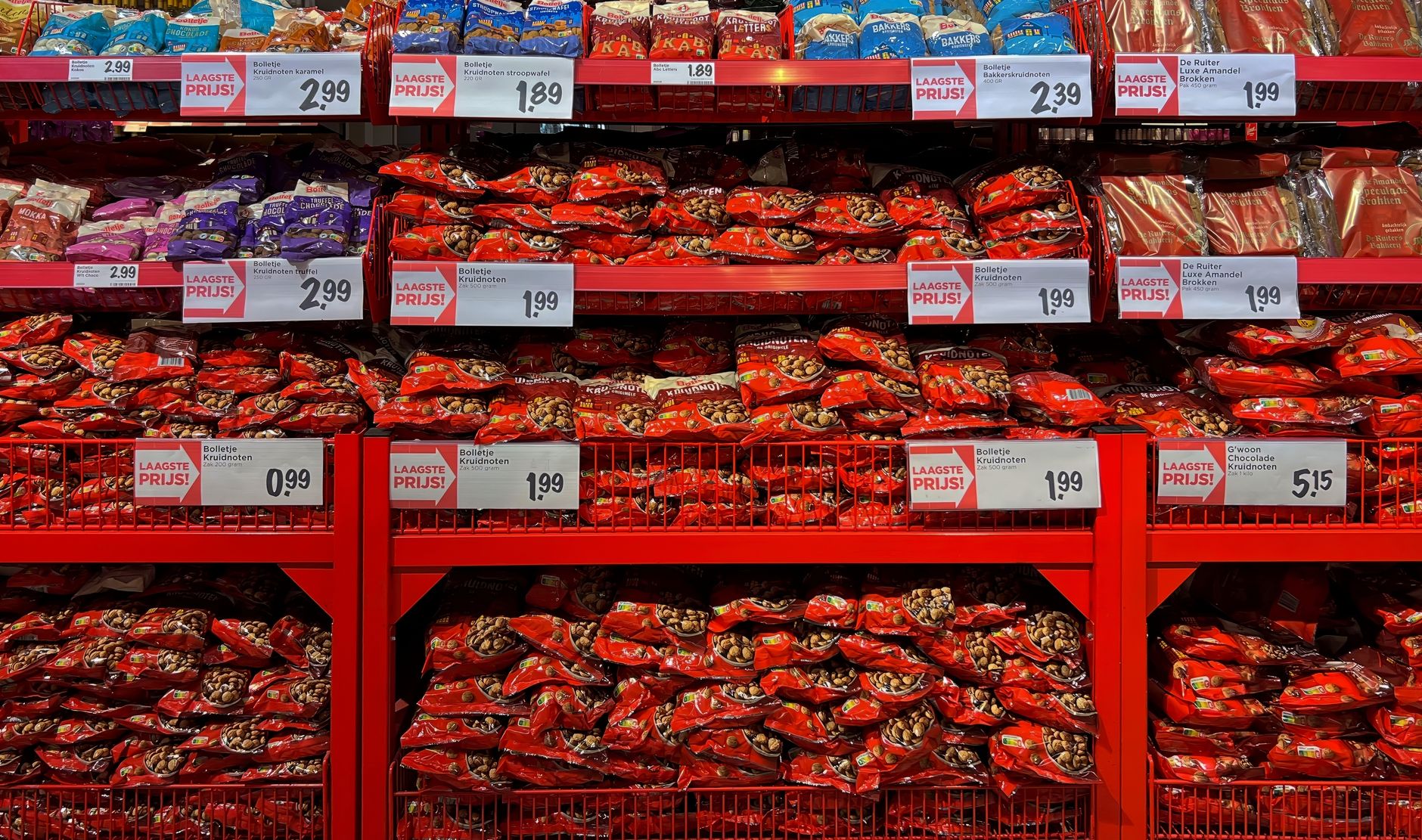
The unit price label is often the fastest way to spot whether the bigger box, smaller bottle, or sale pack is actually the better buy. Sticker prices can be misleading because products come in different sizes, counts, and concentrations. A lower shelf price may still cost more per ounce, per pound, or per item.
- Compare the same measurement across similar products.
- Check whether a family size will be used before it expires.
- Watch for shrinkflation, where the package looks familiar but holds less.
This helps shoppers who are balancing grocery budgets, stocking up for families, or trying to avoid waste. The catch is that unit labels can be hard to read or listed in different measurements, so it is worth slowing down before grabbing the familiar package.
The Sale Tag Fine Print
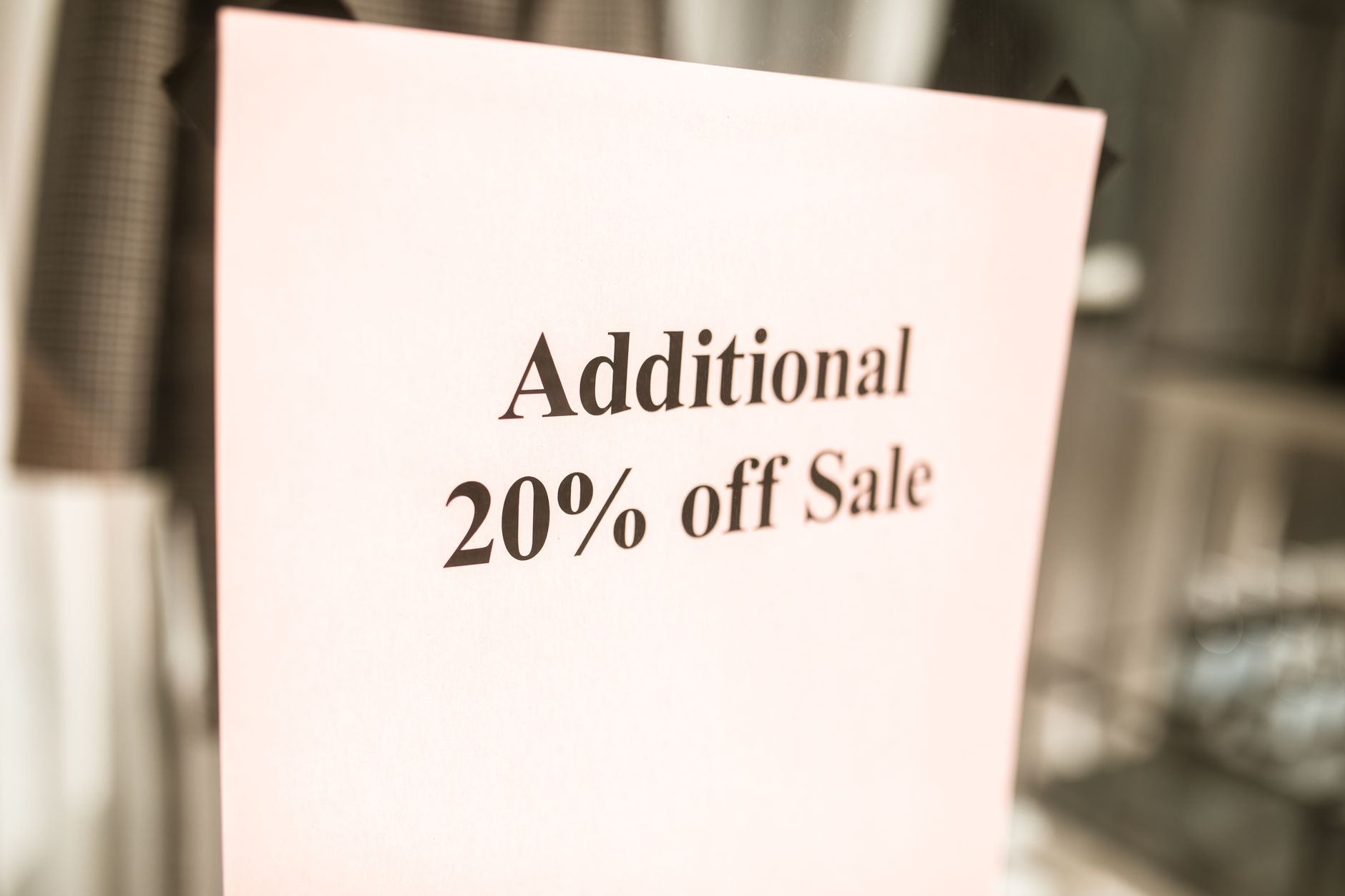
The sale tag fine print can separate a useful discount from a trap that pushes extra spending. Some promotions require buying multiple items, using a loyalty account, clipping a digital coupon, or choosing a specific size or flavor. If the shopper misses that detail, the checkout total may be higher than expected.
- Look for limits, dates, and required quantities.
- Ask whether the deal still applies if you buy only one.
- Compare the sale item with a regular-priced alternative.
This matters most when the sign is large but the conditions are tiny. A deal that makes you buy more than you need can create clutter, food waste, or a pantry full of items nobody wanted in the first place.
The Package Size
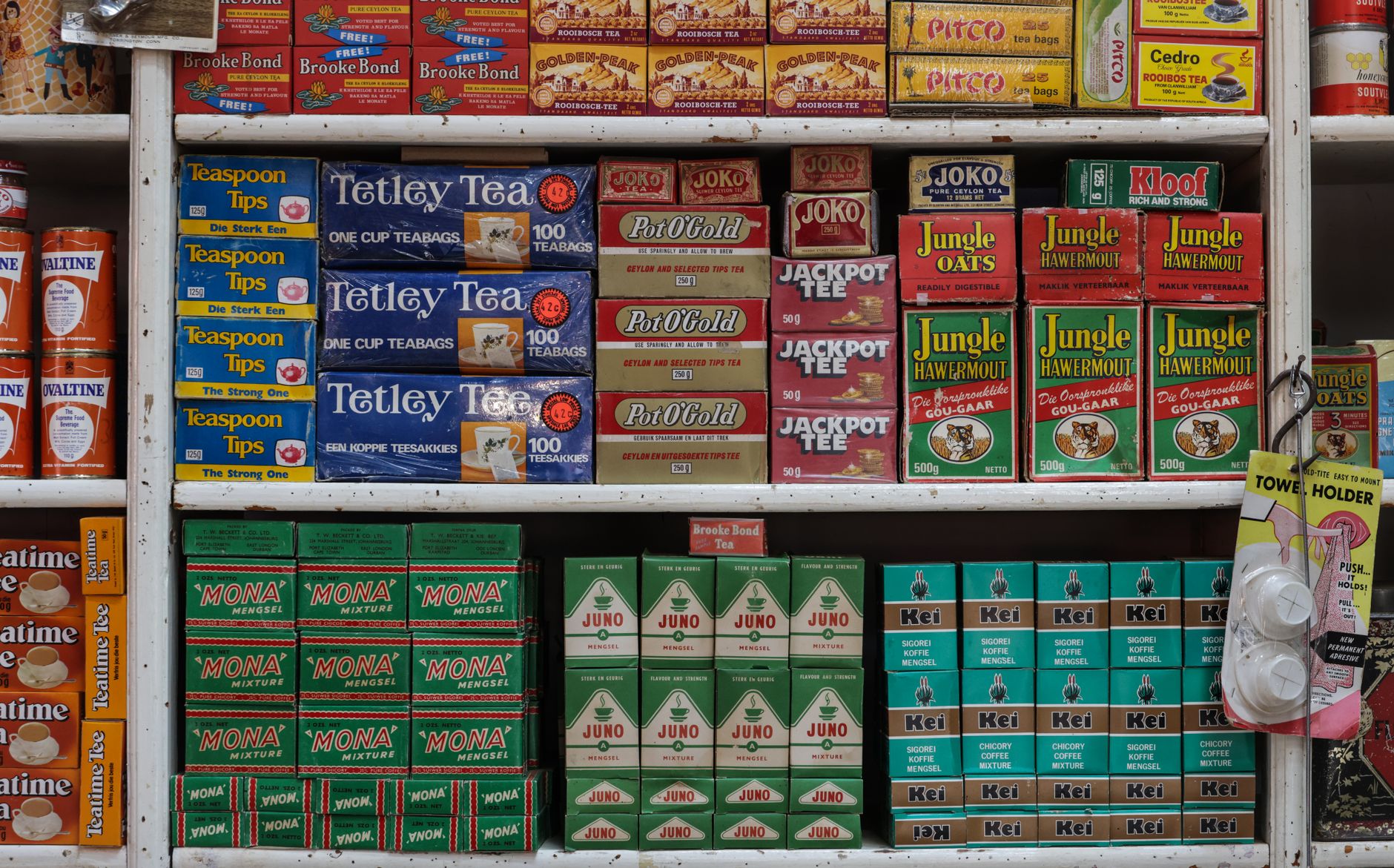
The package size is easy to ignore when the brand looks familiar. Smart shoppers notice whether the box, bag, or bottle is the same size they bought last time. A package can look nearly identical while holding fewer servings, smaller sheets, or less liquid than before. That can quietly raise the real cost.
- Check the net weight, count, or number of servings.
- Compare old favorites with store brands or nearby alternatives.
- Think about storage space before buying bulk packs.
This check helps households avoid paying more for less without realizing it. It also prevents the opposite problem: buying a huge container that seems efficient but goes stale, takes over a cabinet, or gets thrown away half-used.
The Expiration Date

The expiration date is more than a freshness detail. It tells shoppers whether the item fits the week ahead, especially with dairy, meat, bagged salads, prepared foods, and discounted items near the end of their shelf life. A bargain is not much of a bargain if it spoils before anyone opens it.
- Choose dates that match your meal plan.
- Be extra careful with multi-packs of perishable foods.
- Inspect refrigerated items that were moved to discount bins.
This matters for busy families, people shopping for one or two, and anyone trying to cut down on food waste. The best next check is simple: ask whether you have a realistic plan to use it soon, not just good intentions.
The Return Policy Sign
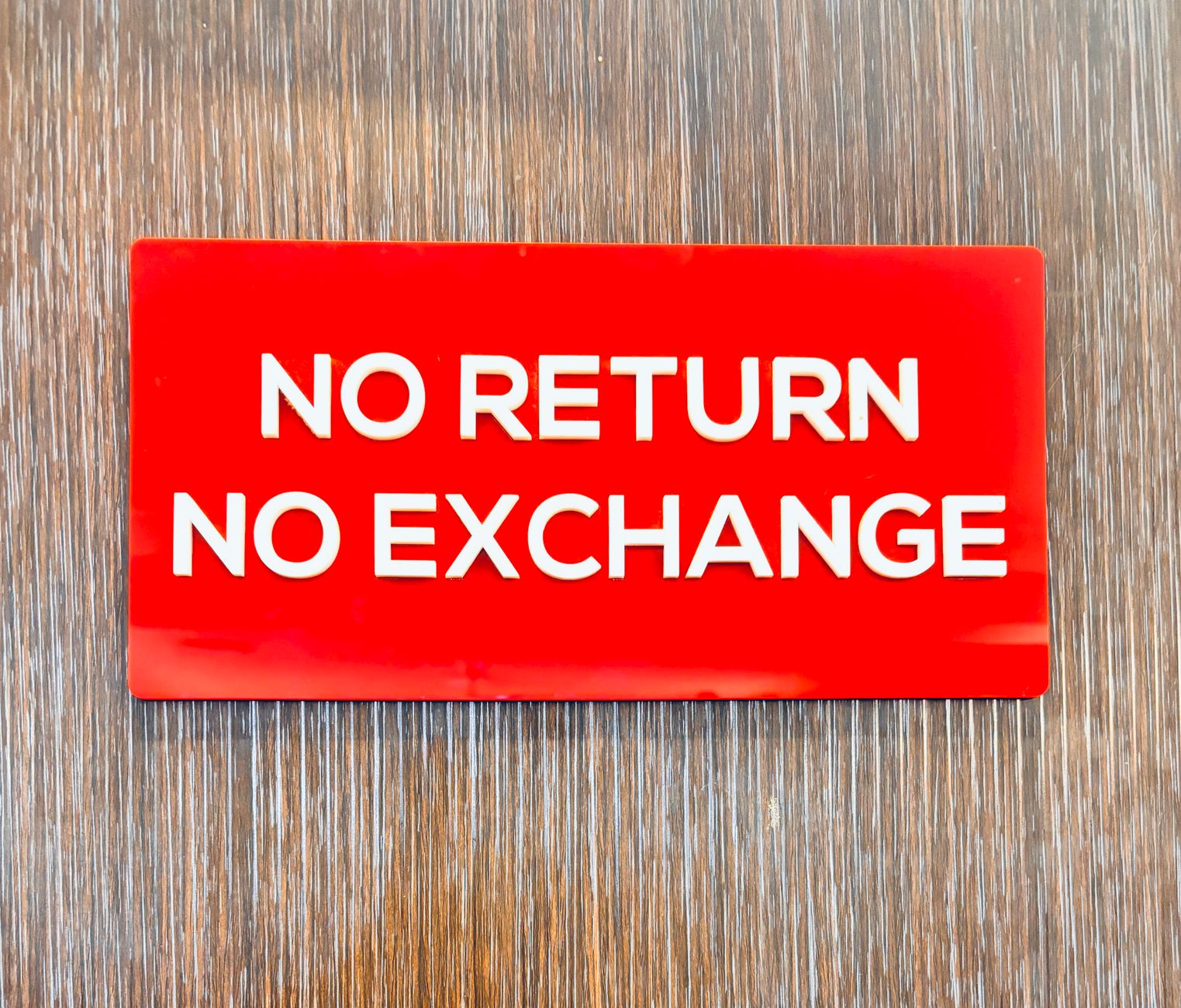
The return policy sign matters before buying anything that might not fit, work, match, or feel right at home. Clothing, electronics, small appliances, decor, and seasonal items can have different rules than everyday goods. Some stores shorten return windows, require original packaging, exclude clearance items, or offer store credit instead of a refund.
- Check whether the item is final sale.
- Keep the receipt and packaging until you are sure.
- Confirm the deadline before buying gifts or seasonal products.
This helps shoppers avoid getting stuck with an item that looked fine in the store but failed at home. The small pause can protect your budget from purchases that become clutter because returning them is harder than expected.
Smart shopping is not about turning every aisle into a math test. It is about building a short pause into the buying habit. Before an item hits the cart, check the real price, the conditions, the size, the freshness, and the exit plan if it does not work out.
That pause takes seconds, but it can prevent wasted food, duplicate purchases, weak discounts, and return headaches. The best deal is the one that still makes sense after the details are checked.