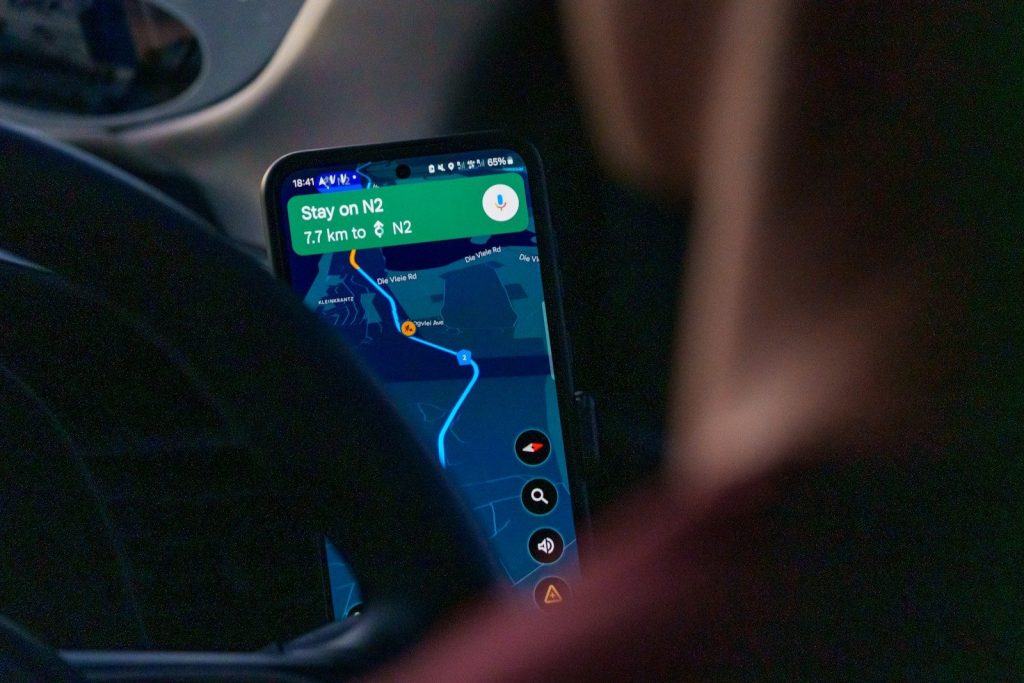

Phones in 2026 are not the sleek accessories they once were. They are full-scale computing devices with professional-grade sensors, real-time connectivity, and processing power that would have seemed excessive even on a desktop computer not long ago.
The average flagship phone now outperforms most mid-range laptops on everyday tasks, and the apps running on them have become genuinely sophisticated tools rather than novelty shortcuts. The result is a growing list of standalone gadgets that have become redundant, expensive, and hard to justify keeping around.
1. Dedicated GPS Devices
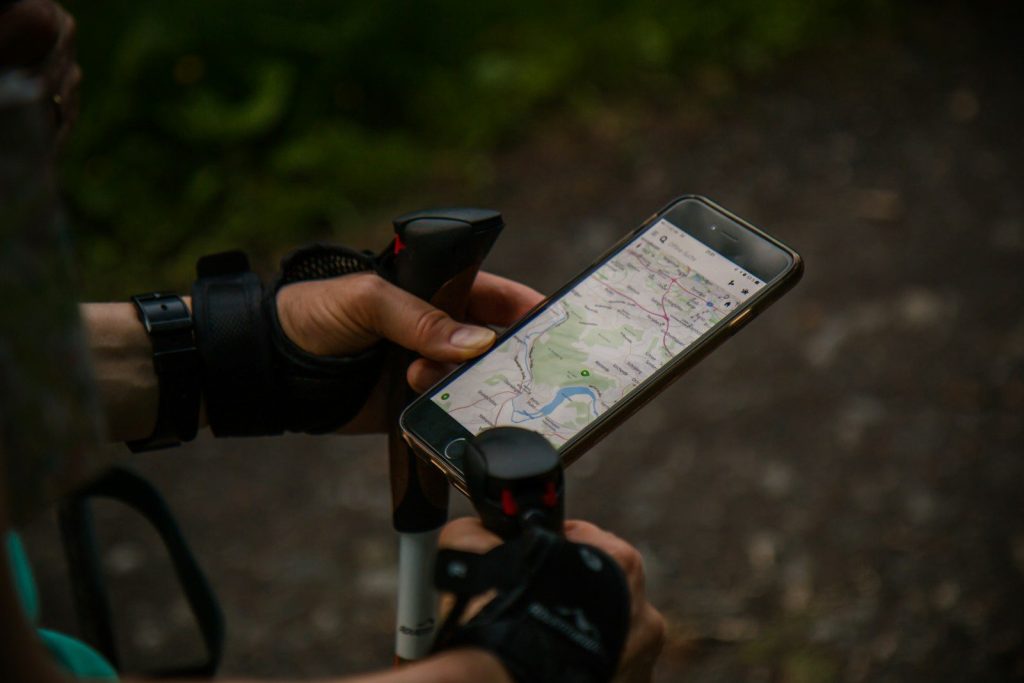
Garmin and TomTom built solid businesses selling dashboard GPS units, and for a long time they were worth every penny. Real-time navigation with offline maps, lane guidance, and speed camera alerts made them feel essential.
Google Maps and Apple Maps have since closed most of those gaps, and apps like Waze add live traffic data that older GPS hardware cannot compete with. Offline download options mean dead zones are no longer a dealbreaker either. The one area where dedicated GPS still holds on is rugged trail navigation for serious hikers, but for driving, the phone has this covered.
2. Portable Music Players
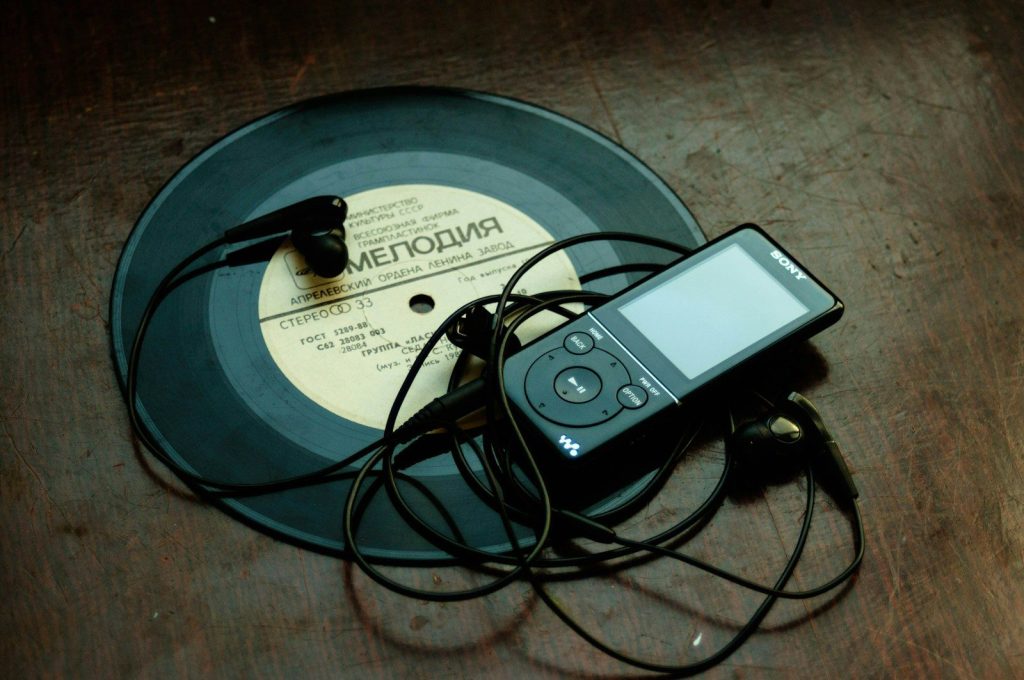
The iPod was a cultural object as much as a device, but the category it created has largely disappeared. Streaming through a phone delivers access to virtually every song recorded in the last century, with lossless audio options now available on Spotify, Apple Music, and Tidal.
Sony and Astell&Kern still sell high-end DAPs for audiophiles who demand the best possible signal chain, but for most people, a decent pair of wireless headphones paired with a phone sounds excellent. Carrying a separate device purely to play music stopped making sense years ago.
3. Point-and-Shoot Cameras
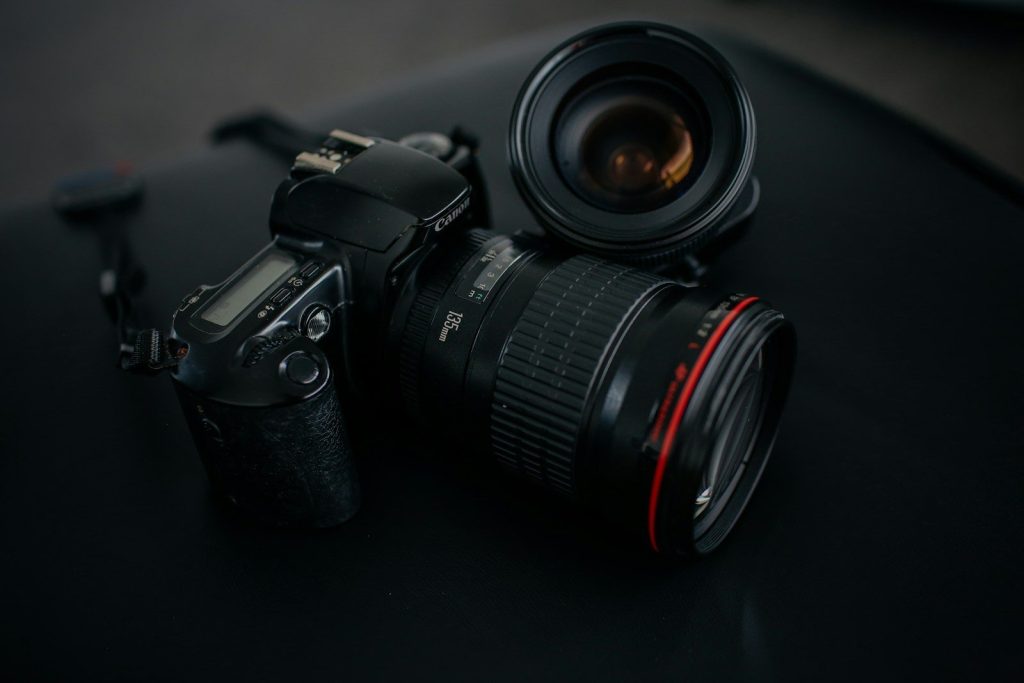
The smartphone camera has essentially ended the consumer point-and-shoot market as it existed. Computational photography on flagship phones, including features like Night Mode, object erasing, and multi-frame HDR processing, produces images that would have required a dedicated camera and some editing skill a decade ago.
The iPhone 16 Pro and Samsung Galaxy S25 Ultra can shoot in RAW, handle portrait depth with impressive accuracy, and record 4K video at 120 frames per second. Compact cameras still have advantages in zoom range and manual control, but for casual photography, the phone is more than enough.
4. Handheld Gaming Devices
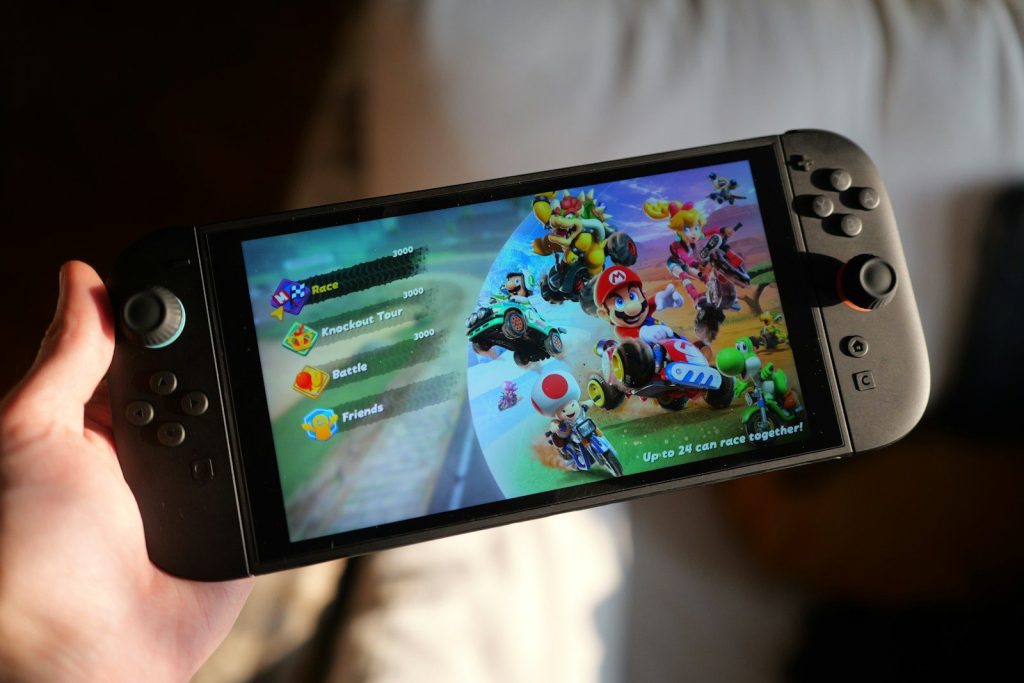
The Nintendo Switch remains a strong product, and dedicated gaming handhelds like the Steam Deck serve a specific audience well. Below that tier, though, the market for basic portable gaming hardware has hollowed out.
Mobile gaming has matured past the casual puzzle era into titles with real depth, including full ports of console-quality games and cloud gaming services like Xbox Game Pass Ultimate that stream AAA titles directly to a phone screen. For anyone not specifically chasing the Nintendo first-party library, a phone handles portable gaming well.
5. Voice Recorders
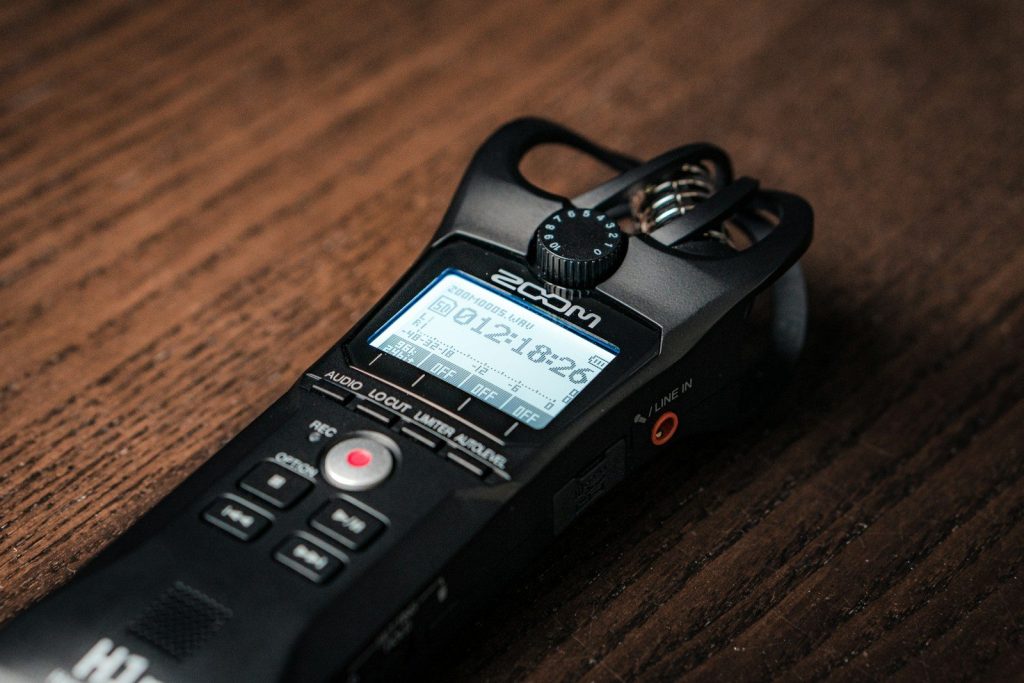
Journalists, students, and researchers used to carry small digital recorders as standard equipment. Now phones come with built-in recording apps that capture clear audio, and third-party apps like Otter.ai add automatic transcription with speaker identification. The transcription piece is what changed things.
A voice recorder captures sound; a phone plus a transcription app turns that sound into searchable, shareable text almost immediately. Standalone recorders still appear in professional broadcast settings, but for everyone else, the phone does more.
6. Flashlights
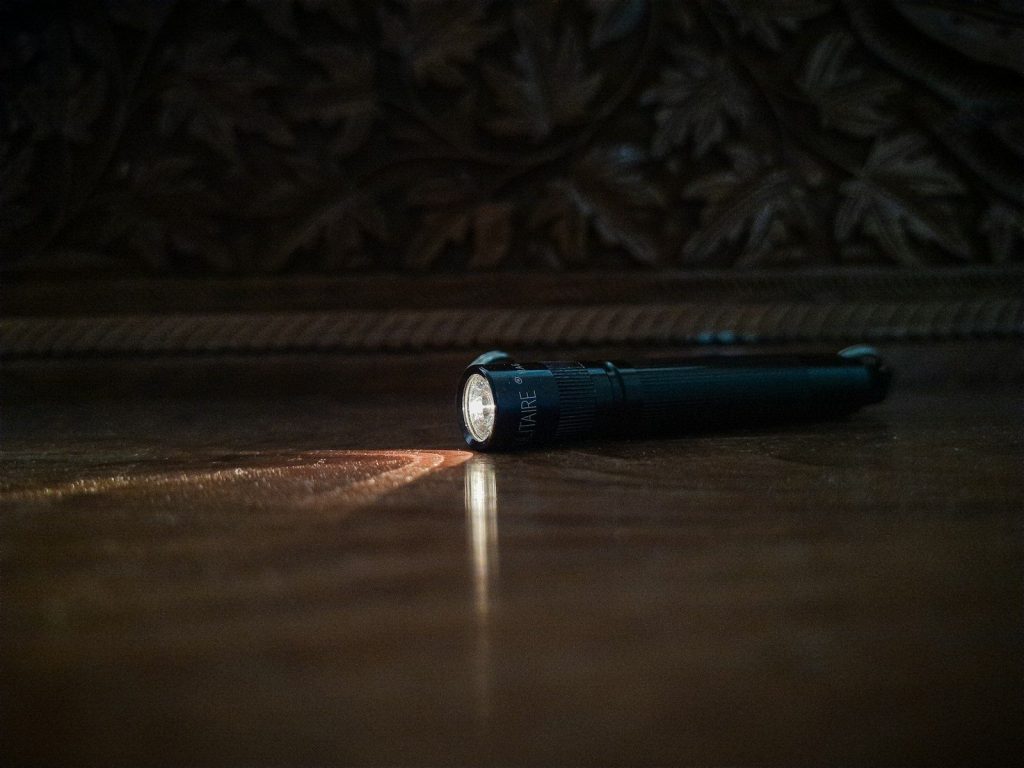
A LED flashlight used to be a practical item to keep in a bag or kitchen drawer. Phone flashlights are now powerful enough to handle most of those same jobs, and they are always on hand. Some flagship phones include high-lumen torch modes that rival small tactical flashlights.
The main holdout case is industrial or outdoor use where a phone getting wet or dropped is too much of a risk. For everyday use, though, a separate flashlight is mostly unnecessary.
7. Fitness Trackers
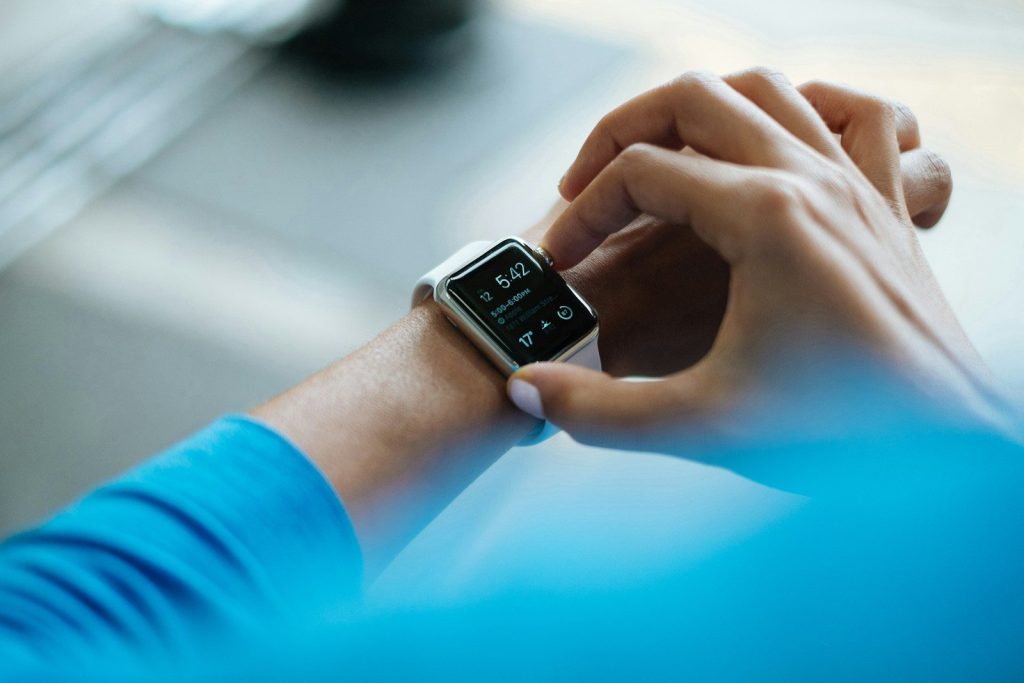
Basic fitness bands that counted steps and monitored sleep had a strong run through the mid-2010s. Phones have since taken over the passive tracking functions that made those devices useful, and the more advanced health monitoring, heart rate, blood oxygen, and ECG features, has moved to smartwatches rather than separate bands.
Fitbit still sells products, but Google’s acquisition and subsequent product consolidation tells most of the story. Unless a smartwatch is part of the plan, a phone handles basic fitness tracking without adding another device.
8. Handheld Barcode Scanners
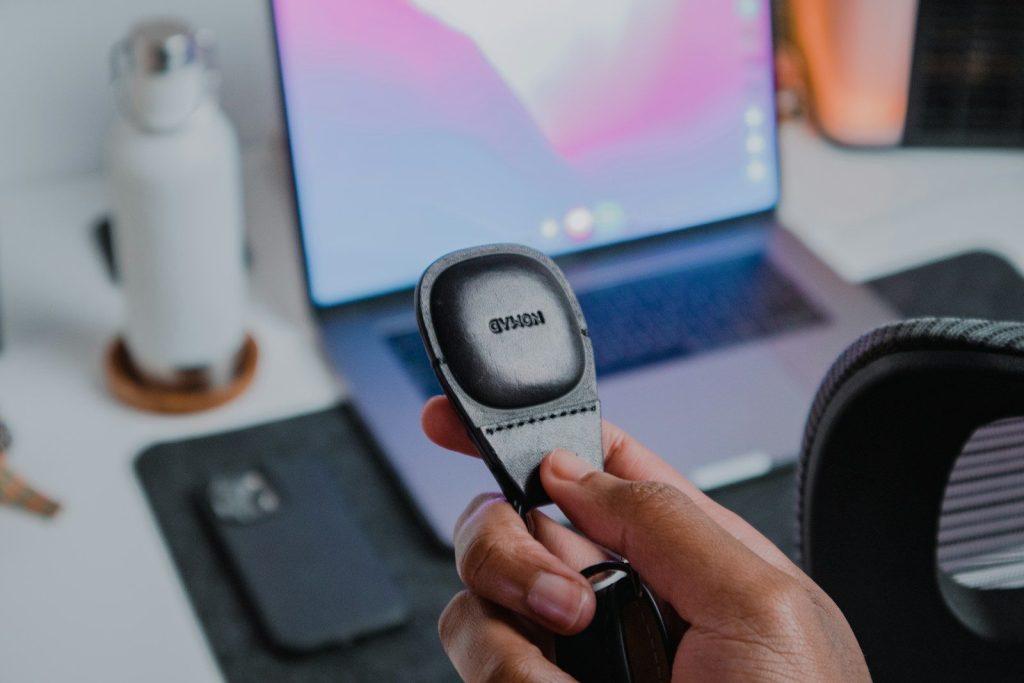
This one might sound commercial, but handheld barcode scanners found a real consumer audience among people who managed home inventories, tracked their personal libraries, or handled small business stock.
Phone cameras now read QR codes and barcodes natively without any additional app on most platforms, and dedicated apps like Sortly make inventory management genuinely functional on a phone. The speed gap between a laser scanner and a phone camera has narrowed enough that the extra hardware is hard to justify outside warehouse-scale operations.
9. Alarm Clocks
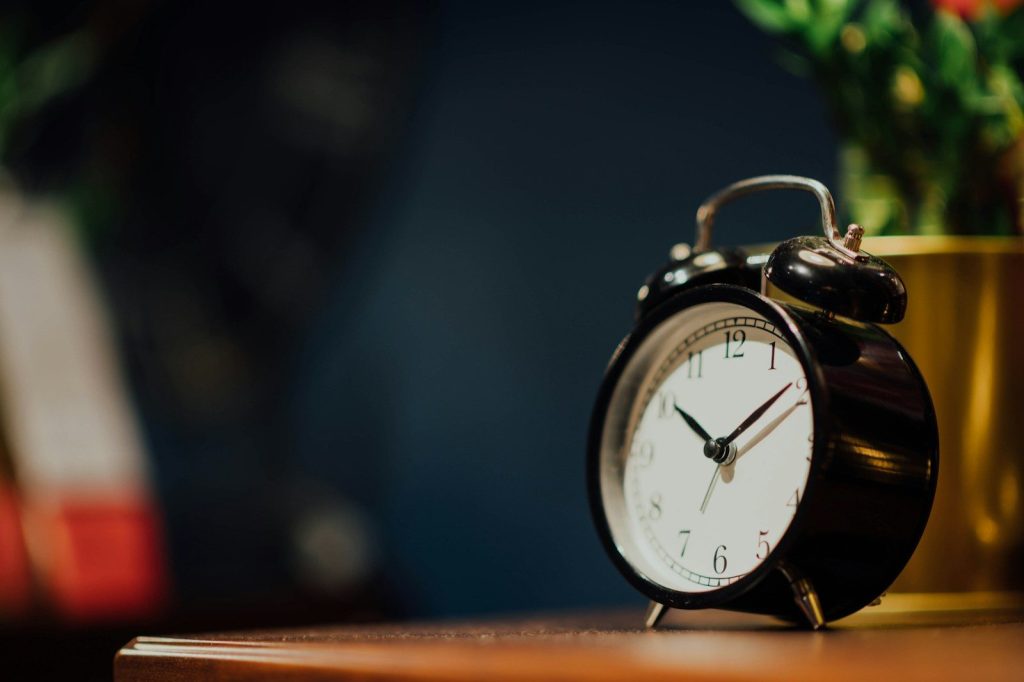
Standalone alarm clocks have not disappeared entirely, and there is a reasonable argument that keeping a phone out of the bedroom is good for sleep. That said, as a functional gadget, the dedicated alarm clock has been replaced.
Phones offer multiple alarms, custom labels, gradual volume settings, and integration with sleep-tracking apps that adjust wake times based on sleep cycles. Smart displays like the Amazon Echo Show handle the bedside clock role for people who genuinely want to separate the phone from the bedroom. The basic plug-in clock radio, though, has become a hard sell.