

A gallon of milk. A tank of gas. A trip to the laundromat. These aren’t luxury purchases. They’re the ordinary, unavoidable costs of getting through a week, and for millions of Americans living on tight budgets, each one carries a weight that wealthier households simply don’t feel.
The math behind financial inequality isn’t always about big-ticket items. Sometimes it shows up in the smallest, most mundane purchases, the ones that add up before anyone notices. What follows is a look at nine everyday expenses that take a disproportionate bite out of low-income budgets in 2026.
1. Groceries
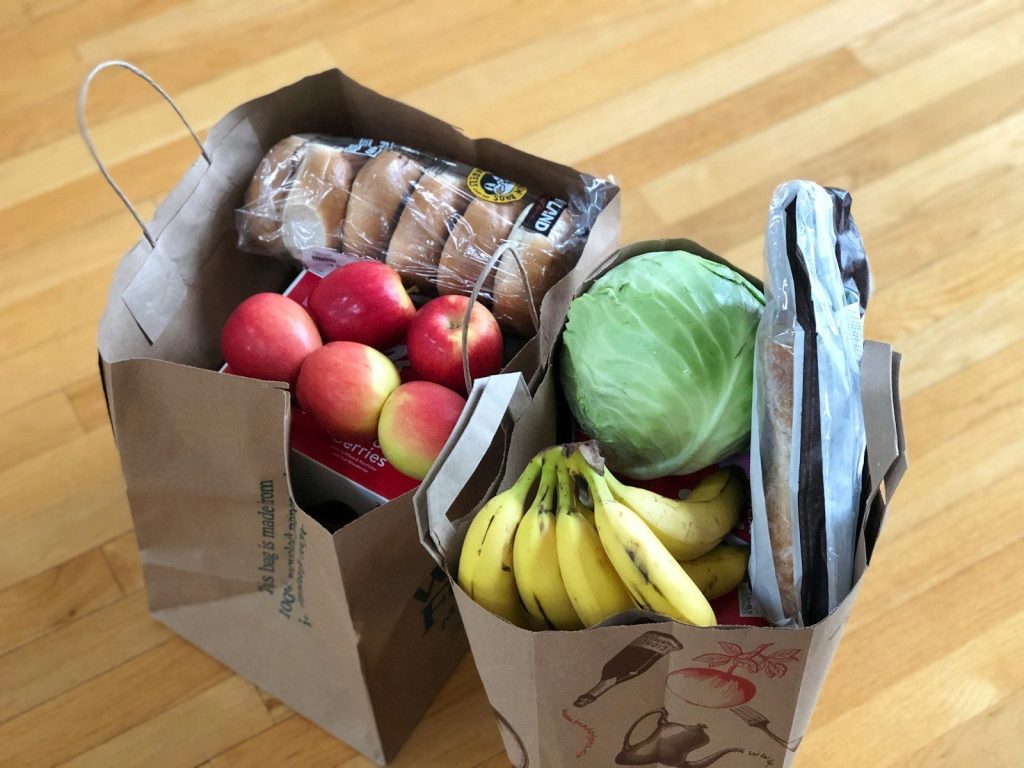
Food is non-negotiable, which is exactly what makes grocery prices so punishing for low-income families. Higher-income households tend to buy in bulk, shop at warehouse stores, and store food in spacious freezers. Many low-income households don’t have that option. When cash is limited, buying a large pack of chicken thighs to freeze isn’t always possible. You buy what you can afford this week.
Dollar stores and discount grocers help, but they don’t always carry fresh produce or nutritionally complete options. Healthy eating on a genuinely tight budget takes planning, transport, and time that not everyone has.
2. Car Insurance

Car insurance premiums in many states are still calculated using factors that have little to do with driving record. Credit scores, zip codes, and even occupation can push rates higher for lower-income drivers. Someone living in a lower-income neighborhood, regardless of how carefully they drive, may pay significantly more than a neighbor in an affluent suburb.
A 2024 Consumer Federation of America report found that good drivers in low-income zip codes routinely pay hundreds more per year than equally safe drivers in wealthier areas. That gap hasn’t closed.
3. Banking Fees
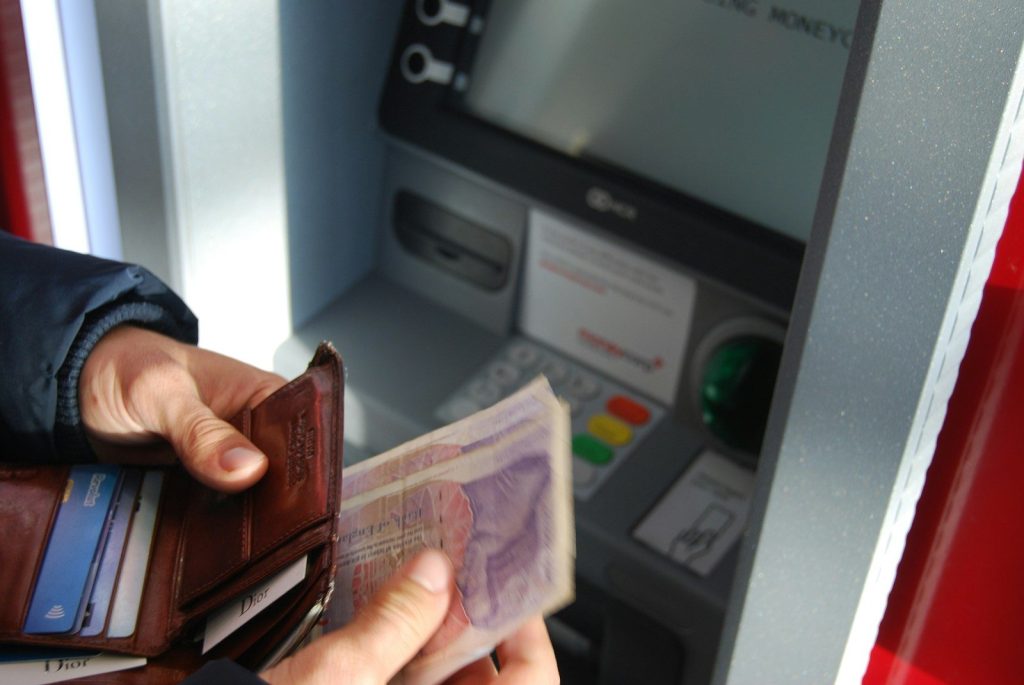
Not everyone has a bank account, and those who don’t end up paying to access their own money. Check-cashing services typically charge between 1% and 3% of a check’s face value. On a $1,200 paycheck, that’s up to $36 gone before a single bill gets paid.
Even among the banked, overdraft fees continue to hit low-income customers hardest. Some banks have reformed their overdraft policies under regulatory pressure, but fee-based accounts remain common, and minimum balance requirements can trap people in a cycle of small charges that compound quickly.
4. Utilities
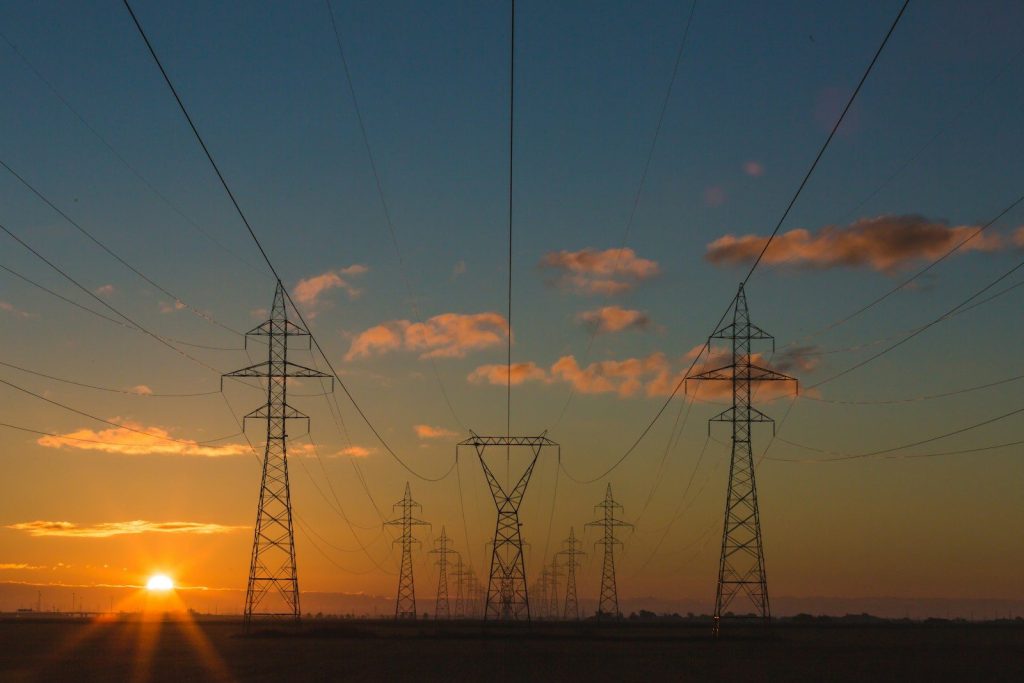
Low-income households often live in older rental units with poor insulation, aging HVAC systems, and inefficient appliances. The landlord has little incentive to upgrade them. The tenant pays the utility bills. That combination produces energy costs that eat up a larger share of income than almost any other recurring expense.
The U.S. Department of Energy estimates that low-income households spend three times more of their income on energy than higher-income households. In extreme heat or cold, that figure can get worse fast.
5. Payday Loans and Credit

When an unexpected expense hits and there’s no savings cushion, the options narrow quickly. Payday loans remain widely used despite annual percentage rates that can exceed 300%. A $300 loan taken out to cover a car repair can become $400 or more in just two weeks if it rolls over.
Credit cards marketed to low-credit borrowers carry high interest rates and fees that accelerate debt. The people least able to afford credit end up paying the most for access to it.
6. Transportation
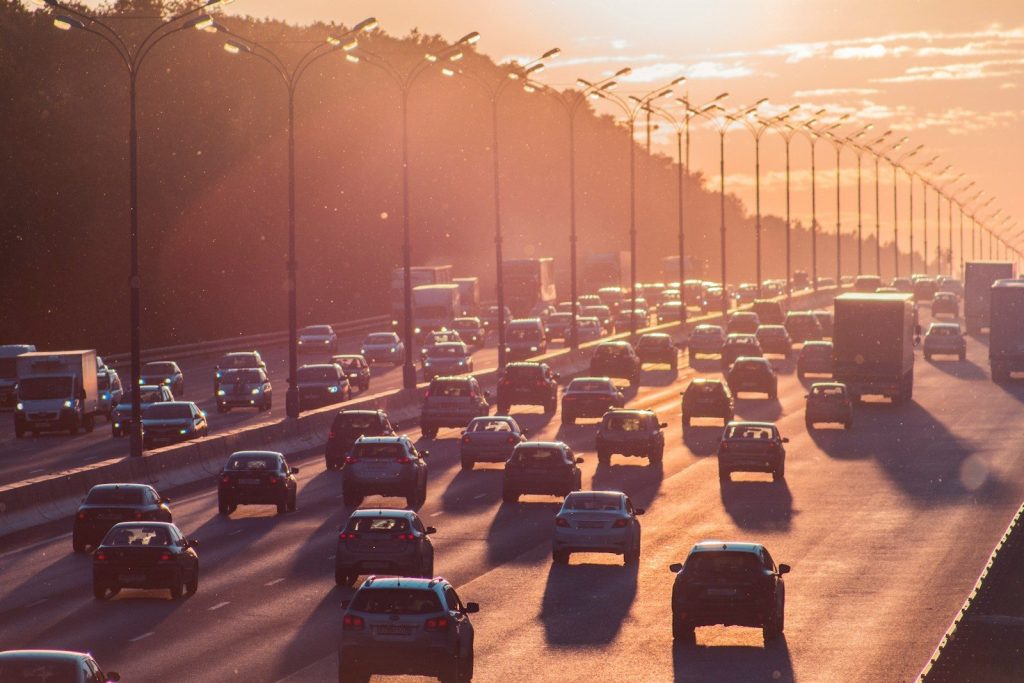
Owning a car is expensive, but in most American cities, not owning one is expensive in a different way. Public transit systems outside of a handful of major metros are underfunded, slow, and unreliable. Missing a bus can mean missing a shift. Taking a rideshare to fill the gap costs money that wasn’t in the budget.
For households that do own vehicles, repairs are a financial emergency. A $700 transmission problem can trigger a cascade: missed work, lost income, a loan taken out at bad terms.
7. Childcare

The average cost of center-based childcare in the United States crossed $1,300 per month in 2025 for one child. For a single parent earning $40,000 a year, that’s nearly 40% of gross income going to one expense. Federal and state subsidy programs exist, but waitlists are long and eligibility cutoffs sometimes exclude working parents who earn just enough to disqualify.
Many families cobble together informal arrangements with relatives or neighbors, which works until it doesn’t.
8. Healthcare and Medications

Even with insurance, out-of-pocket costs can be prohibitive. High-deductible health plans, which are common among lower-wage workers whose employers offer bare-bones coverage, mean that a single ER visit or specialist appointment can result in a bill that takes months to pay off.
Generic medications have helped, but not all conditions have affordable generic options. Insulin prices, despite recent policy interventions, remain a burden for many diabetic patients without solid coverage. Skipping doses to stretch a prescription is a documented reality for a significant portion of low-income Americans.
9. Phone and Internet

A smartphone and internet access aren’t optional anymore. Job applications, benefits portals, telehealth appointments, school assignments: all of it runs through a connection that costs money to maintain.
Low-income households pay a higher percentage of their income for connectivity than any other group. Federal programs like the Affordable Connectivity Program helped millions of families, but that program was defunded in 2024. Replacement efforts at the state level have been inconsistent. In 2026, reliable internet access remains something wealthier households take for granted and lower-income ones often have to sacrifice for.