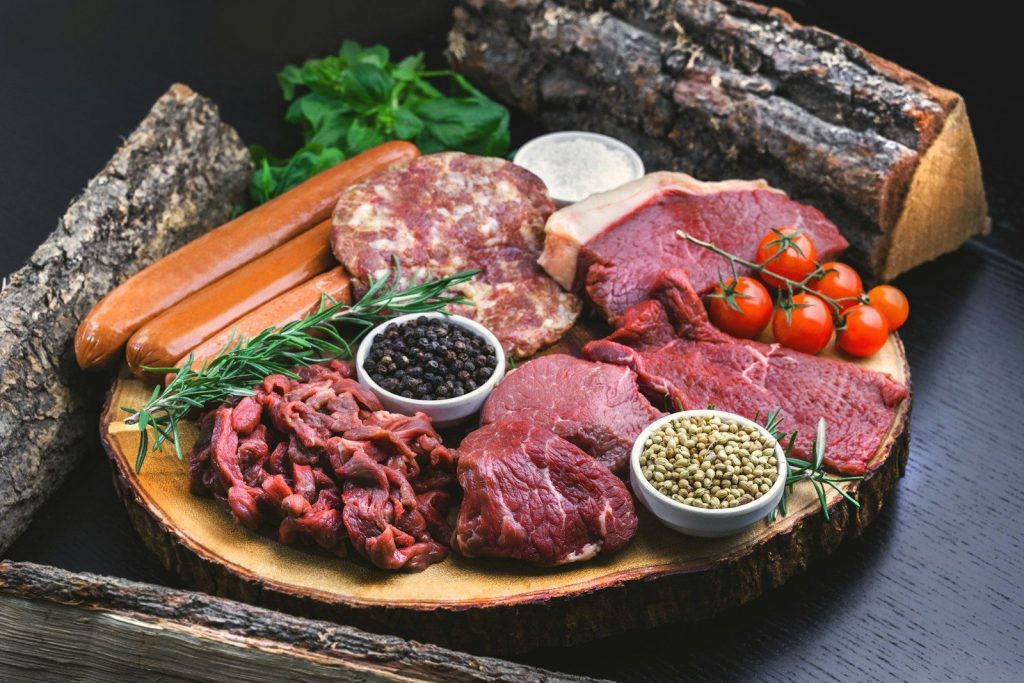

High cholesterol remains one of the most common health concerns in America in 2026. Although genetics play a role, daily food choices can have a major impact on cholesterol levels over time. Foods rich in saturated fats, trans fats, and heavily processed ingredients tend to raise LDL cholesterol, often called “bad” cholesterol.
When LDL levels stay elevated, plaque can build up inside arteries and increase the risk of heart disease and stroke. Knowing which foods deserve extra caution can help people make smarter decisions without completely giving up foods they enjoy.
1. Processed Meats
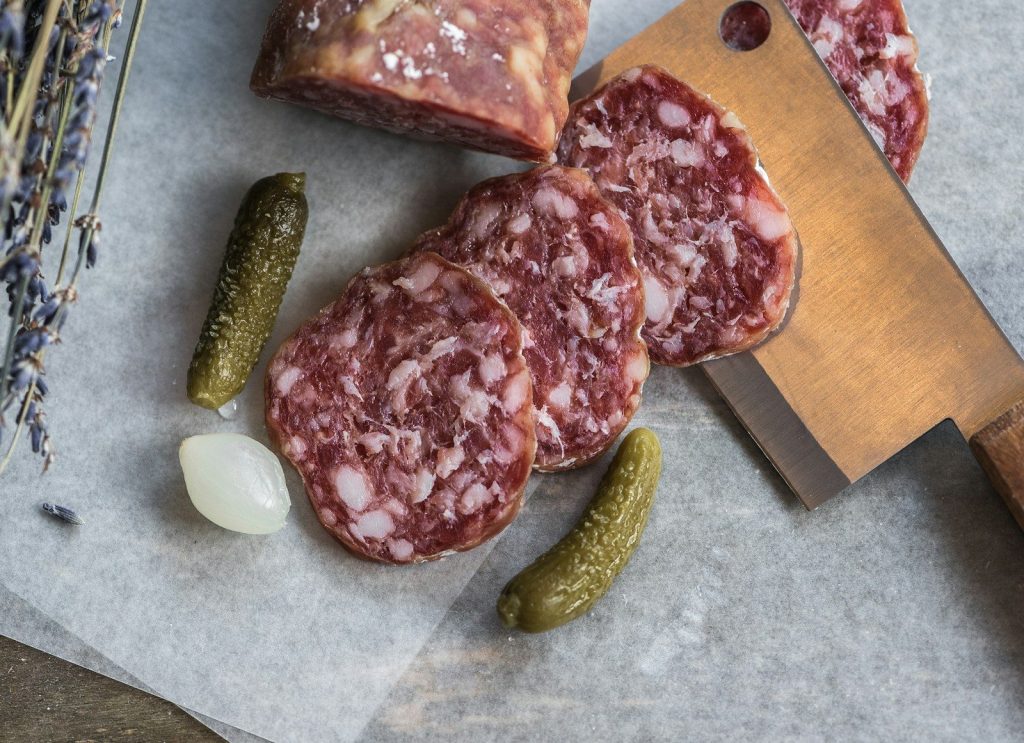
Bacon, sausage, hot dogs, and many deli meats are often loaded with saturated fat and sodium. These products are also highly processed, which has raised concerns among health researchers for years.
A breakfast built around bacon and sausage every morning may contribute to higher cholesterol levels over time. Leaner protein options such as turkey breast, chicken, beans, or fish generally place less strain on heart health.
2. Fried Fast Food
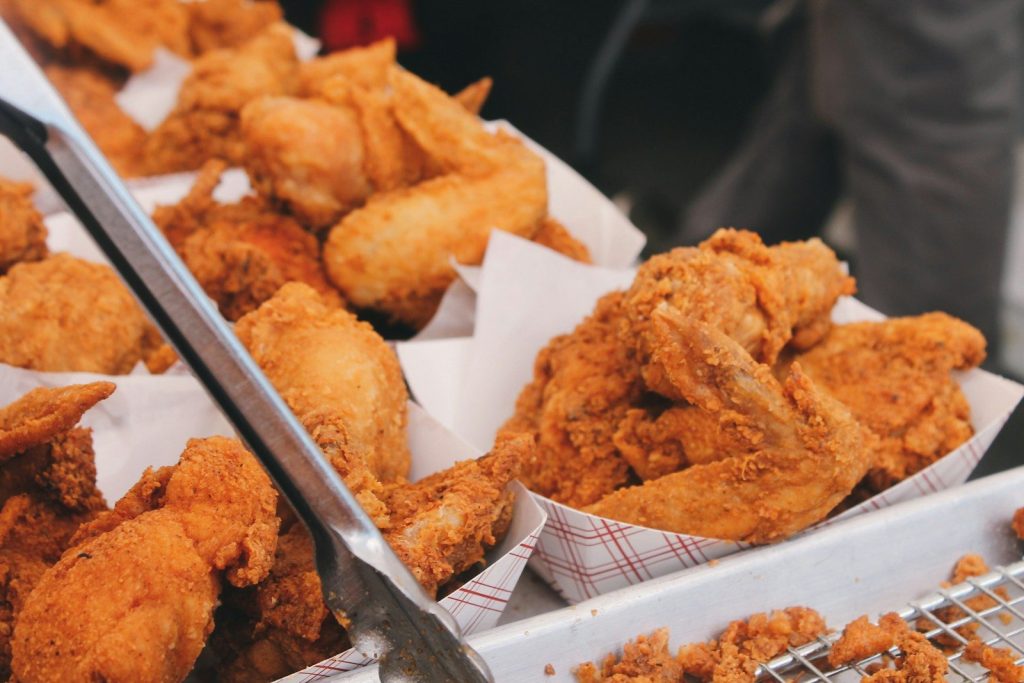
French fries, fried chicken, and similar fast-food favorites often contain large amounts of unhealthy fats. Even when restaurants have moved away from artificial trans fats, deep-fried foods can still pack a heavy dose of calories and saturated fat.
Frequent consumption may contribute to rising LDL cholesterol and weight gain. The occasional order is unlikely to cause major problems, but making fried foods a regular habit can become costly for cardiovascular health.
3. Commercial Baked Goods
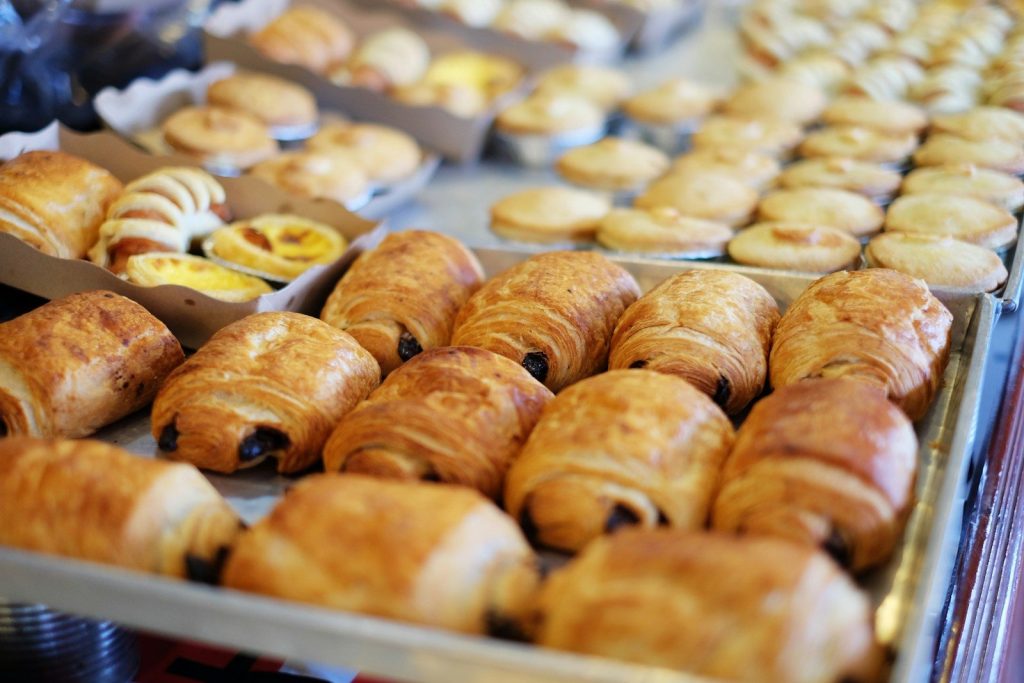
Many packaged pastries, doughnuts, cookies, and pies contain ingredients designed to extend shelf life and improve texture. Those ingredients often include shortening, butter, palm oil, or other fats that can raise cholesterol levels when consumed in excess.
A single pastry may not seem concerning, yet these treats can deliver surprising amounts of saturated fat in a small serving.
4. Fatty Cuts of Red Meat
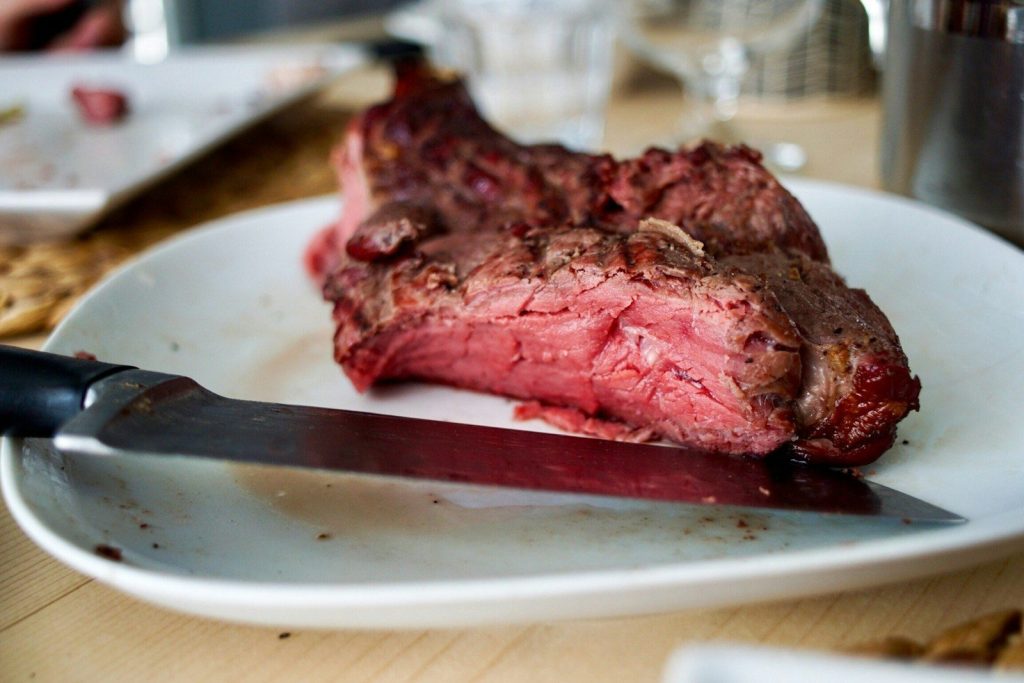
Ribeye steaks, beef ribs, and heavily marbled cuts of meat are prized for their flavor. That richness comes largely from fat. Regularly eating large portions of fatty red meat may increase LDL cholesterol, especially when paired with other high-fat foods.
Choosing leaner cuts, trimming visible fat, and keeping portions reasonable can make a noticeable difference without eliminating red meat entirely.
5. Full-Fat Dairy Products
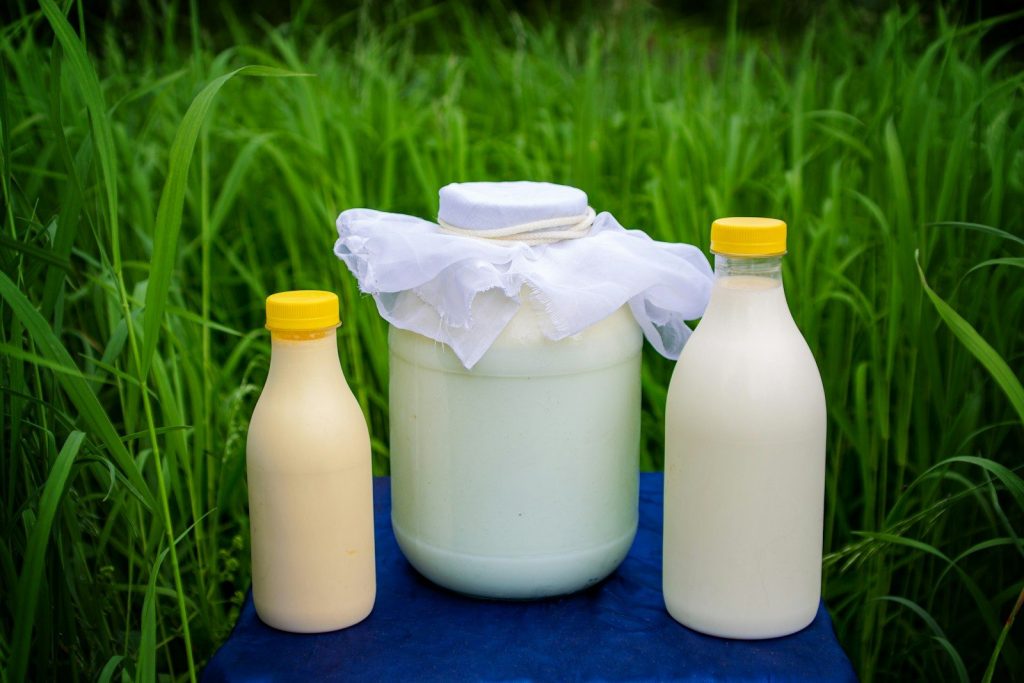
Whole milk, heavy cream, full-fat cheese, and premium ice cream contain higher levels of saturated fat than their reduced-fat counterparts. Cheese can be especially deceptive because serving sizes are often smaller than people realize.
A few slices here and there can add up quickly. Many people find that switching to lower-fat dairy products helps reduce saturated fat intake without dramatically changing their eating habits.
6. Butter and Cream-Based Sauces
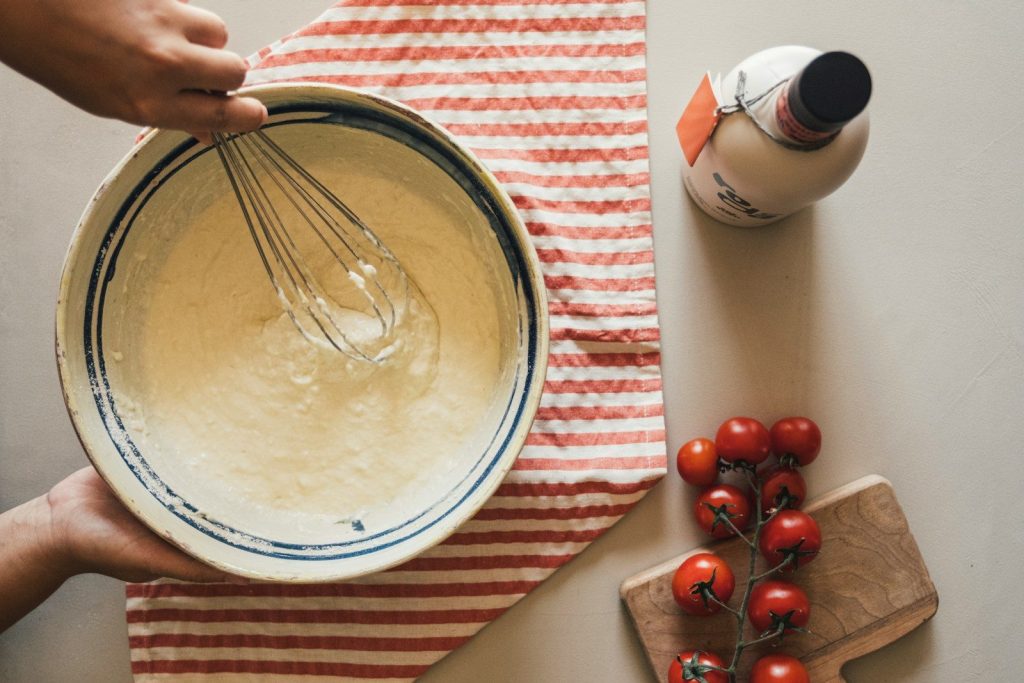
Butter remains a staple ingredient in countless kitchens, but it is also a concentrated source of saturated fat. Cream-based sauces found in pasta dishes, casseroles, and restaurant meals can deliver even larger amounts.
Rich sauces may turn a reasonably balanced meal into one loaded with cholesterol-raising fats. Olive oil-based preparations often provide a heart-friendlier alternative.
7. Pizza Loaded With Processed Toppings
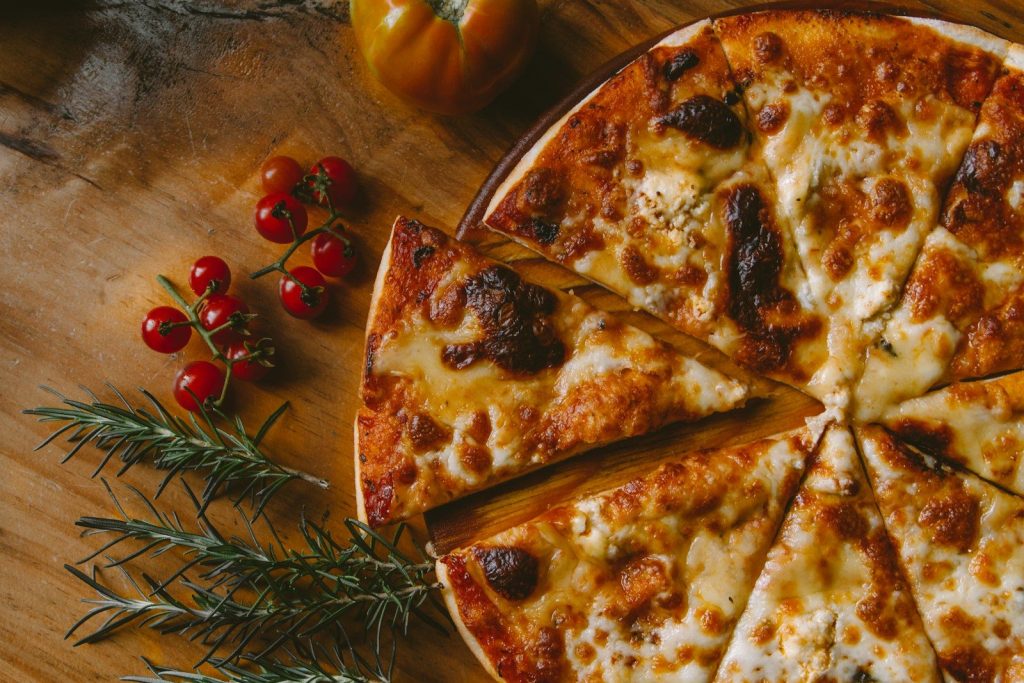
Pizza combines several ingredients that can work against healthy cholesterol levels. Full-fat cheese, processed meats such as pepperoni and sausage, and buttery crust additions can create a meal high in saturated fat.
Pizza does not need to disappear from the menu, though. Versions topped with vegetables, moderate cheese, and lean proteins can be a much better choice.
8. Packaged Snack Foods
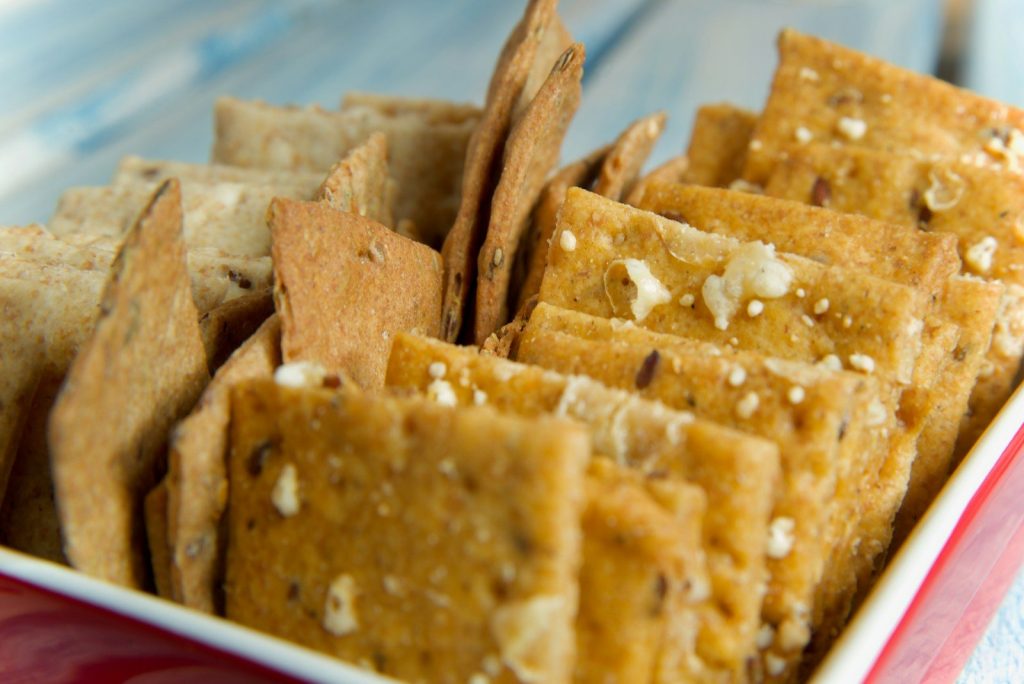
Potato chips, cheese puffs, crackers, and many other packaged snacks are easy to overeat. They frequently contain refined carbohydrates, added fats, and large amounts of sodium.
Eating them regularly can crowd out healthier foods that support heart health. Nuts, fresh fruit, air-popped popcorn, and vegetables with hummus often provide more nutrition and better long-term benefits.
9. Certain Frozen Convenience Meals
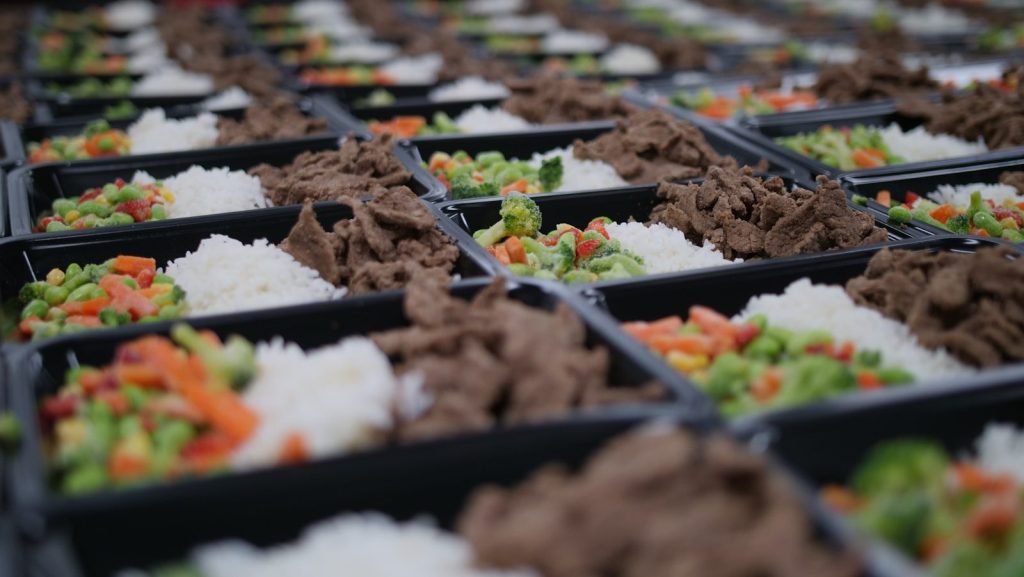
Frozen dinners have improved over the years, yet many still contain high levels of saturated fat, sodium, and processed ingredients. Creamy pasta dishes, breaded meat entrees, and loaded comfort foods can be among the biggest offenders.
Reading nutrition labels remains one of the simplest ways to spot trouble before it reaches the shopping cart. Small adjustments made consistently often have a greater impact on cholesterol levels than any short-term diet trend.