
The middle class has always operated on a kind of unspoken promise: work hard, spend reasonably, and life stays manageable. That promise has been fraying for years, but by 2026, the fraying looks a lot more like tearing.
Wages have climbed in some sectors, sure, but the costs chasing those wages have climbed faster and in categories that families simply cannot opt out of. Groceries. Insurance. Housing. These aren’t luxury purchases. They’re the infrastructure of ordinary life, and they’re getting harder to afford with each passing year.
1. Homeownership

Buying a home used to be the clearest marker of middle-class stability. In 2026, it’s becoming one of the clearest markers of luck. Mortgage rates that spiked in the early part of the decade never fully retreated, and home prices in most metro areas stayed stubbornly elevated because existing homeowners refused to sell into a high-rate environment.
The result is a frozen market where starter homes in mid-sized cities routinely list above $350,000. First-time buyers are either stretching dangerously thin or giving up entirely and renting indefinitely, which creates its own financial spiral.
2. Car Insurance

Few costs have blindsided middle-class families quite like car insurance. Premiums have surged across nearly every state, with some drivers seeing annual increases of 20 to 30 percent in back-to-back years.
The reasons stack up: modern vehicles cost more to repair because of embedded sensors and cameras, climate-related claims have grown, and insurers spent years underpricing policies before overcorrecting hard. A family running two cars in a suburban area can easily spend $4,000 or more annually on coverage alone, before touching gas, maintenance, or a car payment.
3. Groceries
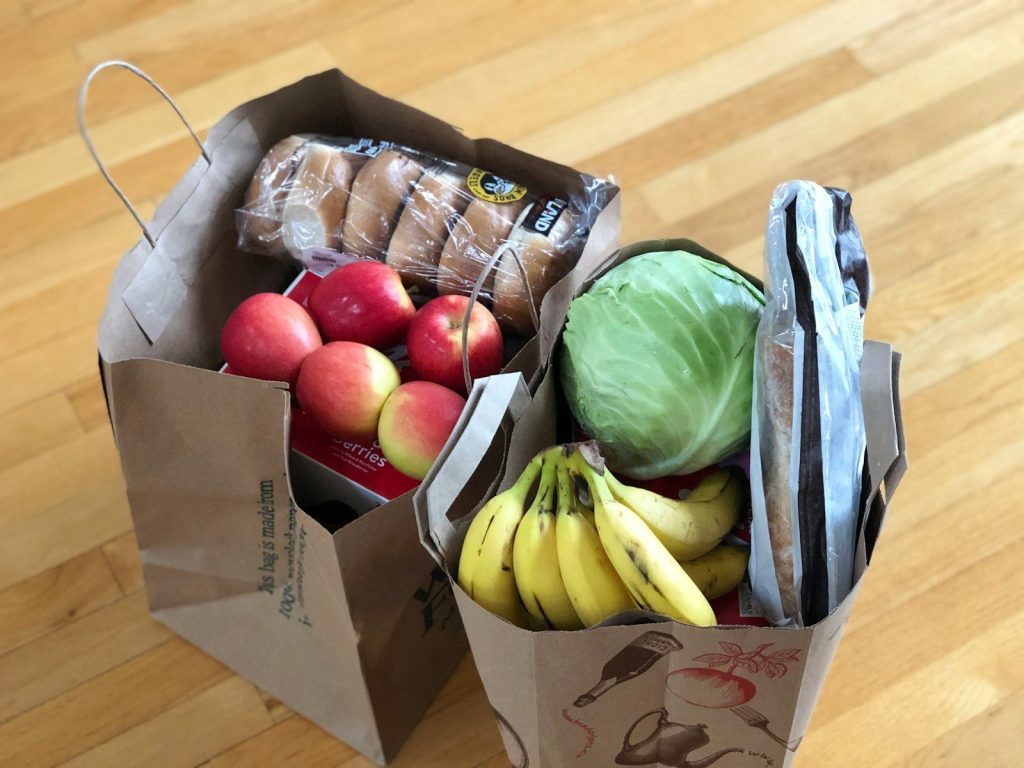
The grocery bill became a genuine source of household stress after 2021, and it hasn’t recovered. Food prices stabilized somewhat, but they stabilized at a higher floor. Eggs, cooking oils, orange juice, beef, and coffee have all repriced at levels that feel permanent rather than temporary.
Families that used to spend $800 a month feeding four people now often spend $1,100 or more for the same basket of goods. Private label brands have helped at the margins, but the underlying math doesn’t favor the shopper.
4. Health Insurance

Employer-sponsored health insurance still covers most working middle-class families, but the employee’s share of that coverage keeps growing. Deductibles that were once $1,000 are now $3,000 or $4,000 at many mid-size companies, meaning families pay substantial out-of-pocket costs before coverage meaningfully kicks in.
Prescription costs, specialist visits, and mental health services have all become budget line items that require planning. For families who are self-employed or between jobs, marketplace plans in 2026 carry premiums that can rival a second rent payment.
5. College Tuition

Tuition at four-year universities has outpaced inflation for decades, and the trend has not corrected. Even at in-state public universities, a year of attendance including room and board now frequently exceeds $30,000.
Middle-class families tend to fall into a particularly painful gap: too much household income to qualify for need-based aid, not enough savings to absorb the cost without significant borrowing. The families who don’t qualify for Pell Grants and don’t have trust funds are the ones carrying the heaviest load.
6. Childcare

Childcare costs in most American cities now exceed what families pay for housing, and that’s not an exaggeration. Full-time infant care at a licensed facility runs $2,000 to $3,500 per month in many markets.
Some families are making the cold calculation that one parent’s entire salary barely covers the daycare bill, which is less a choice than a trap. The federal childcare tax credit exists but doesn’t come close to offsetting actual costs, and waitlists at quality centers often stretch 12 to 18 months.
7. Home and Property Insurance

Homeowners insurance was already climbing, but climate events have pushed it into a new category of concern. In Florida, California, Texas, and Louisiana, some insurers have exited the market entirely.
Families in those states are being pushed onto state-backed insurers of last resort, often at dramatically higher rates with thinner coverage. Even in lower-risk states, annual premiums have risen 30 to 50 percent over the past three years. For families carrying a mortgage, this cost isn’t optional.
8. Utilities and Energy

Electric bills have climbed steadily as utility infrastructure ages, grid upgrades get passed to consumers, and extreme heat events drive up summer cooling costs. Natural gas prices have remained volatile. A family in the South or Southwest running central air through a long summer can see electric bills of $300 to $500 per month during peak months.
The push toward electric vehicles and appliances adds to demand without always adding supply. Energy assistance programs exist, but they are built for low-income households, not families earning $70,000 to $100,000 who are simply running short.
9. Dining Out and Recreation

This one feels smaller than the others but speaks to something real: the affordable release valve is gone. Going out to dinner used to be a Tuesday-night option. A sit-down meal for a family of four at a casual chain restaurant now typically costs $80 to $100 with tip, and fast food has eroded its own value proposition so thoroughly that a combo meal at many chains runs $12 to $15.
The cost of a family trip to a theme park, a weekend hotel stay, or even a youth sports registration has moved these activities from regular to occasional. What’s shrinking isn’t just the budget. It’s the breathing room.