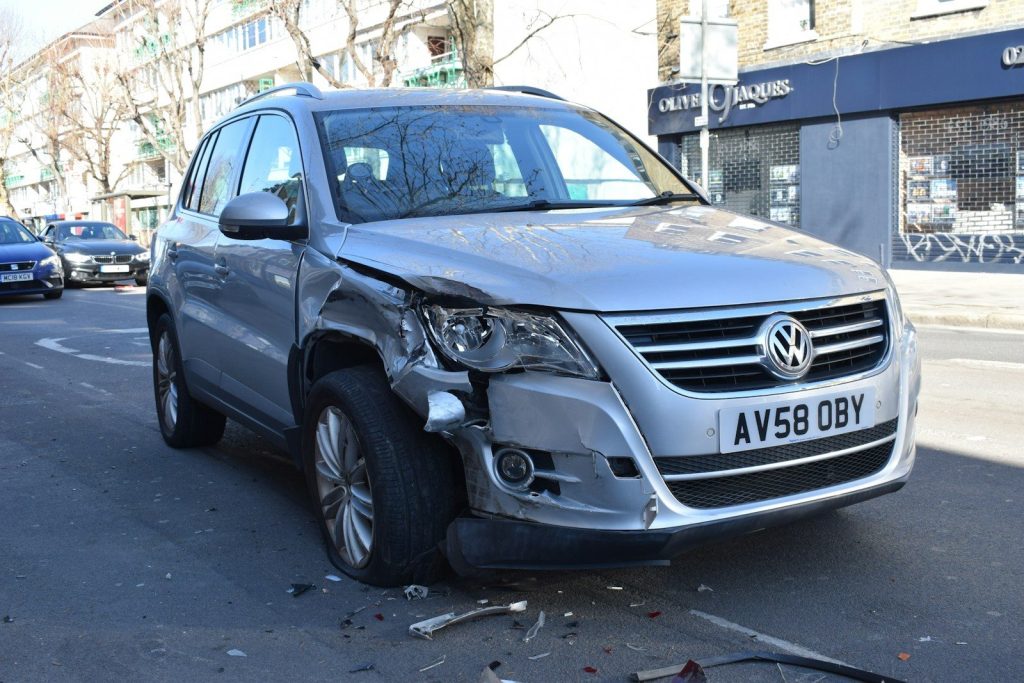

Buying an SUV is often about finding the right mix of comfort, space, and long-term value. A flashy design or impressive feature list can grab attention, but ownership costs can tell a very different story after the excitement fades.
Some models develop a reputation for expensive repairs, poor reliability, or disappointing resale value. Knowing what to watch for before signing the paperwork can help you avoid costly surprises and keep more money in your pocket.
Looks Can Hide Long-Term Costs
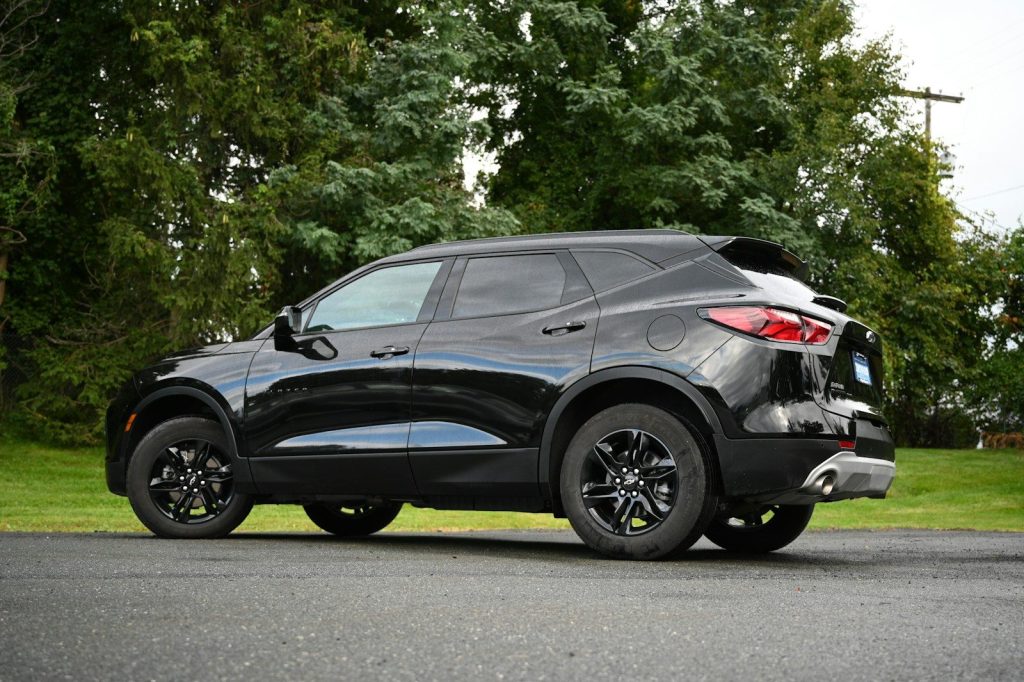
A stylish SUV can make a great first impression, but appearances rarely reveal what ownership will cost over several years. Repair bills, maintenance needs, and depreciation often matter more than eye-catching design.
Looking beyond the showroom helps shoppers spend smarter. Researching reliability and ownership history before buying can prevent expensive mistakes that reduce the value of what first seemed like a bargain.
Luxury Features Often Mean Pricier Repairs
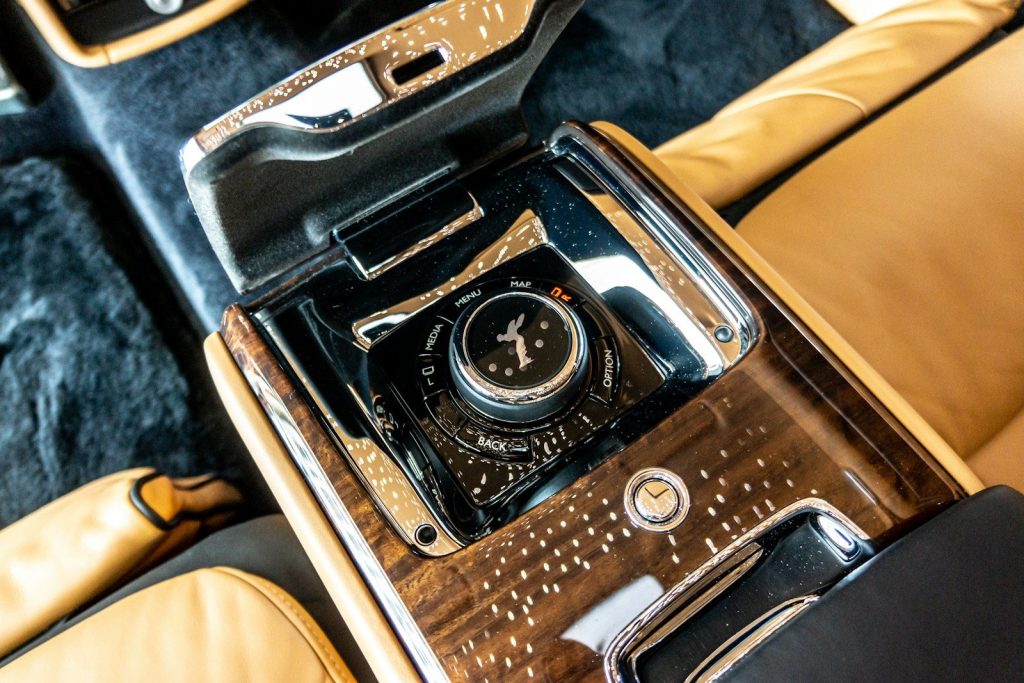
Premium technology and upscale interiors can make daily driving more enjoyable, yet every extra feature introduces another part that may eventually need attention.
Replacement electronics, advanced sensors, and specialized components often cost more than many buyers expect. Choosing only the features you truly use can lower future repair expenses without sacrificing comfort.
Reliability Should Outweigh Popularity
A popular SUV is not automatically the smartest purchase. Some well-known models earn attention through marketing while quietly developing a history of mechanical issues.
Checking long-term owner experiences instead of focusing only on early reviews can reveal patterns that help you avoid vehicles with recurring problems.
Depreciation Can Cost More Than Repairs
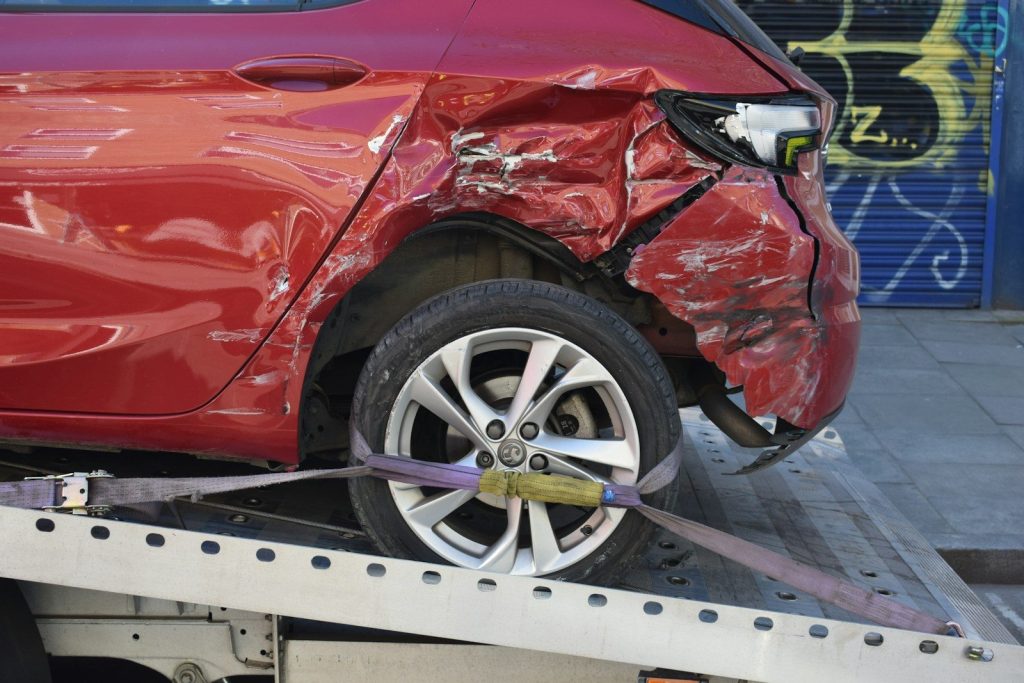
Some SUVs lose value much faster than others. Even if repair costs stay manageable, rapid depreciation can leave owners with far less trade-in value than expected.
Models with stronger resale value often save money over time because they retain more of your investment when it is time to upgrade.
Bigger Does Not Always Mean Better
Large SUVs offer impressive cargo space and passenger room, but they also tend to consume more fuel and require more expensive tires and maintenance.
Choosing a vehicle that truly fits your daily routine can reduce ongoing expenses while still providing the practicality most families need.
Pay Attention to Common Trouble Areas
Every vehicle has strengths and weaknesses. Some SUVs become known for transmission issues, electrical faults, or engine problems that appear after years of regular use.
Reading service histories and reliability reports before buying gives you a clearer picture of what ownership may actually look like beyond the test drive.
Used Does Not Always Mean Affordable
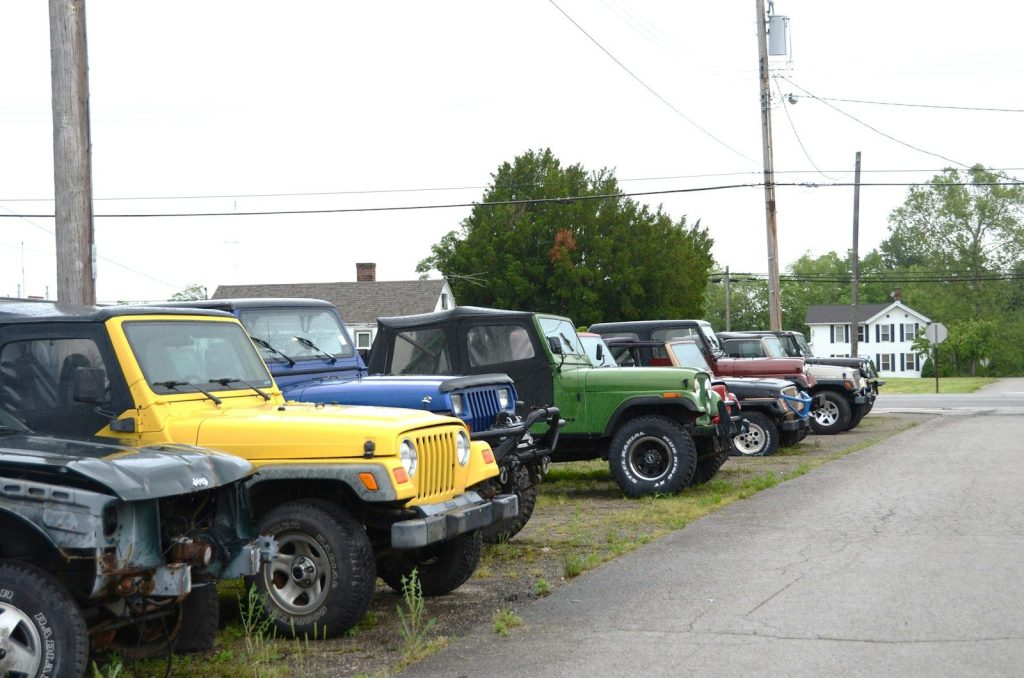
A lower purchase price can be appealing, but older SUVs with questionable maintenance records may quickly erase any upfront savings through unexpected repairs.
Spending a little more on a well-maintained example often proves to be the better value over the long run because fewer surprise expenses appear.
Smart Buyers Think Beyond the Sticker Price
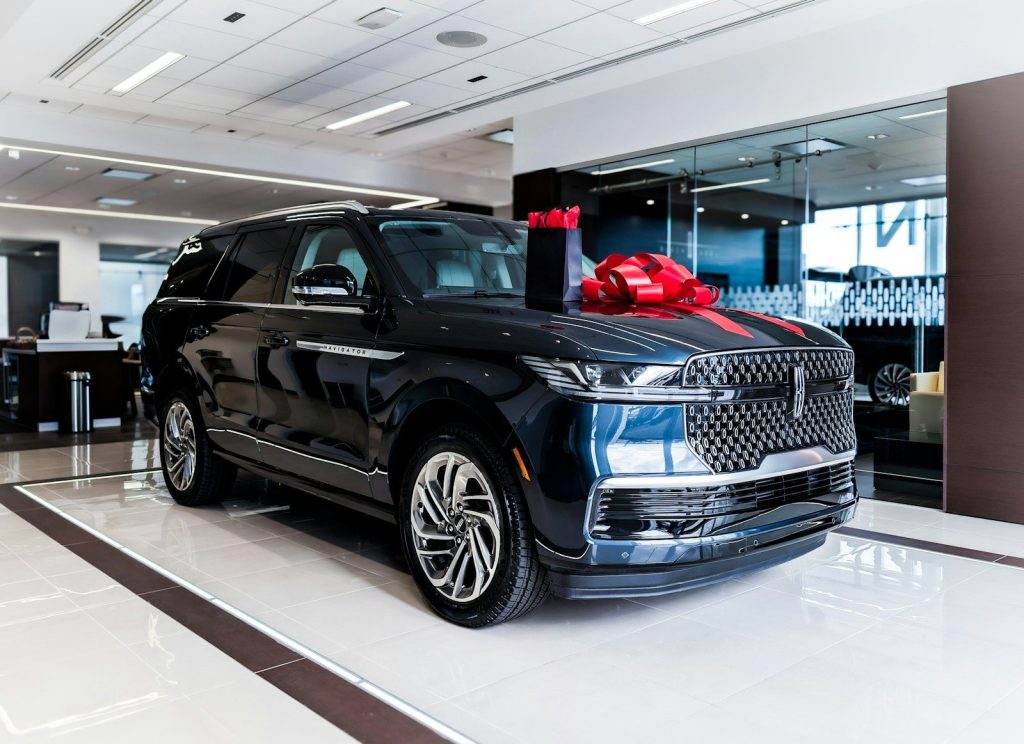
The best SUV is not always the newest or the most luxurious. It is the one that delivers dependable transportation without creating unnecessary repair costs year after year.
Taking time to compare reliability, maintenance history, and resale value helps stretch every dollar. A careful purchase today can save significant money and frustration long after you leave the dealership.