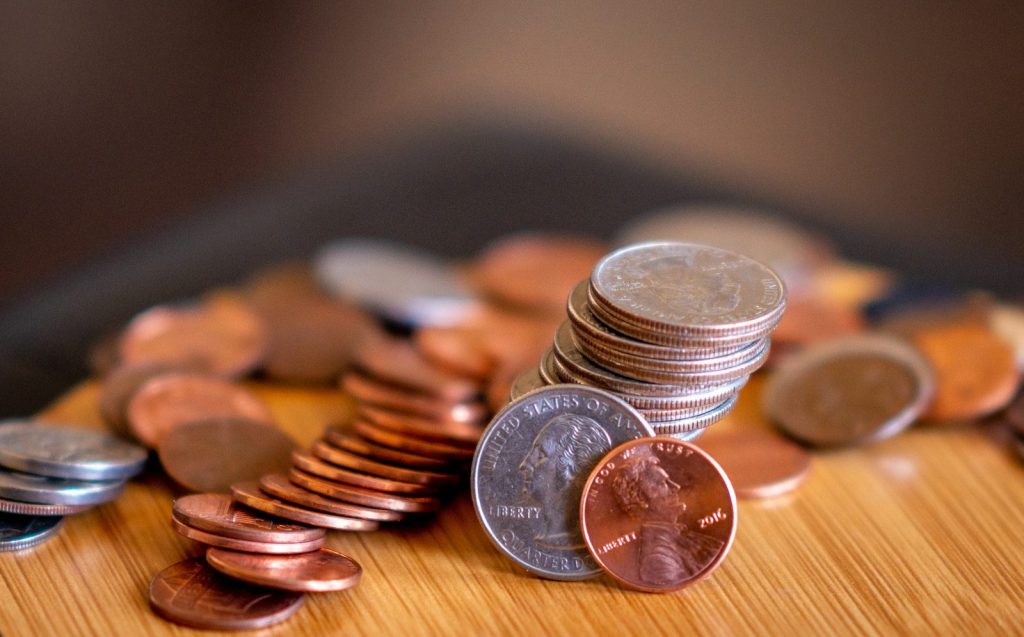

That forgotten coin jar on a shelf might be more interesting than you think. While most pennies are only worth one cent, a handful from the last century have become favorites among collectors because of their rarity and unusual history.
Checking old coins takes only a few minutes, and it costs nothing to look. Even if you never uncover a fortune, learning what makes certain pennies valuable can help you avoid spending a collectible coin by mistake.
Why Some Pennies Stand Out
Not every old penny is valuable. Age helps, but rarity, condition, and unusual production details often matter much more than the date alone.
Before cashing in loose change, look closely at the year and any mint mark. A careful inspection could save you from unknowingly spending a coin that collectors actively seek.
The 1914 San Francisco Penny
One early Lincoln cent from San Francisco has become a favorite among collectors because far fewer were made than many other pennies from the era.
Well-preserved examples can command impressive prices, making this one worth a second look if it appears in an inherited collection or old coin album.
The Famous 1922 Coin Without Its Mint Mark
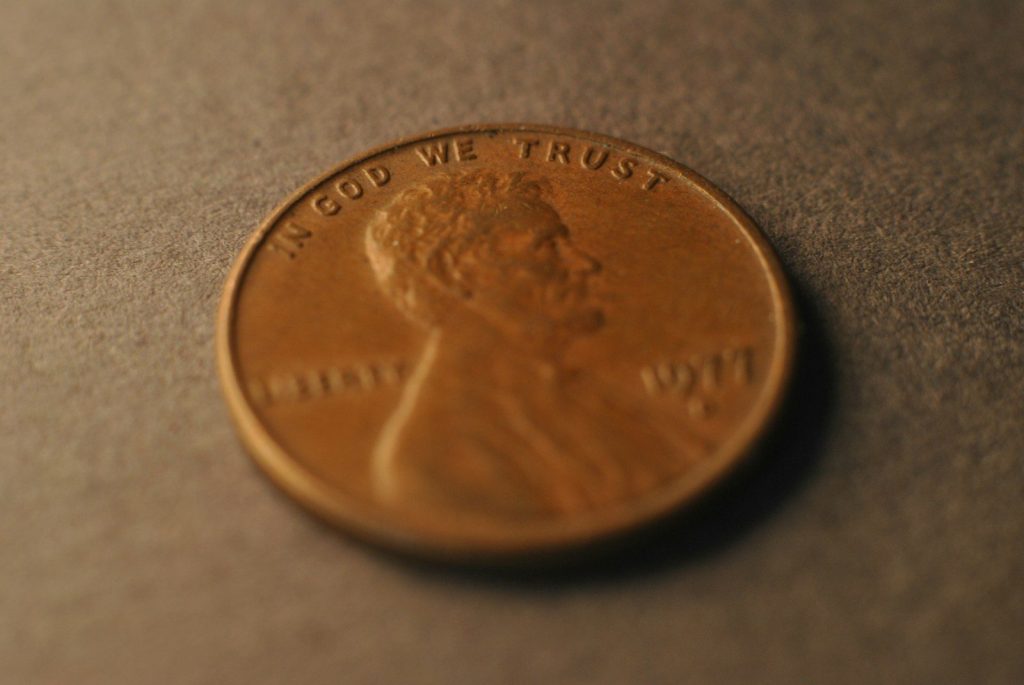
Sometimes what is missing creates the value. A small number of 1922 pennies were struck without the expected mint mark because of production issues.
That tiny detail separates an ordinary coin from one that collectors eagerly search for. Learning these differences can prevent costly mistakes.
A Wheat Penny Worth Checking
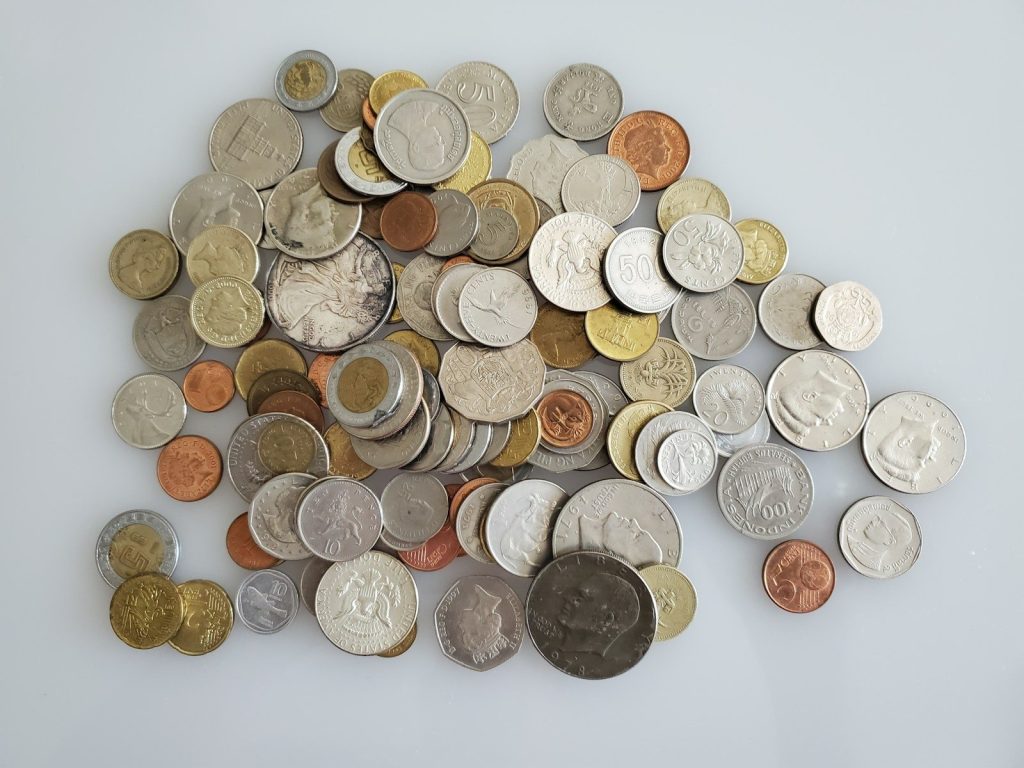
The 1924 San Francisco wheat penny is another reminder that low production numbers often attract collector attention.
Many circulated examples remain modest in value, but cleaner coins with stronger color and detail can be worth much more than pocket change.
The Wartime Penny Surprise
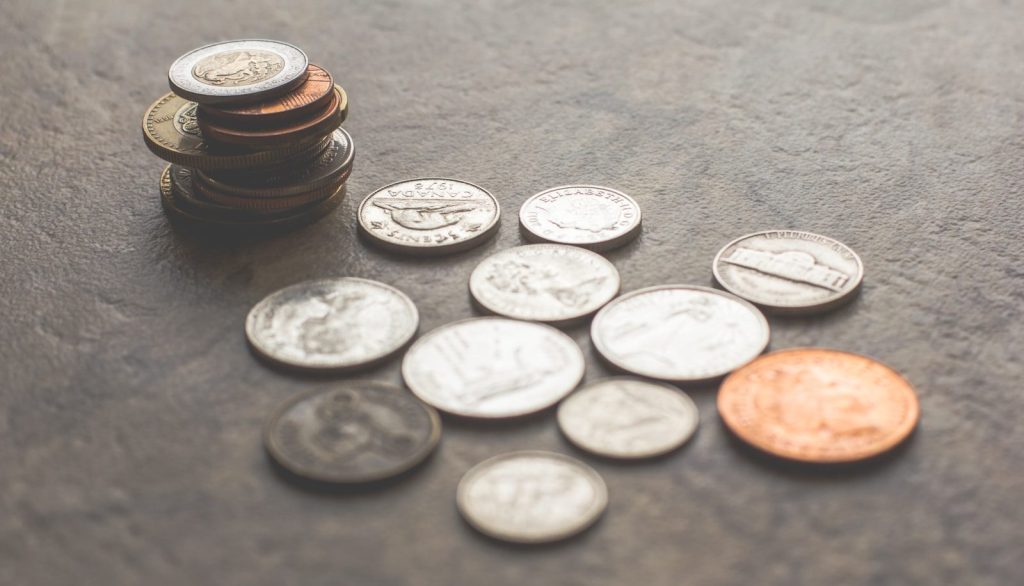
During World War Two, the United States changed penny materials to conserve copper for the war effort.
A few bronze pieces were accidentally produced, creating one of the best-known modern coin rarities. Those mistakes have sold for remarkable amounts.
When Steel Stayed Too Long
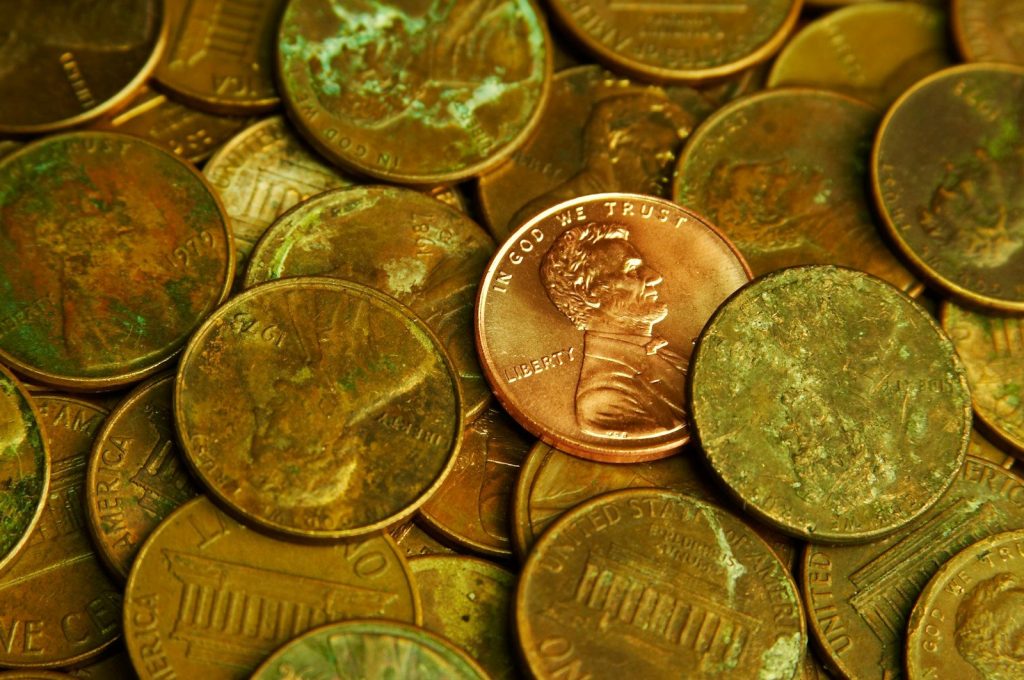
The following year brought another unusual mistake. A small number of pennies were struck on leftover steel blanks instead of the intended copper.
These uncommon coins remind collectors that manufacturing changes sometimes create unexpected treasures hidden in everyday currency.
Look Closely at the Lettering
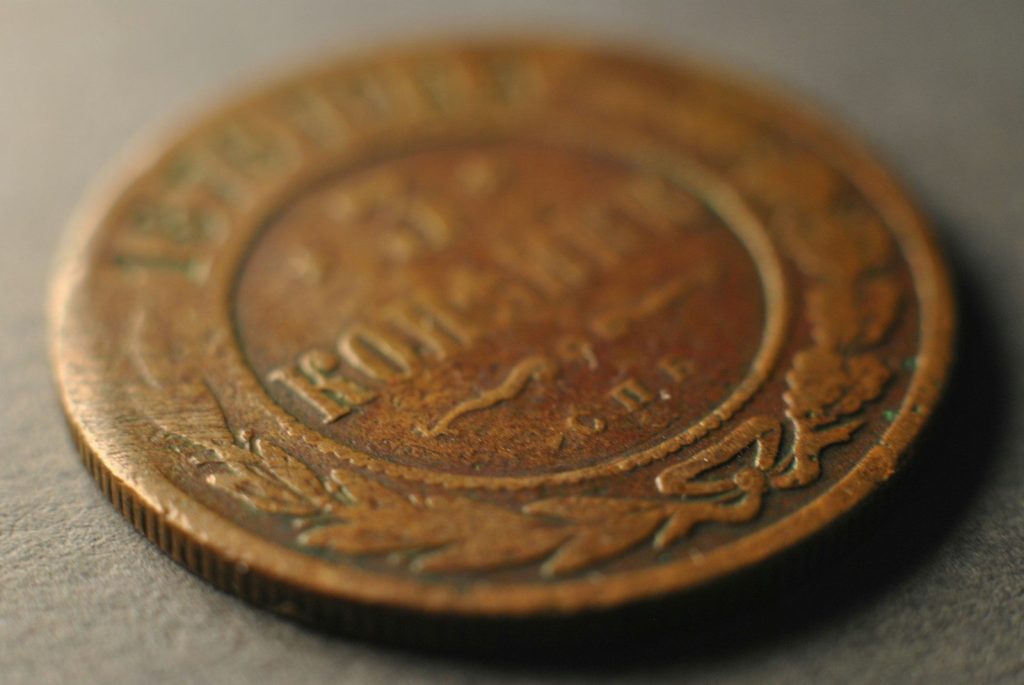
Some valuable pennies are identified by doubled lettering or numbers that appear slightly repeated on the front of the coin.
Magnification and good lighting can reveal details that are easy to miss. Careful observation costs nothing and may uncover an overlooked collectible.
Smart Habits Before You Spend Old Coins
If an older penny catches your eye, avoid cleaning it. Collectors generally prefer coins with their original surfaces because cleaning can reduce value.
Store unusual finds safely and compare them with trusted coin references before making decisions. A few minutes of research could preserve both history and potential value.