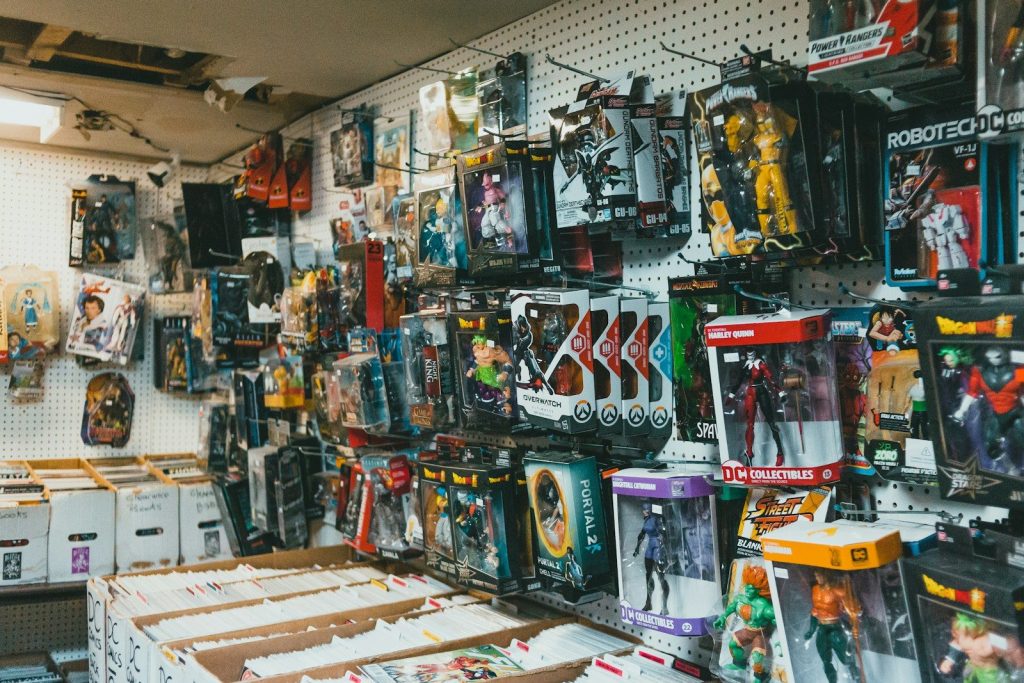

There was a time when certain stores felt permanent. You’d pass them in every strip mall, every downtown block, every regional shopping center from New Jersey to Nevada. Their logos were part of the visual furniture of American life.
Then, one by one, they closed. Some collapsed quickly; others dragged on for years before the last location finally shut its doors. By 2026, several names that once moved billions of dollars in merchandise exist only as memories and the occasional Reddit nostalgia thread.
1. Sears
Sears was the Amazon of its era. Long before online shopping, Americans ordered refrigerators, clothing, and even entire prefabricated houses from its catalog. At its peak in the 1970s, Sears was the largest retailer in the United States.
The decline was slow and then catastrophic. Mismanagement, debt from its merger with Kmart, and a failure to modernize gutted the company over two decades. The last meaningful cluster of locations closed well before 2026, leaving behind empty anchor spaces that shopping malls still haven’t figured out how to fill.
2. Toys “R” Us
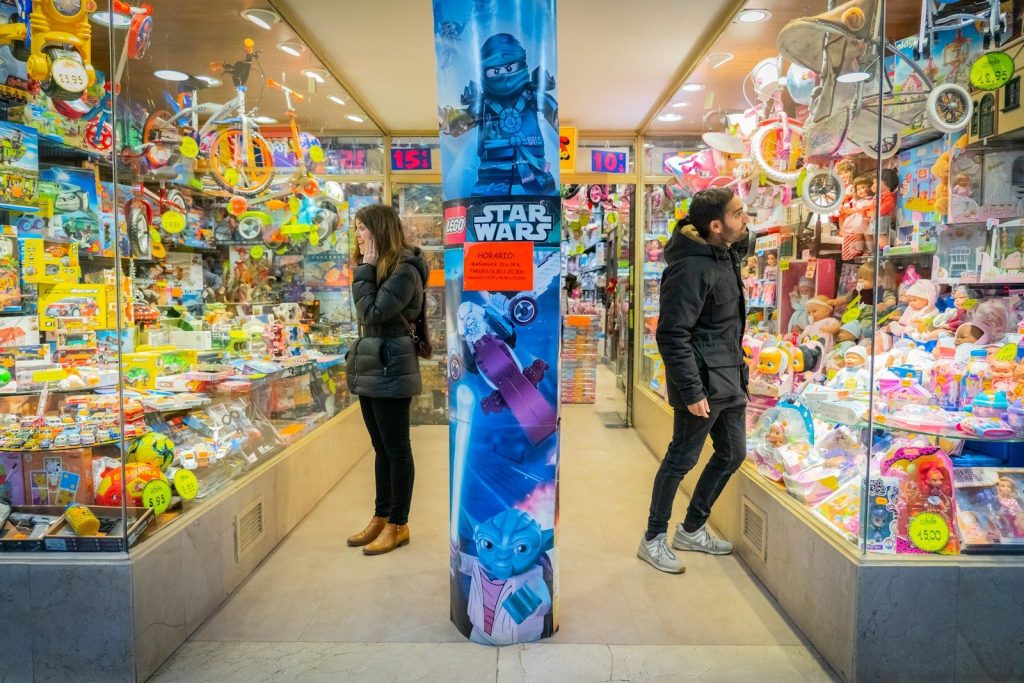
The giraffe mascot, the jingle, the sheer overwhelming size of those stores. Toys “R” Us had something no online retailer can fully replicate: the physical experience of being a child surrounded by every toy imaginable. Private equity debt following a 2005 leveraged buyout strangled its ability to invest in e-commerce.
It filed for bankruptcy in 2017 and closed its U.S. stores in 2018. Attempts at revival through small boutique formats never caught traction. The brand is technically still licensed, but the stores are gone.
3. Bed Bath & Beyond

Few retailers had a more recognizable piece of marketing than the Bed Bath & Beyond coupon. Customers held onto those blue mailers for years. The stores themselves were sprawling and sometimes overwhelming, stacked floor to ceiling with housewares and linens.
Years of declining foot traffic, poor inventory decisions, and a failed attempt to pivot toward private-label brands pushed the company into bankruptcy in 2023. The name was acquired and relaunched as an online-only retailer, which means the physical stores are finished.
4. Tuesday Morning
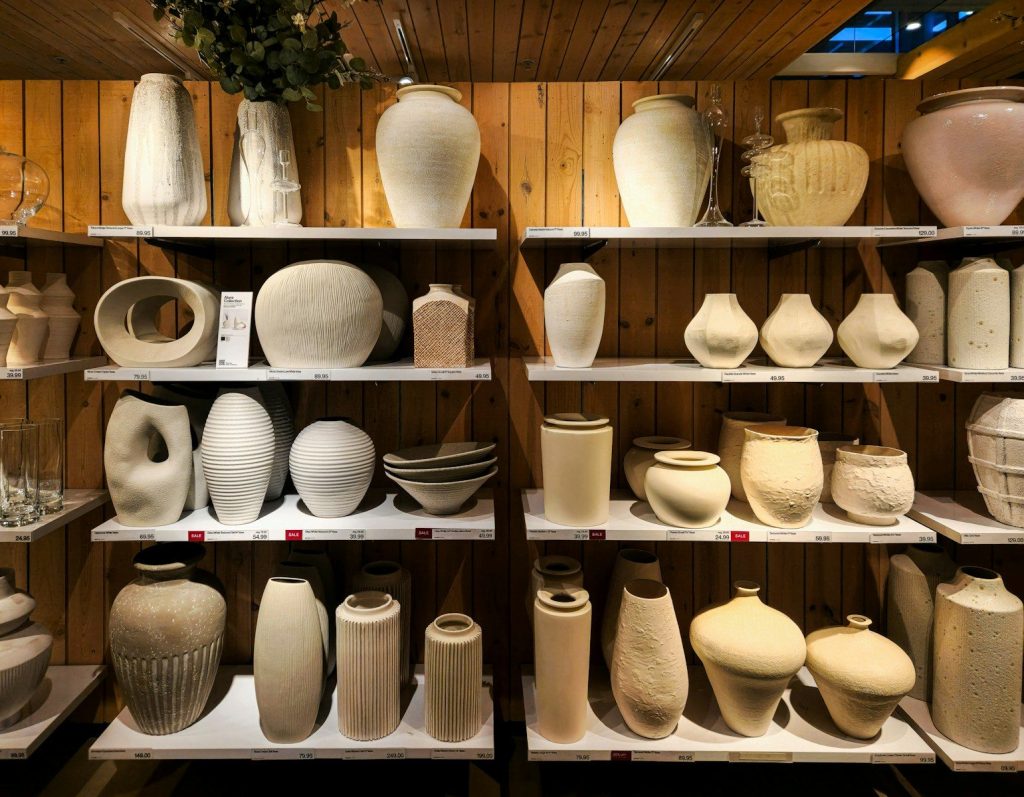
Tuesday Morning occupied a specific niche: deeply discounted home goods, gifts, and décor sold out of locations that felt perpetually mid-reorganization. It had a loyal customer base, particularly among older shoppers who appreciated the treasure-hunt format.
The company filed for bankruptcy twice, in 2020 and again in 2023, the second time without recovery. All stores closed by early 2024. The off-price retail model it relied on has largely been absorbed by TJ Maxx and HomeGoods, which execute it with far more consistency.
5. Christmas Tree Shops

Christmas Tree Shops was never just a Christmas store. It sold snacks, garden furniture, kitchen supplies, and random closeout merchandise year-round. The chain had a devoted following in the Northeast, where most of its locations were concentrated.
Parent company Bed Bath & Beyond’s collapse took Christmas Tree Shops down with it. After a brief sale attempt, the chain liquidated in 2023. For shoppers in coastal New England, the closures carried a particular sting.
6. Party City
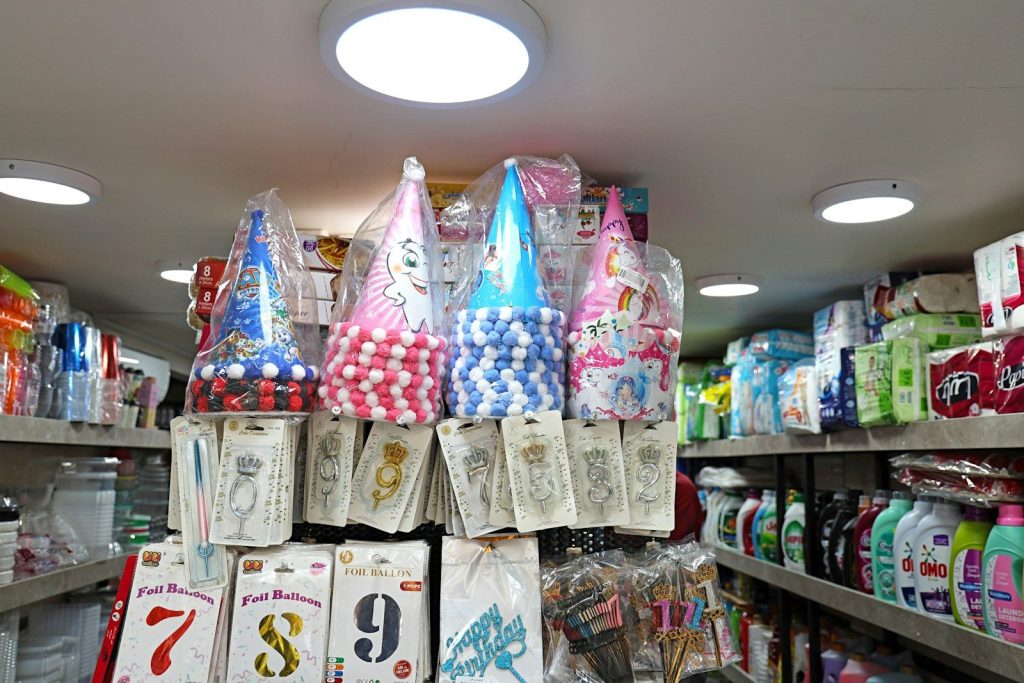
Party City seemed recession-proof. Birthdays, holidays, and graduations keep happening regardless of the economy. Turns out, a company can still be run into the ground. Helium supply shortages, rising costs, and online competition from Amazon eroded margins for years.
Party City filed for bankruptcy in late 2023 and closed all remaining U.S. locations by early 2024. Spirit Halloween, which leased Party City spaces seasonally for years, briefly considered permanent locations to fill the void.
7. Pier 1 Imports
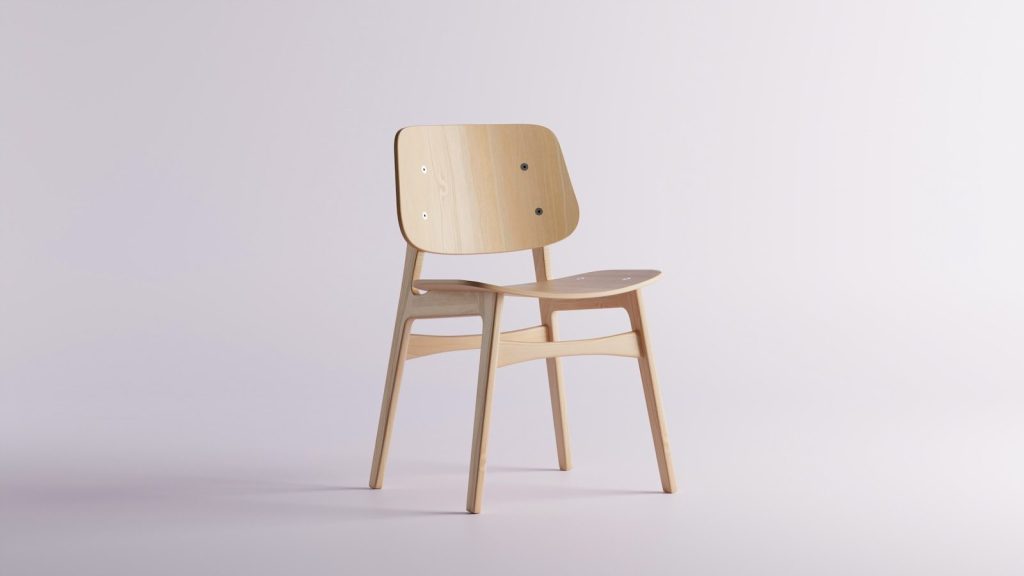
Pier 1 Imports sold a specific vision of home decoration: rattan chairs, scented candles, colorful throw pillows, ceramic dishware from somewhere vaguely global. It had over 900 locations in North America before the decline set in.
Online competitors undercut its prices, and its in-store experience never adapted. The company filed for bankruptcy in 2020 and closed completely. Some of its product lines were acquired and are sold through third-party online platforms, stripped of the store experience that originally made the brand work.
8. Stein Mart
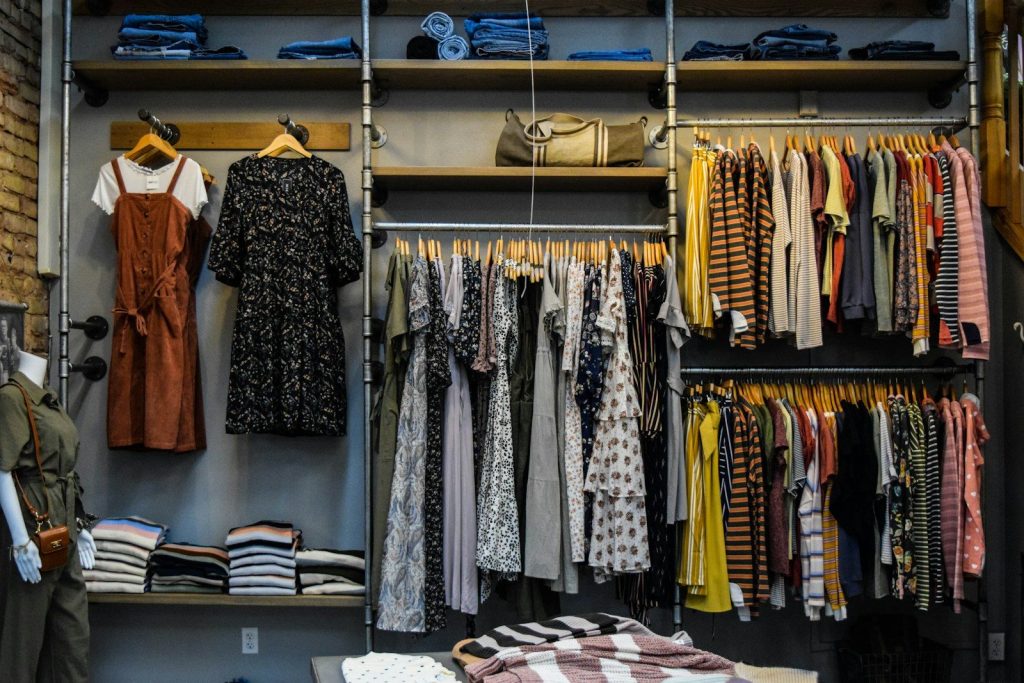
Stein Mart positioned itself between department stores and off-price retailers, offering brand-name clothing and home goods at a discount in a more upscale environment than a typical closeout shop. It operated for over a century before filing for bankruptcy in August 2020, citing pandemic conditions alongside longer-term structural problems.
All 281 stores closed that same year. Stein Mart had a particularly strong presence in the South and Southeast, and its loyal customer base, many of them older shoppers, largely shifted to Dillard’s clearance sections.
What the Empty Spaces Tell Us
The closures share a few common threads. Private equity debt, resistance to e-commerce investment, and a failure to give customers a reason to make the trip. A store has to earn the visit now. It has to offer something the phone can’t. The ones that couldn’t figure that out are the ones covered here.
Some of these closures were inevitable once the financial structures collapsed. Others could have gone differently with different leadership a decade earlier. Shopping centers across the country are still staring at the blank storefronts they left behind.