

Most people picture a heart attack as something dramatic. Clutching the chest, collapsing, sirens. But cardiologists have been saying for years that the heart rarely goes silent before it signals. The problem is that most of those signals get mistaken for something else entirely. A bad night’s sleep. Getting older. Work stress. The warning gets filed away and forgotten.
By 2026, cardiovascular disease still accounts for more deaths globally than any other cause. That hasn’t changed. What has changed is how much more doctors understand about the early window, the months or even years before something serious happens, when intervention actually works.
1. Swelling in the Legs, Ankles, or Feet

Fluid buildup in the lower limbs, called edema, can be a sign that the heart isn’t pumping efficiently. When the heart struggles to circulate blood properly, fluid leaks into surrounding tissue and pools downward due to gravity.
Not all swollen ankles point to the heart. Long flights, sodium-heavy diets, and certain medications cause it too. But swelling that keeps coming back, especially paired with fatigue or shortness of breath, deserves a conversation with a doctor rather than another pair of compression socks.
2. Shortness of Breath During Routine Activity

Climbing a flight of stairs shouldn’t leave someone gasping. If it does, and that’s a change from six months ago, the heart may be working harder than it should to meet the body’s oxygen demands.
This symptom gets attributed to being out of shape so often that people stop mentioning it to their doctors. That’s a mistake. Reduced cardiac output can cause breathlessness well before any pain shows up. Some patients with early heart failure report this as their only symptom for months.
3. Persistent Fatigue That Sleep Doesn’t Fix

There’s normal tiredness, and then there’s the kind of exhaustion where eight hours of sleep still leaves a person dragging through the afternoon. The heart pumps oxygen-rich blood to every organ, including the brain. When that supply drops, fatigue follows.
Women are more likely than men to report fatigue as a primary symptom before a cardiac event, according to research published in the past decade. It tends to get dismissed as stress or hormonal changes, which delays diagnosis. Fatigue alone doesn’t confirm anything, but fatigue alongside other entries on this list raises the probability considerably.
4. Heart Palpitations
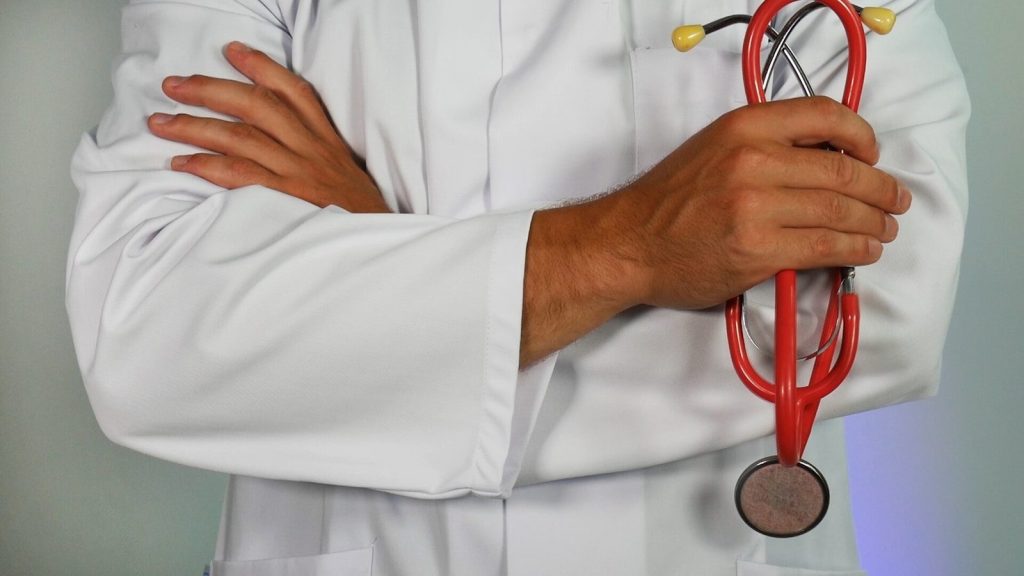
A fluttering, racing, or skipped-beat sensation in the chest is something most people experience occasionally. A strong cup of coffee, a stressful meeting, or too little sleep can trigger it. One-off palpitations are rarely a concern.
Palpitations that happen regularly, last more than a few minutes, or come with dizziness or chest discomfort are a different matter. Atrial fibrillation, one of the most common heart rhythm disorders, often announces itself exactly this way. Left unmanaged, AFib significantly raises stroke risk.
5. Dizziness or Lightheadedness

Standing up too quickly causes a brief head rush for many people. That’s usually a blood pressure thing and resolves in seconds. Dizziness that strikes without a positional trigger, or that arrives alongside chest tightness, is worth taking more seriously.
The heart controls blood pressure through the force and rhythm of its contractions. When either is off, the brain may not receive adequate blood flow, producing that unsteady, about-to-faint sensation. It’s not always dramatic. Sometimes it just feels like a bad few seconds that keeps happening.
6. Jaw, Neck, or Upper Back Discomfort

Pain doesn’t always stay where the problem is. Cardiac pain frequently radiates because the nerves supplying the heart share pathways with nerves from the jaw, neck, shoulders, and upper back. Someone with a partially blocked artery might feel an ache in their left jaw and assume it’s dental.
This referred pain pattern has led to missed diagnoses and delayed treatment more times than cardiologists care to count. If jaw or neck discomfort comes on during exertion and eases with rest, that pattern alone warrants an evaluation.
7. A Cough That Won’t Quit
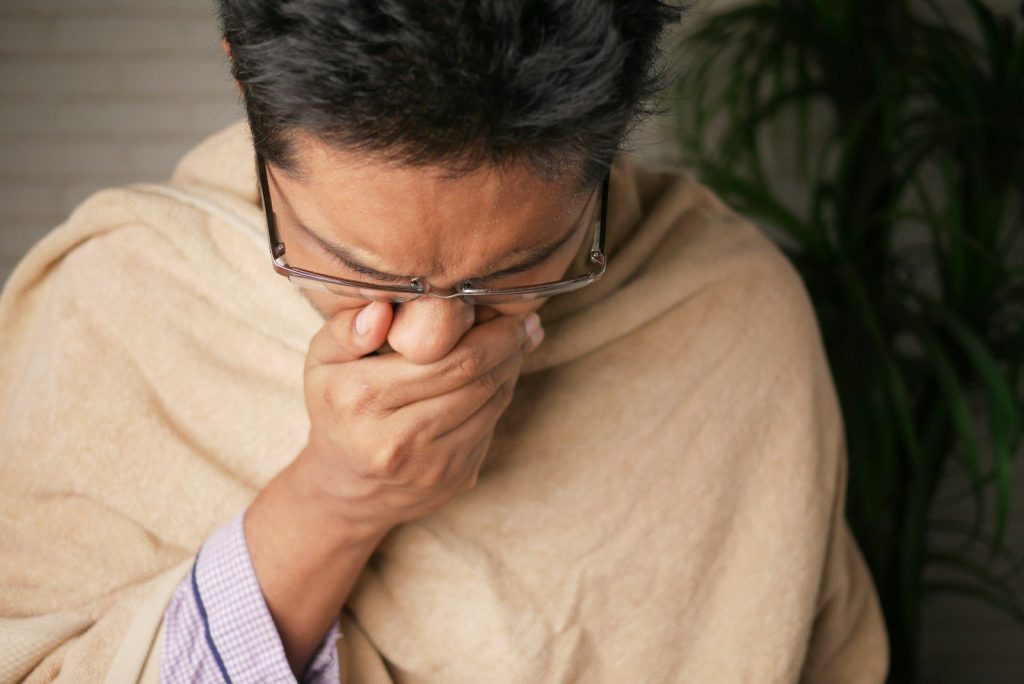
A lingering dry cough, especially one that worsens when lying down, can be a sign of fluid accumulating in the lungs due to poor heart function. This is associated with early heart failure and often gets treated as a respiratory issue for weeks before anyone looks at the heart.
The cough happens because the left side of the heart, when weakened, allows pressure to build in the pulmonary veins. That pressure forces fluid into lung tissue, irritating airways. Sleeping with an extra pillow to prop up and breathe more easily is something many people do without realizing they’re compensating for cardiac congestion.
8. Unusual Sweating Without Exertion
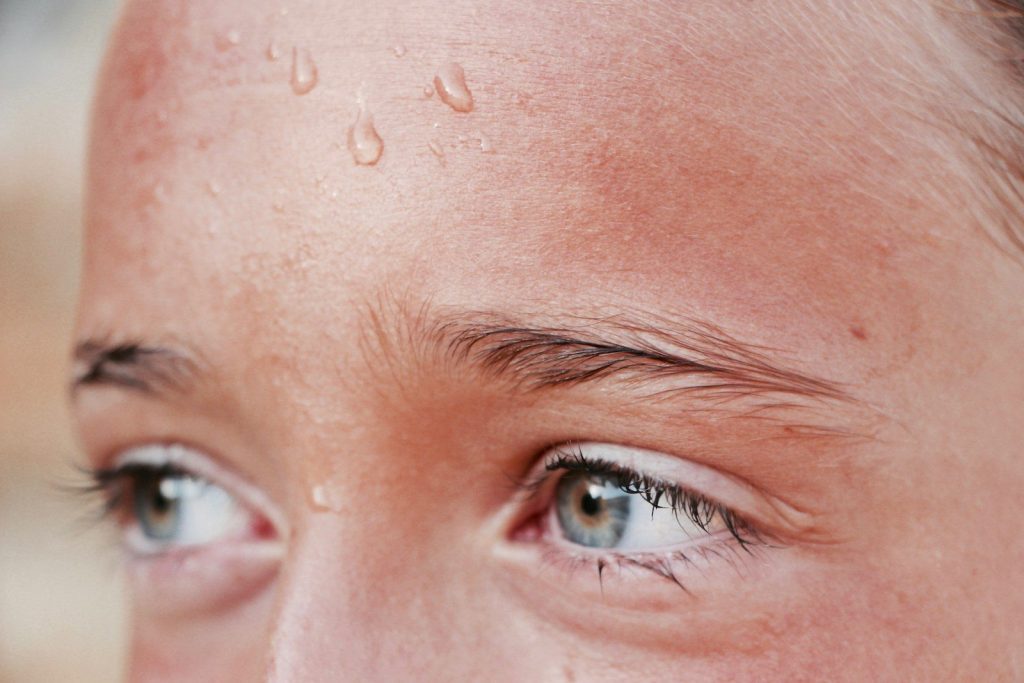
Breaking into a cold sweat while sitting still, especially accompanied by chest pressure or nausea, is one of the classic unreported warning signs. The body activates its stress response when the heart is under strain, and that includes the sweat glands.
Women again tend to experience this symptom more than men during cardiac events, and it frequently gets attributed to anxiety or menopause. That misattribution has real consequences. Cold, clammy sweating for no clear reason should be treated as a potential red flag rather than something to push through.
Not A Confirmation

None of these symptoms confirm heart disease on their own. A racing heartbeat after too much caffeine and a racing heartbeat during a heart attack can feel identical to the person experiencing them. The difference is context: how often it’s happening, what else is happening alongside it, and whether the pattern is new.
The cardiovascular system gives signals. They tend to arrive quietly and get explained away until they can’t be anymore. Getting an EKG, a blood pressure check, or basic bloodwork costs far less, in time and money, than the alternative. If something in this list felt familiar, that recognition is reason enough to make an appointment.