

Old phones, tablets, laptops, and smartwatches often end up forgotten in drawers long after they stop being part of your daily routine. Many of these devices still have value that can help lower the cost of your next upgrade.
Trading in technology is not just about convenience. A little preparation can increase your return, reduce electronic waste, and help you get more from products you already own.
Check your device before replacing it
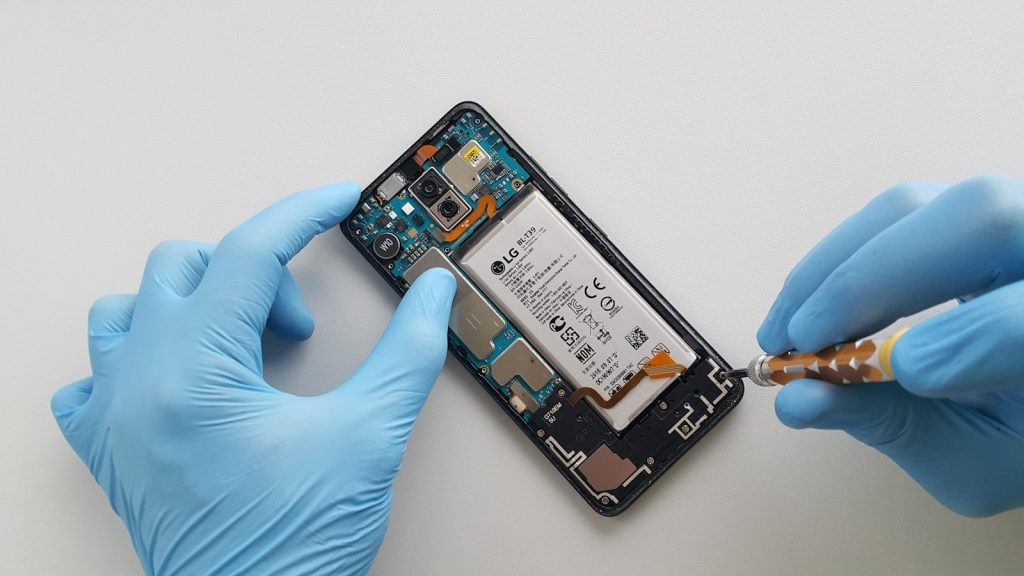
Many people buy a new device without knowing what their current one is worth. Looking up trade-in values before shopping gives you a better idea of how much you can save on your next purchase.
Comparing offers from different retailers can make a noticeable difference. Spending a few extra minutes researching may result in a higher credit or gift card.
Keep devices in good condition
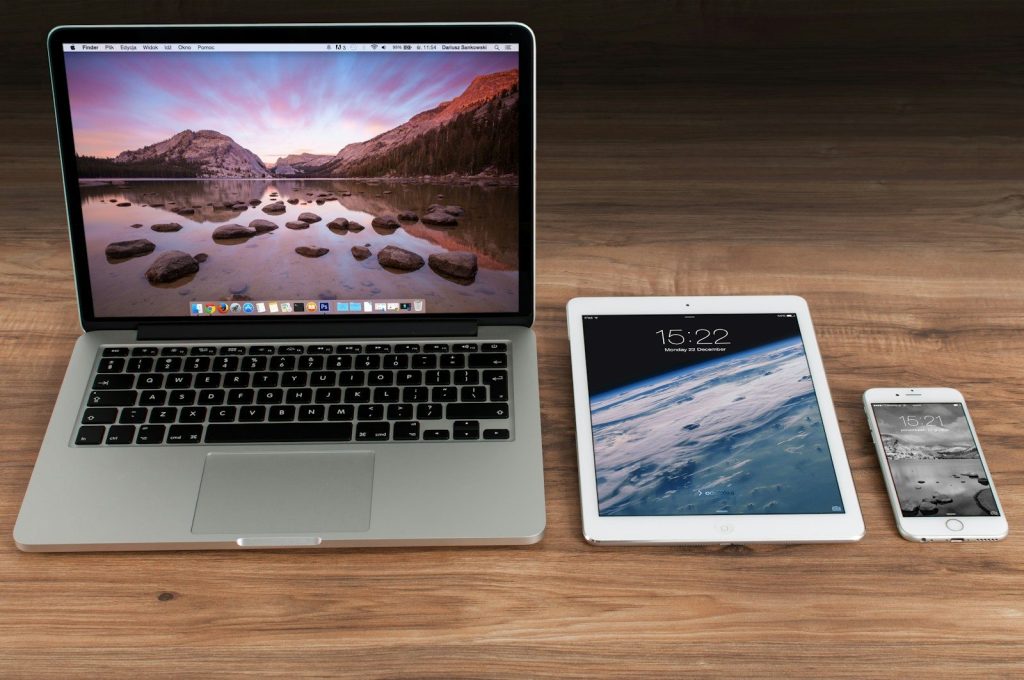
A phone or laptop with fewer scratches and a healthy battery often receives a better trade-in value. Using protective cases and screen protectors from the beginning helps preserve both appearance and performance.
Regular cleaning also makes a positive impression during inspections. A well-cared-for device often looks newer than its actual age.
Save the original accessories
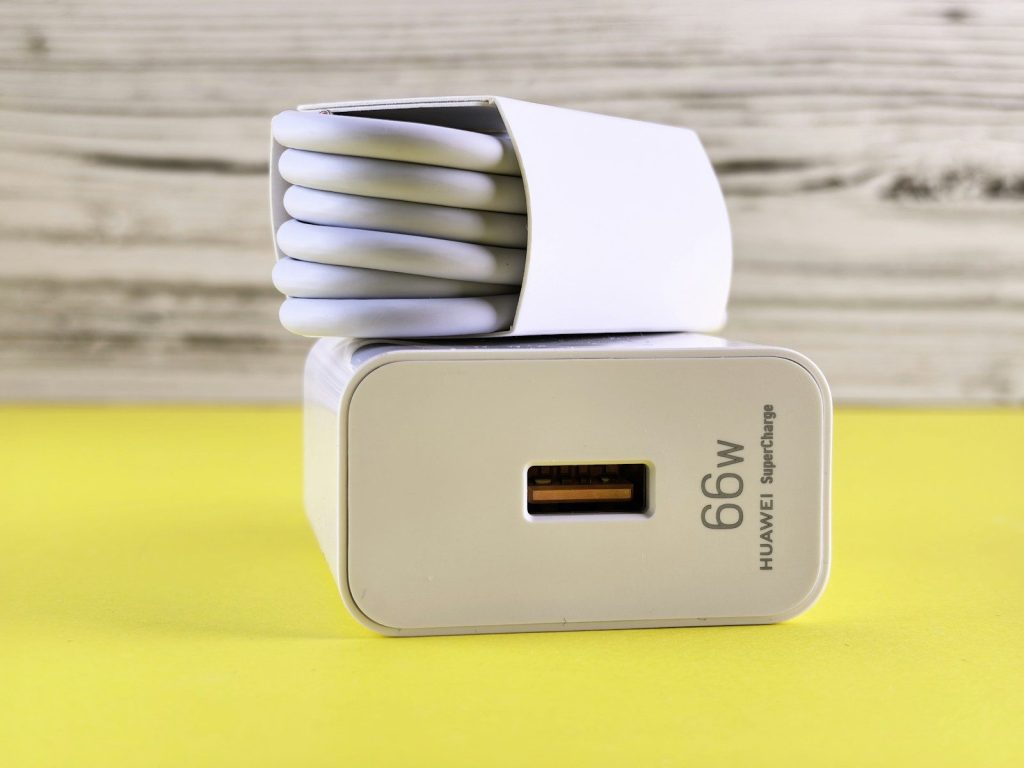
Original chargers, cables, and packaging can sometimes improve the appeal of your trade-in. Even when they do not increase the official value, they may make your device more attractive to certain buyers or programs.
Store accessories together in one place after opening a new device. This simple habit makes everything easier to find when it is time to upgrade.
Back up your information first
Before trading in any device, save your photos, contacts, documents, and other important files. Creating a complete backup protects your memories and prevents accidental data loss.
Once everything is safely stored, erase the device completely before handing it over. Protecting your personal information should always come before completing a trade.
Compare trade-in with selling privately

Trade-in programs offer speed and convenience, but they are not always the most profitable option. Selling directly to another buyer may provide a higher return if you are willing to spend more time.
Consider both choices before making a decision. The right option depends on how much convenience matters compared to earning extra money.
Trade in before values drop
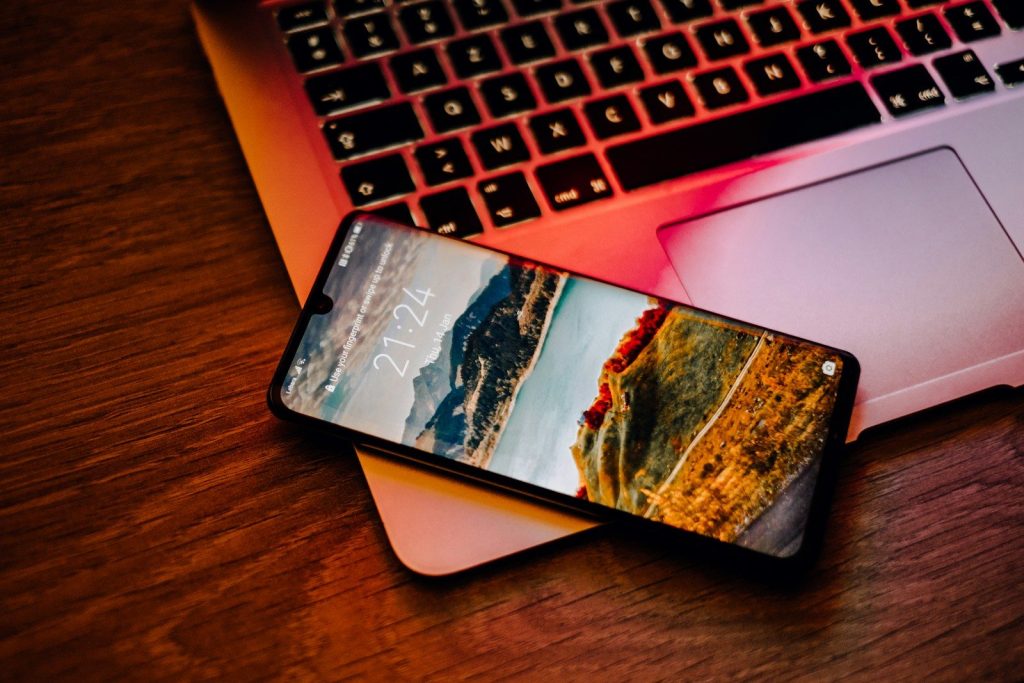
Technology loses value as newer models arrive. Waiting too long can reduce the amount you receive, even if your device remains in excellent condition.
Planning your upgrade around new product releases can help you maximize your return. Acting a little earlier often produces better results than waiting until demand falls.
Recycle devices with no trade value
Some older electronics may no longer qualify for trade-in programs, but they should not end up in the trash. Many retailers and community recycling programs accept outdated technology for responsible disposal.
Recycling helps recover valuable materials while keeping harmful waste out of landfills. It is a practical choice for both your home and the environment.
Make every upgrade work harder for your budget
Trading in technology is one of the simplest ways to reduce the cost of replacing everyday devices. A few smart habits before upgrading can turn unused electronics into meaningful savings.
The next time you consider buying new technology, look at what you already own first. Getting value from existing devices is often the easiest way to spend less while creating less waste.
Featured Image: Photo by Hryshchyshen Serhii on Shutterstock