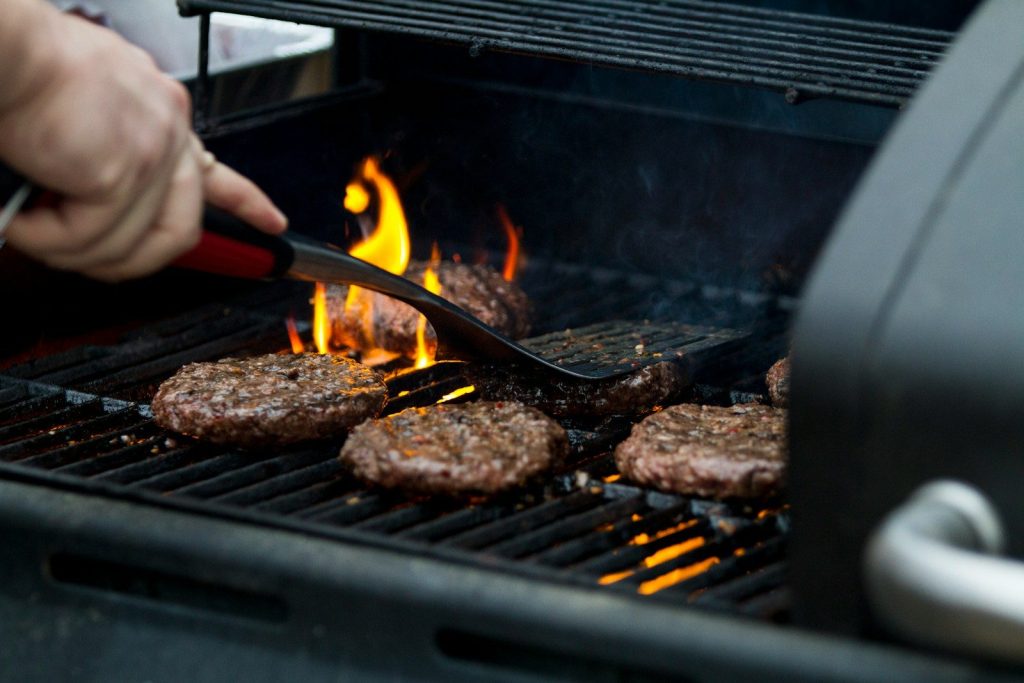

Nothing brings people together quite like a backyard cookout, but great grilling is about more than lighting the fire. A few thoughtful habits can make meals taste better, reduce common mistakes, and help you get the most from every ingredient you buy.
The best part is that these improvements do not require expensive equipment or professional training. Small changes in the way you prepare, cook, and serve food can make every grilling session easier while helping you stretch your grocery budget.
Give Your Grill Time to Fully Heat
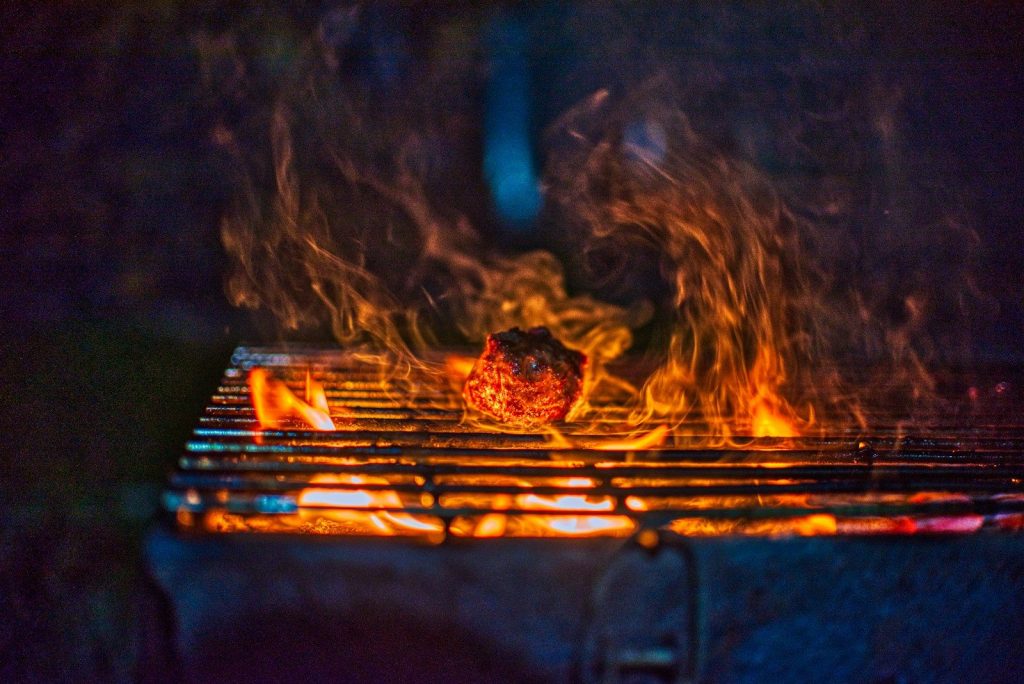
Many people place food on the grill too soon, but a fully heated cooking surface creates better results from the very beginning. Proper heat helps food cook evenly and reduces the chance of sticking, especially with delicate proteins.
Waiting just a few extra minutes can save both time and money. Food that cooks the first time correctly is less likely to burn or fall apart, which means fewer wasted ingredients and a more enjoyable meal.
Build More Than One Heat Zone
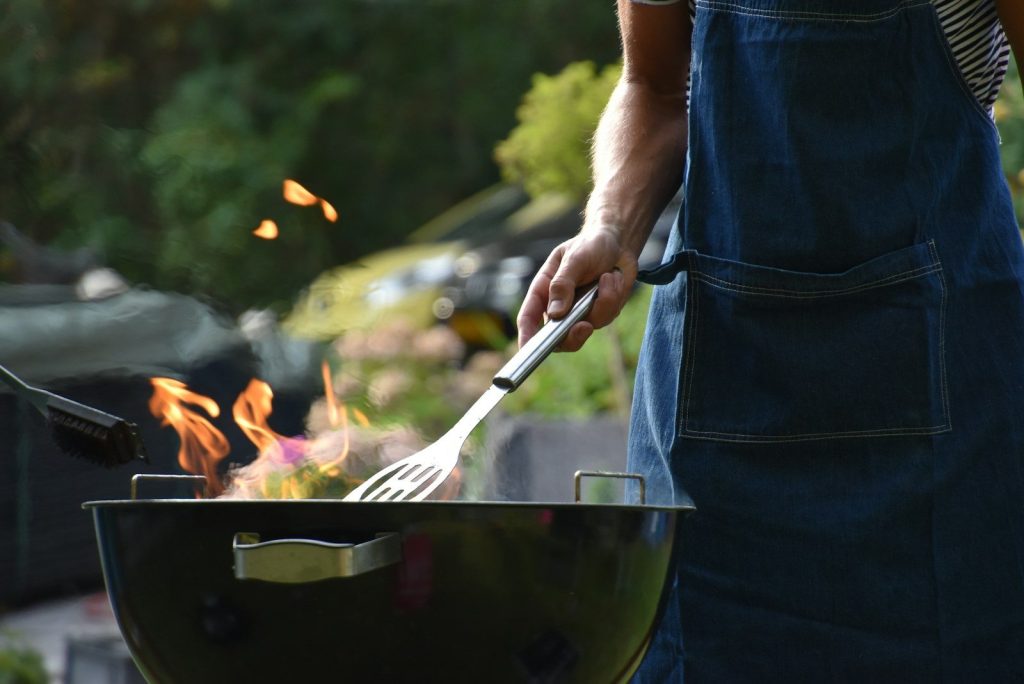
A grill does not need to stay at one temperature across the entire surface. Creating one hotter area and one cooler area gives you flexibility as different foods cook at different speeds.
This simple technique allows thicker cuts to finish without burning while seafood and vegetables cook more gently. It also makes it easier to rescue food that begins cooking faster than expected instead of throwing it away.
Think About Thickness Instead of Size
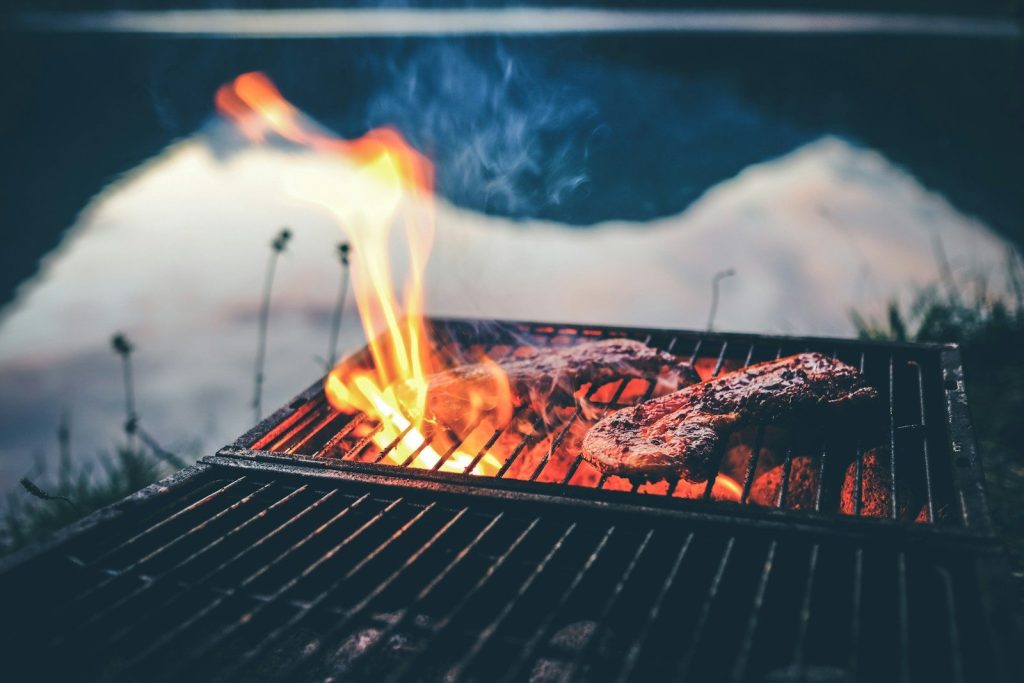
Two pieces of meat may look similar, but thickness often determines how quickly they cook. Paying attention to this detail helps avoid serving one piece perfectly while another becomes dry.
Grouping foods with similar thickness keeps everything on a similar cooking schedule. That means less stress during busy cookouts and fewer leftovers that nobody wants because they were overcooked.
Let Food Release Naturally
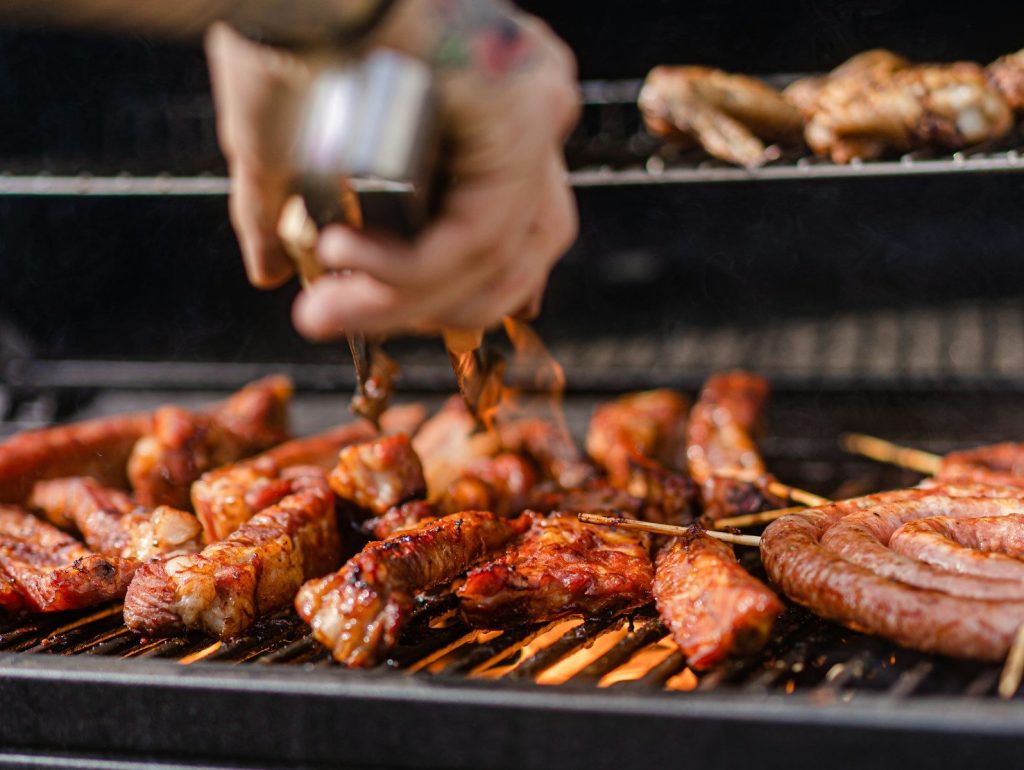
One common mistake is trying to flip food before it is ready. When meat or seafood develops a proper crust, it usually releases from the grill with very little effort.
Resisting the urge to move food constantly creates richer flavor and a better appearance. It also helps delicate foods stay together, making every serving look more appealing when it reaches the table.
A Thermometer Takes Away the Guesswork
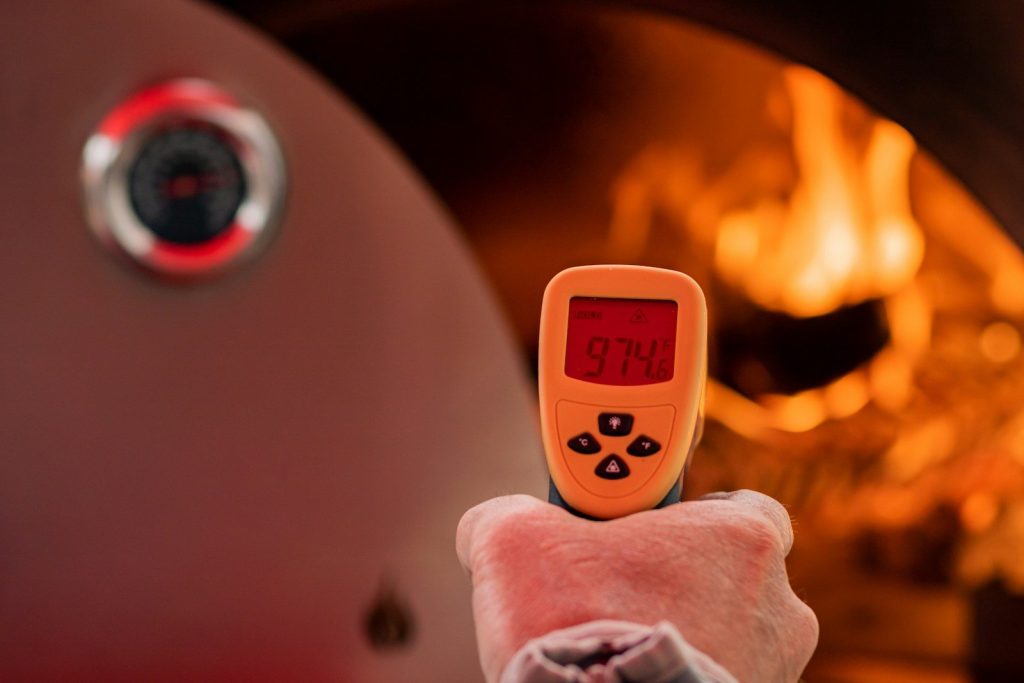
Even experienced cooks cannot always judge doneness by appearance alone. A food thermometer gives clear answers and helps prevent both undercooked and overcooked meals.
This small kitchen tool is an affordable investment that protects expensive groceries. Cooking food correctly the first time means less waste and more confidence every time you prepare a backyard meal.
Resting Makes Every Bite Better
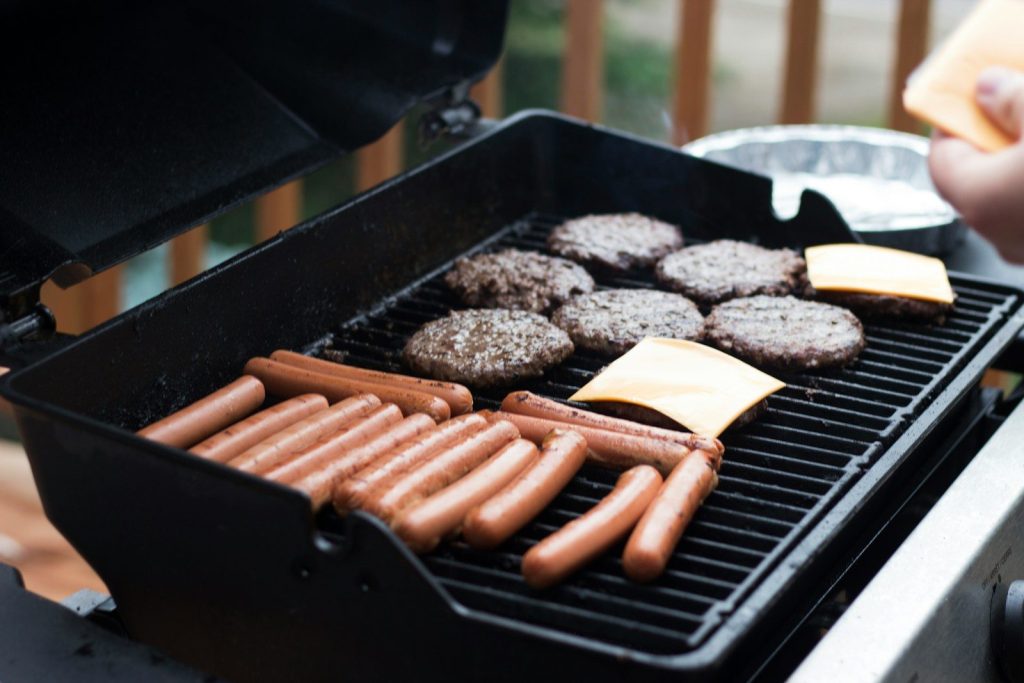
Once food leaves the grill, it still needs a few quiet minutes before slicing. Resting allows the juices to settle throughout the meat, creating a more satisfying texture.
That simple pause also benefits leftovers. Moist slices stay enjoyable for sandwiches, salads, or another dinner, helping your grocery purchases stretch beyond a single meal.
Seafood Rewards Gentle Cooking
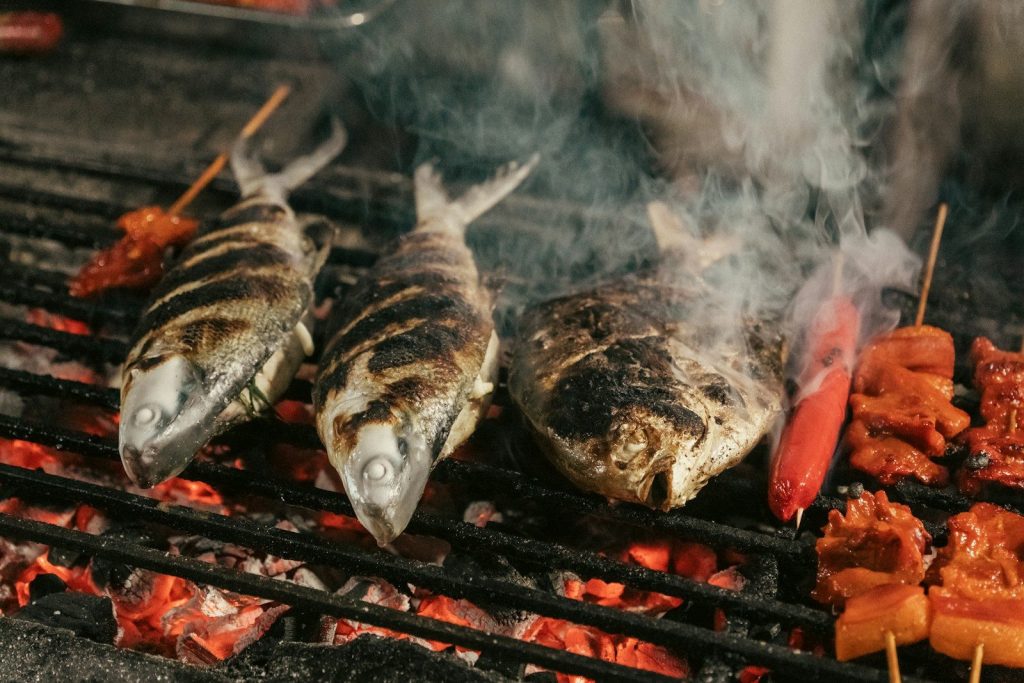
Fish and shellfish usually cook much faster than beef or pork, so careful attention makes a noticeable difference. Moderate heat helps preserve tenderness without drying out delicate flesh.
Using a grill basket or keeping the cooking grate clean adds extra support for fragile pieces. Less sticking means less breakage, making every portion easier to serve and reducing unnecessary waste.
Small Habits Create Better Cookouts
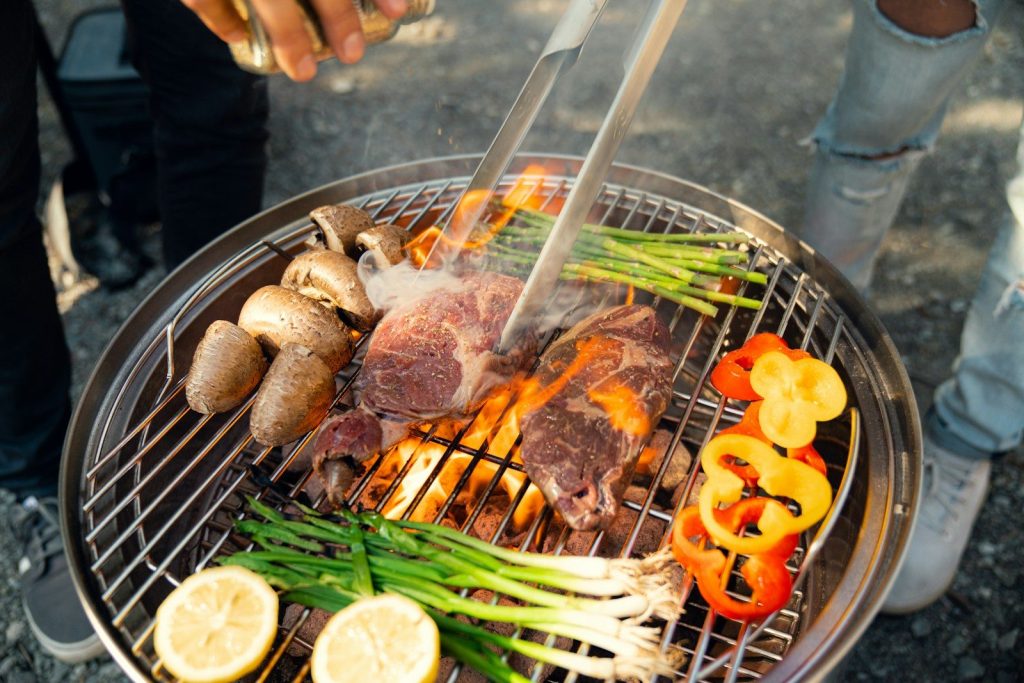
The secret to memorable grilling is not expensive equipment or complicated recipes. Consistent preparation, thoughtful timing, and simple cooking habits often deliver the biggest improvements.
Every successful meal saves more than just money. It saves time, reduces frustration, cuts food waste, and helps you enjoy gatherings with family and friends knowing every ingredient has been put to good use.