

Flea markets are full of hidden treasures, but they can also be overwhelming if you arrive without a plan. Between vintage furniture, collectibles, handmade goods, and household bargains, it is easy to overspend or miss the best finds.
The good news is that experienced shoppers follow a few simple habits that help them spot quality items, negotiate better prices, and avoid costly mistakes. With the right strategy, every visit can become an opportunity to save money while discovering unique pieces.
The Best Deals Usually Go to the Prepared Shopper
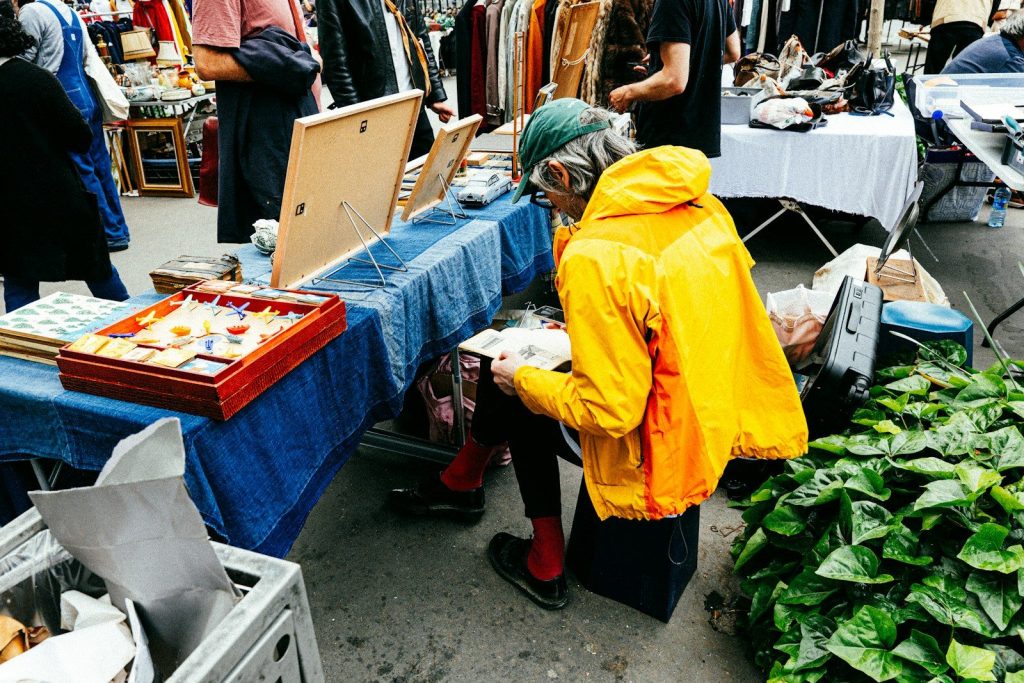
Walking into a flea market without a plan often leads to impulse purchases. Before you go, make a list of the items you actually need and set a spending limit.
Having a clear budget helps you stay focused while leaving room for unexpected treasures that truly add value instead of clutter.
Cash Still Gives You an Advantage
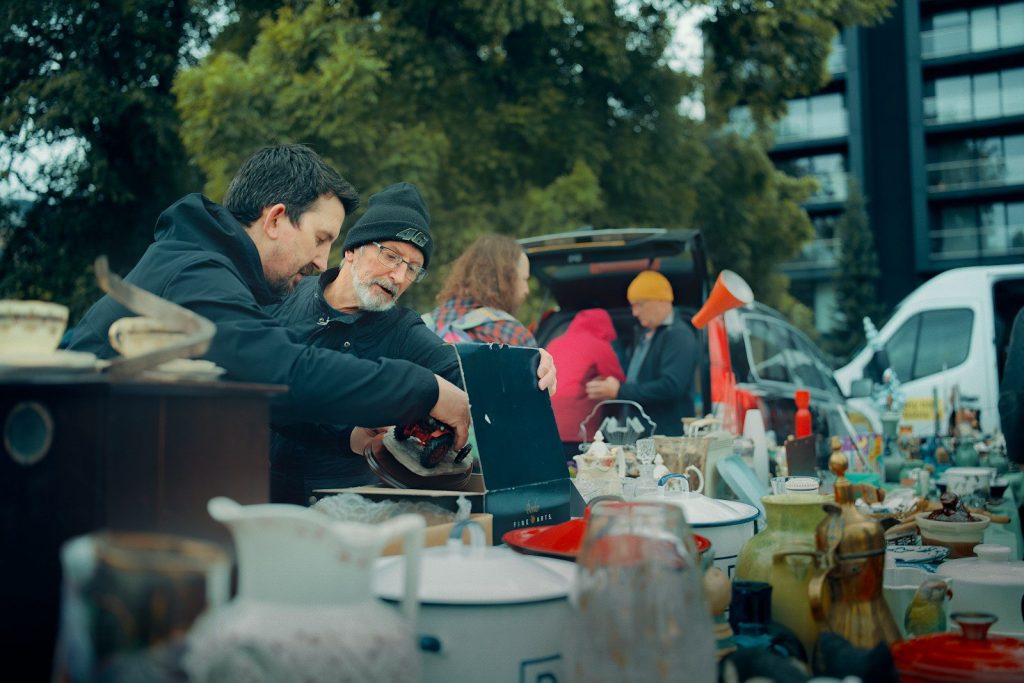
Many flea market vendors prefer cash because it makes transactions faster and avoids payment processing fees. Some sellers are also more willing to negotiate when they see cash in hand.
Carry small bills instead of large ones. Exact amounts make bargaining easier and help you stick to your planned budget throughout the day.
Early Birds Often Discover the Best Finds

Popular items can disappear quickly once the market becomes crowded. Arriving early gives you first access to vintage furniture, collectibles, and one-of-a-kind household items.
Shopping early also allows you to browse at a comfortable pace before busy aisles make it harder to compare different booths.
Do Not Buy From the First Booth You See
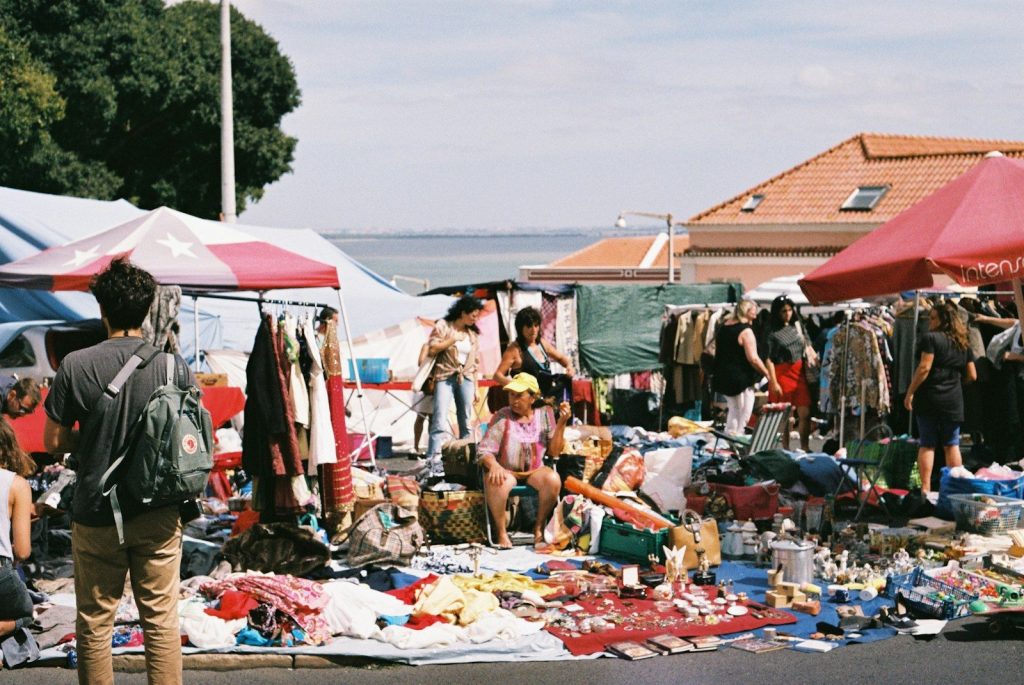
The first attractive item you find may not be the best deal available. Similar products are often sold by multiple vendors at different prices throughout the market.
Take time to walk through several booths before making expensive purchases. Comparing quality and prices often leads to better value.
Bargaining Works Best When You Stay Respectful

Negotiating prices is a normal part of flea market shopping, but the best results usually come from friendly conversations instead of aggressive offers.
Be polite, ask if there is flexibility on the price, and respect the seller’s decision. A positive attitude often leads to better discounts than demanding one.
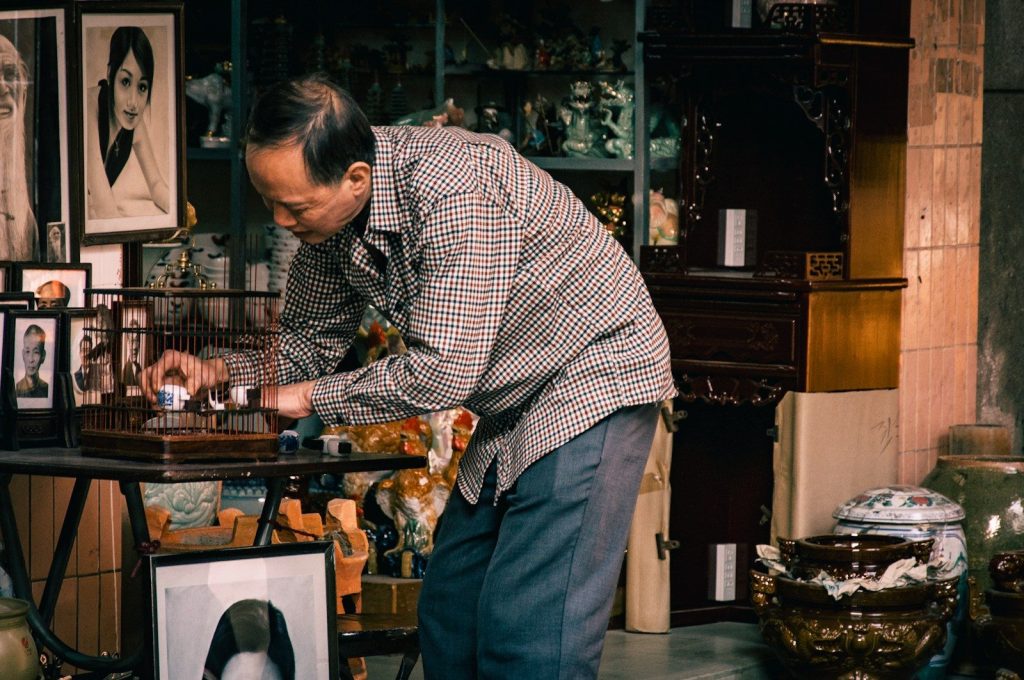
Vintage and secondhand products may have scratches, missing parts, or hidden damage that is difficult to notice from a distance. Taking a closer look can prevent buyer’s remorse.
Check furniture for stability, open drawers, inspect electronics if possible, and examine dishes or glassware for cracks before paying.
Think About How You Can Give Old Items New Life

Some of the best flea market purchases are not perfect when you buy them. A fresh coat of paint, new hardware, or simple repairs can completely transform an inexpensive item.
Repurposing secondhand finds saves money while adding unique character to your home that you are unlikely to find in large retail stores.
Patience Is Often the Biggest Money Saver

Not every visit ends with the perfect purchase, and that is perfectly fine. Walking away from an overpriced item leaves room for better opportunities at future markets.
Smart flea market shoppers know that saving money is not just about finding bargains. It is also about buying only the items that truly fit your needs, your home, and your budget.
Feature image: Photo by HANVIN CHEONG on Unsplash