

Choosing new flooring can transform your home, but it can also become one of the biggest renovation expenses. Many homeowners assume they have to spend a fortune to get durable, attractive floors, but that is not always true.
With the right approach, you can lower costs without settling for poor quality. From selecting budget-friendly materials to shopping at the right time, a few smart decisions can help you get beautiful floors while keeping your renovation budget under control.
Your Existing Floor May Be Better Than You Think
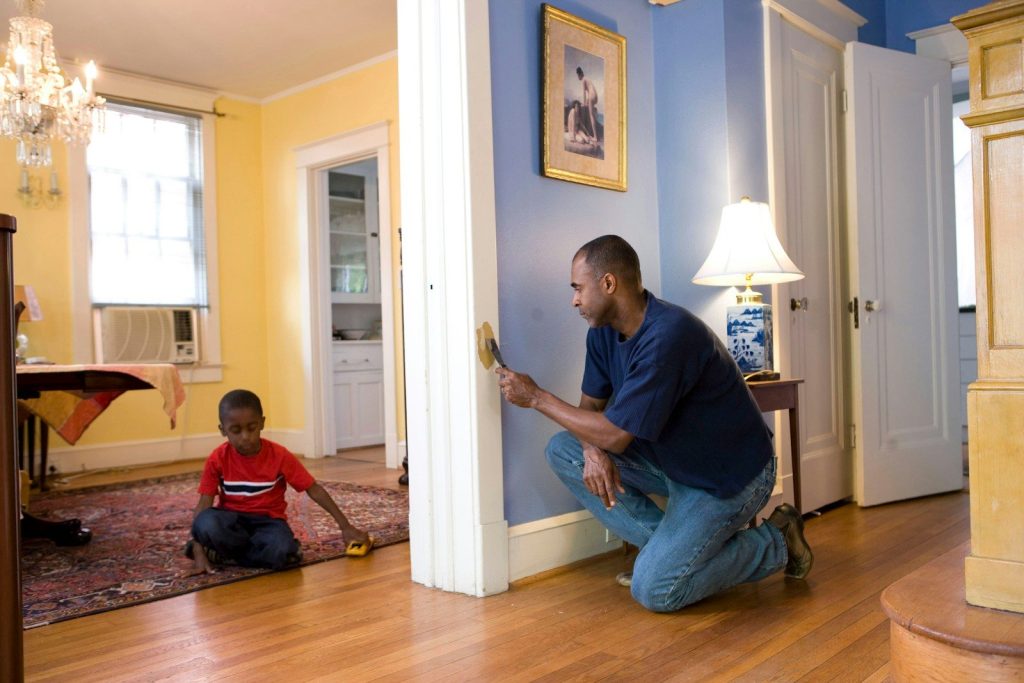
Replacing every floor is not always the smartest first step. In many homes, existing hardwood or tile can be restored with refinishing, repairs, or deep cleaning instead of complete replacement.
Taking time to evaluate the condition of your current flooring could save thousands of dollars. A professional inspection can help determine whether restoration is a practical and more affordable option.
The Material You Choose Changes the Final Price
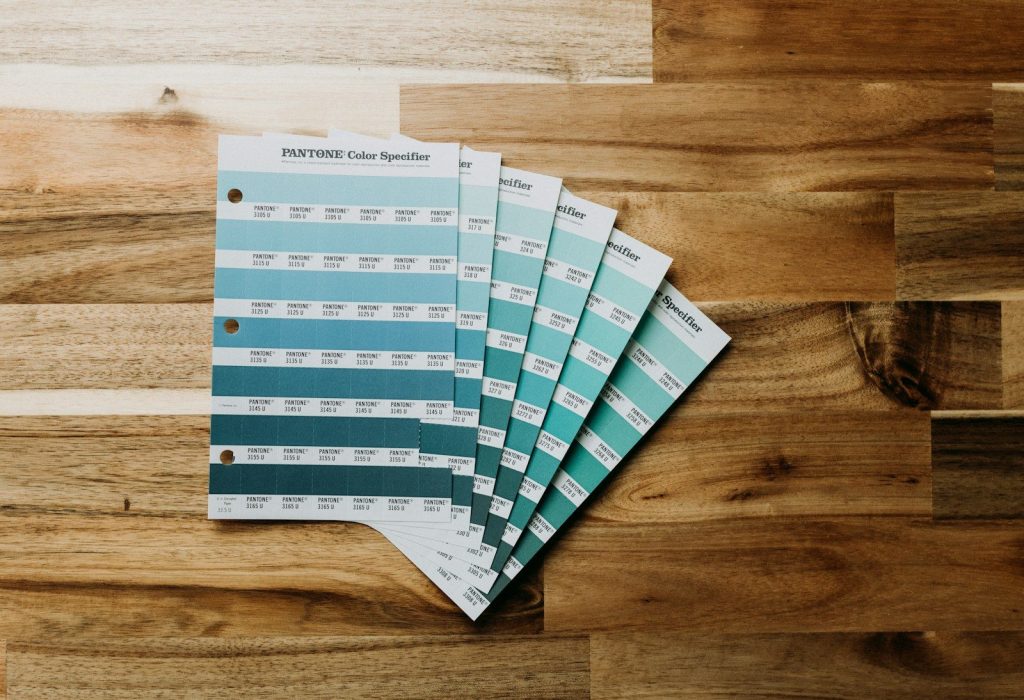
Not every flooring material carries the same long-term value. Hardwood offers timeless appeal, while laminate and luxury vinyl often provide a similar appearance at a much lower cost.
Think beyond the purchase price by considering durability, maintenance, and expected lifespan. Choosing the right material for each room can help you avoid unnecessary future expenses.
Comparing Prices Can Lead to Bigger Savings

The same flooring products are often available from several retailers at different prices. Local stores, warehouse outlets, and online sellers may all offer different promotions.
Take time to compare total costs, including delivery, installation, and warranties. Shopping around can often save hundreds of dollars on the exact same flooring.
Clearance and Leftover Materials Are Worth Looking For
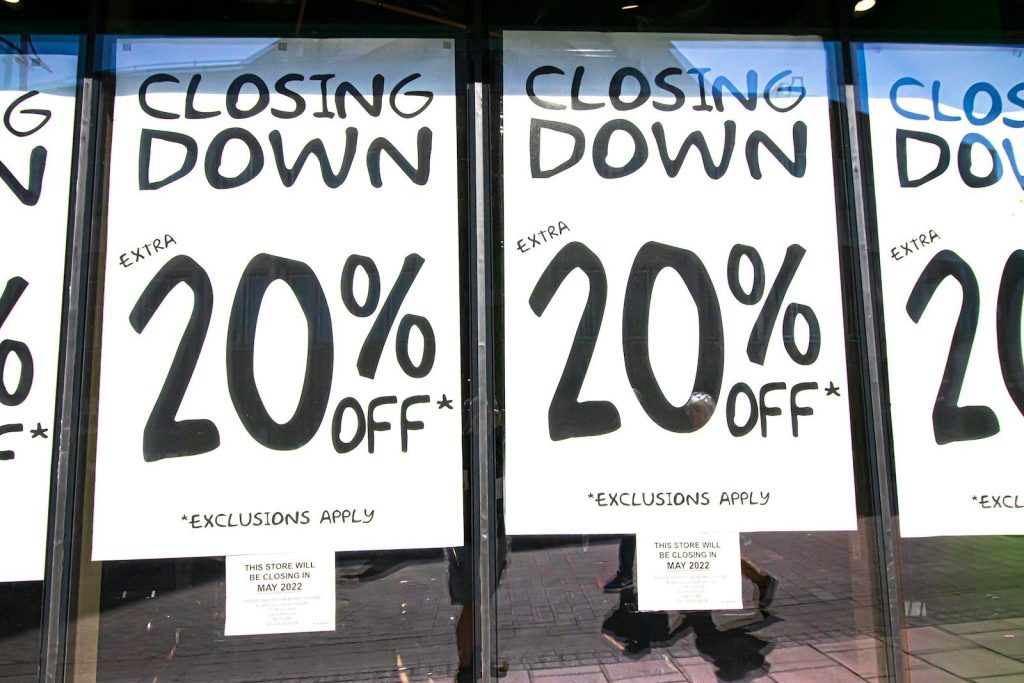
Many flooring retailers regularly discount discontinued styles, overstock inventory, and leftover materials from larger projects. These products are often brand new and perfectly usable.
If you only need flooring for a single room or a small renovation, clearance inventory may provide premium materials at a fraction of the original price.
DIY Installation Can Reduce Labor Costs
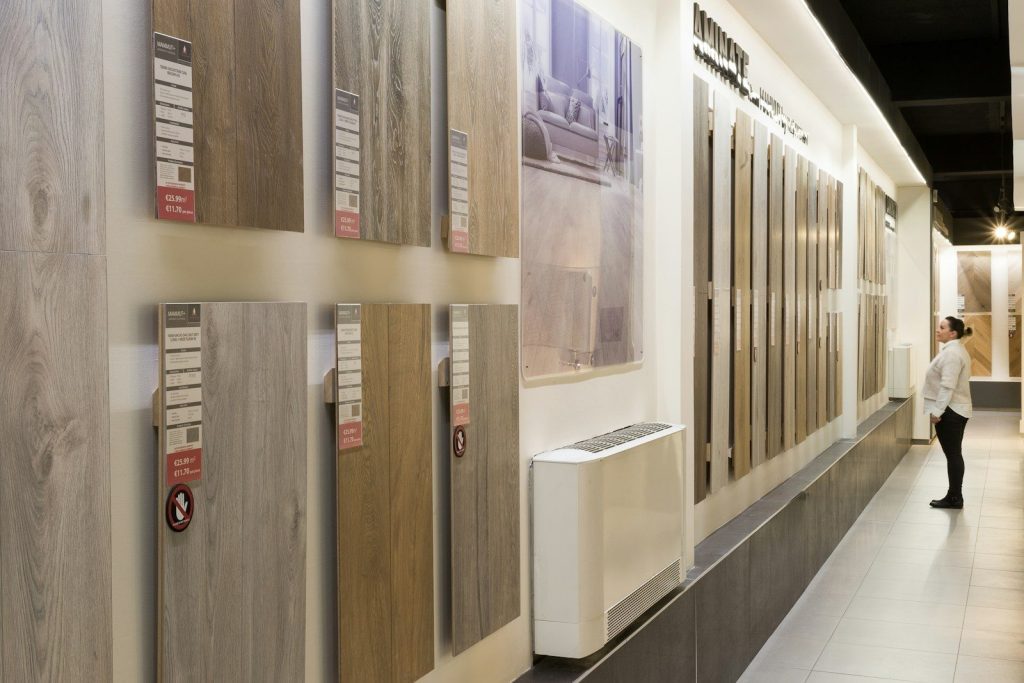
Some flooring products are designed specifically for homeowners who want to install them without professional help. Click-lock laminate and luxury vinyl flooring are popular examples.
If you have basic tools and patience, handling the installation yourself can significantly reduce the overall cost of your flooring project while giving you valuable home improvement experience.
A Good Contractor Can Still Help You Save
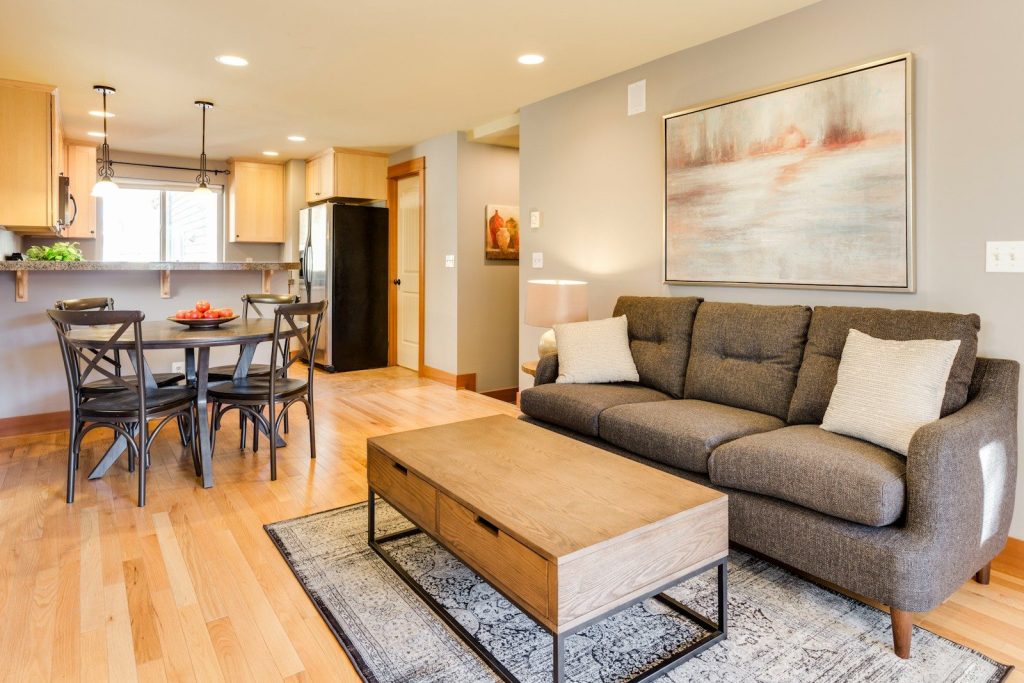
Professional installation is sometimes the better choice, especially for tile, hardwood, or complex floor layouts. However, accepting the first estimate you receive may cost more than necessary.
Request multiple quotes, ask about seasonal promotions, and verify references before hiring anyone. Comparing contractors helps you find quality work at a competitive price.
Protect Your New Floors From Day One
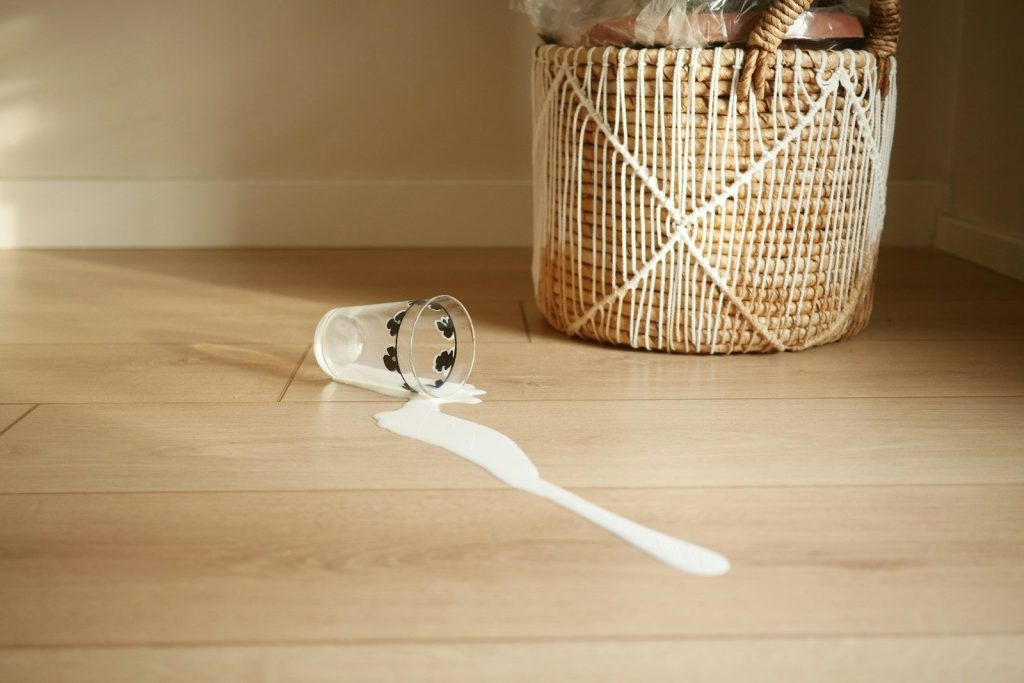
Saving money does not stop after installation. Simple habits like using furniture pads, cleaning spills quickly, and placing rugs in high-traffic areas can extend the life of your flooring.
Regular maintenance reduces scratches, stains, and wear, helping you delay expensive repairs or replacements for many years.
Smart Planning Delivers the Best Long-Term Value

The least expensive flooring is not always the smartest investment. The best value comes from balancing quality, durability, installation costs, and ongoing maintenance.
By restoring existing floors when possible, comparing materials carefully, shopping strategically, and protecting your investment, you can enjoy attractive flooring that fits both your home and your budget.
Featured image: Photo by Sarah Agnew on Unsplash