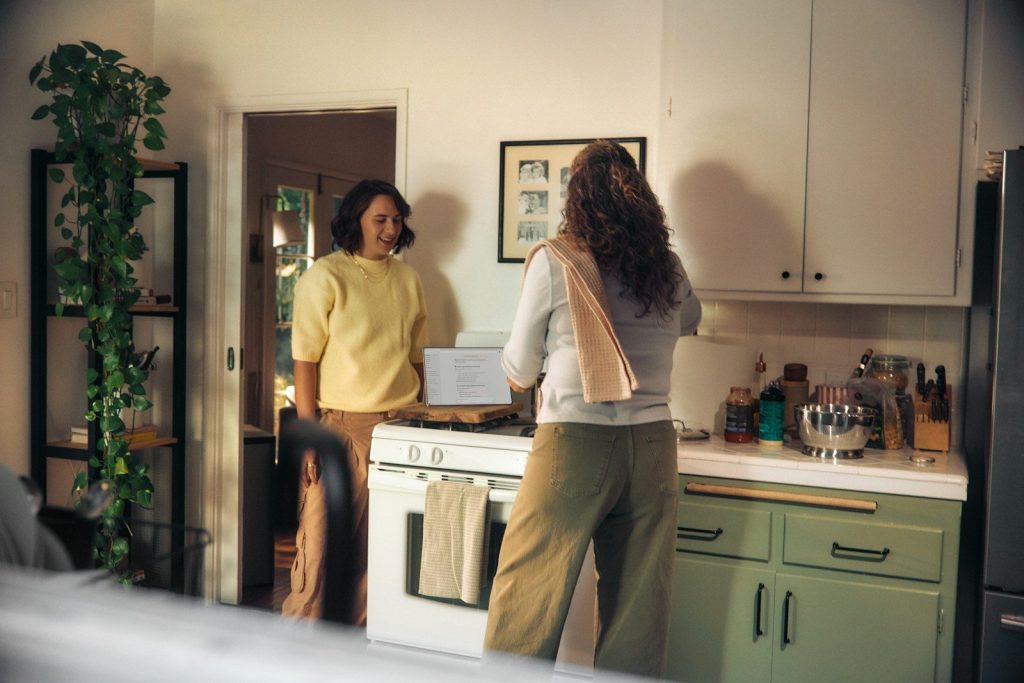

Living a little greener does not require a complete lifestyle makeover or expensive eco products. Many of the most effective changes are simple habits that save money while making your home more efficient.
Small choices repeated every day can reduce waste, stretch household resources, and simplify daily routines. These practical ideas help you build a more sustainable lifestyle without putting pressure on your budget.
Buy Less and Use More

The greenest purchase is often the one you never have to make. Before shopping, check whether something you already own can serve the same purpose.
Using items longer saves money while keeping perfectly useful products out of the trash. It is a simple habit that benefits both your wallet and your home.
Carry Reusable Everyday Essentials

Keeping reusable shopping bags, water bottles, and coffee cups nearby makes sustainable choices much easier. Once they become part of your routine, you rarely think about them.
These swaps reduce disposable waste while cutting small recurring expenses. Over time, those everyday savings can add up surprisingly quickly.
Plan Meals Before Grocery Shopping

A simple meal plan helps you buy only what your household is likely to eat. This reduces the number of ingredients forgotten and left to spoil before they are used.
Planning meals also helps you avoid extra grocery trips and impulse purchases. Less food waste means better value from every shopping trip.
Give Household Items a Second Purpose

Glass jars, sturdy containers, and storage baskets often have useful lives beyond their original purpose. They can organize supplies, pantry goods, or craft materials without additional spending.
Finding creative new uses for everyday items reduces clutter and delays unnecessary purchases. Resourcefulness often begins with looking around your own home.
Save Water With Small Daily Changes
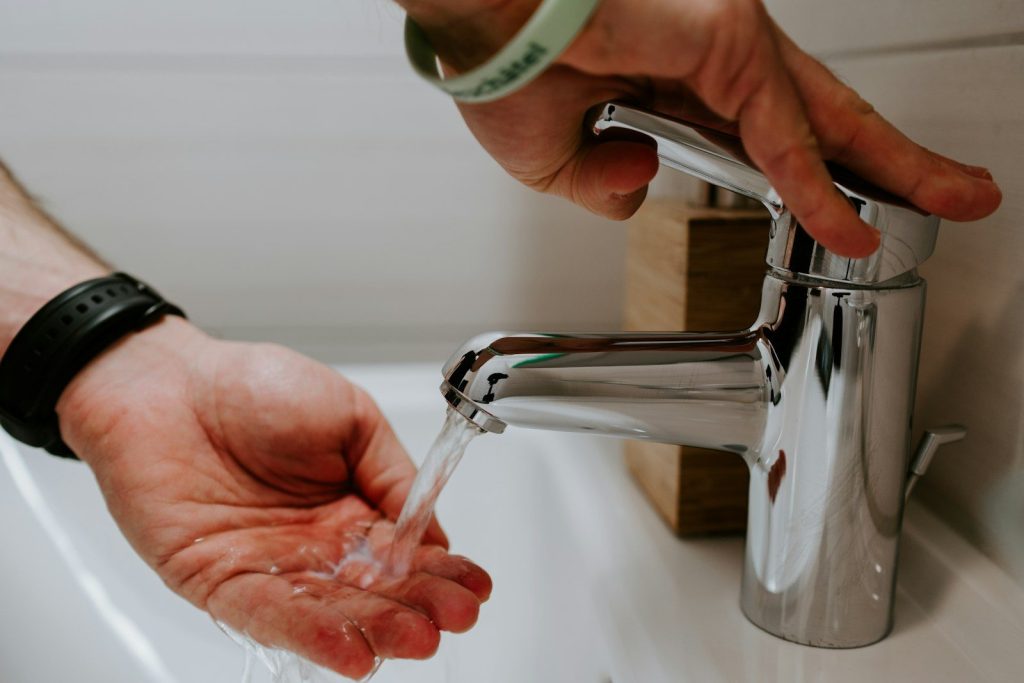
Turning off the faucet while brushing your teeth or fixing a dripping tap can make a noticeable difference over time. These habits require very little effort but reduce unnecessary water use.
Running full loads in the dishwasher and washing machine also improves efficiency. Every cycle works harder for the same amount of energy and water.
Make Energy Saving Automatic
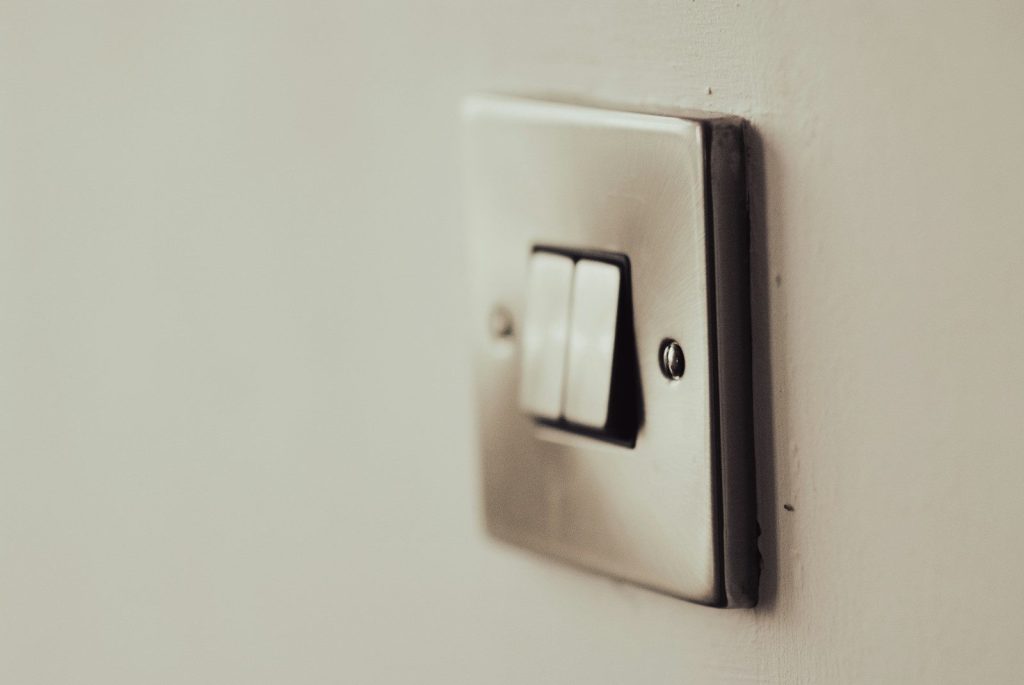
Switch off lights when leaving a room and unplug electronics that are not being used regularly. These small actions become easier once they are part of your daily routine.
Natural daylight can also brighten living spaces without using electricity. Simple habits often create steady savings throughout the year.
Choose Quality Over Quantity

Buying durable products that last longer usually creates less waste than replacing cheaper items again and again. A thoughtful purchase often provides better value over time.
Before buying something new, consider how often you will actually use it. Choosing carefully helps reduce clutter and unnecessary spending.
Build One New Habit at a Time

Trying to change everything at once can quickly become overwhelming. Focusing on one practical improvement each month makes lasting progress much easier.
Over time, these small habits work together to save money, reduce waste, and simplify everyday life. Living greener becomes less about perfection and more about making smarter choices consistently.