

Fresh indoor air does not always require expensive gadgets or major home upgrades. Many simple habits can improve comfort while helping you spend less on cleaning supplies and energy over time.
Small changes often work together better than one costly solution. These practical ideas can help create a healthier home while fitting naturally into a budget-friendly lifestyle.
Let Fresh Air Do More of the Work

Opening windows for a short time each day helps move stale indoor air outside. Even a few minutes of fresh airflow can make rooms feel cleaner and reduce lingering odors without spending a dime.
Choose cooler parts of the day when possible to avoid overworking your heating or cooling system. This simple habit costs very little and supports a fresher living space all year.
Keep Dust From Taking Over
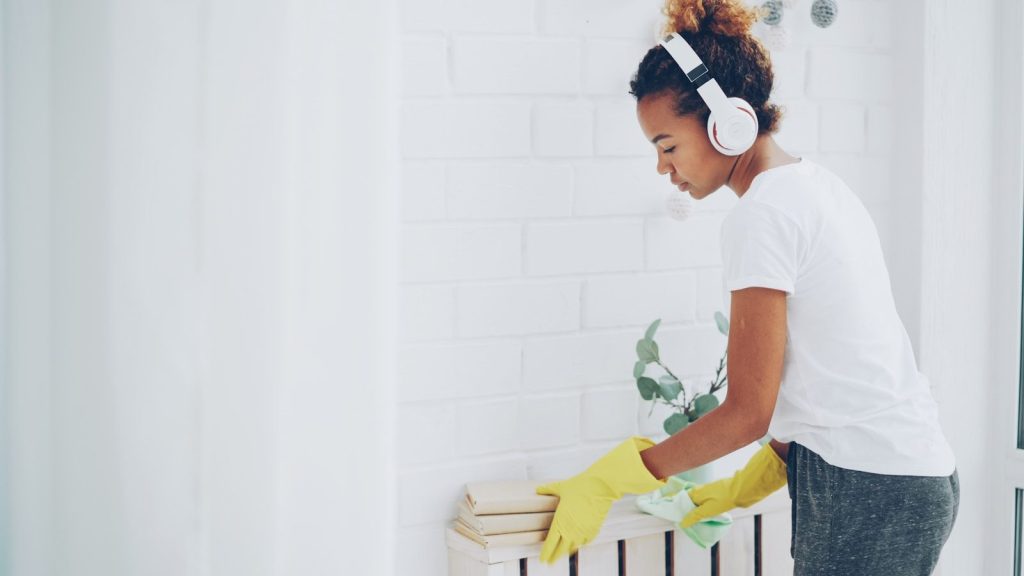
Dust builds up faster than many people realize and can affect how fresh your home feels. Wiping shelves, vacuuming floors, and cleaning soft furniture regularly helps reduce particles that stay in the air.
Use washable microfiber cloths instead of disposable wipes whenever possible. They last much longer, save money over time, and trap dust more effectively.
Give Your Air Filter Some Attention

Your heating and cooling system works best with a clean filter. A clogged filter forces the system to work harder and may allow more dust to circulate through the home.
Check the filter on a regular schedule and replace it when needed. A small maintenance task today may help improve efficiency and avoid unnecessary energy costs later.
Let Houseplants Support Your Space
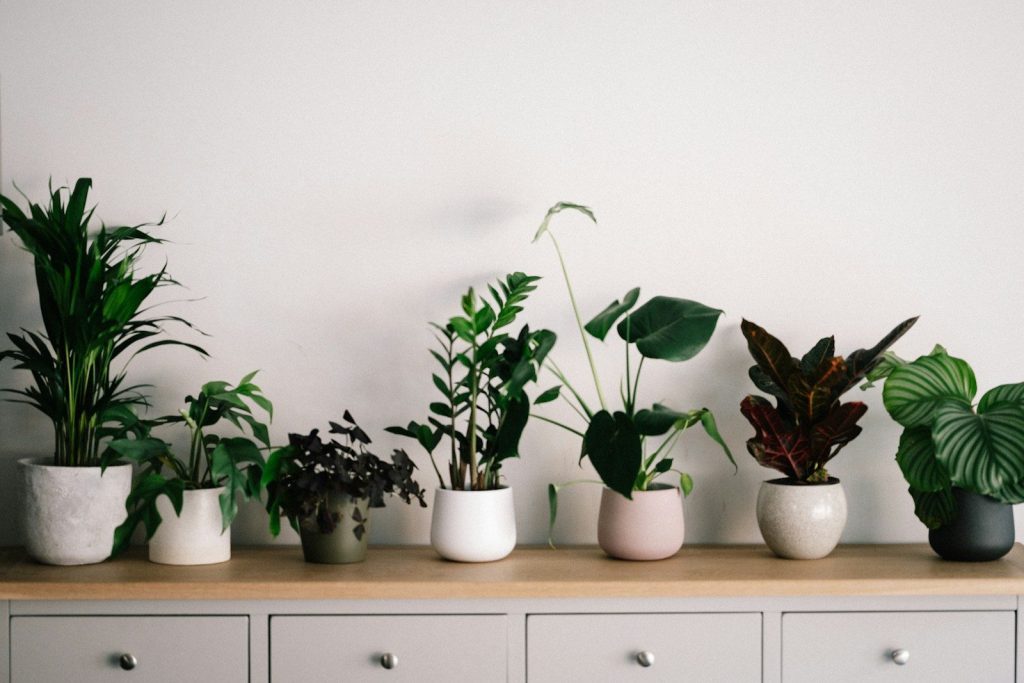
Houseplants add a welcoming touch and can help improve indoor humidity under certain conditions. They also remind people to care for their surroundings, creating a cleaner and calmer environment.
Choose plants that fit your lighting conditions instead of buying expensive varieties. Healthy plants often last for years with basic care, making them a smart addition to any room.
Watch Moisture Before It Becomes a Problem
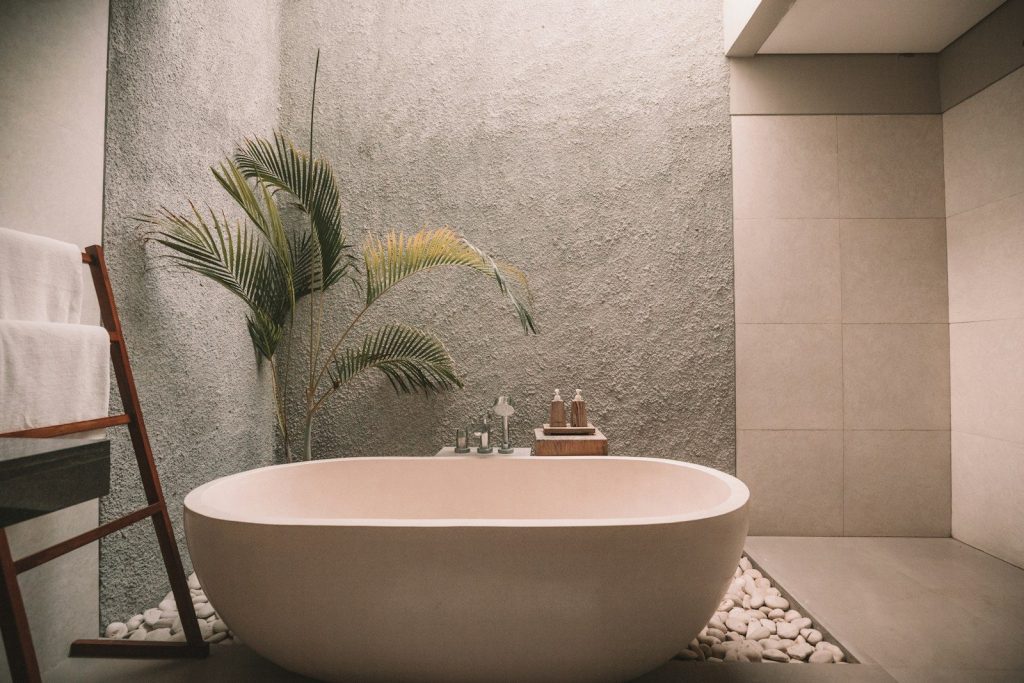
Too much moisture encourages mold and musty smells that affect indoor comfort. Bathrooms, kitchens, and laundry areas benefit from proper ventilation after daily use.
Run an exhaust fan or open a nearby window whenever possible. Preventing excess moisture is usually much cheaper than dealing with repairs later.
Choose Cleaning Products Wisely
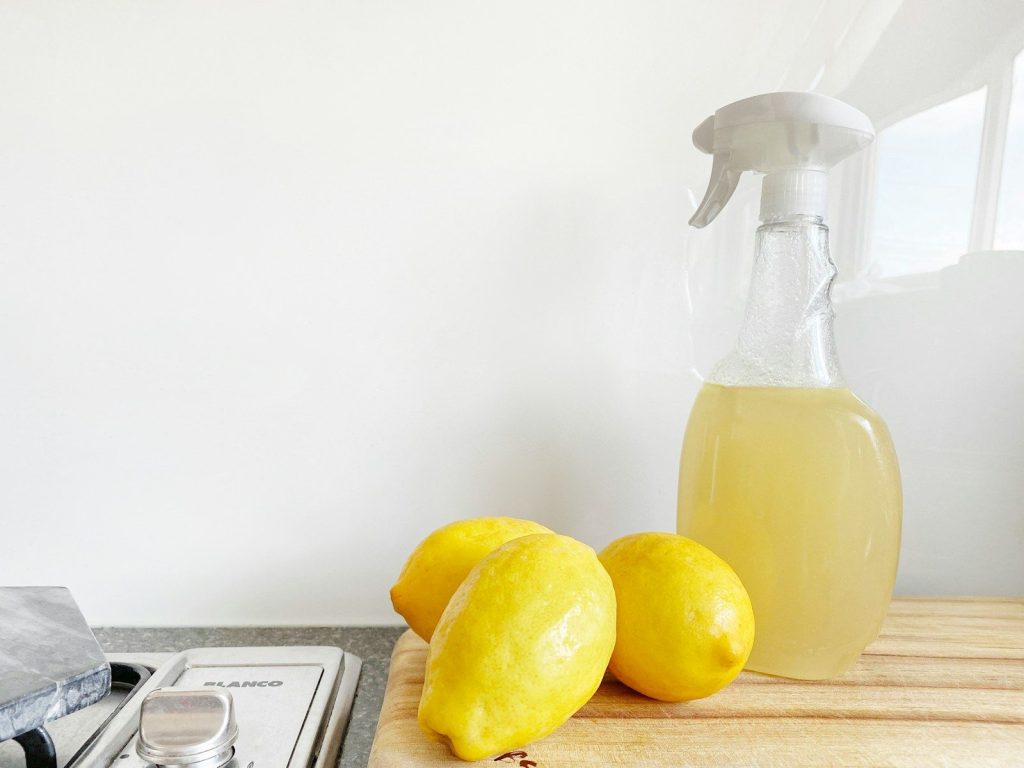
Strong fragrances are not always necessary for a home to smell clean. Sometimes unscented or simple cleaning products leave the air feeling fresher without adding unnecessary chemicals.
Use only the amount of product recommended on the label. This reduces waste, stretches your household budget, and avoids overpowering indoor scents.
Keep Entryways Cleaner

Much of the dirt inside a home arrives on shoes and bags. Placing a sturdy doormat near entrances helps catch debris before it spreads through the house.
Removing shoes at the door also reduces dust and outdoor pollutants on carpets. Less dirt inside means less frequent cleaning and lower wear on flooring.
Build Small Habits That Last

Improving indoor air is rarely about making one dramatic change. Consistent daily habits often create the biggest difference while keeping household costs manageable.
Focus on simple routines that are easy to maintain throughout the year. Cleaner air, lower maintenance, and smarter spending can all come from small choices repeated over time.