

When more people move into the same neighborhoods, daily life changes in ways most residents never expect. Those shifts often happen long before anyone notices official reports or headlines.
Australia’s ongoing migration debate highlights how growing populations can reshape ordinary routines. Whether a community is expanding because of migration, new jobs, or housing demand, small practical habits often make everyday life run more smoothly.
The Quiet Competition for Everyday Services

A growing population does not just affect housing. Suddenly, the same grocery stores, medical clinics, mechanics, and childcare centers serve far more people than they once did.
Families who adjust early often experience fewer frustrations. Booking appointments ahead, shopping during quieter hours, and handling errands on weekdays instead of weekends can save both time and unnecessary spending.
Neighborhood Libraries Become More Valuable Than Ever
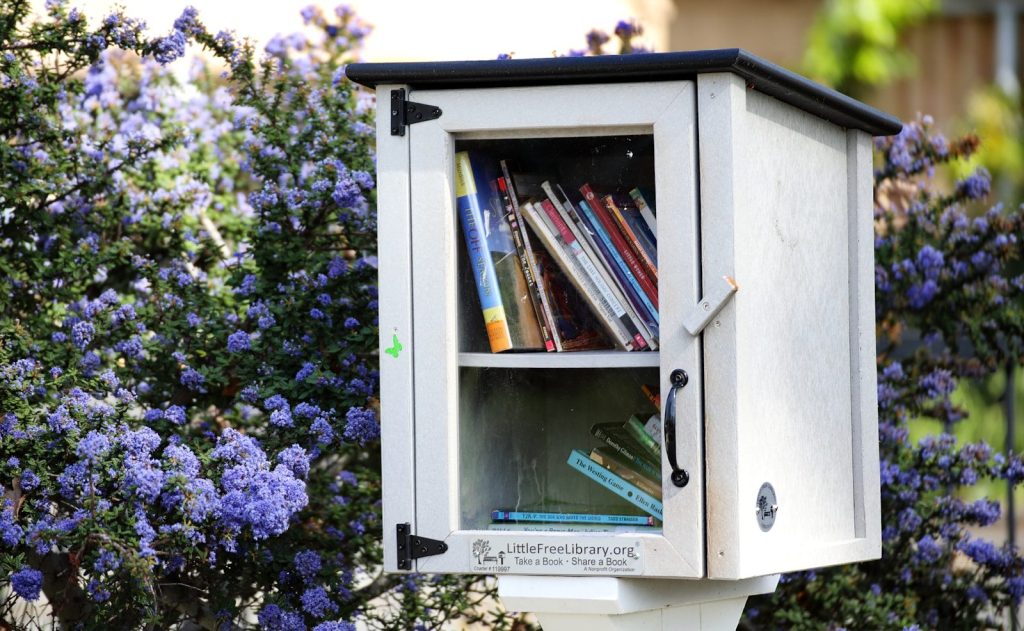
Many people overlook libraries until communities become busier. Yet they quietly provide internet access, meeting rooms, workshops, children’s programs, and digital resources that reduce everyday expenses.
As towns grow, these public spaces often become one of the few places where residents can learn new skills or enjoy activities without increasing their monthly budget.
Local Knowledge Starts Replacing Online Reviews

When an area changes quickly, online recommendations often become outdated. A restaurant that was easy to visit six months ago may now have long waits, while another nearby remains almost unnoticed.
Talking with neighbors, local shop owners, or community groups frequently reveals better options than endlessly scrolling through review sites.
Sharing Everyday Resources Makes More Sense
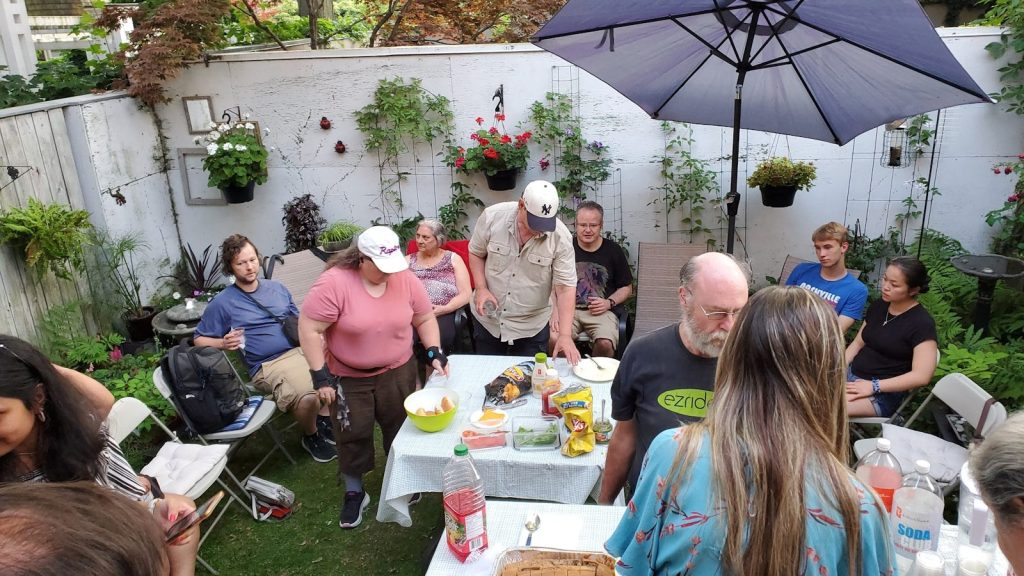
Growing communities naturally encourage people to share rather than duplicate. Gardening equipment, party supplies, folding tables, and specialty tools often spend most of their lives sitting unused.
Borrowing within trusted circles saves money while reducing clutter, and many neighborhoods eventually create informal sharing networks without anyone officially organizing them.
Small Businesses Become Unexpected Budget Helpers

Large chains receive most of the attention, but rapidly growing areas often attract independent businesses trying to build loyal customers. Many introduce introductory specials or flexible services that larger retailers rarely match.
Residents who pay attention to these local opportunities sometimes discover better value while helping businesses become permanent parts of the community.
Flexible Routines Become a Hidden Advantage

Population growth changes traffic patterns, shopping times, and even the busiest hours at parks or recreation centers. People who keep the same schedule every day often notice these inconveniences first.
Simply shifting grocery shopping, exercise, or errands by an hour can make ordinary tasks feel surprisingly easier without costing anything.
Community Events Become Practical, Not Just Social
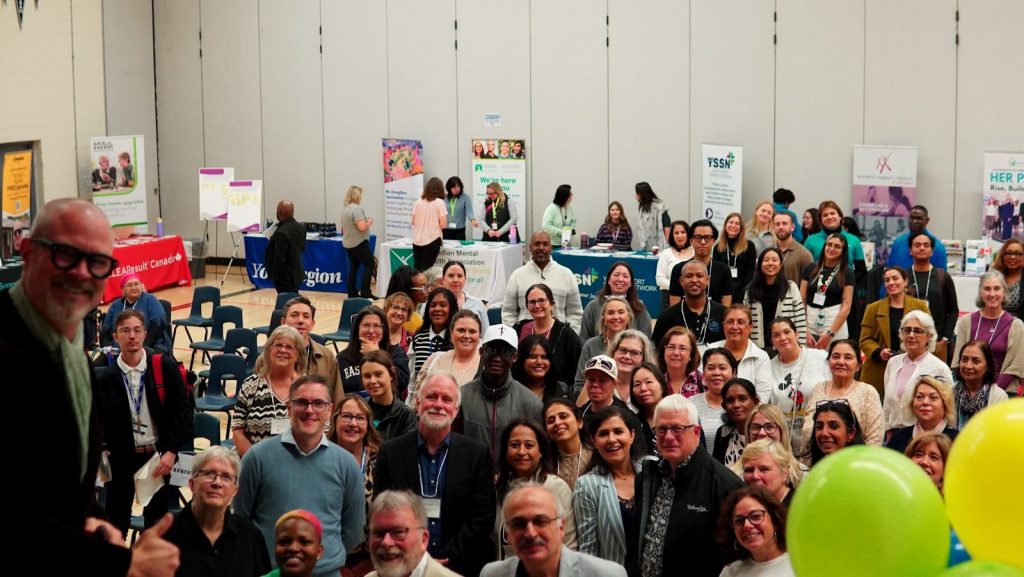
As neighborhoods expand, local events become one of the quickest ways to learn what is changing. Residents discover new services, seasonal markets, repair workshops, and free activities they may never find online.
Many families also exchange recommendations that help newcomers avoid costly mistakes while settling into a growing community.
Growth Rewards People Who Stay Curious

When communities grow quickly, everyday routines change long before people fully recognize why.
Instead of resisting every change, observing how neighborhoods evolve often reveals smarter ways to save time, reduce costs, and make better use of the resources already close to home.