

Travelers often arrive in the United States expecting famous landmarks, oversized cities, and familiar movie scenes. What catches many of them off guard instead are the everyday habits Americans barely think about but quietly make life more convenient or affordable.
Not every habit is worth copying, but some offer practical lessons for stretching a household budget. Looking at these routines through a visitor’s eyes reveals a few smart ideas that can work almost anywhere.
Treasure Hunting Is a Weekend Activity

One thing that surprises many visitors is how seriously Americans take thrift stores, garage sales, and flea markets. Instead of assuming secondhand means low quality, many people see it as the first place to look for furniture, kitchenware, books, and even brand-name clothing.
That mindset can dramatically reduce spending. Checking secondhand options before buying new often uncovers unique finds while keeping perfectly usable items out of landfills.
DIY Is Part of Everyday Life

Many international visitors are surprised to see how many homeowners tackle painting, gardening, shelving, and small repairs on their own. Weekend home improvement projects are common, even for beginners learning through experience.
You do not need to renovate an entire room to benefit from this habit. Learning one simple repair at a time can save money, build confidence, and reduce the need to replace items that still have years of life left.
Libraries Offer More Than Books

Visitors expecting quiet reading rooms are often amazed by everything modern American libraries provide. Many now offer digital media, workshops, study spaces, family activities, and even practical resources like tool lending or seed exchanges in some communities.
Exploring your local library can replace paid entertainment and introduce services you may never have realized were free. It is one of the most overlooked ways to get more value without spending more.
Free Community Spaces Stay Busy
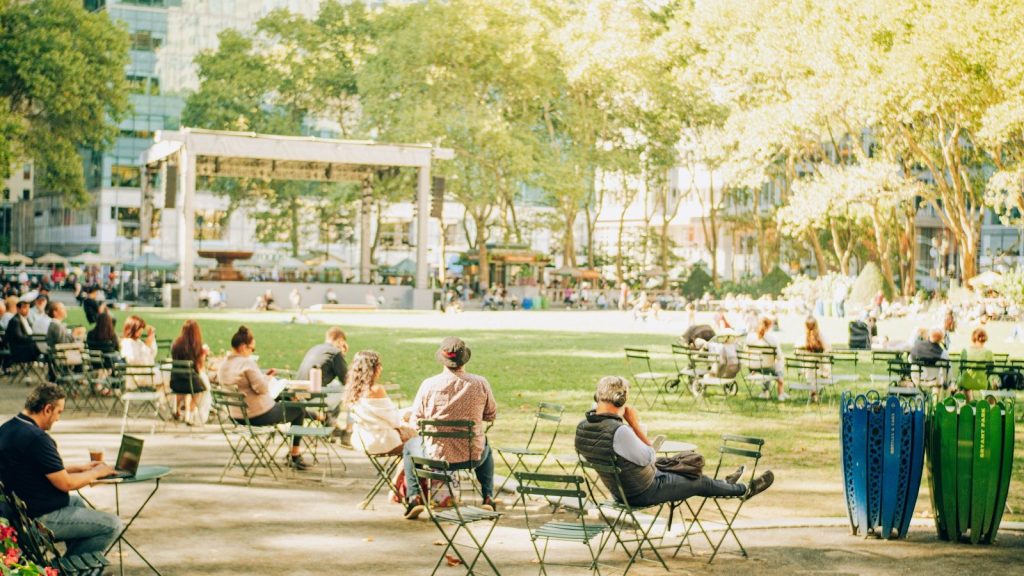
Many travelers notice how often Americans gather in public parks, walking trails, beaches, and recreation areas instead of spending every weekend at expensive attractions. These spaces become places to exercise, relax, and socialize without an admission fee.
Looking for free local destinations can reduce entertainment costs while encouraging more time outdoors. Sometimes the best weekend plans require little more than comfortable shoes and a picnic.
Rewards Programs Are Used Strategically

Visitors are often surprised by how many Americans scan loyalty apps or use digital coupons before paying. While it may seem like an extra step, those small savings often add up across groceries, fuel, restaurants, and household essentials.
The key is joining programs for stores you already use rather than shopping somewhere just to earn rewards. Smart savings come from planned purchases, not extra spending.
Bulk Buying Has Its Limits

Warehouse stores impress many first-time visitors with enormous packages and large shopping carts. While buying in bulk can lower the cost per item, experienced shoppers know it only works when products will actually be used before they expire.
Before purchasing larger quantities, ask whether you have enough storage space and a realistic plan to use everything. Buying more only saves money when nothing goes to waste.
Americans Often Carry Their Drinks With Them

Reusable coffee mugs and refillable water bottles appear almost everywhere, from morning commutes to weekend errands. Visitors sometimes notice this habit because it is so common across workplaces, parks, and shopping areas.
Bringing your own drink instead of making repeated stops for bottled water or coffee is one of the simplest ways to reduce everyday spending. It is also a small habit that creates less waste over time.
The Smartest Habits Are Usually the Simplest

Visitors often arrive expecting to remember famous landmarks, yet many leave talking about the everyday routines that shape American life. Simple habits like repairing instead of replacing, borrowing instead of buying, and making use of free community resources often leave a lasting impression.
The biggest lesson is that saving money does not always require dramatic changes. Sometimes it begins with noticing the practical habits hiding in plain sight and adapting the ones that make everyday life easier.