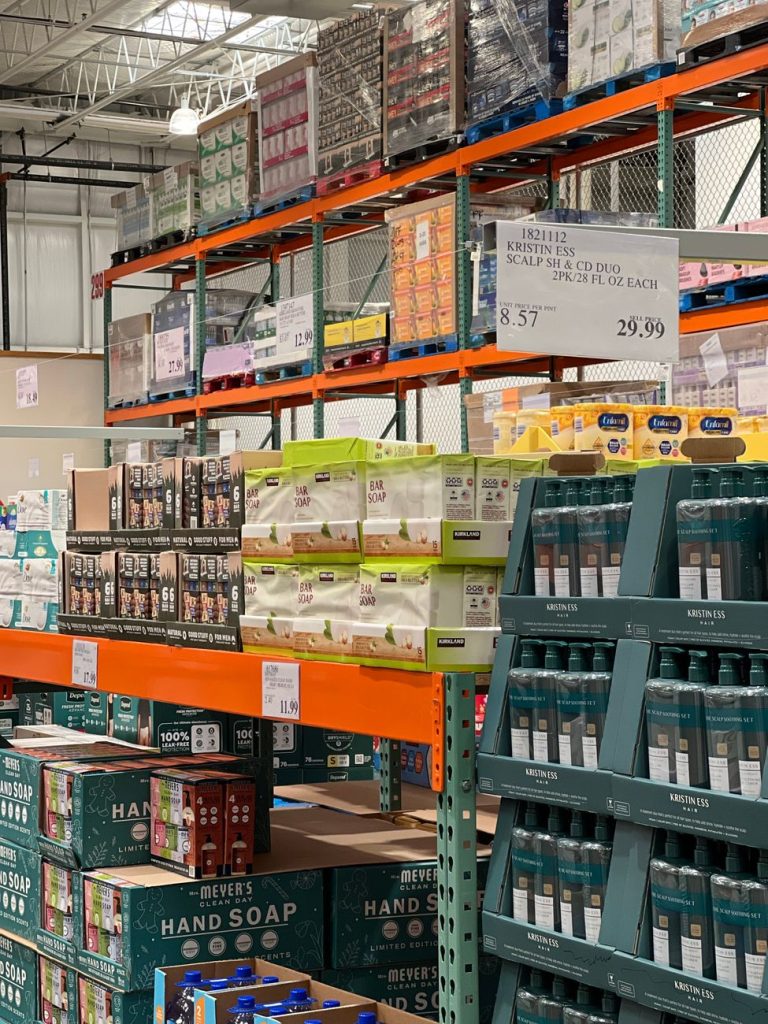

The biggest savings leak is not the membership fee. It is buying the wrong bulk item for the way your household actually eats, stores, and shops.
Costco make it easy to feel like every oversized cart is a win. The packs are bigger, the displays are convincing, and the price signs often look lower than a regular grocery run. But bulk buying only works when the product, timing, storage space, and household habits line up. Miss one of those pieces, and the bargain can quietly shrink.
These are the Costco mistakes that turn smart stocking up into clutter, spoilage, duplicate purchases, and surprise overspending.
Unit Price Tags
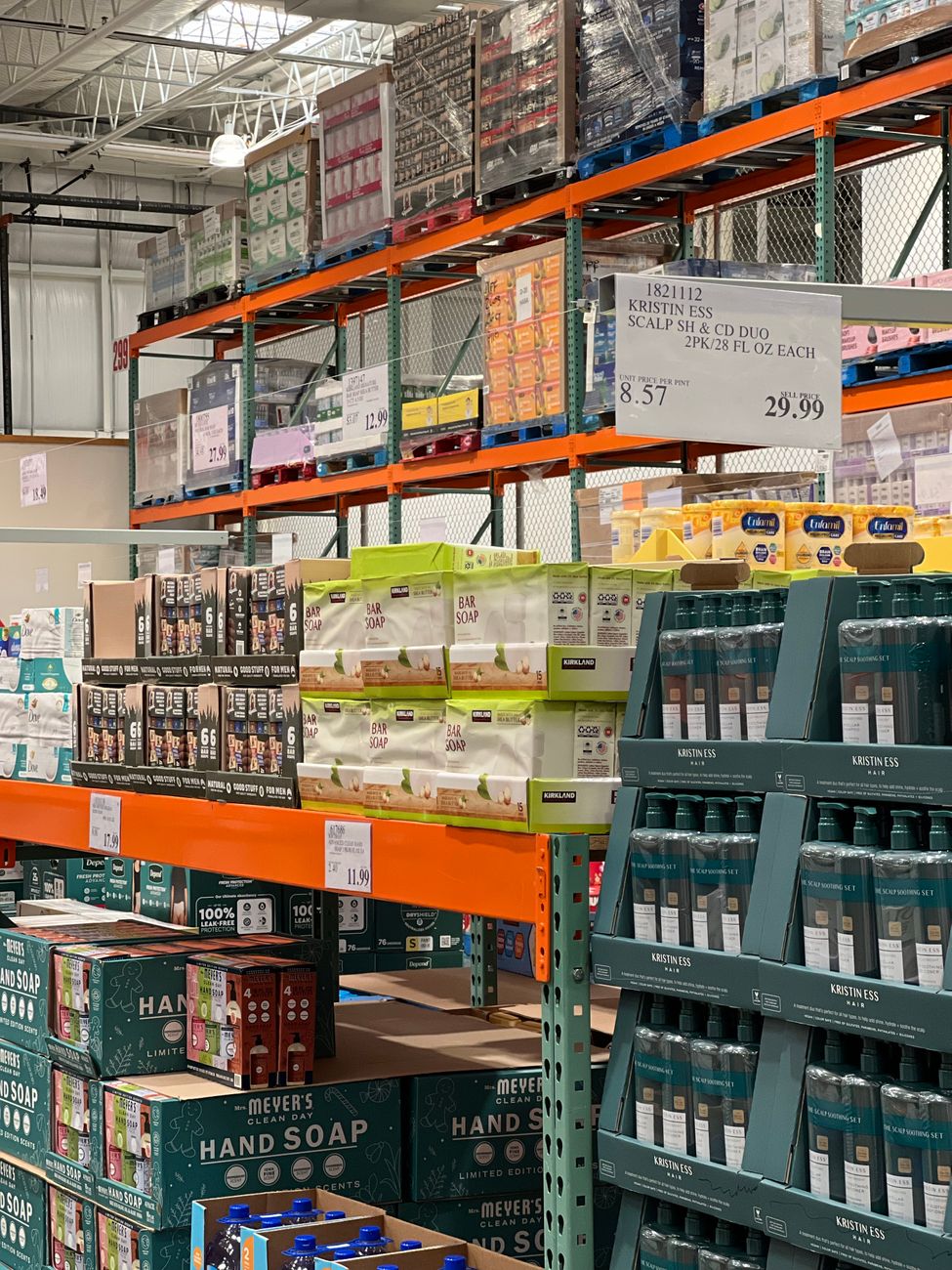
The big number on a Costco sign can look impressive, but the smaller number matters more. Unit price tells you what you are paying per ounce, pound, roll, sheet, or serving. Without it, a giant package can feel cheaper while costing the same or more than a sale-size version at a regular store.
This mistake especially affects shoppers who rotate between supermarkets, discount stores, and Costco. Check the unit price against what you normally pay, not just against the club sign. If the club does not show an easy comparison, use your phone calculator before the item goes in the cart.
Jumbo Produce Bags
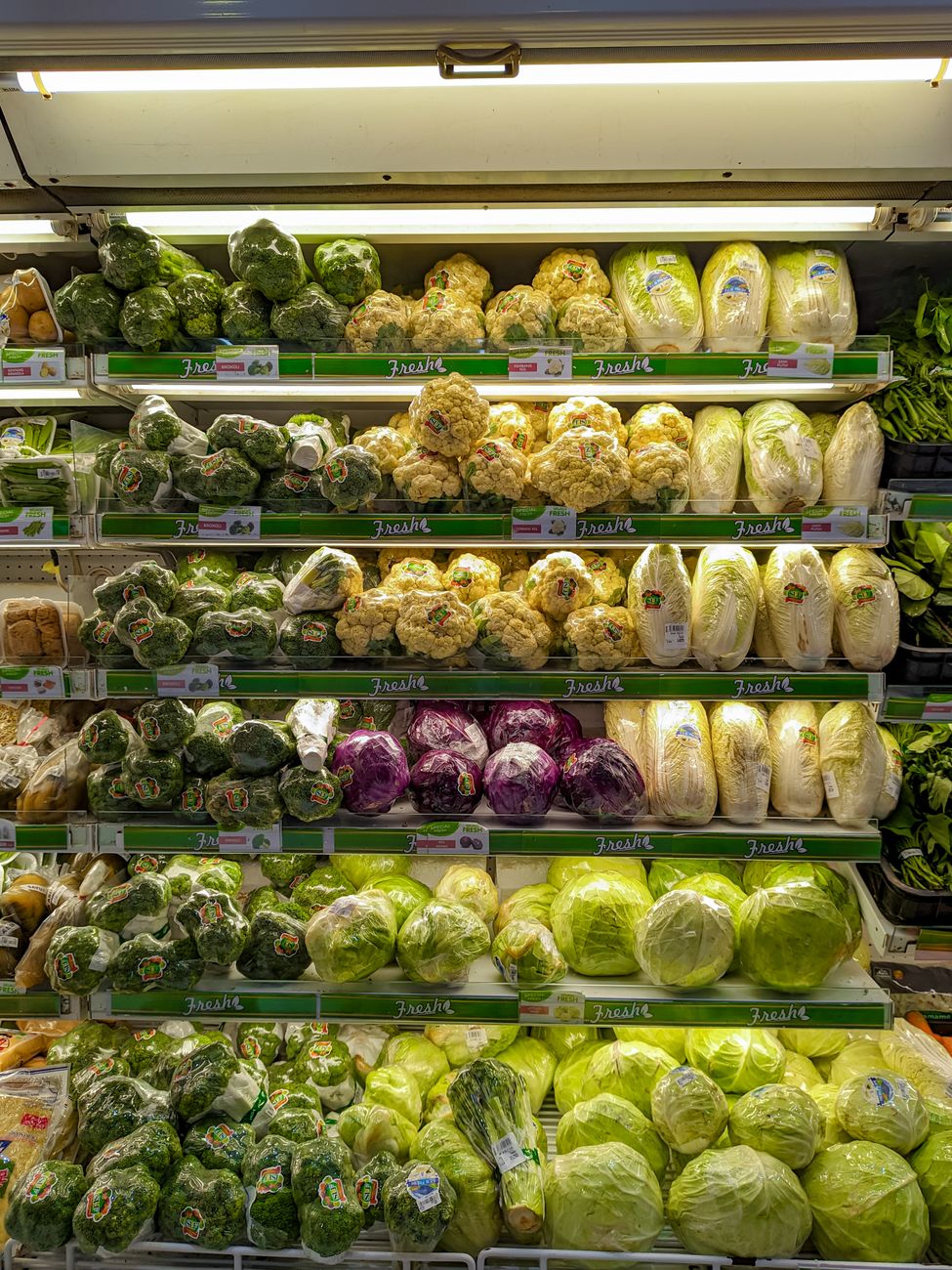
Fresh produce can be one of the trickiest Costco purchases because the clock starts ticking as soon as you bring it home. A huge bag of spinach, avocados, berries, or salad mix is only a deal if your household can eat it before it wilts, bruises, or molds.
This matters for smaller households, busy families with changing schedules, and anyone who shops with good intentions but no plan. Before buying, ask where the produce fits into actual meals. If you need to force yourself to use it, the smaller grocery-store package may be the better bargain, even with a higher unit price.
The Freezer Bottleneck

Bulk meat, bread, vegetables, and prepared meals can save money when the freezer is ready. The problem comes when shoppers buy first and figure out storage later. A freezer that is already packed can lead to crushed packages, forgotten food, and items thawing while someone tries to rearrange shelves.
Before a Costco trip, check the freezer like you would check a gas tank before a drive. Make room, label older food, and know what needs to be used soon. If the space is not there, skip the giant pack or split it with someone who can store it safely.
Sample Aisle Impulse Buys
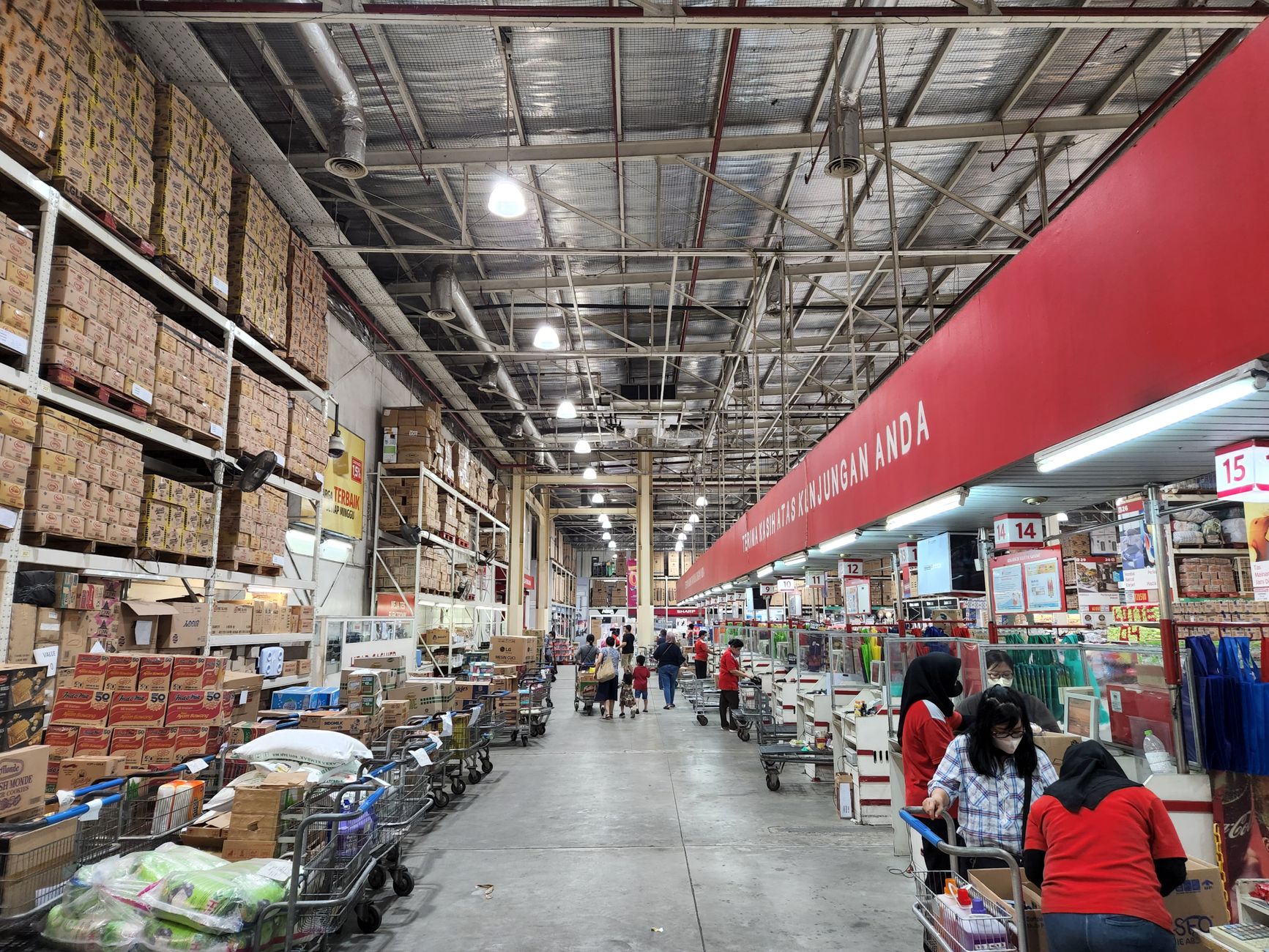
Samples are fun, but they are also designed to interrupt the shopping list. A bite of a snack, sauce, frozen meal, or dessert can make a bulk package feel like an obvious yes. At home, that same item may not fit your meals, your budget, or your family tastes.
The damage is not just one extra product. Costco impulse buys are often oversized, so a quick decision can take up pantry space for weeks. If a sample wins you over, pause and ask whether you would buy it without the free taste. If not, take a photo and reconsider next trip.
Pantry Duplicate Packs
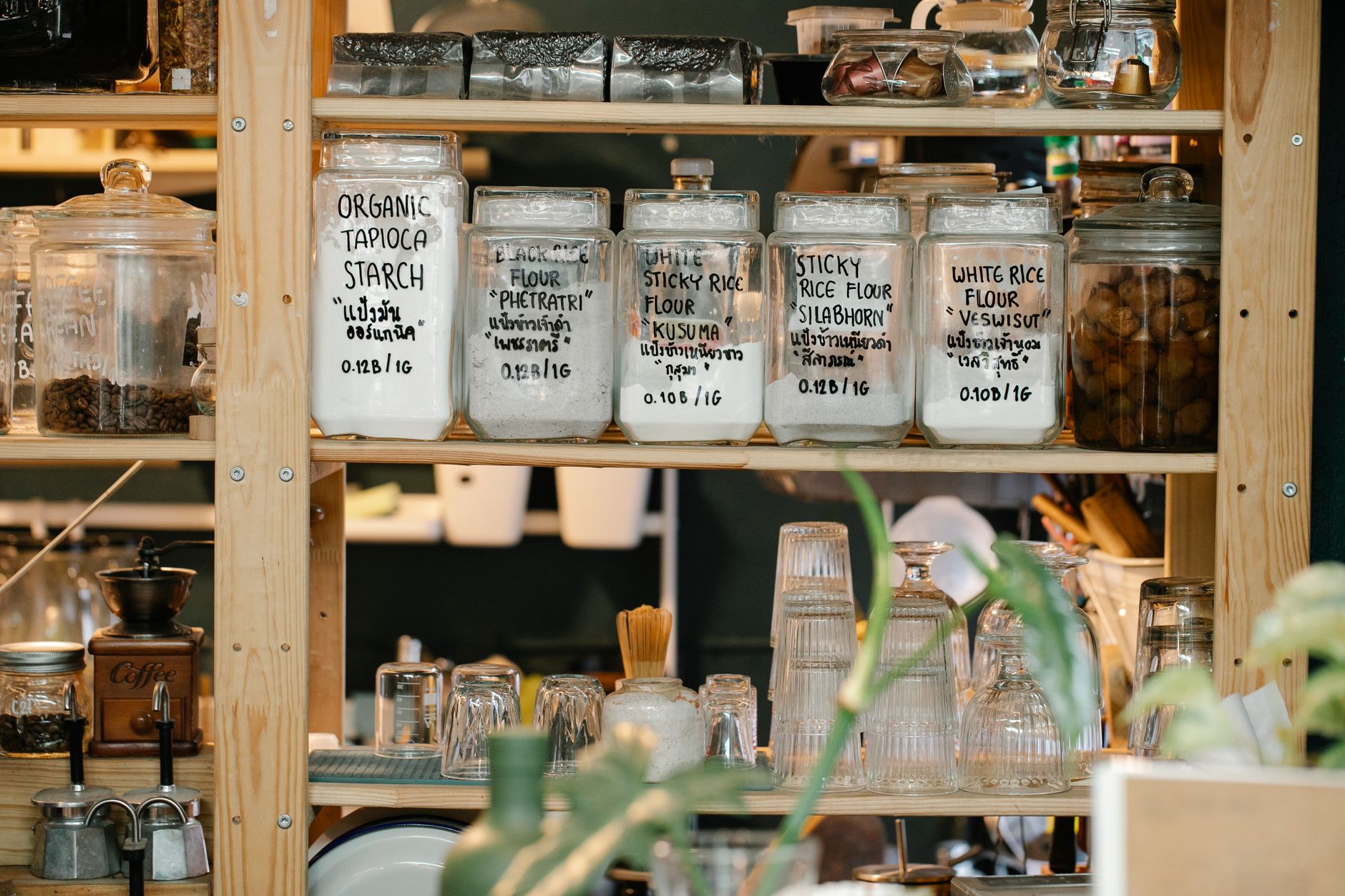
Costco reward stocking up, but overstocking can hide money in plain sight. When the pantry is crowded, it becomes harder to see what you already own. That is how households end up with three giant condiment bottles, multiple cereal boxes, or enough paper products to crowd out daily groceries.
This mistake hurts people who shop from memory instead of checking cabinets first. Before leaving home, do a quick pantry scan and make a short list of what is truly low. A bargain is less useful if it makes you buy duplicates, lose track of expiration dates, or store food in places where it gets forgotten.
Family-Size Flops
A product your household only sort of likes is risky in bulk. The first serving may go fine, but a family-size box of crackers, protein bars, cereal, sauce, or frozen entrees becomes expensive when everyone avoids it after the novelty wears off.
This is where Costco buying can clash with real household behavior. Kids change preferences, adults get tired of the same flavor, and guests may not want the backup snacks you imagined. Try smaller versions elsewhere before committing to a giant pack. Bulk works best for proven favorites, not for experiments that need everyone to cooperate.
Membership Math
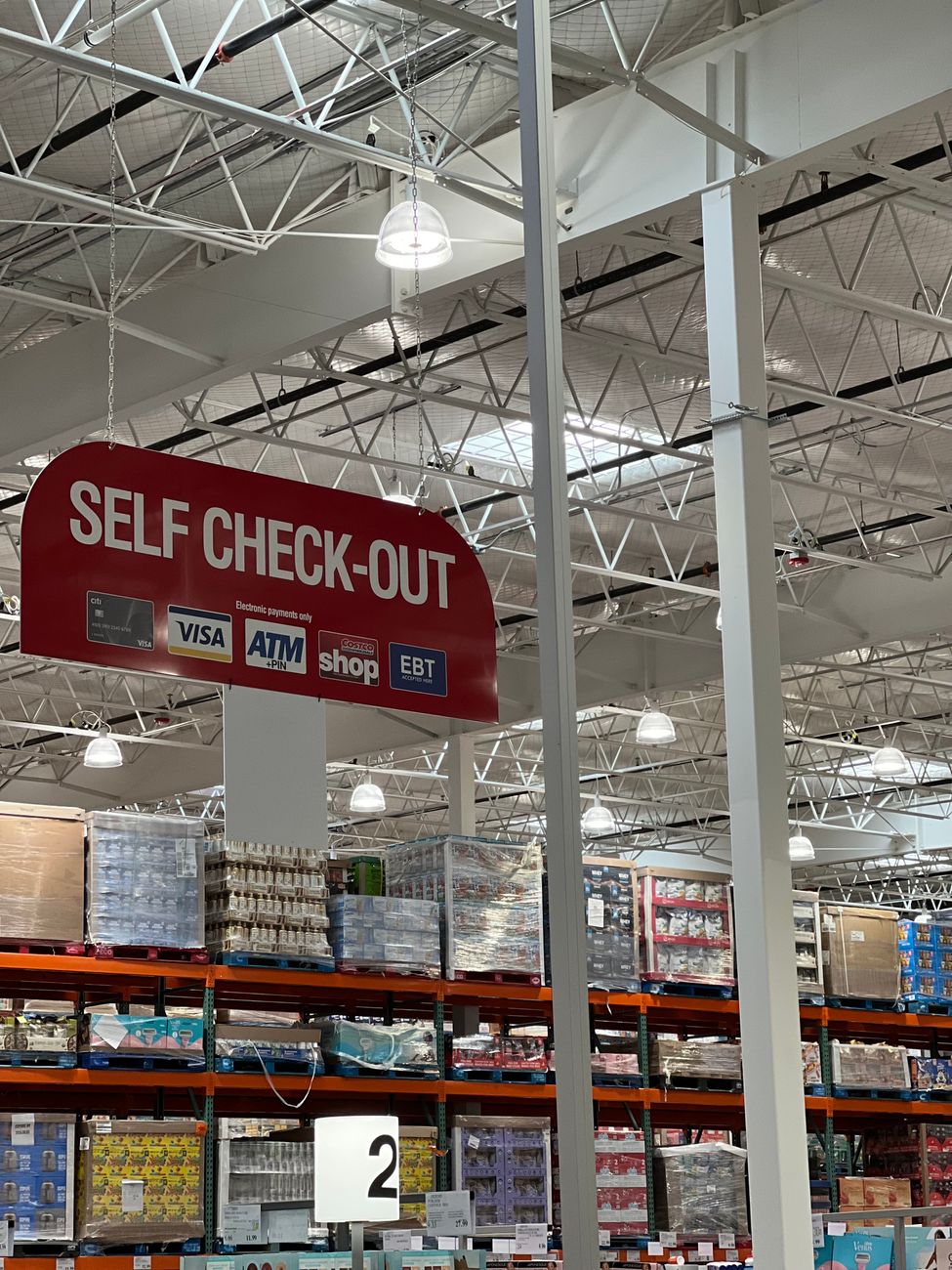
The membership fee does not automatically ruin the deal, but it should be part of the math. If you only visit a few times a year, buy mostly impulse items, or drive far out of your way, the savings may be thinner than they look.
This check helps occasional shoppers the most. Estimate what you truly save on repeat purchases such as household staples, gas, prescriptions, pet supplies, or lunchbox items if those categories apply to you. Then compare that with the fee and the extra time involved. Costco can be worthwhile, but only when your regular purchases carry the membership.
Brand Assumptions
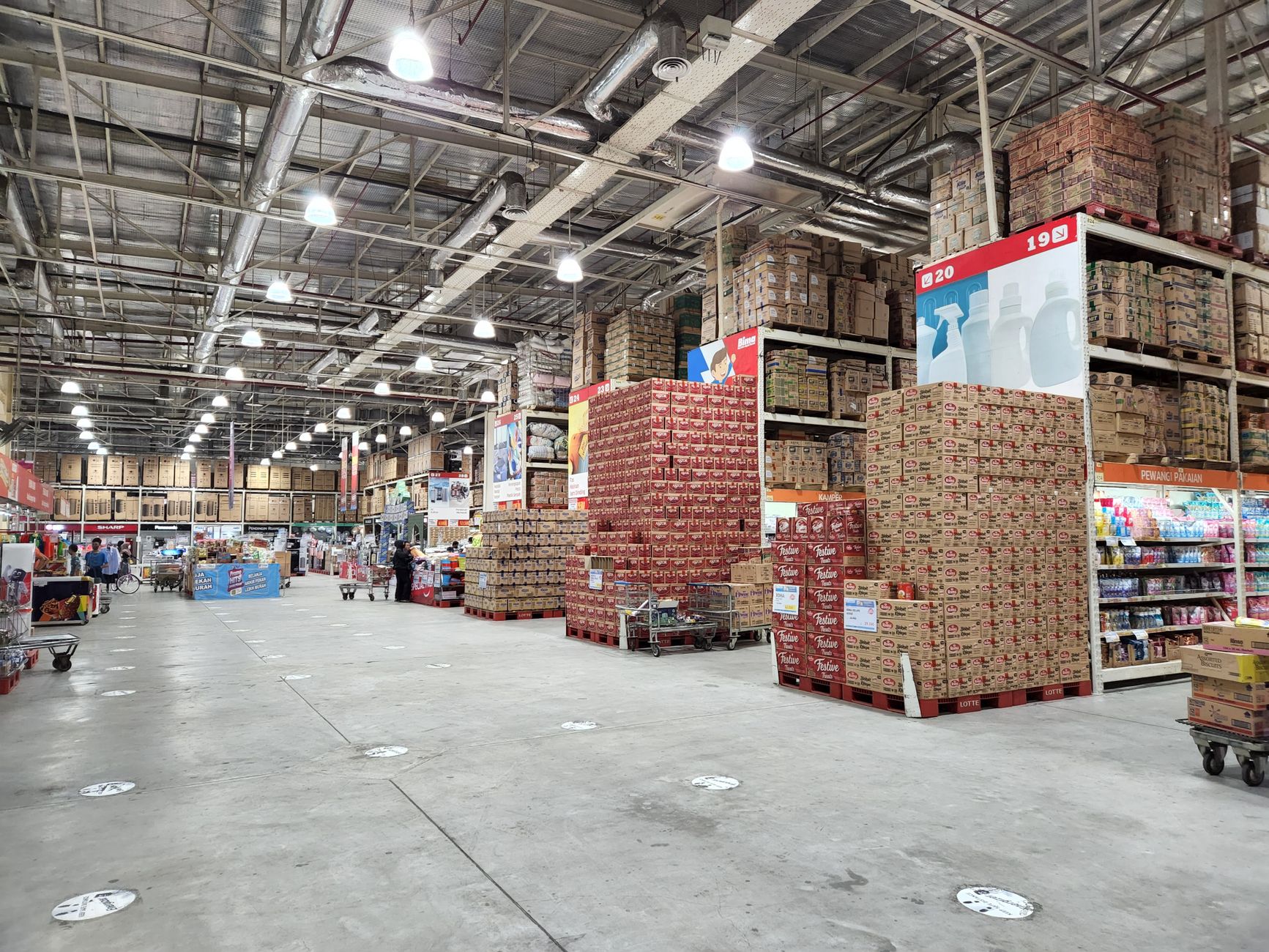
Many shoppers assume Costco size is automatically the cheapest version of a trusted brand. Sometimes it is. Other times, a supermarket sale, coupon, store brand, or smaller package beats it. The only way to know is to compare the product you actually use, not just the familiar logo.
This matters most for detergent, paper goods, coffee, vitamins, batteries, and pantry staples where sizes vary widely. Watch for different formulas, sheet counts, concentrated versions, or serving sizes that make comparisons confusing. If the item is not clearly cheaper and you do not need that much, leave it for a better-timed sale.
Warehouse clubs are strongest when you shop with a short list, a clear storage plan, and a few known prices in your head. The goal is not to avoid bulk buying. It is to reserve it for items your household already uses often, finishes on time, and can store without creating clutter.
Before the next trip, check your pantry, freezer, and calendar. If the item passes all three tests, the Costco deal is more likely to be a real bargain instead of a bigger version of a purchase you did not need.