
From automatic insurance renewals to duplicate roadside help, these routine car bills deserve a second look before they become permanent budget leaks.
Car ownership has a way of turning small charges into background noise. A few dollars at the pump, a monthly wash plan, an add-on at the service desk, or a renewal notice you barely read can all feel normal. The problem is not that every charge is bad. It is that many drivers keep paying long after the value has faded. These eight car costs are worth questioning before the next bill, receipt, or service appointment hits your budget.
Automatic Insurance Renewal
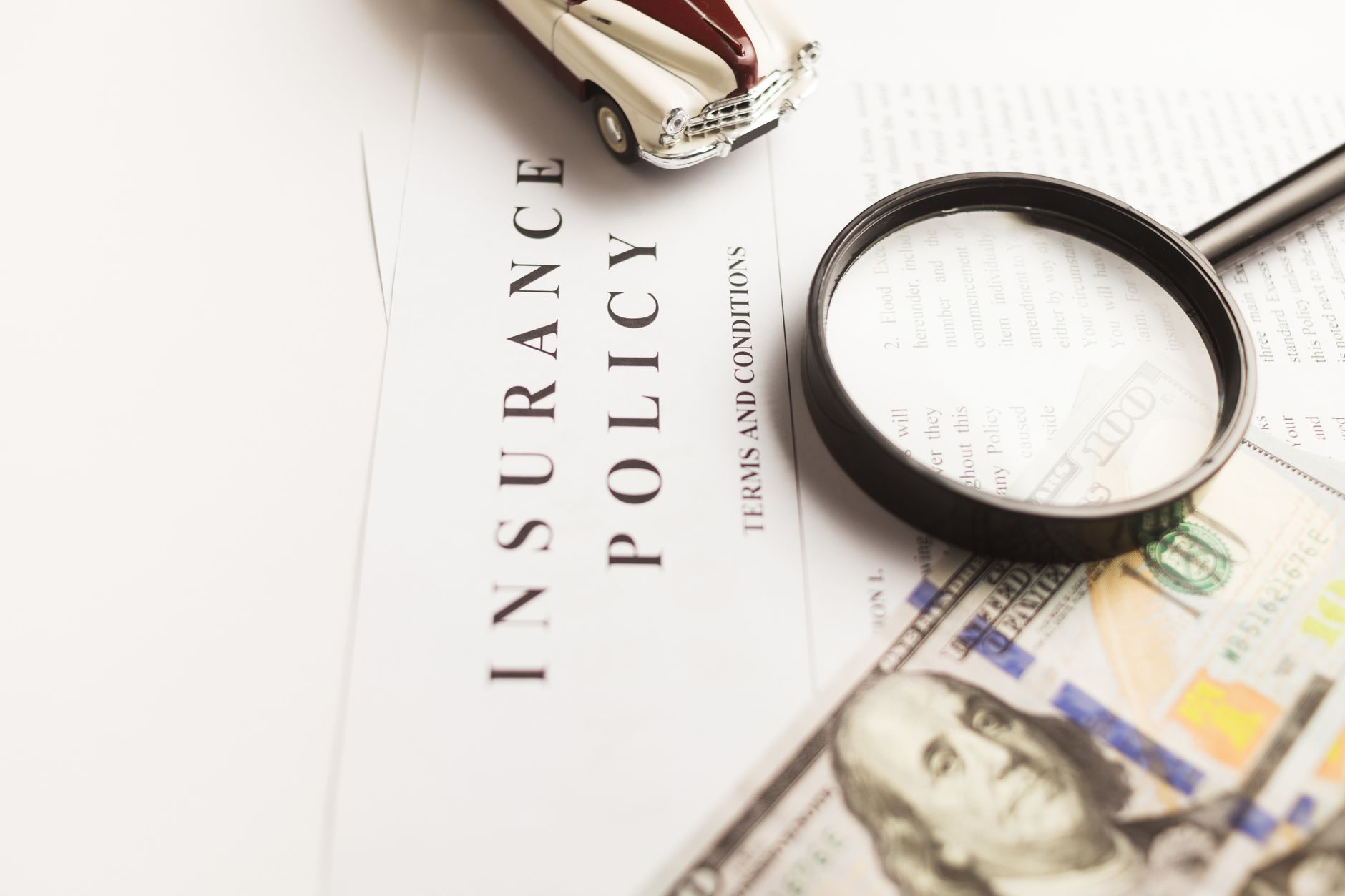
Auto insurance is one of the easiest car costs to leave on autopilot because the bill often renews before drivers compare anything. That convenience can be expensive if your mileage, vehicle, household drivers, deductible, or discount eligibility has changed. The same policy that made sense last year may not match how you drive now, especially if you work from home more often or have paid off a vehicle.
- Check next: ask for a current declarations page and compare coverage line by line.
- Watch for: old add-ons, missing discounts, or deductibles you would not choose today.
This does not mean chasing the cheapest policy blindly. It means making sure the renewal still fits your real risk, car value, and budget.
Premium Gas at the Pump
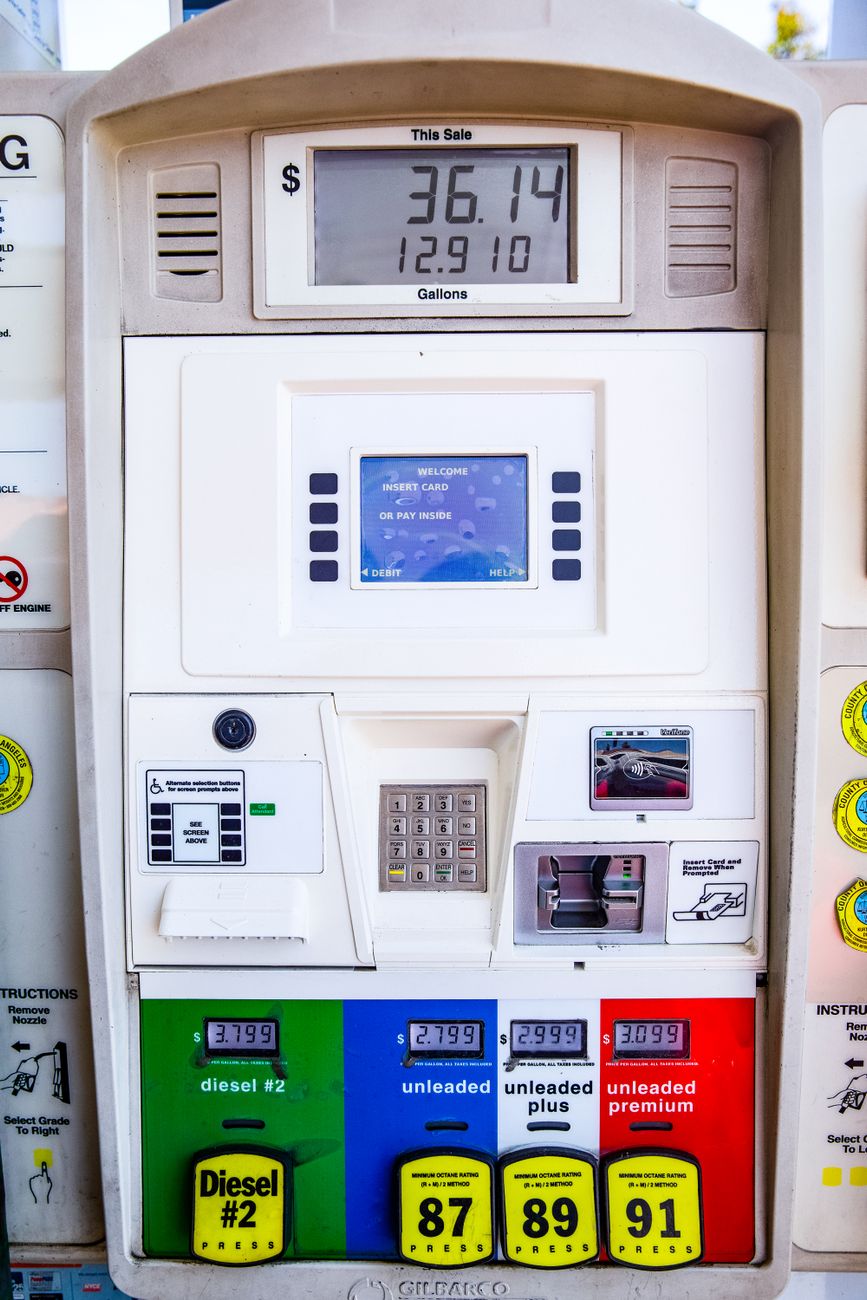
Premium gas feels like a treat for the engine, but many everyday vehicles are designed to run perfectly well on regular fuel. If the owner manual says premium is required, follow it. If it says premium is recommended, the decision is different. Drivers sometimes keep buying the higher grade because a salesperson, family member, or old habit made it sound safer than it really is.
- Check next: read the fuel section of the owner manual or the label inside the fuel door.
- Watch for: paying extra for performance benefits you may never notice in normal driving.
The smarter move is not guessing at the pump. Match the fuel to the manufacturer guidance and your actual driving needs.
Oil Change Upsells
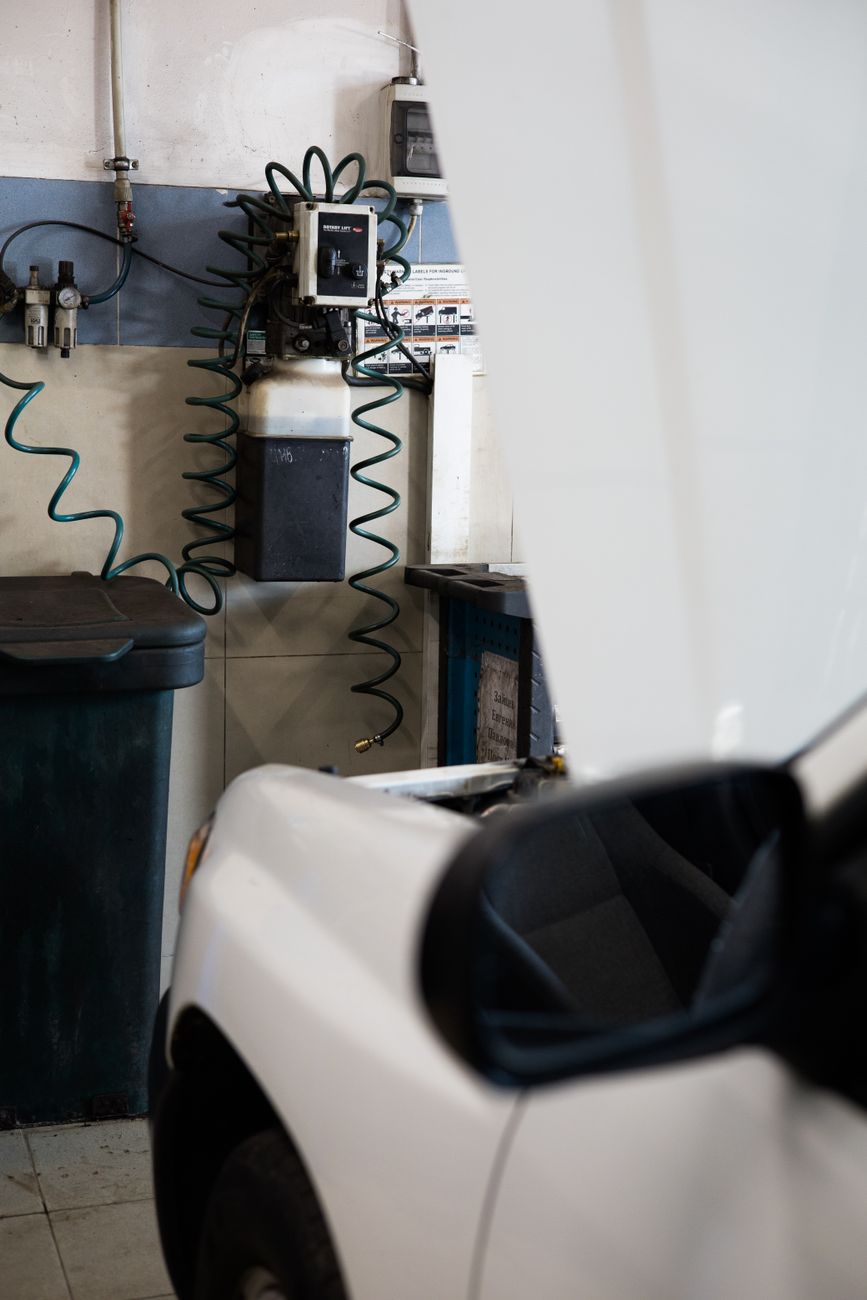
An oil change can turn into a longer receipt when the counter pitch includes filters, flushes, additives, wipers, and inspection items. Some of those services may be legitimate. The cost leak starts when drivers approve every recommendation without asking whether it is due by mileage, condition, or the maintenance schedule. A quick visit becomes a habit of saying yes under time pressure.
- Check next: compare each recommendation with the maintenance schedule for your vehicle.
- Watch for: vague wording such as dirty, old, or recommended without a mileage or condition reason.
Keeping up with maintenance saves money over time, but that is different from buying every add-on the moment it is offered.
Dealer Maintenance Packages
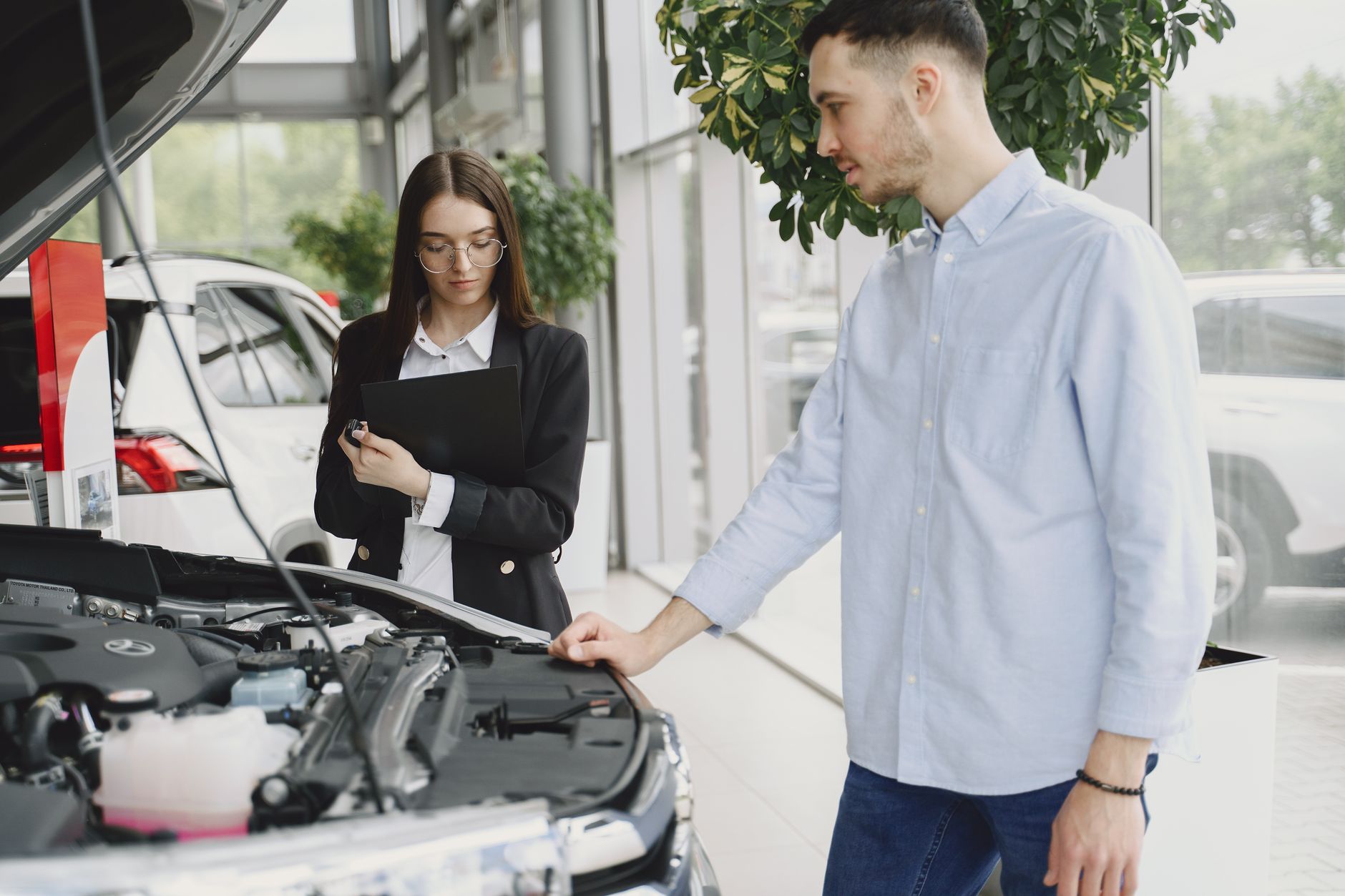
Dealer maintenance packages can be helpful for drivers who value predictable visits and plan to keep the car within the covered period. They can also become an overpayment when the package includes services you will not use, duplicates included maintenance, or locks you into a location that is no longer convenient. The key question is not whether the dealer is bad. It is whether the package price beats paying for the actual scheduled work as needed.
- Check next: list every included service and its normal interval.
- Watch for: packages that bundle vague inspections with few high-value services.
Before buying or renewing, compare the package to your mileage, driving plans, and trusted independent shop prices.
Tire Protection Plans
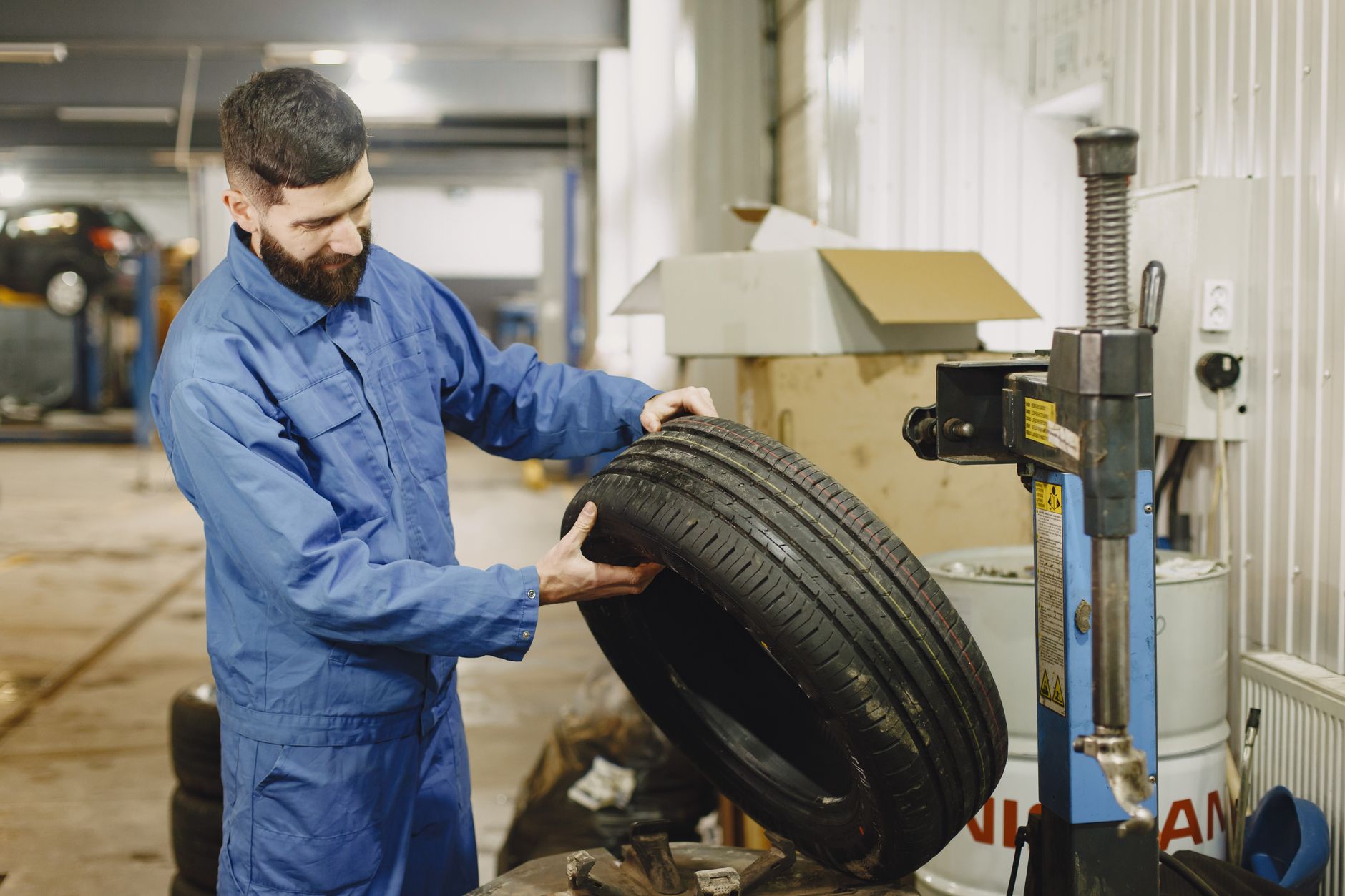
Tire protection plans sound reassuring because potholes, nails, and curb damage are real. The part drivers often skip is reading what the plan excludes and how claims are handled. Some plans may cover road hazards but not cosmetic damage, uneven wear, alignment problems, or tires below a certain tread depth. Others require repairs at specific locations, which can be inconvenient during a trip.
- Check next: ask what is covered, what is excluded, and whether replacement is prorated.
- Watch for: protection that costs close to what a likely repair would cost out of pocket.
For some drivers, the plan is useful. For others, a small emergency fund for tire repairs may be simpler and more flexible.
Extended Warranty Contracts

Extended warranty contracts can reduce worry, especially on vehicles with expensive electronics or repair histories. They can also cost more than drivers realize when deductibles, exclusions, claim approvals, and repair-location rules enter the picture. The mistake is treating the contract like complete coverage when it may only cover certain components under specific conditions.
- Check next: read the covered parts list and the exclusions before signing or renewing.
- Watch for: overlap with factory coverage, certified pre-owned benefits, or a warranty you already have.
A good contract should be understandable before there is a breakdown. If the terms are hard to explain, slow down and compare the cost with likely repairs.
Car Wash Subscriptions
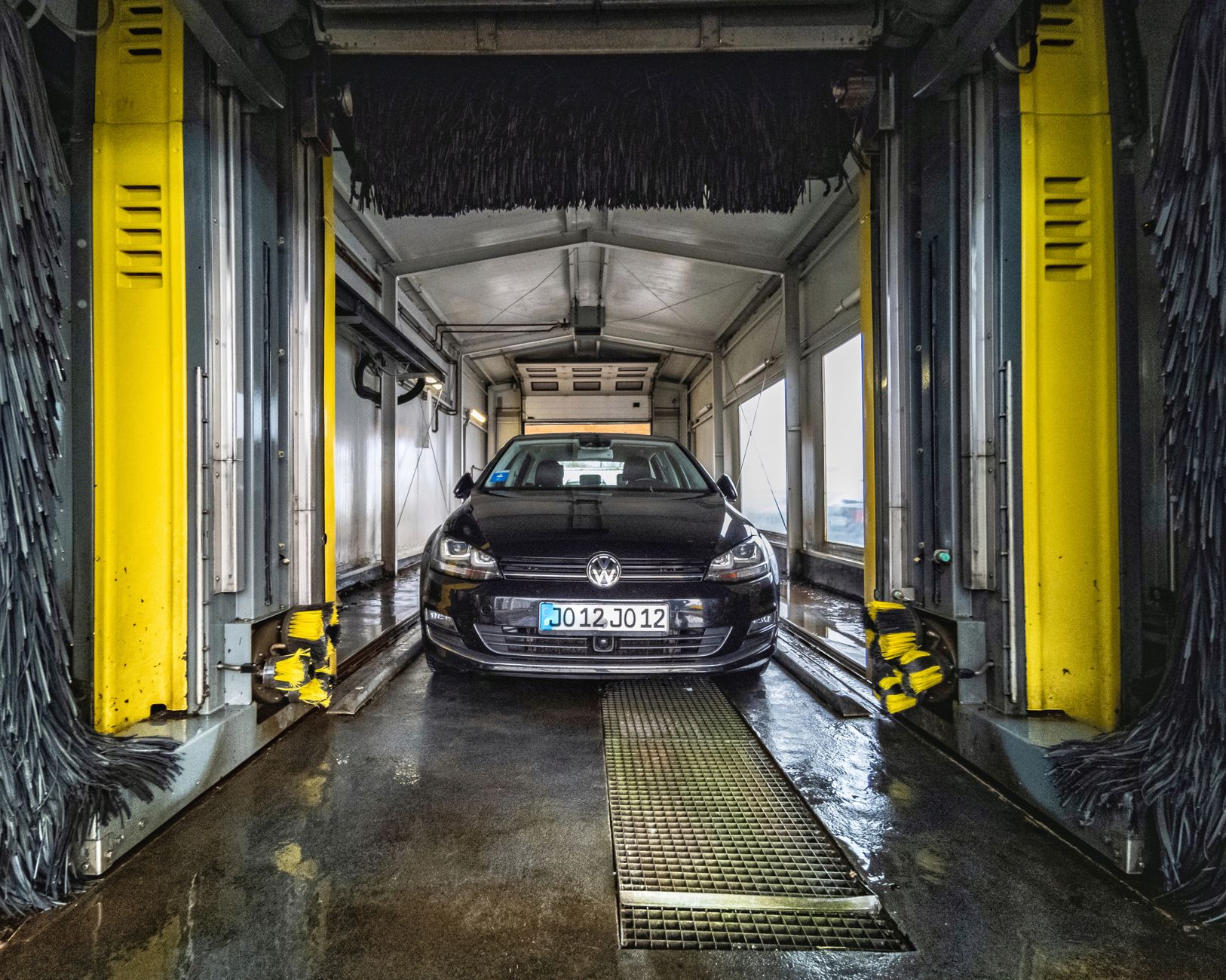
A monthly car wash plan can be a good deal for drivers who use it often, especially in areas with road salt, pollen, or dusty commutes. It becomes a quiet drain when the subscription renews even during busy months, bad weather stretches, vacations, or seasons when the car barely gets washed. Because the charge is usually small compared with repairs or insurance, it often escapes review.
- Check next: count how many washes you used in the last two billing cycles.
- Watch for: paying for premium tiers when a basic exterior wash would do.
If you are not using the plan enough to beat the single-wash price, canceling or downgrading may be the easiest car savings available.
Duplicate Roadside Assistance
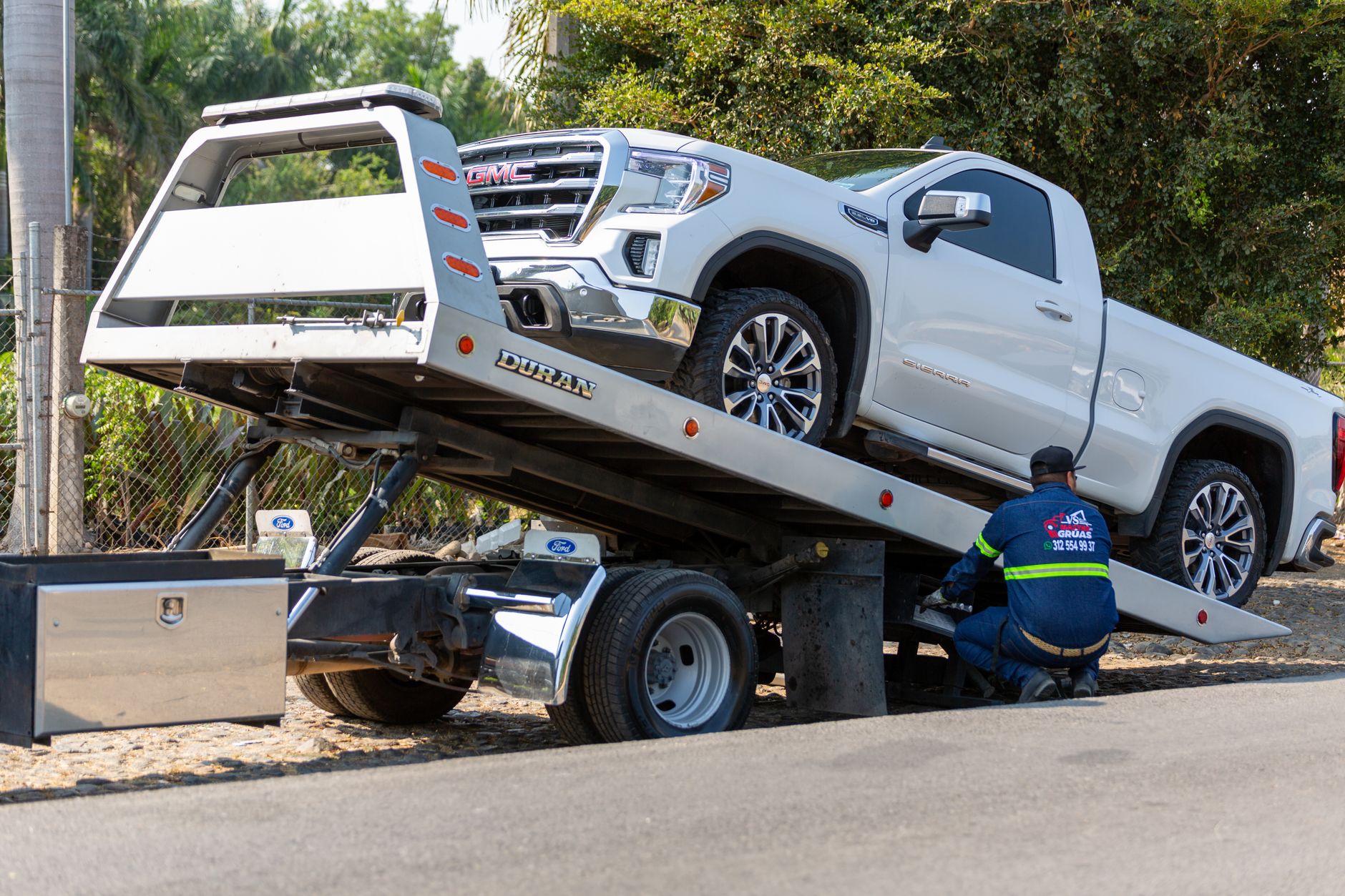
Roadside assistance is useful when a battery dies, a tire goes flat, or keys get locked inside the car. The waste happens when drivers pay for the same basic help through multiple places at once. Coverage may already be included through an auto insurance add-on, credit card benefit, new-car warranty, motor club membership, phone plan, or even a tire purchase.
- Check next: make a list of every membership, policy, and card that mentions towing or roadside help.
- Watch for: duplicate towing limits, overlapping jump-start coverage, and memberships no one in the household uses.
The goal is not to be stranded to save a few dollars. It is to keep one dependable option and stop paying for copies of the same service.
The best car savings usually start with one question: would I choose this charge again today? Pull the latest bills, service receipts, and membership renewals, then look for overlap, expired habits, and add-ons that no longer match how you drive. Some costs will earn their place. Others may be ready to cancel, downgrade, or shop around.