
A low menu price can still turn into a not-so-cheap outing once drinks, swaps, fees, and ordering habits pile on.
A cheap meal usually starts with a number that feels harmless: a sandwich special, a lunch combo, a bowl, a burger. The surprise comes later, when the receipt shows how many small choices tagged along. None of these moves are automatically wrong, and some are worth it when you truly want them. But if the goal is to keep eating out affordable, these are the restaurant choices most likely to make a bargain meal cost more than expected.
The Fountain Drink
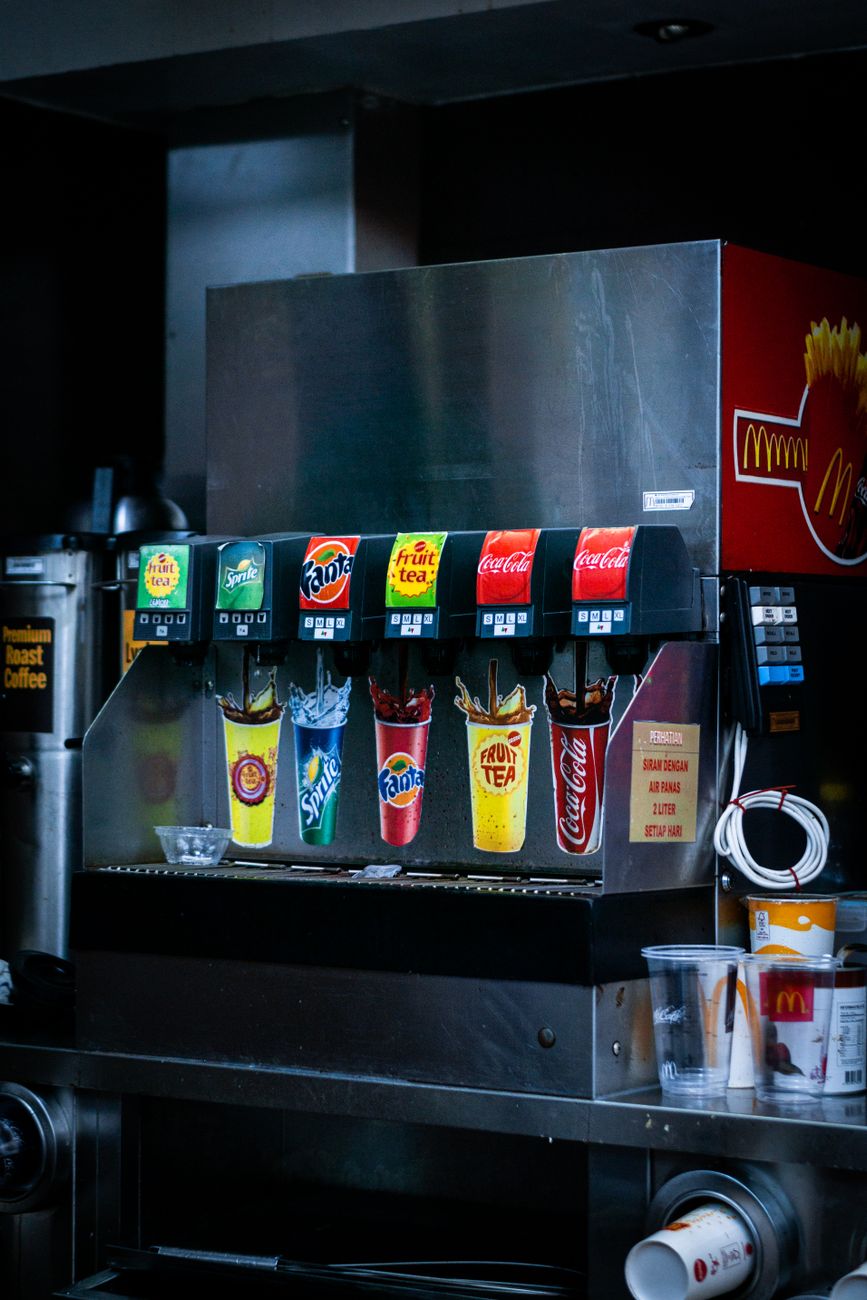
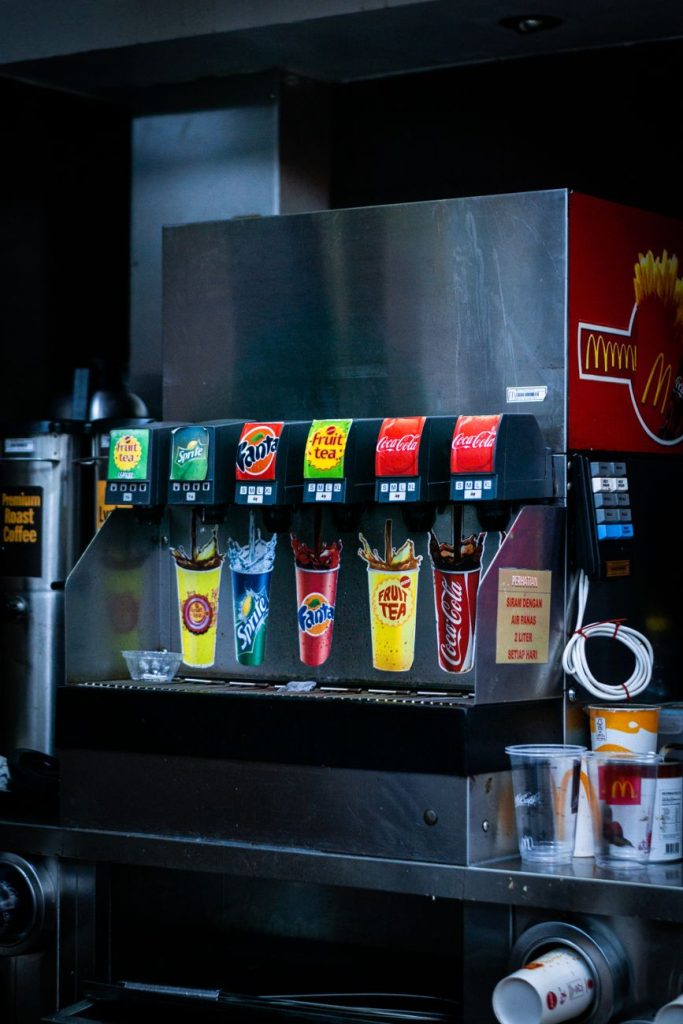
The fountain drink is one of the easiest upgrades to say yes to because it feels small compared with the main meal. But when a water cup would have done the job, that drink can turn a low-cost order into a higher tab before tax and tip are added. This matters most for families, work lunches, and anyone eating out several times a week, because the repeat cost is what sneaks up.
- Check next: whether the combo is still cheaper after adding the drink.
- Watch for: automatic upsizing or specialty lemonade and tea priced above basic soda.
- Simple move: choose water when the drink is only a habit, not something you actually want.
The Appetizer Basket
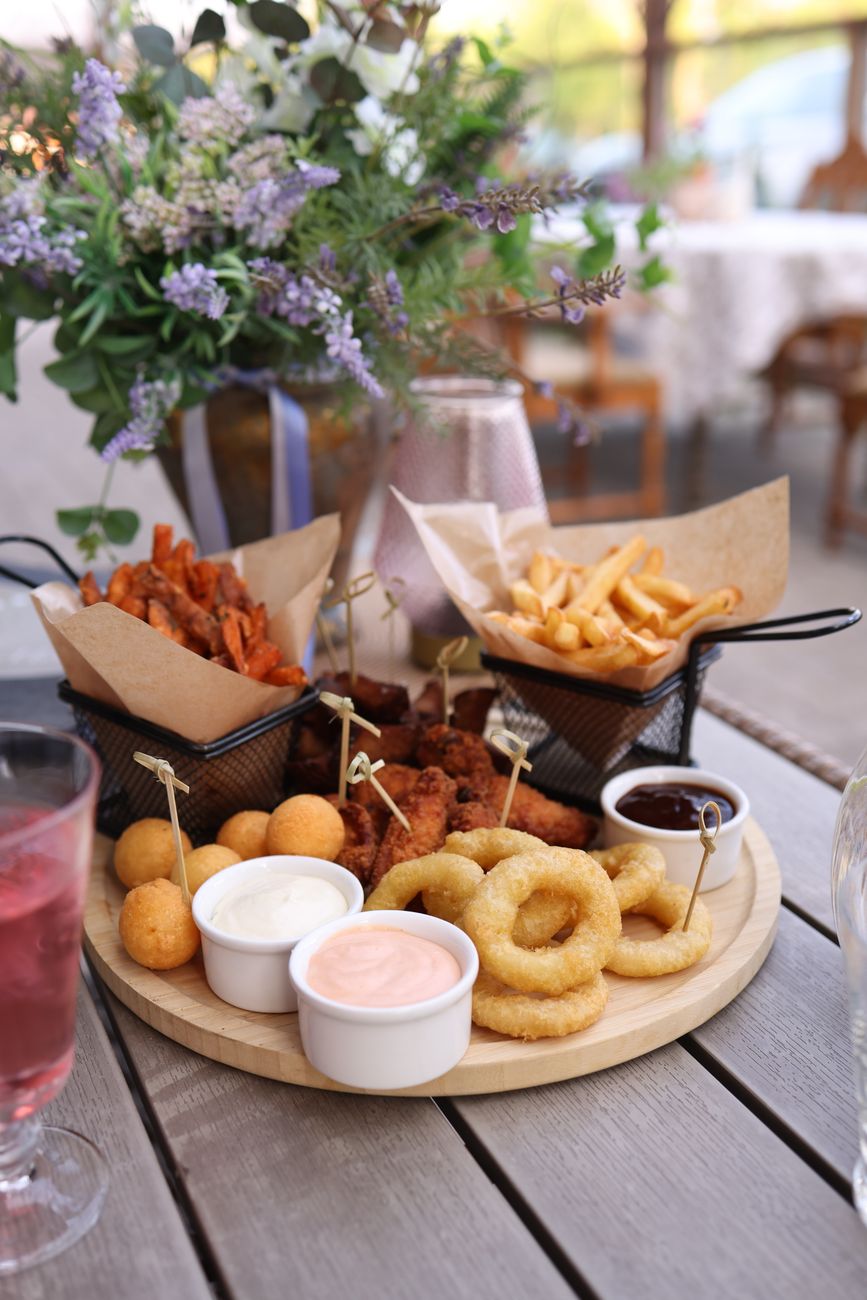
The appetizer basket can make a cheap entree stop being cheap, especially when it arrives before anyone has a real sense of how filling the main order will be. Fries, wings, chips, mozzarella sticks, or breaded starters often feel shareable, but they also add another menu item to a meal that may already include sides. It helps groups avoid hunger while waiting, yet it can create wasted food and a noticeably higher check.
- Who it affects: families with kids, couples sharing plates, and groups ordering casually.
- What can go wrong: everyone gets full early, then still pays for full entrees.
- Check next: whether one larger entree or a side order would satisfy the table for less.
The Premium Side Swap
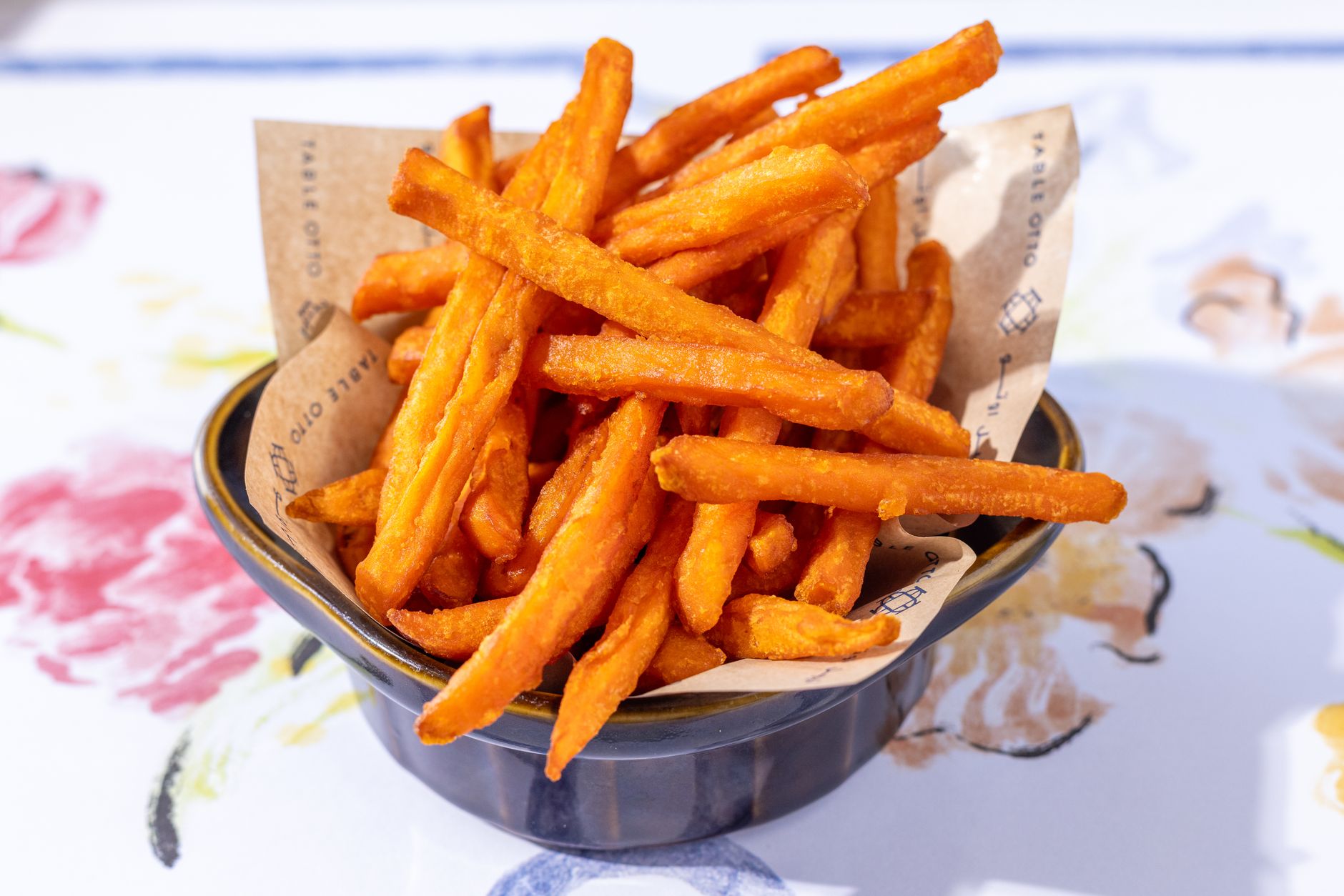
The premium side swap is easy to miss because it sounds like a small improvement instead of a separate charge. Sweet potato fries, onion rings, cup of soup, side salad, mac and cheese, or loaded potatoes may replace the standard side only after an upcharge. That can be perfectly reasonable if it is the part of the meal you most want, but it is expensive when the default side would have been fine.
- Why it matters: the upgrade is often mentioned verbally, while the extra cost may be smaller on the menu.
- What to check: whether the side is included, substituted, or added.
- Smart habit: ask the price before agreeing to the swap, especially at lunch specials.
The Split-Plate Fee
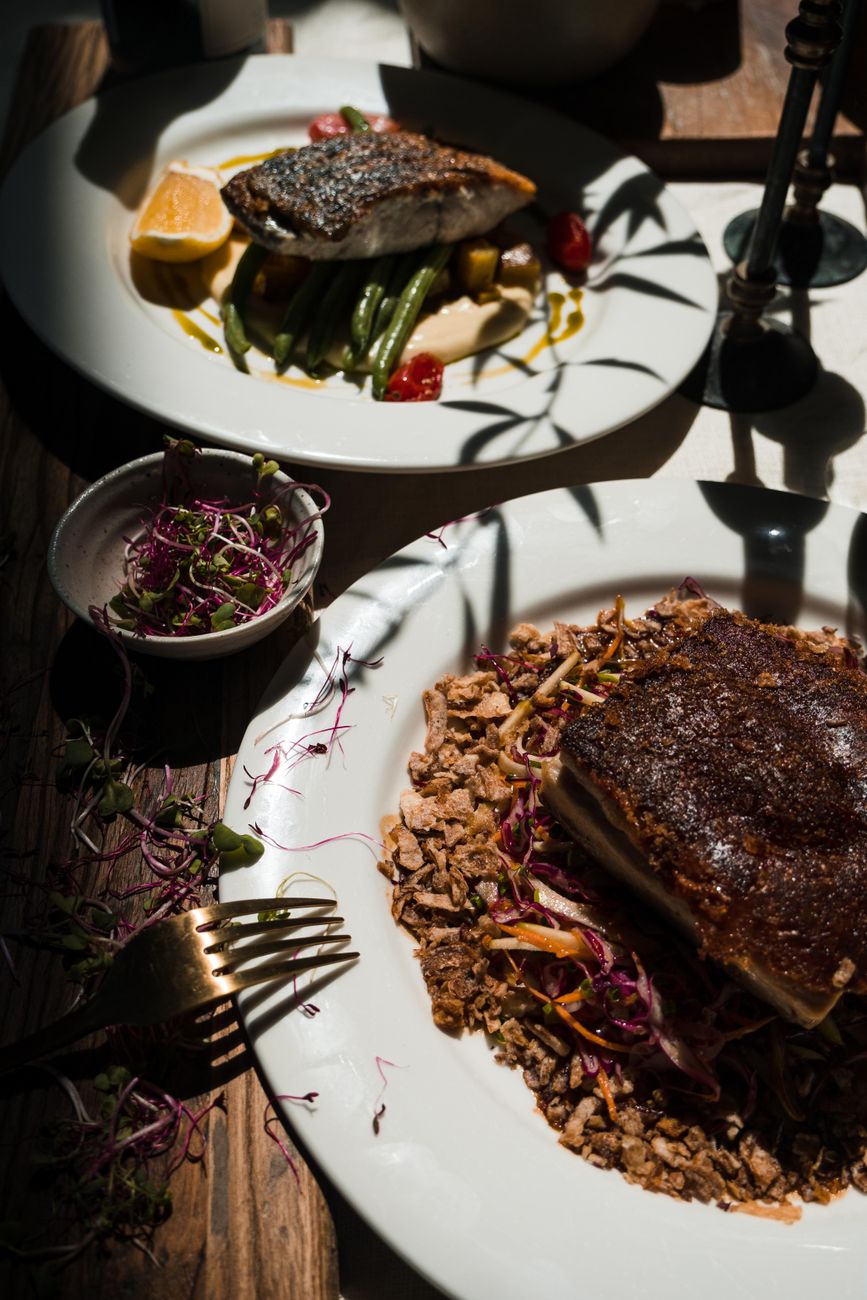
The split-plate fee is not universal, but it can surprise diners who share an entree to save money or avoid leftovers. Some restaurants charge for dividing one dish onto two plates, adding extra sides, or providing additional service for a shared meal. It can still be cheaper than ordering two full entrees, but only if the fee is understood before ordering. The issue is not sharing; it is assuming sharing is free everywhere.
- Who it helps to know: couples, seniors, light eaters, and parents splitting meals with kids.
- What can go wrong: the receipt includes a fee nobody noticed on the menu.
- Check next: ask for an extra empty plate instead of a kitchen split if that is allowed.
The Delivery Button
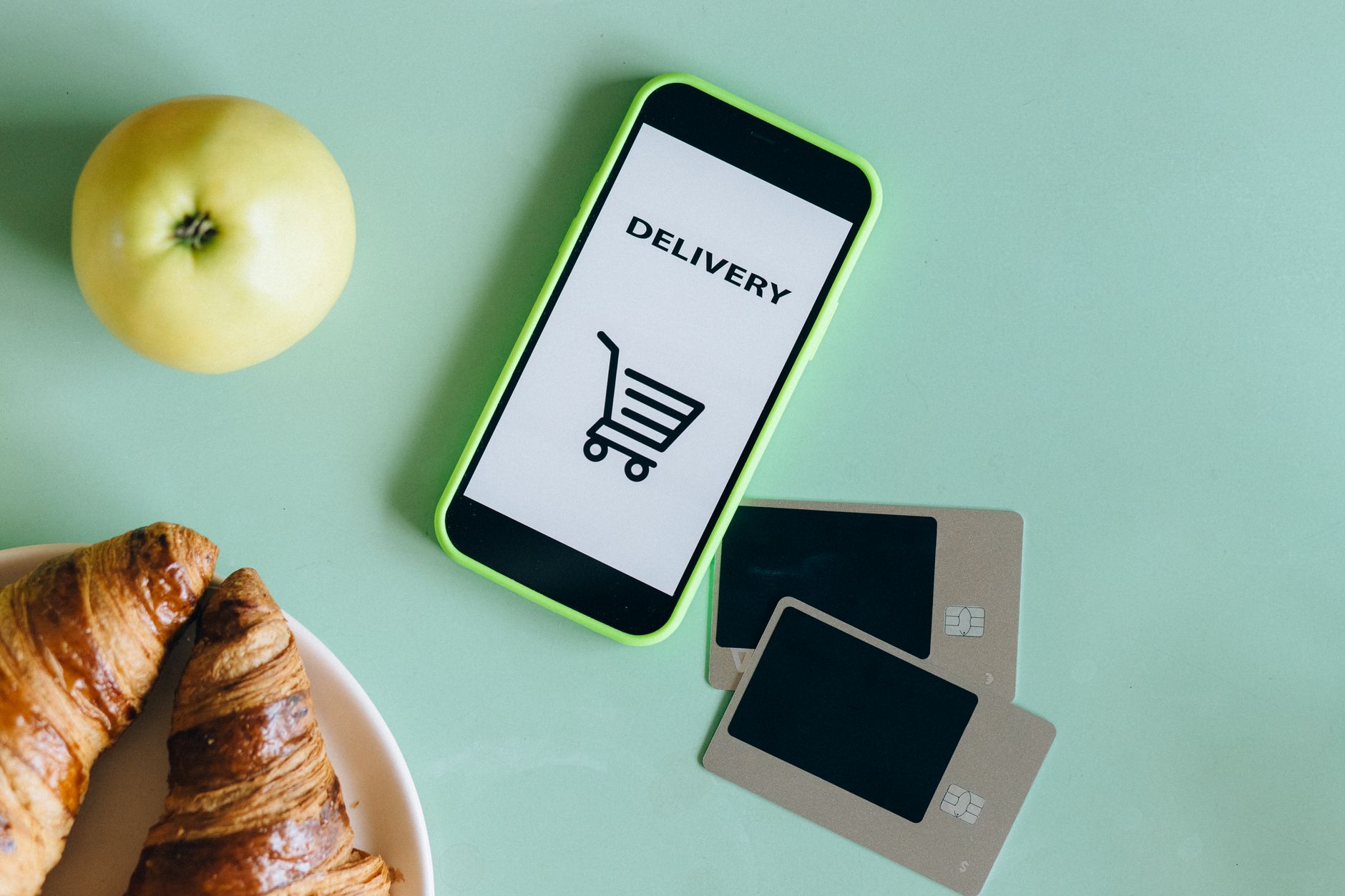
The delivery button can turn a modest restaurant order into a much bigger purchase because the final price may include service fees, delivery charges, menu markups, taxes, and tip. The convenience can be worth it on a busy night, but it is not the same as buying the same meal at the counter. For anyone trying to keep restaurant spending under control, delivery is the choice that deserves the most careful final-screen check.
- Why it matters: the low entree price is not the full cost of the order.
- What to check: pickup price versus delivery total before tapping place order.
- Simple move: use pickup when the restaurant is nearby and time allows.
The easiest way to keep a cheap restaurant meal cheap is not to avoid every add-on. It is to pause before the choices that feel automatic. Drinks, starters, side upgrades, shared-plate rules, and delivery fees can all be reasonable when they are intentional. Before ordering, scan the menu notes, ask about upcharges, and compare the final total with what you planned to spend. That quick check can protect the bargain you thought you were getting.