

Some purchases look like adulting wins. Then come the repairs, fees, storage problems, and barely used features.
A good home purchase should solve a real problem, not create a new line item in the budget. The tricky ones often look responsible at first: they promise convenience, efficiency, safety, or long-term savings. But the payoff can disappear once you count maintenance, subscriptions, repairs, storage, and how often the item actually gets used. Before adding another practical-looking upgrade to the house, these five buys deserve a second look.
Smart Refrigerator

A smart refrigerator can sound like a useful upgrade: grocery reminders, touchscreens, app alerts, and sleek storage. The problem is that many households end up using it like a regular refrigerator after the novelty wears off. The screen and connected features can add cost upfront, and repairs may be more expensive than a simpler model because there are more parts that can fail.
- Why it rarely pays off: the main job is still keeping food cold, and standard refrigerators already do that well.
- What to check next: compare energy use, repair history, shelf layout, and warranty terms before paying for connected features.
- Who it affects: busy families may like the idea, but they can often get the same planning help from a shared grocery app.
Countertop Ice Maker

A countertop ice maker feels practical if your freezer is always short on ice or you entertain often. For many homes, though, it becomes another appliance taking up counter space, needing cleaning, and running at times when a basic ice tray would have worked. Some models also require frequent draining or descaling, which can make the convenience feel less convenient.
- Why it rarely pays off: the savings are limited unless you regularly buy bags of ice or host large gatherings.
- What can go wrong: neglected cleaning can lead to stale-tasting ice and a machine that sits unused.
- What to check next: estimate how much bagged ice you actually buy in a month before giving up counter space.
Robotic Lawn Mower
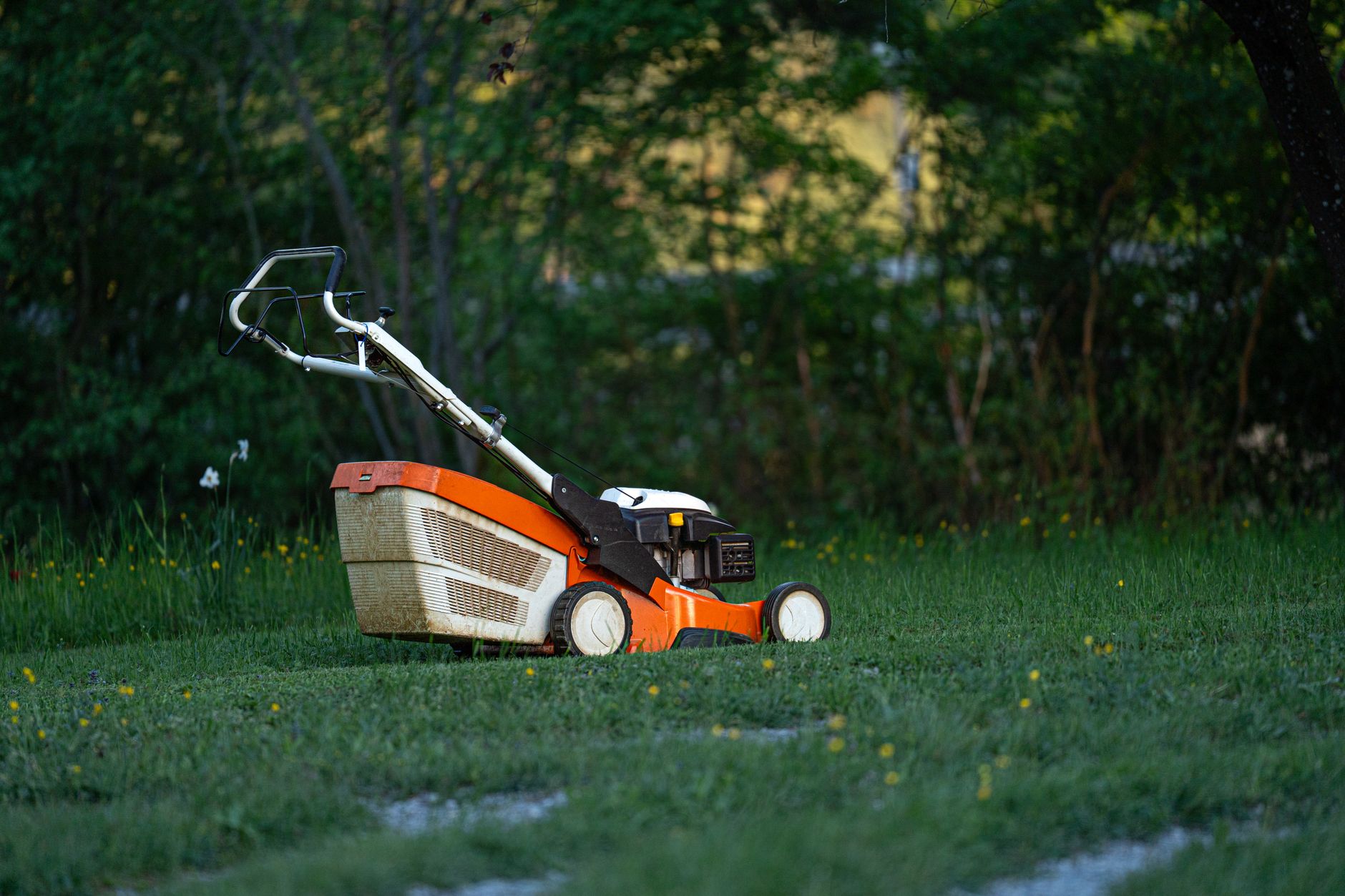
A robotic lawn mower can look like the ultimate practical shortcut, especially for anyone tired of weekend yard work. But the payoff depends heavily on the yard. Slopes, uneven ground, exposed roots, pets, toys, garden beds, and complicated boundaries can turn the setup into a project. Some owners still need a trimmer, a regular mower for problem spots, or professional help when the mower gets stuck or damaged.
- Why it rarely pays off: the upfront price can be high compared with occasional mowing help or a basic mower.
- Who it helps: it works best for simple, flat lawns with clear edges and few obstacles.
- What to check next: look at battery replacement cost, blade cost, theft risk, and whether your yard needs boundary wire.
Under-Desk Treadmill
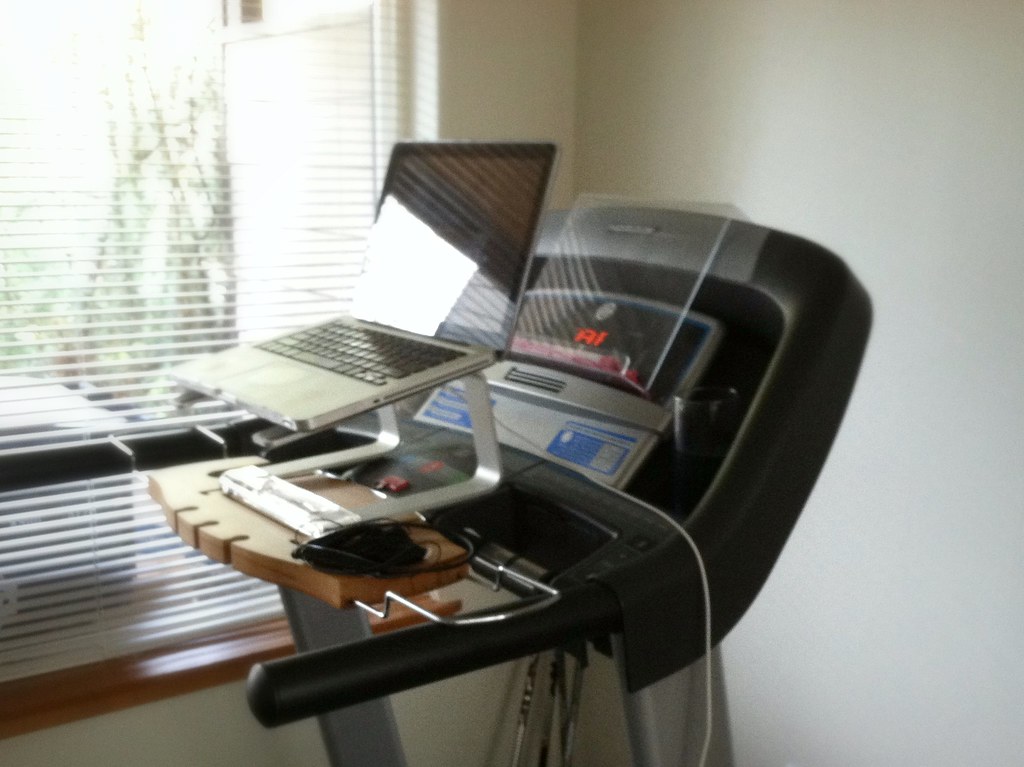
An under-desk treadmill has a strong practical pitch: move more while working, avoid the gym, and make a home office healthier. The catch is that it only pays off if it becomes a habit. Many people discover that typing, calls, focused work, and walking do not mix as smoothly as expected. Noise, storage, weight limits, and maintenance can also matter more than the product photos suggest.
- Why it rarely pays off: unused exercise gear quickly becomes expensive furniture.
- What can go wrong: a bulky unit may be hard to move, annoying on calls, or awkward in a shared space.
- What to check next: test your routine with scheduled walks or a standing desk mat before buying the machine.
Extended Appliance Warranty
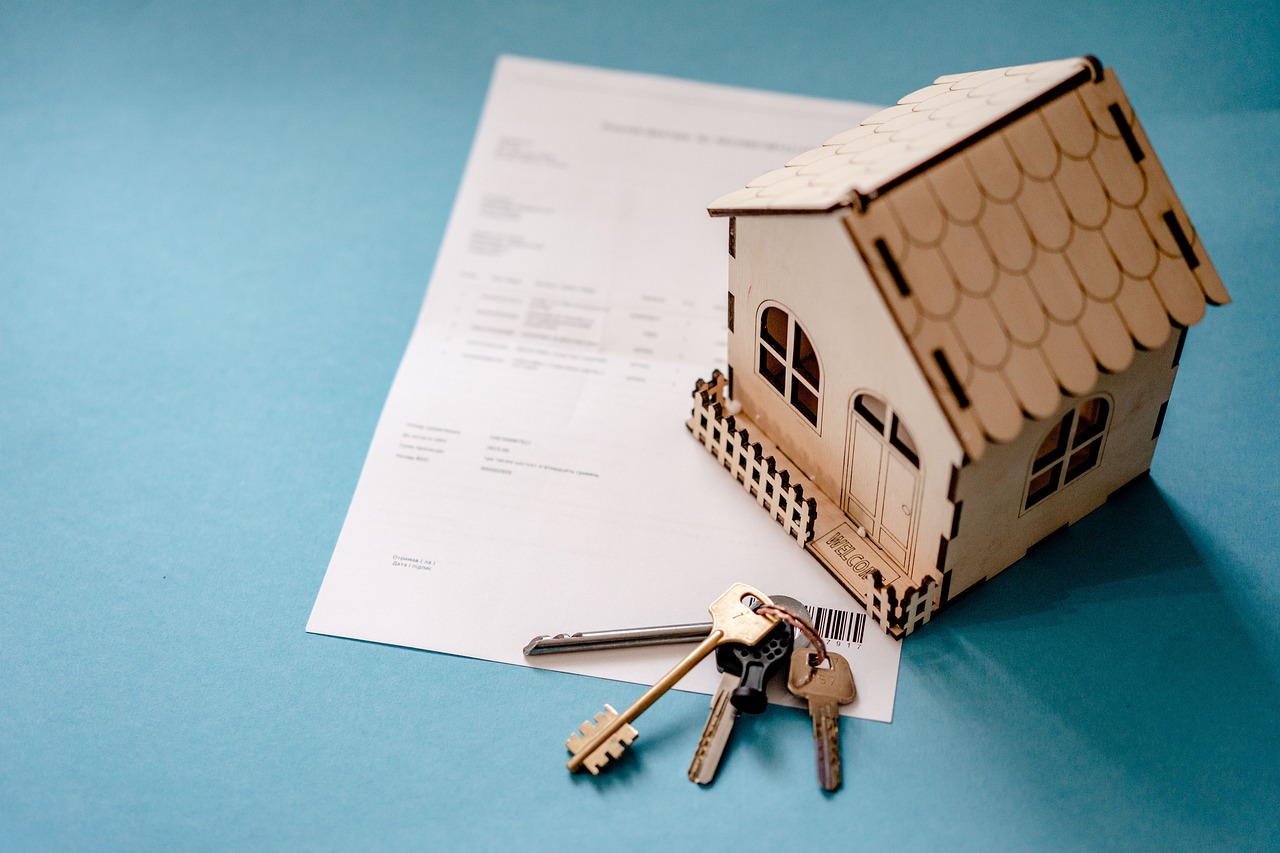
An extended appliance warranty feels responsible because it promises protection from a surprise repair bill. The issue is that the coverage can be narrower than shoppers expect. Deductibles, service delays, excluded parts, and overlapping manufacturer coverage can weaken the value. If the appliance is inexpensive or has a decent basic warranty, the extra plan may not save enough to justify the price.
- Why it rarely pays off: many repairs never happen during the covered window, or the fix costs less than expected.
- Who it affects: buyers of budget appliances may be better off keeping the warranty money in a home repair fund.
- What to check next: read what is excluded, how claims are handled, and whether labor, parts, and replacement are truly covered.
The safest test is simple: ask how often the purchase will be used, what it costs to maintain, and what cheaper option already solves most of the problem. If the answer depends on perfect habits, rare situations, or expensive add-ons, the practical-looking buy may not be practical for your home at all.