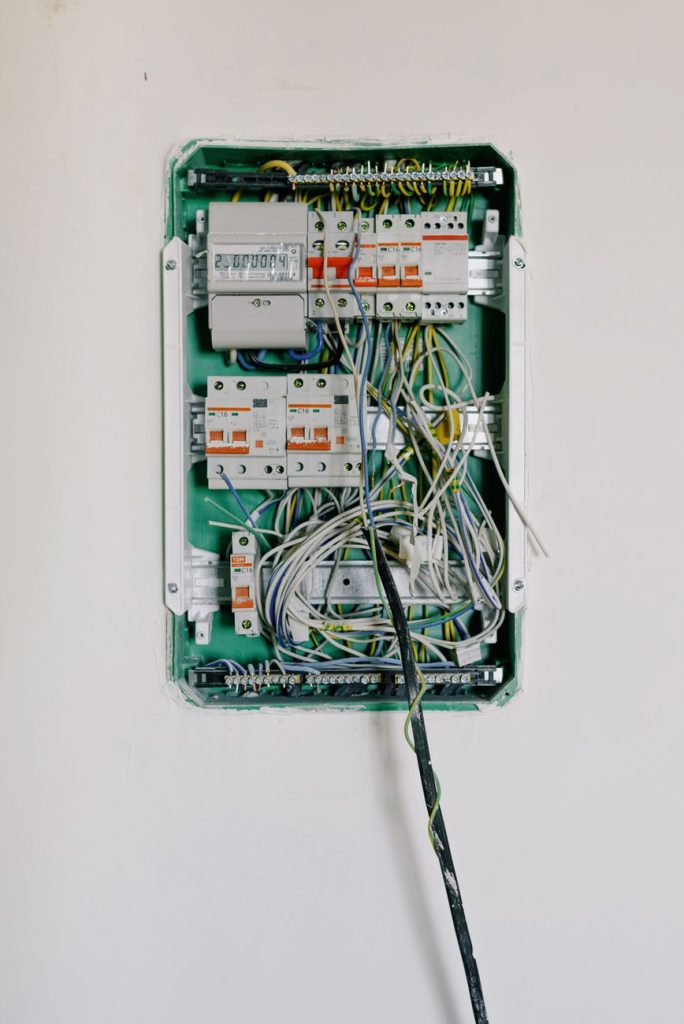

A few minutes with a filter, breaker, drain, gutter, or manual can separate a real repair from a simple fix.
Some repair calls are unavoidable. Others start with a small detail that got missed: a tripped breaker, a clogged filter, a loose drain nut, or a warranty card hiding in a drawer. Frugal homeowners are not trying to become plumbers, electricians, or HVAC techs overnight. They are trying to avoid paying for a visit that ends with a two-minute reset. These five checks can help you spot the obvious, describe the problem clearly, and know when it is time to step aside and call a licensed pro.
The Breaker Panel
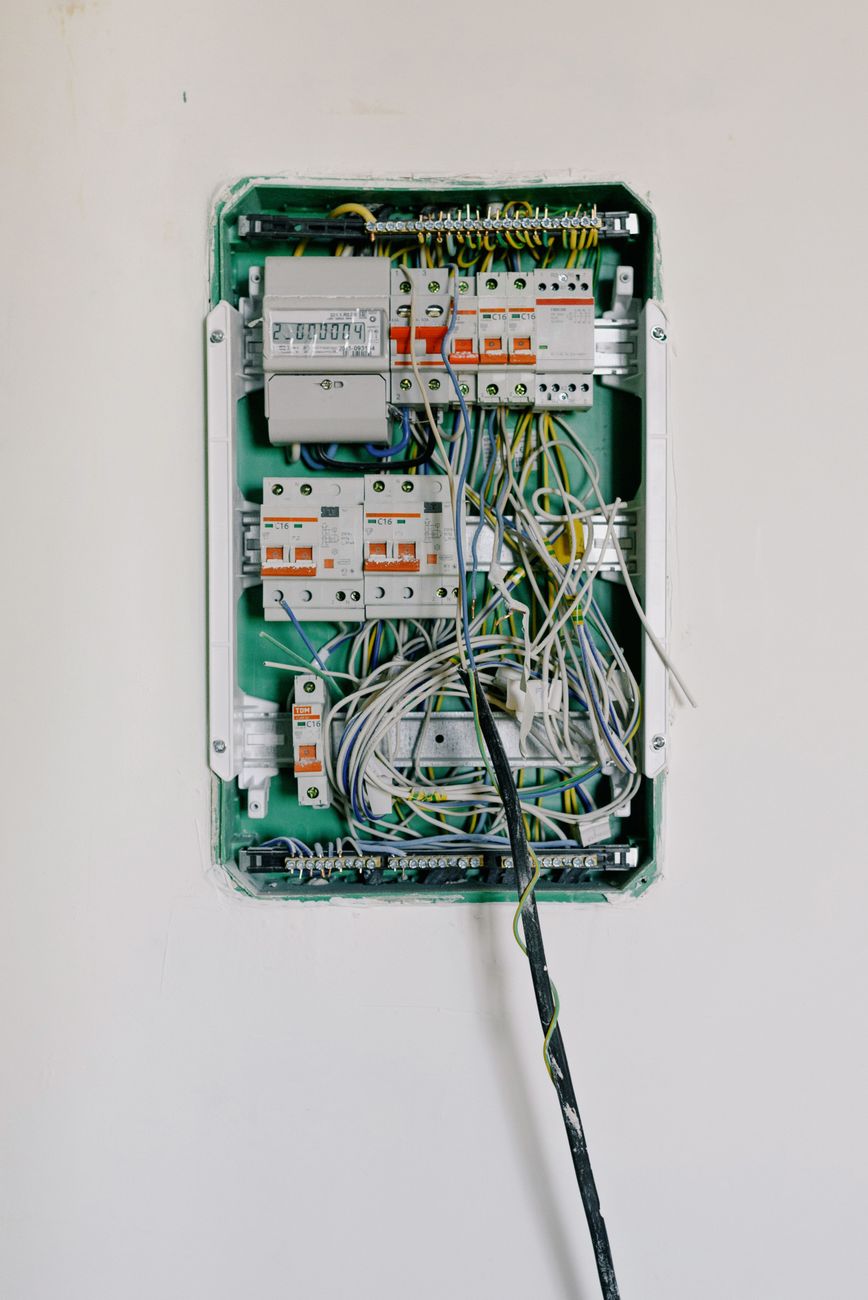
A dead outlet, dark room, or silent appliance can look like a bigger repair than it is. Before scheduling a service call, frugal homeowners check whether a breaker has tripped, a GFCI outlet has popped, or a labeled switch was turned off during cleaning or a storm. This matters because a reset may solve the symptom, but repeated tripping is a clue that something needs professional attention.
- Check next: look for one breaker sitting between on and off, then reset it once.
- Do not ignore: burning smells, heat, buzzing, scorch marks, or a breaker that trips again.
- Who it helps: anyone trying to explain the issue clearly before paying for an electrician.
If you are unsure, stop at the panel door. Electrical troubleshooting beyond a basic reset is not a money-saving shortcut.
The HVAC Filter
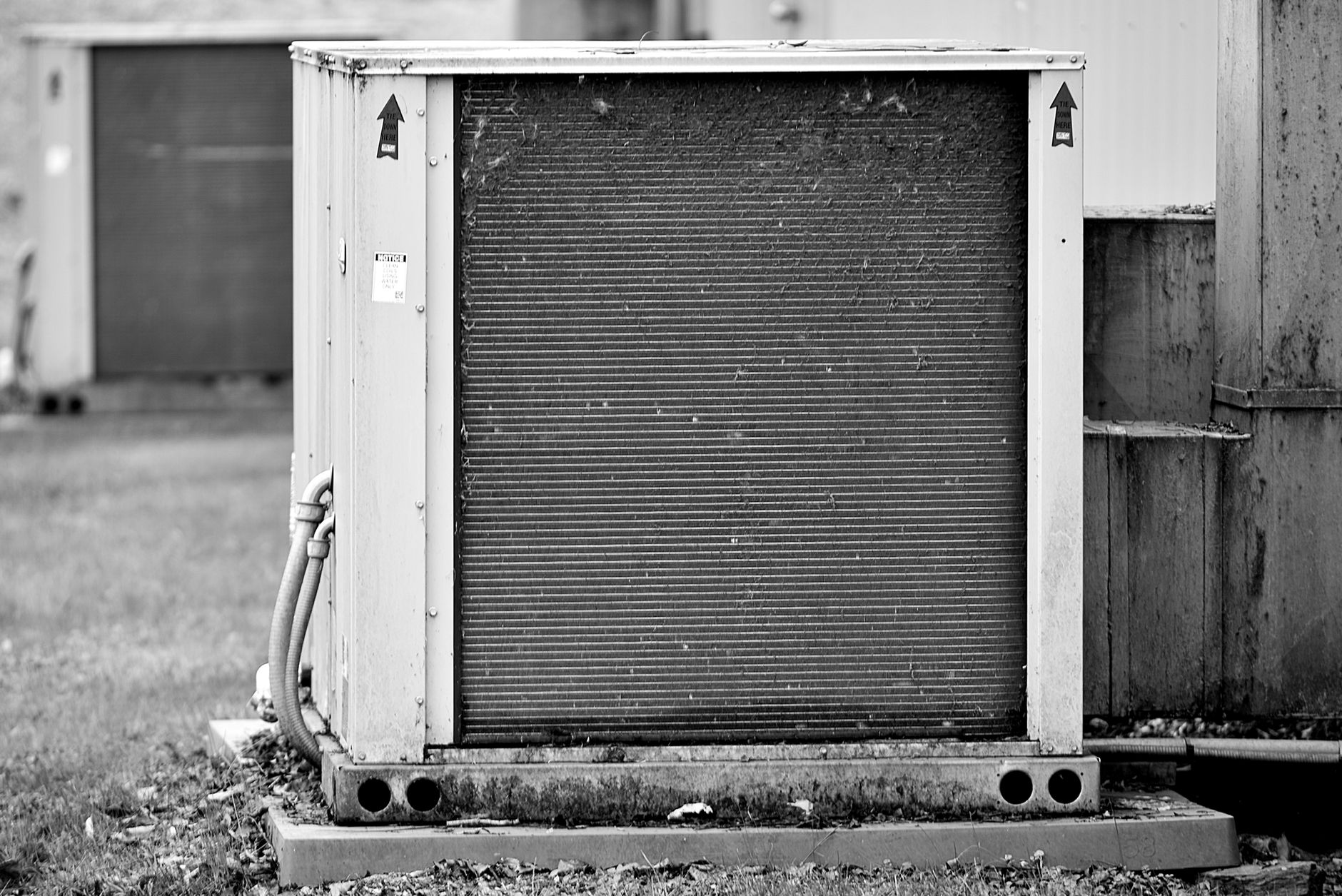
Weak airflow, uneven rooms, and a system that seems to run constantly can point to serious trouble, but the first check is often the cheapest one: the filter. A clogged HVAC filter can make equipment work harder, reduce comfort, and create symptoms that feel like a failing unit. Frugal homeowners check the filter size, installation direction, and replacement date before assuming the system needs a repair visit.
- Check next: confirm the filter is not packed with dust and that the arrow points with airflow.
- What can go wrong: using the wrong size can let dust bypass the filter or restrict air.
- When to call: if the system still struggles, leaks, short-cycles, or makes new noises after a correct filter change.
This check helps you avoid paying someone to discover maintenance you could have handled in minutes.
The Sink Cabinet
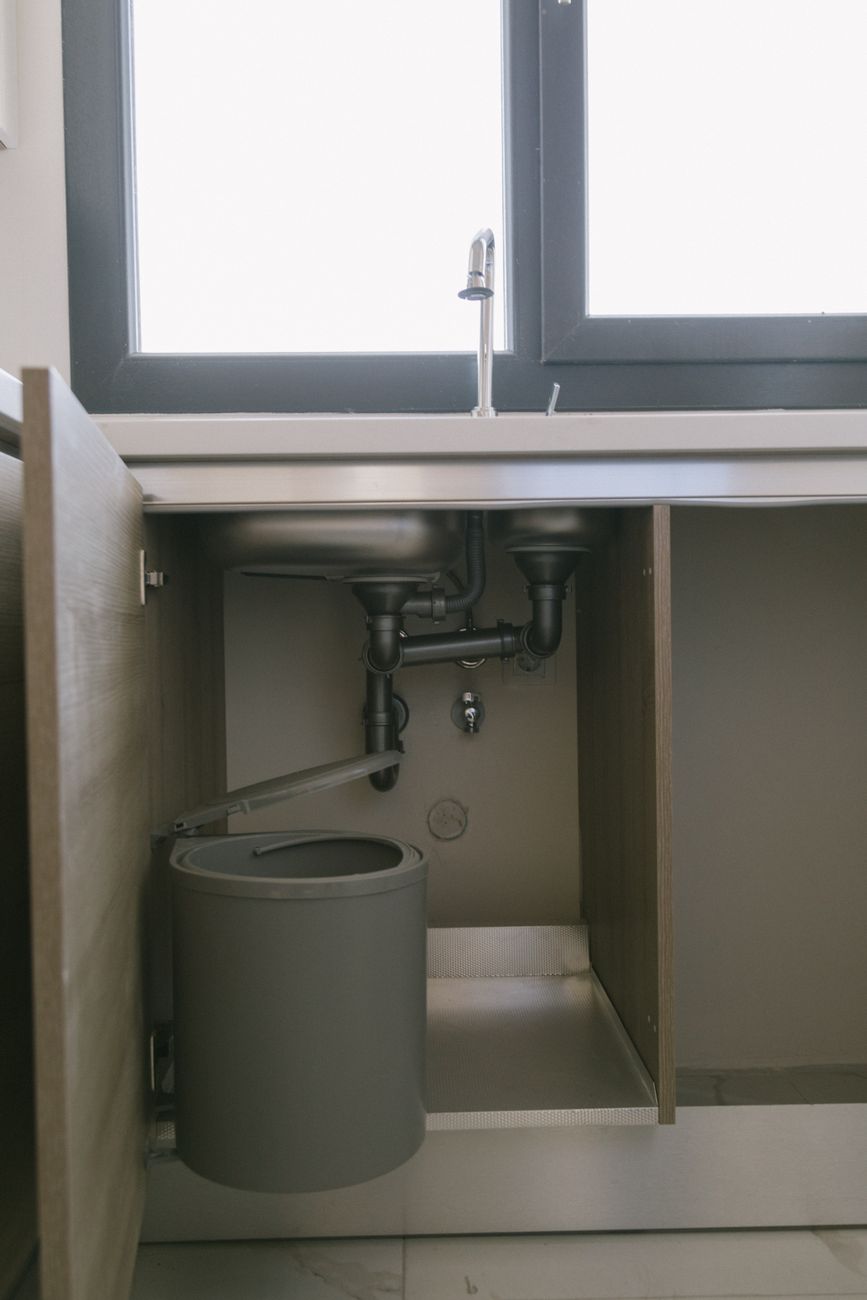
A puddle under the sink can trigger panic, especially when water is involved. Frugal homeowners open the cabinet, dry the area, and look for the source before calling. Sometimes the culprit is a loose slip nut on the drain, condensation on a cold pipe, a dripping supply valve, or water running down from the faucet base. Knowing which part is wet helps avoid vague repair calls and rushed decisions.
- Check next: run water, watch the drain trap, then check supply lines and shutoff valves.
- Why it matters: a tiny drip can ruin cabinet floors, attract pests, or lead to moldy smells.
- When to stop: if a valve will not shut off, a pipe is cracked, or water is spreading quickly.
The goal is not to rebuild plumbing. It is to identify whether the problem is simple, urgent, or clearly professional.
The Gutter Downspout

Basement dampness, soil erosion, and mystery water near a foundation can lead homeowners to fear a major repair. Before that call, frugal homeowners walk outside and check gutters and downspouts. A clogged elbow, missing extension, or downspout dumping water beside the foundation can create expensive-looking symptoms after heavy rain. Redirecting water is often one of the simplest ways to protect the house.
- Check next: confirm water exits away from the foundation and does not pool near walls.
- What can go wrong: packed leaves can force water over the gutter edge or behind fascia boards.
- Who it affects: homeowners with basements, crawl spaces, sloped yards, or recurring damp spots.
Use caution on ladders. If gutters are high, damaged, or hard to reach, the savings are not worth a fall.
The Appliance Manual
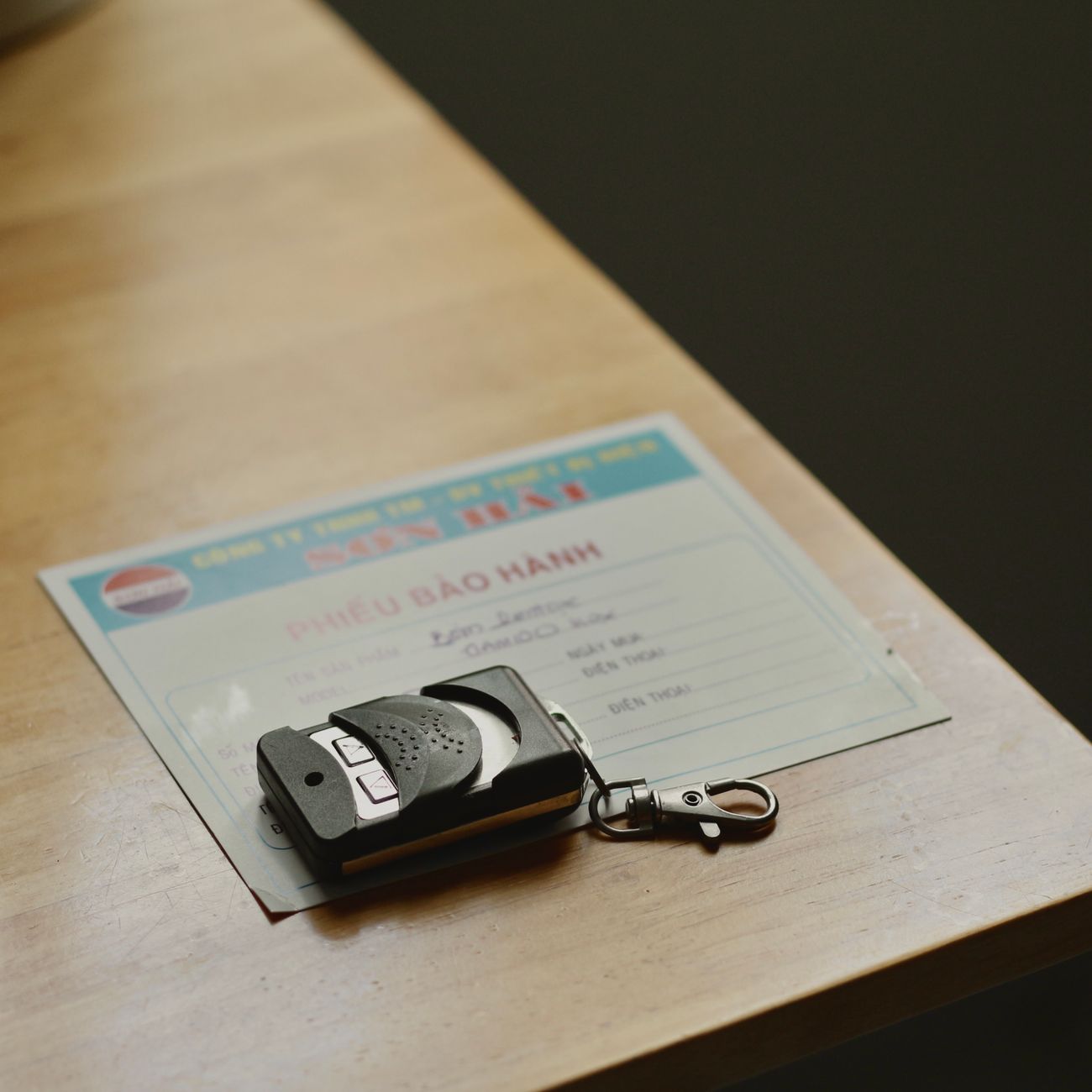
When a dishwasher flashes an error code or a dryer stops mid-cycle, the first instinct may be to book a technician. Frugal homeowners look for the manual, model number, purchase date, and warranty status first. The manual may explain a child lock, reset sequence, filter cleanout, or load issue. The receipt may show coverage that changes who should repair it and what the visit might cost.
- Check next: search the exact model number, not just the appliance type.
- Why it matters: parts, recalls, warranty rules, and error codes can vary by model.
- What can go wrong: paying out of pocket before checking coverage can turn a covered issue into an avoidable expense.
If the appliance involves gas, exposed wiring, burning smells, or leaking water, skip experiments and call the right professional.
Smart savings start with observation, not risky repair. Check the simple, visible things first, take photos, write down model numbers, and note when the problem happens. If the issue repeats, involves safety, or keeps getting worse, call a qualified pro with better information in hand. That makes the visit more useful and lowers the chance of paying for guesswork.