
Some items lose their new-item premium fast, even when they still have years of use left. These are the everyday buys many careful shoppers check secondhand first.
Buying used is not just a last resort for tight months. For many frugal households, it is the first place they look when an item does not need to be sealed, custom fitted, or covered by a fresh warranty. The trick is knowing which purchases hold up well after a previous owner and which ones can turn into a headache. These five everyday buys are common secondhand wins, as long as you inspect them before handing over the cash.
Solid Wood Furniture
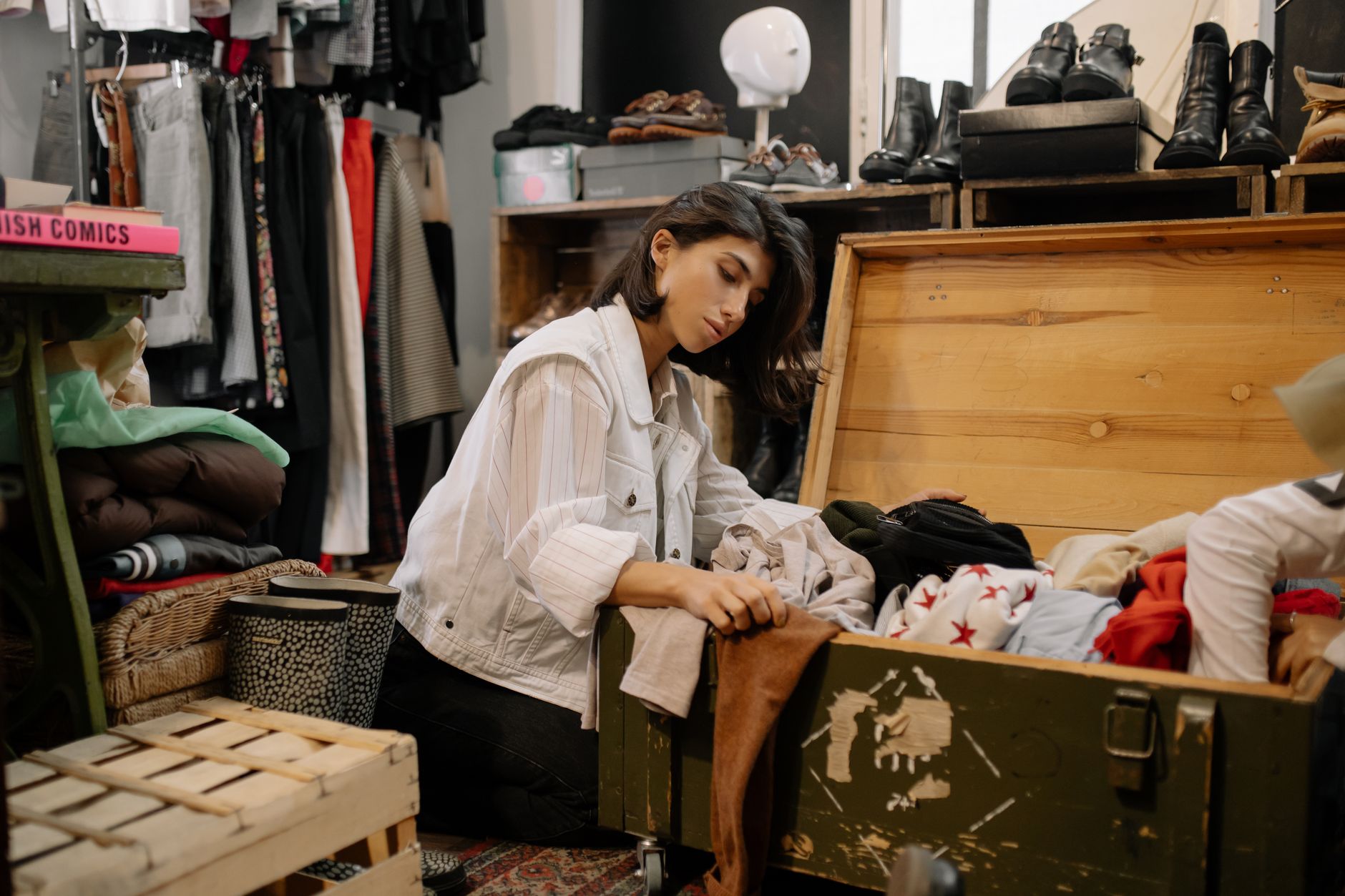
Solid wood furniture is one of the easiest places to see why frugal shoppers check used first. A sturdy dresser, dining table, bookshelf, or nightstand can last for decades, while the new version may cost far more and still use cheaper materials. Used pieces often need only a wipe-down, new knobs, or a light sanding to look fresh again.
- Check drawers, joints, wobbling, odors, and signs of pests before buying.
- Measure your space and vehicle so the bargain does not become a delivery problem.
- Skip pieces with swelling, major water damage, or loose veneer unless you truly want a repair project.
This helps families furnishing a first home, replacing a worn piece, or upgrading storage without letting one room drain the household budget.
Kids' Clothes
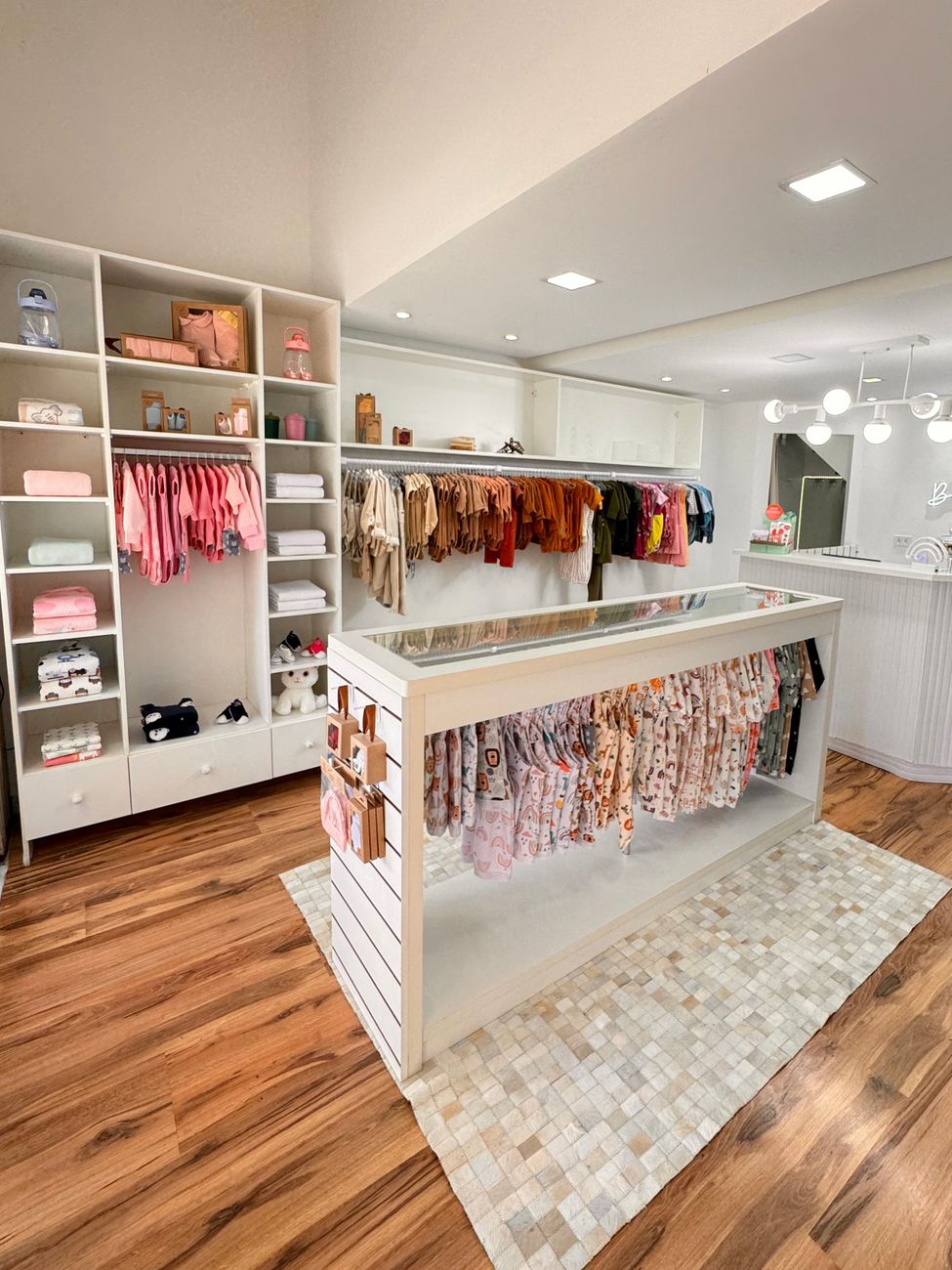
Kids’ clothes are a classic secondhand purchase because children outgrow sizes long before many outfits are worn out. Frugal households often look for coats, jeans, pajamas, dress clothes, and sports layers at consignment shops, neighborhood swaps, and online local groups. The savings can be especially noticeable for seasonal items that may only fit for a few months.
- Inspect knees, cuffs, zippers, snaps, stains, and stretched elastic.
- Wash everything before it goes into drawers or closets.
- Be pickier with shoes, since worn soles and footbeds may not be worth the discount.
This habit helps parents keep up with growth spurts without treating every new size as a full-price shopping trip.
Hand Tools
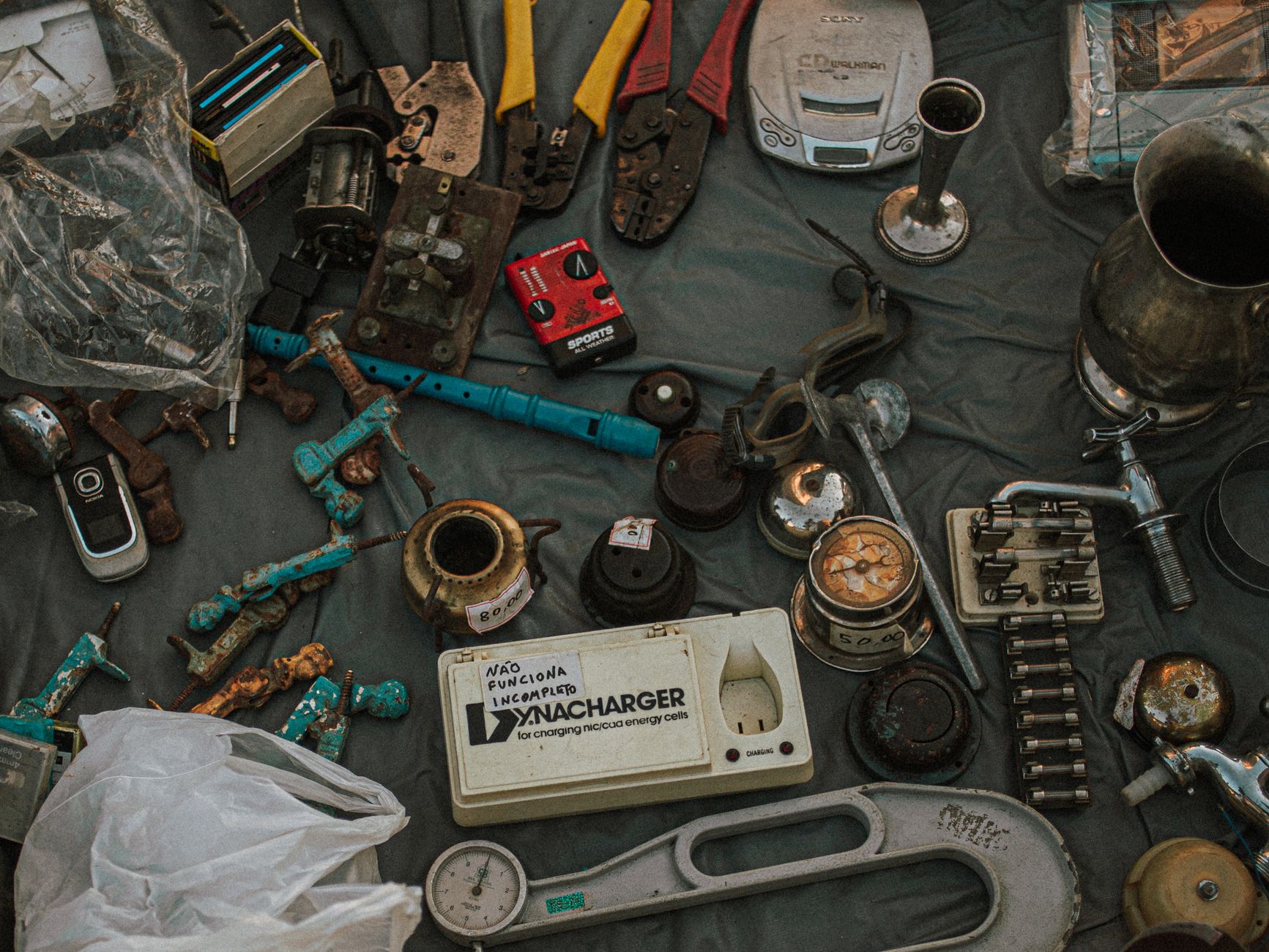
Hand tools are often worth buying used because a well-made hammer, wrench, screwdriver, clamp, or socket set can work for years with very little drama. Frugal households know that many basic tools sit untouched in garages until someone downsizes, moves, or clears out a workshop. That creates good opportunities for anyone building a home repair kit on a budget.
- Look for rust, cracked handles, missing pieces, bent shafts, and stripped edges.
- Test moving parts on pliers, clamps, and adjustable wrenches before paying.
- Be more cautious with used power tools, batteries, chargers, and anything with damaged cords.
For renters, homeowners, and DIY beginners, used hand tools can make small repairs cheaper than calling for help every time something loosens or leaks.
Books and Cookbooks
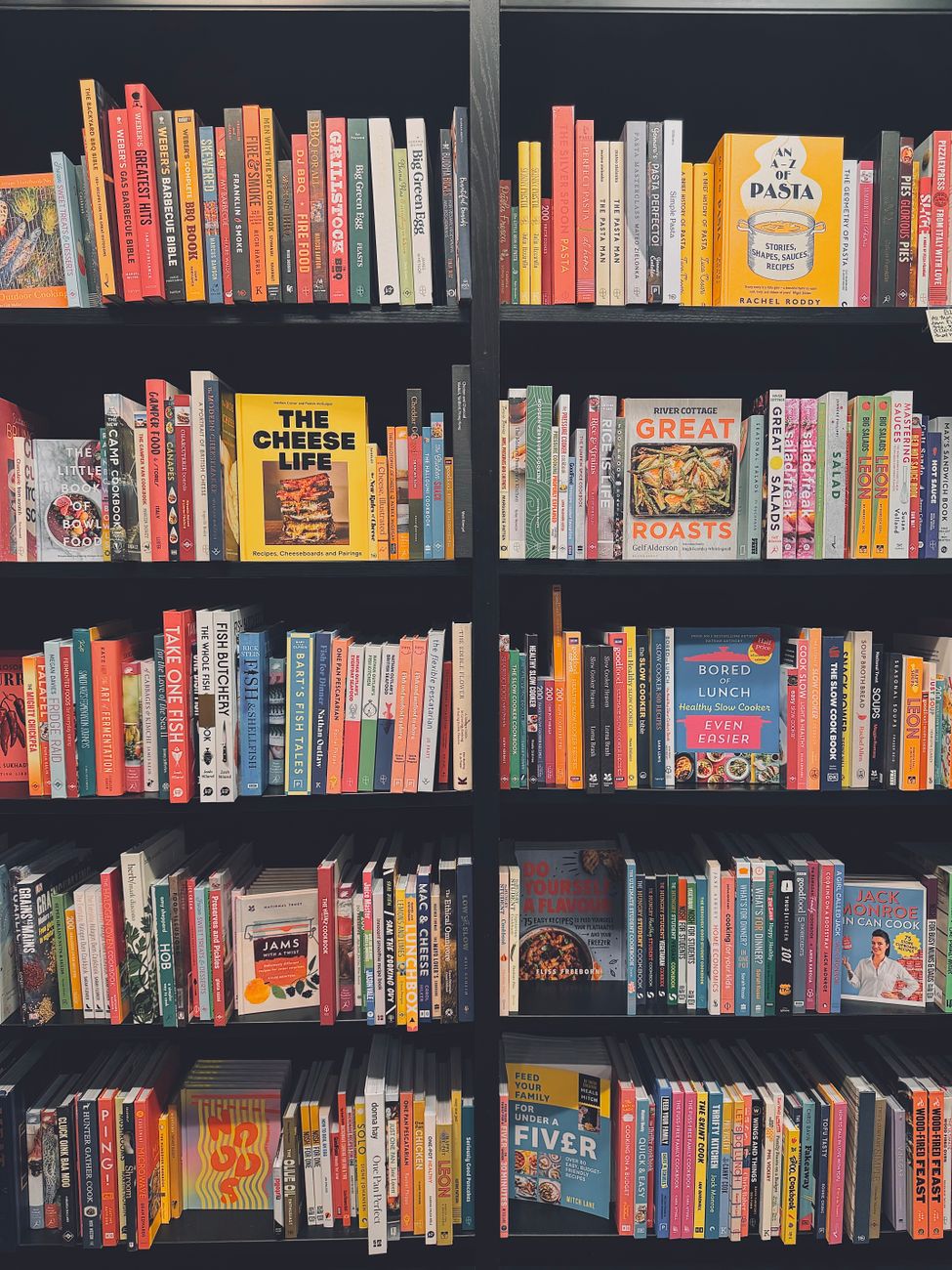
Books and cookbooks are easy to overbuy new, especially when a title sounds useful but may only be read once. Frugal households often browse used bookstores, library sales, thrift shops, and neighborhood free shelves first. Cookbooks are especially good candidates because older editions can still offer dependable weeknight meals, baking basics, and kitchen techniques without the glossy new-release price.
- Flip through for missing pages, heavy notes, stains, broken spines, and mildew smells.
- Check whether a reference book is outdated before relying on it.
- Keep a running wish list so bargain browsing does not become clutter collecting.
This helps readers, home cooks, and families build a useful shelf while spending the real money on ingredients, school needs, or other priorities.
Exercise Gear
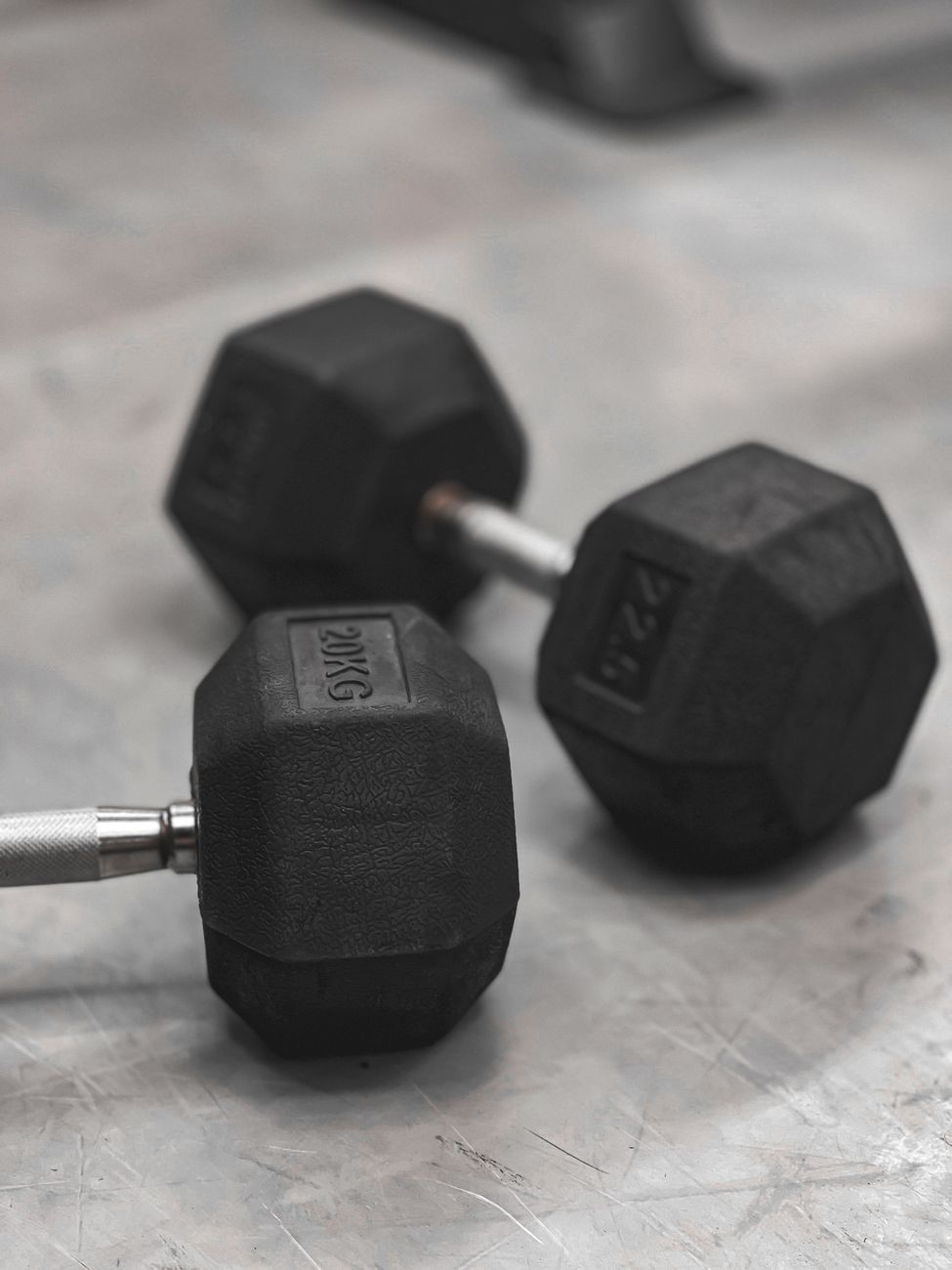
Exercise gear is a secondhand sweet spot because plenty of people buy it with big plans, then sell it after it gathers dust. Frugal households often look for dumbbells, kettlebells, weight benches, resistance bands still in good condition, exercise bikes, and treadmills before paying new retail prices. The best buys are simple, durable items that are easy to inspect.
- Test electronics, belts, pedals, adjustment knobs, and safety clips on machines.
- Check weight plates and dumbbells for cracks, loose collars, or sharp damage.
- Make sure you can move, store, and actually use the item before buying it.
This helps anyone rebuilding a fitness routine at home, but it also prevents a common money leak: paying full price for equipment that becomes expensive room decor.
The smartest secondhand buys are not random bargains. They are items that are durable, inspectable, and still useful after a previous owner. Before buying, compare the used price with the new price, check condition closely, and be honest about whether you need the item at all. Frugal households save the most when they treat used shopping as a filter, not an excuse to bring home more stuff.