

Headlines about economic uncertainty can make anyone question what comes next. While no one can predict the future, you can make financial choices that leave you better prepared for whatever happens.
Instead of reacting to fear, focus on building everyday resilience. These practical habits can strengthen your finances whether the economy improves, slows down, or simply stays unpredictable.
Build a Cash Buffer Before You Need It

One unexpected expense can become much harder to manage during uncertain times. Setting aside even a small emergency fund creates breathing room when life throws you a surprise.
Aim to save consistently rather than waiting until your budget feels perfect. Small deposits often grow into meaningful security.
Keep Monthly Expenses Manageable
The less money you need each month, the easier it becomes to adapt to changing circumstances. Review your recurring bills and look for services you no longer use.
Reducing fixed expenses gives you more flexibility if your income changes. That freedom is valuable in any economy.
Pay Down High-Interest Debt

Debt becomes more stressful when finances feel uncertain. Focusing extra payments on high-interest balances can reduce future financial pressure.
Every balance you eliminate is one less monthly obligation. That creates room in your budget for savings instead of interest charges.
Avoid Panic Buying

Economic concerns often tempt people to stock up on everything at once. Buying more than you need can strain your budget and lead to unnecessary waste.
Instead, gradually build a practical supply of everyday essentials you already use. Slow and steady planning usually costs less.
Learn One Money Saving Skill

Simple skills like cooking at home, basic clothing repairs, or routine home maintenance can reduce everyday expenses. These habits become even more valuable when prices increase.
The most reliable savings often come from knowing how to do more with what you already have.
Diversify Your Income When Possible
Relying on a single source of income can feel risky during uncertain periods. A small side job, freelance work, or selling unused items can provide extra financial stability.
Even modest additional earnings can strengthen your savings and reduce financial stress.
Focus on Facts Instead of Fear
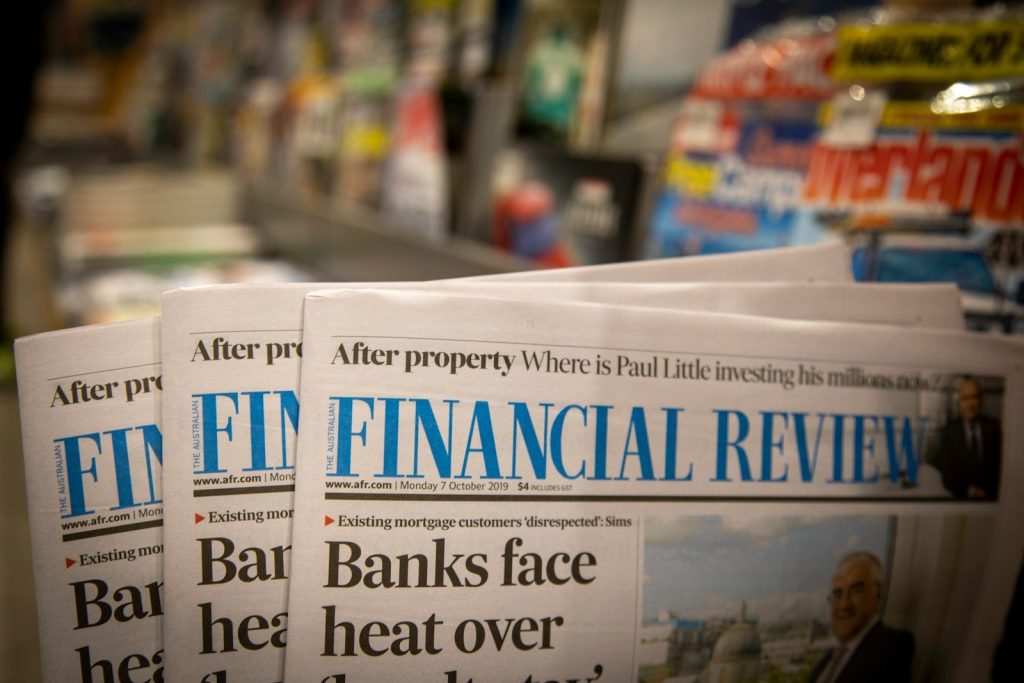
Financial headlines are designed to capture attention, but they do not always reflect your personal situation. Making decisions based on fear can lead to costly mistakes.
Review your own budget, savings, and goals before making major financial changes. Your personal numbers matter more than dramatic predictions.
Prepare for Challenges Without Expecting the Worst

Planning ahead does not mean believing the worst will happen. It simply means giving yourself more options if life becomes more expensive or unpredictable.
Strong saving habits, thoughtful spending, and steady planning can help you face economic uncertainty with greater confidence, regardless of what the headlines say.