

More people are questioning whether staying in one place is the only path to a satisfying career and lifestyle. Working abroad is no longer limited to retirees or long-term travelers. Remote work, international hiring, and changing priorities have opened new possibilities for everyday professionals.
While relocating overseas is a major decision, many people discover that success depends less on earning more and more on spending smarter, simplifying daily life, and making thoughtful choices before and after the move.
A Different Definition of Success

For many workers, success is no longer measured only by promotions or bigger paychecks. Some are choosing countries where everyday life feels less stressful and daily expenses leave more room in the budget for experiences instead of constant bills.
Living somewhere with lower transportation costs, affordable housing, or accessible public services can stretch income further without requiring dramatic lifestyle sacrifices.
Lower Living Costs Can Create More Freedom

One reason people consider working abroad is the opportunity to reduce recurring expenses. Rent, groceries, transportation, or dining out may cost less depending on the destination and personal lifestyle.
Saving money is not just about finding the cheapest place to live. Comparing healthcare, taxes, utilities, and local prices before moving helps avoid surprises and allows people to make practical decisions that support long-term financial stability.
Remote Work Makes Flexibility Possible
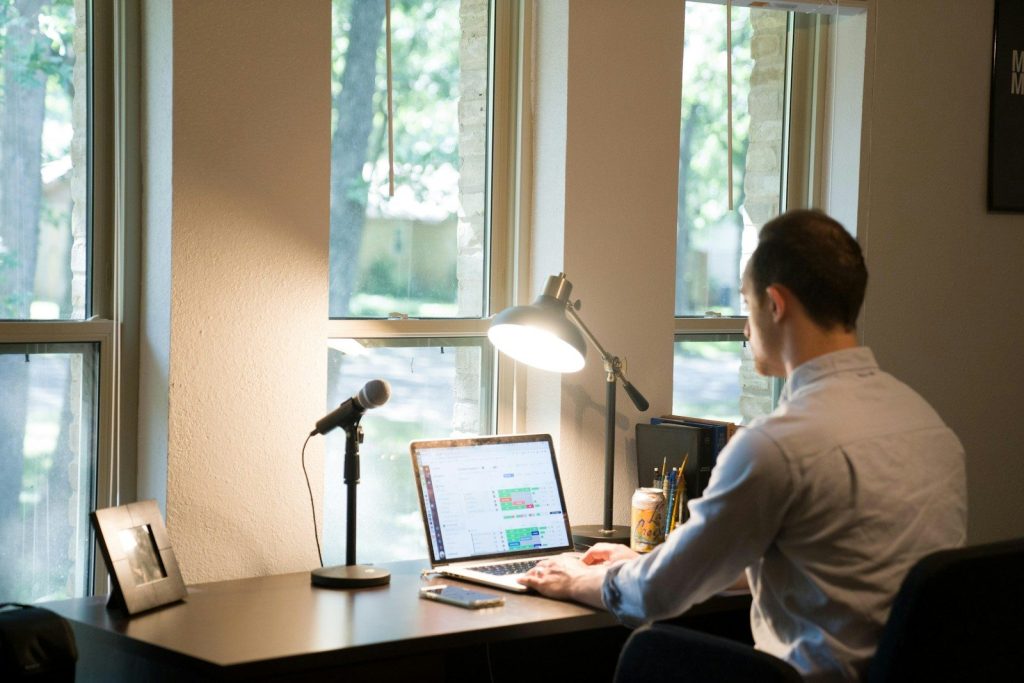
The rise of remote work has changed how many professionals think about location. Some employers now allow staff to work from different countries for part of the year, while freelancers often have even greater flexibility.
This freedom comes with responsibility. Reliable internet, legal work permissions, and realistic budgeting matter just as much as choosing an appealing destination. Careful planning keeps flexibility from becoming an expensive mistake.
Smaller Homes Often Mean Smarter Spending
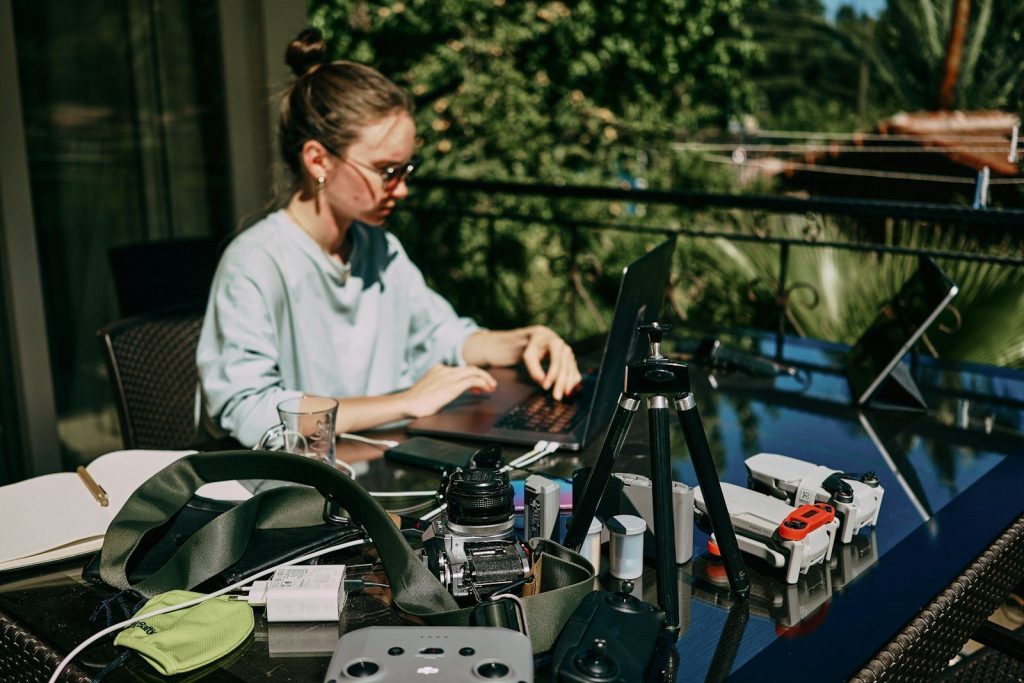
Many people who relocate discover they naturally accumulate fewer possessions. Smaller apartments and simpler living spaces encourage thoughtful purchases instead of filling closets with rarely used items.
This practical approach reduces moving costs and ongoing expenses. Buying only what serves a purpose often leads to less clutter, easier cleaning, and fewer unnecessary replacements over time.
Everyday Habits Can Change Quickly

Living in another country often introduces new routines. Walking more, using public transportation, shopping at neighborhood markets, and cooking with local ingredients can become part of daily life.
These habits frequently save money without feeling restrictive. They also reduce waste by encouraging shoppers to buy fresh foods in smaller quantities rather than stocking up on items that may never get used.
Experiences Often Replace Expensive Purchases

People who move abroad frequently discover that memorable experiences become a higher priority than collecting more belongings. Exploring nearby towns, enjoying local festivals, or spending time outdoors often costs less than constant shopping.
That change in perspective can continue long after returning home. Spending intentionally instead of impulsively helps households direct money toward activities that create lasting value instead of temporary satisfaction.
Preparation Is Worth More Than Guesswork

Successful international moves rarely happen by chance. Researching visas, housing options, banking, healthcare, and local customs before leaving helps prevent costly setbacks after arrival.
Building an emergency fund also provides valuable peace of mind. Even a modest financial cushion makes it easier to handle unexpected travel changes, paperwork, or temporary housing needs without unnecessary stress.
The Biggest Reward May Be a Fresh Perspective
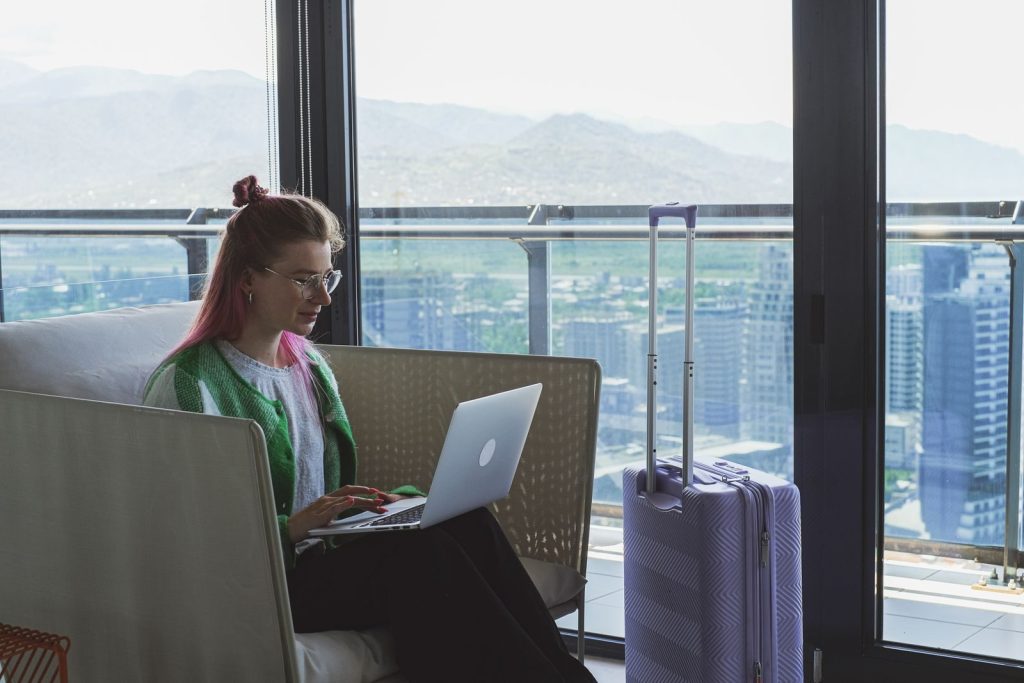
Working abroad is not the right choice for everyone, but many people return with new ideas about what matters most. They often realize that a comfortable life depends as much on thoughtful habits as on income alone.
Whether someone relocates permanently or simply dreams about it, the lesson is practical. Spending with purpose, embracing simpler routines, and focusing on value instead of excess are habits that can improve everyday life almost anywhere.
Featured Image: Photo by StartupStockPhotos on Pixabay