

Most people never think twice about the bills they receive from the bank. Yet one denomination often stays out of sight, and the reason reveals more about everyday money habits than many realize.
Knowing why certain bills are less common can help you make better choices when carrying cash, paying for purchases, and avoiding small inconveniences that can add up over time.
Why Some Bills Stay Behind the Counter
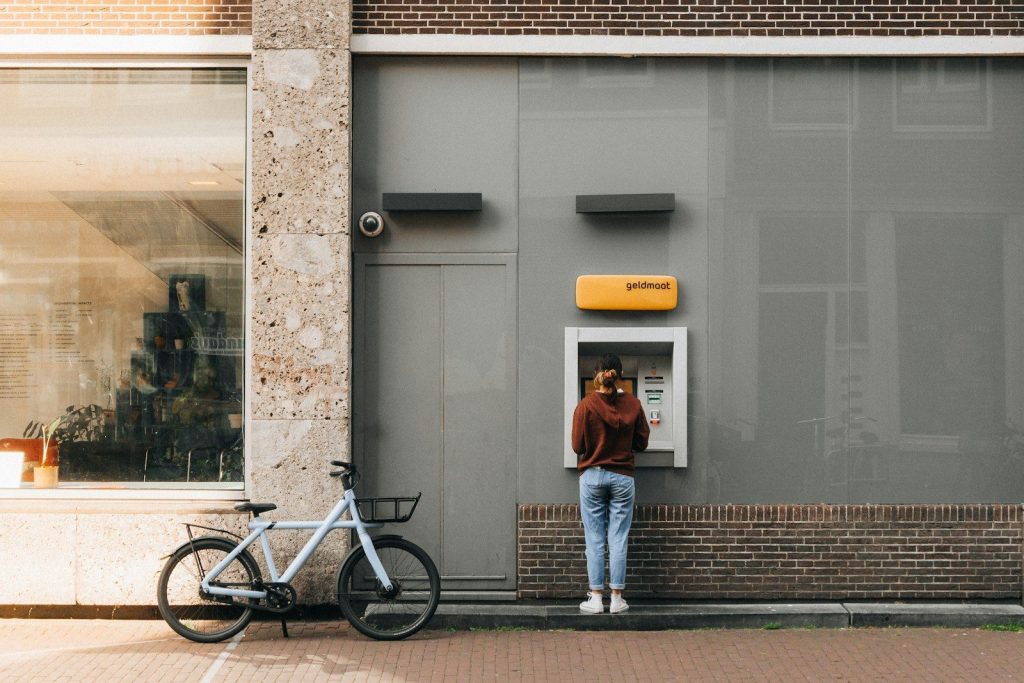
Many banks keep only a limited supply of fifty-dollar bills because customers usually ask for twenties or hundreds instead. That makes larger midrange bills less practical for everyday banking.
Understanding this small detail can save time during a bank visit. If you know a specific denomination may be less available, you can request it in advance or choose another option that fits your needs.
Cash Habits Shape What Banks Keep
Banks adjust their cash inventory based on what people actually use. Since twenties handle most daily purchases, they naturally become the most requested bills.
That demand helps banks manage storage and cash flow more efficiently. For customers, it is a reminder that simple spending habits often influence the services we receive every day.
Bigger Bills Are Not Always More Convenient

A fifty-dollar bill may seem like a smart way to carry less cash, but many smaller stores hesitate to accept one for inexpensive purchases.
Breaking a large bill can also empty a cashier’s supply of change. Carrying a mix of smaller bills often makes everyday transactions quicker and easier.
Planning Ahead Makes Banking Easier
If you know you will need several fifty-dollar bills for gifts, travel, or special occasions, giving your bank advance notice can make the process smoother.
A little planning prevents unnecessary trips or delays. It is a simple habit that saves both time and frustration when handling larger cash withdrawals.
Digital Payments Changed the Demand
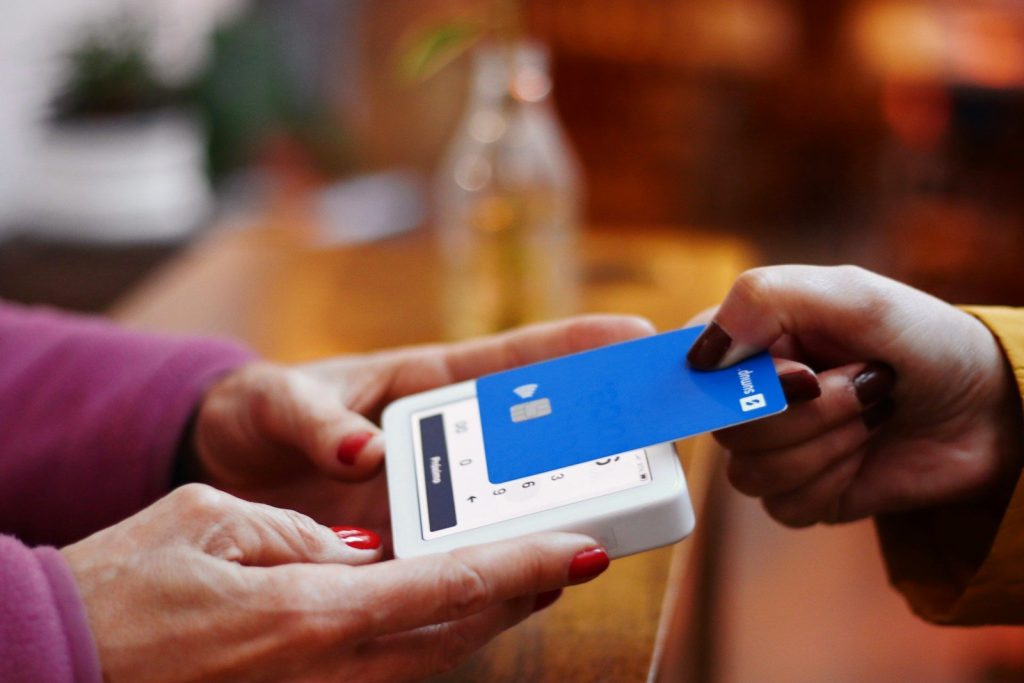
As more people use cards and mobile payments, the need for certain paper bills has continued to shrink. Banks respond by stocking cash based on current customer behavior.
That shift also encourages consumers to think carefully about when carrying cash is actually useful and when electronic payments may be the simpler choice.
Smart Cash Choices Can Reduce Everyday Hassles

Keeping a combination of smaller bills often works better for groceries, restaurants, tips, parking, and local shopping than relying on larger denominations.
This approach also helps you stay aware of daily spending because smaller bills are easier to divide across different purchases and budgets.
Knowing Small Details Can Save Time
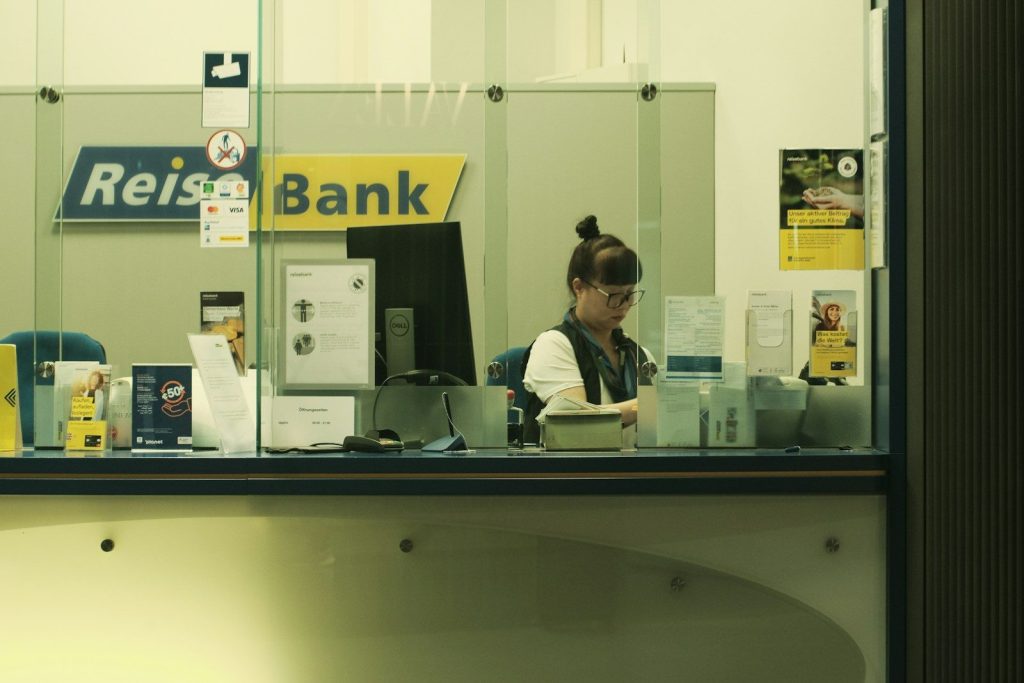
Many everyday banking frustrations come from simple expectations that do not match how banks operate. Learning these behind-the-scenes habits helps you prepare before you visit.
Small insights like this may not seem important at first, but they often make routine errands faster and less stressful while helping you manage money more efficiently.
Everyday Money Wisdom Is Often Surprisingly Simple
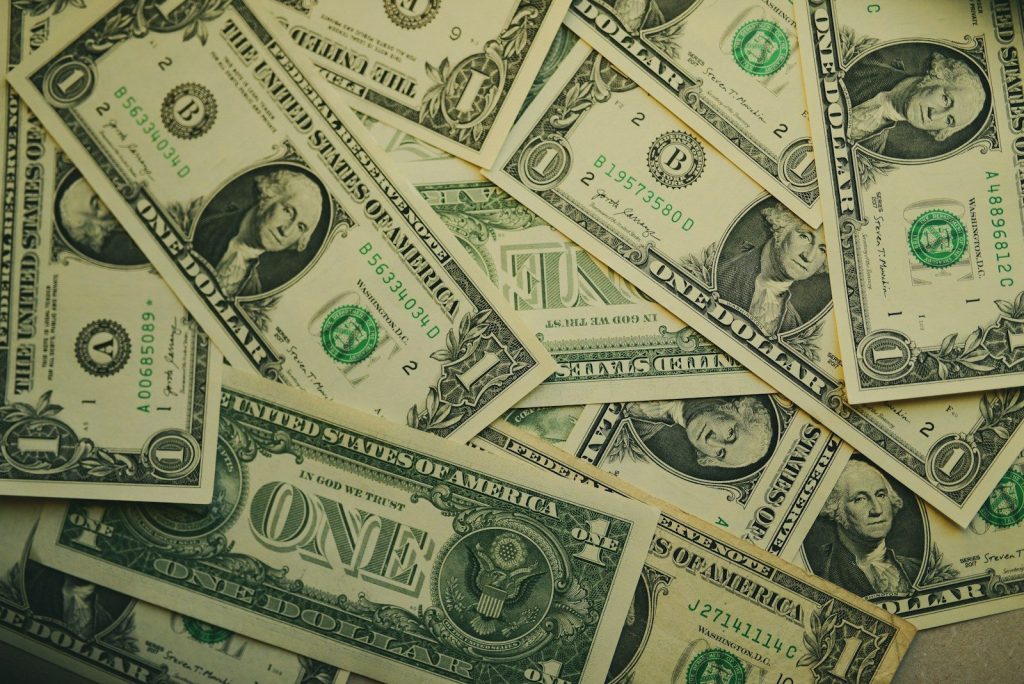
The story of the overlooked fifty-dollar bill is really about understanding how everyday systems work. Small practical knowledge can make ordinary financial tasks feel much easier.
Whether you prefer cash or digital payments, thinking ahead and choosing the right denominations for your needs is a simple way to save time, avoid inconvenience, and get more value from every trip to the bank.