

Nobody blows their budget on one big splurge and wonders where the money went. The real damage is quieter. It’s the $7 oat milk latte grabbed on autopilot, the streaming service nobody’s watched since February, the gym membership that functions mostly as a monthly guilt subscription. Small recurring costs rarely trigger the alarm bells that a large purchase does, which is exactly why they accumulate so effectively.
A 2023 survey by LendingClub found that nearly half of Americans earning over $100,000 a year still live paycheck to paycheck, and lifestyle creep through small habitual spending is widely cited as a contributing factor. These eight little luxuries aren’t inherently bad choices. Some of them are genuinely worth the money. But most people have no idea what they’re actually spending on them annually, and that number tends to be uncomfortable once it’s written down.
1. Subscription Streaming Services
The average American household now pays for four or more streaming platforms simultaneously, a figure consistent across multiple 2025 industry reports from Deloitte and Leichtman Research Group.
At somewhere between $15 and $22 per service per month after recent price hikes from Netflix, Max, and Disney+, that adds up to between $720 and over $1,000 annually, before factoring in add-ons like ad-free tiers or premium packages. The original promise of cord-cutting was savings. What replaced cable has, for many households, started to cost as much as cable did.
2. Daily Coffee Shop Visits
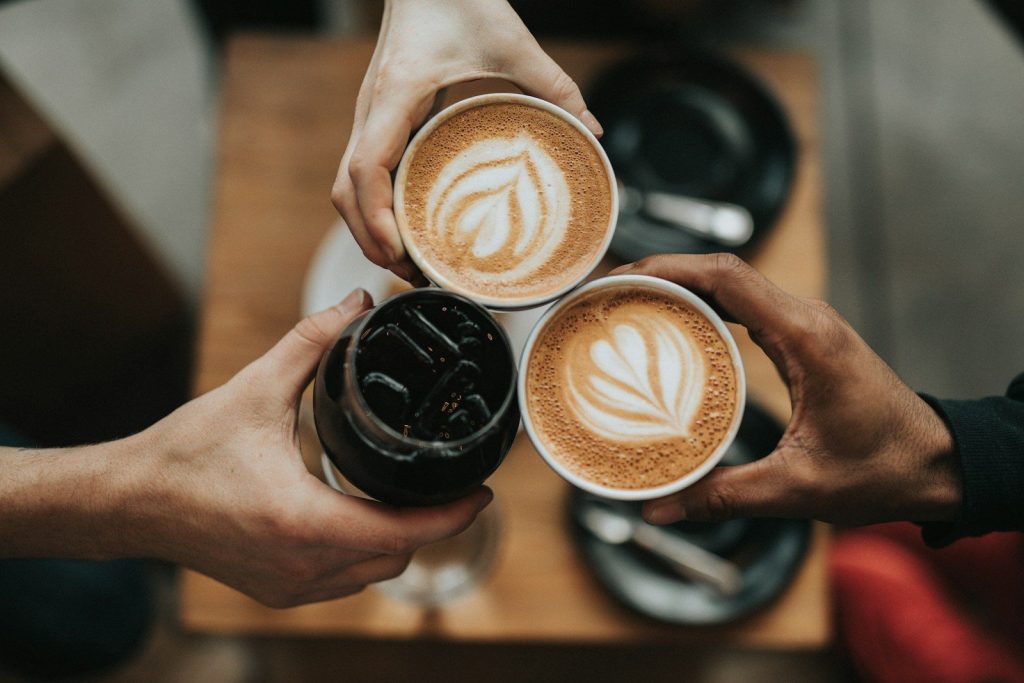
A daily specialty coffee drink, priced at roughly $6 to $8 at chains like Starbucks or independent cafes in most major cities, runs between $2,190 and $2,920 a year. That’s not counting the pastry that gets added two or three times a week. Home brewing with quality beans from a roaster like Onyx or Counter Culture typically costs under $1 per cup.
The gap between those two numbers is real money. The ritual has value, and plenty of people would rather keep it than give it up. But treating it as a category worth examining honestly is different from treating it as untouchable.
3. Food Delivery Apps
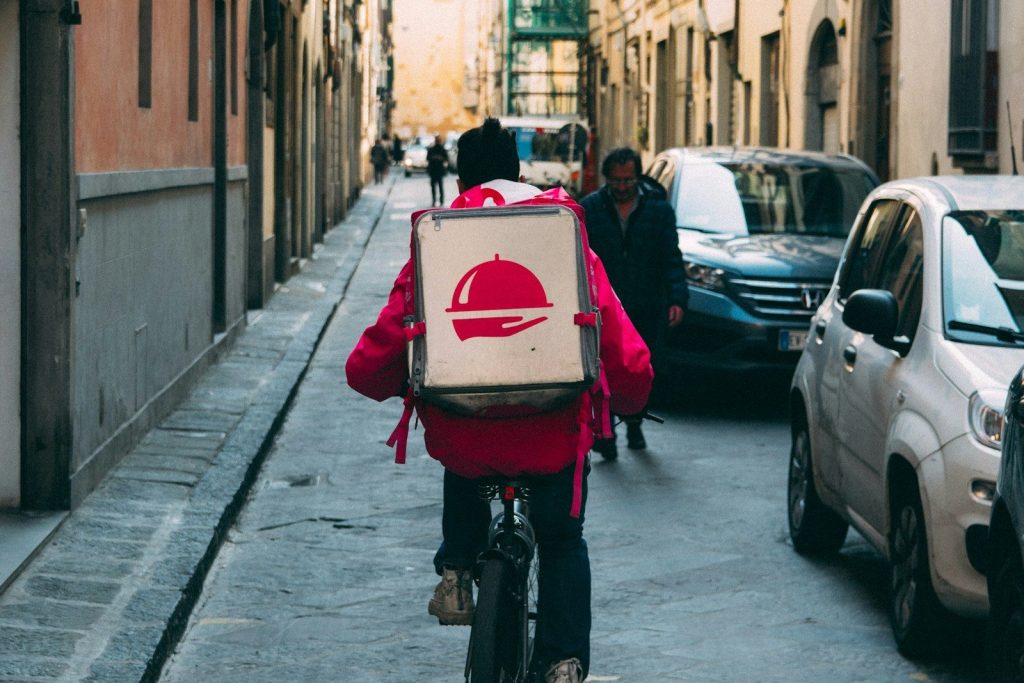
DoorDash, Uber Eats, and Grubhub all impose service fees, delivery fees, and tip expectations that typically add 30% to 40% on top of the menu price. A $15 meal becomes a $22 or $23 transaction without much noticing. For someone ordering twice a week, that markup alone represents $750 to $1,000 a year in fees on top of the actual food cost.
A DoorDash DashPass subscription adds another $96 annually, and the sunk-cost psychology of a paid subscription is well documented — people who’ve paid for a membership tend to order more frequently to justify it, not less.
4. Gym Memberships

Americans collectively spend over $40 billion a year on gym memberships, and studies consistently show that a significant portion go largely unused. Equinox charges between $205 and $395 per month in major markets.
Even a standard Planet Fitness membership at $25 per month costs $300 a year for something that many members visit fewer than five times. The psychology is well documented: paying for a membership feels like a commitment, which allows people to avoid the discomfort of acknowledging they’re not using it.
5. Premium Skincare and Beauty Subscriptions

Boxes like Ipsy or Allure Beauty Box run $13 to $25 monthly, which sounds minor until it’s $156 to $300 per year for products that often go unused or duplicate things already on the bathroom shelf. Standalone premium skincare spending tells a similar story.
The average American woman spends over $300 a year on skincare products alone, with a measurable portion of that going toward products opened once and forgotten. The prestige packaging is part of what’s being purchased, and that’s not always worth the markup.
6. In-App Purchases and Mobile Gaming
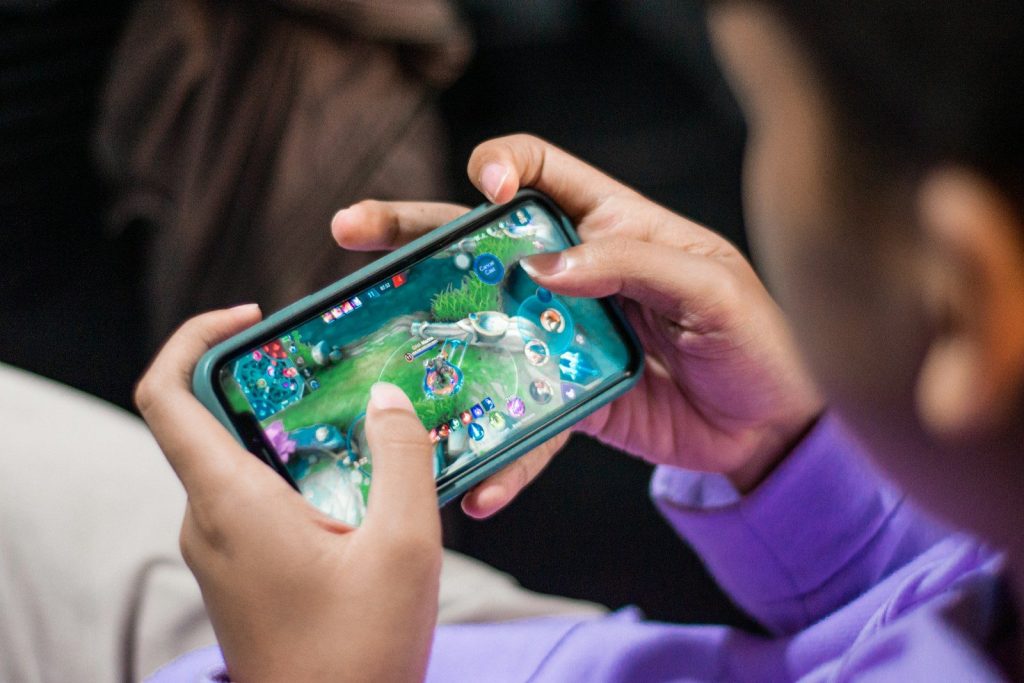
This one tends to fly under the radar because individual transactions feel negligible. A $2.99 power-up here, a $4.99 seasonal pass there. But the mobile gaming industry generated over $92 billion globally in 2024, and it does so largely through these micro-transactions.
Apple and Google both provide annual spending summaries that routinely shock users who assumed they’d spent almost nothing. For moderate users, $200 to $400 a year on in-app purchases is not unusual, and it’s almost never something they could account for without checking.
7. Convenience Store and Gas Station Markups

Grabbing a bottle of water, a bag of chips, or a sports drink at a convenience store instead of a grocery store typically means paying two to three times the supermarket price. At $3.50 for a water bottle that costs $0.60 at Costco, or $2.50 for a snack that goes for $0.89 at a grocery chain, these stops add up faster than they appear to.
Someone making three or four convenience store stops per week, which is common for commuters, can easily spend $400 to $600 more per year than they would buying the same items elsewhere.
8. Extended Warranties and Auto-Renewed Protection Plans
Retailers push these hard because the margins are exceptional. Best Buy’s Geek Squad protection, AppleCare, and third-party warranties sold at checkout often cost 15% to 30% of the product’s purchase price, and claim rates are low enough that they represent strong profit for sellers and poor value for most buyers.
Consumer Reports has consistently found that most products don’t fail within warranty periods, and that service plans typically carry fine-print exceptions providers use to deny claims. These plans get auto-renewed without much scrutiny and sit quietly on credit card statements for years.
The Real Issue
None of these categories are financial emergencies on their own. The problem is that most people carry several of them simultaneously and have never added them up.
Streaming plus daily coffee plus delivery fees plus a gym nobody visits plus a forgotten beauty box can stack to $4,000 or more per year without triggering a single moment of conscious decision-making. The goal isn’t to strip out everything enjoyable. It’s to know what things actually cost on an annual basis and decide from there. A few of these will survive that scrutiny. Some won’t.