
Choosing sunscreen can feel confusing when shelves are packed with different SPF numbers, formulas, and promises. It is easy to assume the most expensive bottle is always the best choice, but smart shopping starts with knowing what actually matters.
A few simple facts can help you avoid wasting money while building a routine that protects your skin every day. Here are eight practical lessons that make sunscreen shopping easier and more effective.
Start With Broad-Spectrum Protection
Many shoppers focus only on the SPF number, but broad-spectrum protection deserves equal attention. This label means the sunscreen helps defend against both the rays that cause sunburn and those linked to early skin aging. Experts recommend broad-spectrum products with at least SPF 30 for daily use.
Knowing this simple detail can save money by helping you skip products that advertise impressive numbers without offering complete protection. Reading the label carefully often gives better value than simply buying the most expensive option.
Bigger SPF Numbers Are Not Always Better
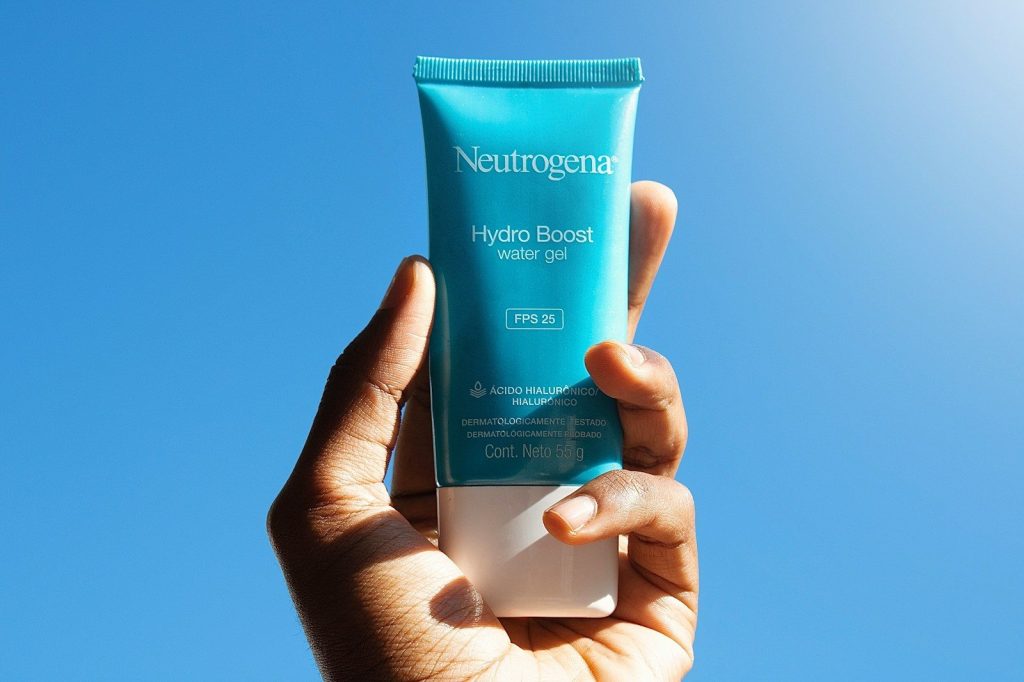
It is tempting to believe that SPF 100 provides dramatically more protection than SPF 50. In reality, higher numbers offer only a modest increase in blocked UVB rays, especially once you reach SPF 50.
Instead of paying extra for the highest number available, many people will get excellent daily protection from a quality broad-spectrum SPF 30 or SPF 50 product that they actually enjoy using and remember to apply.
The Best Sunscreen Is One You Will Use

Some people prefer lightweight lotions while others like gels or creams. Comfort matters because sunscreen only works when it becomes part of your regular routine.
Buying a formula that feels pleasant on your skin often delivers better long-term value than purchasing an expensive product that sits unused in a cabinet. A dependable daily habit is worth far more than chasing luxury packaging.
Skin Type Should Guide Your Choice

Oily skin, dry skin, and sensitive skin all have different needs. Mineral formulas may work well for sensitive complexions, while lightweight chemical formulas may appeal to those who dislike heavier textures.
Matching sunscreen to your skin type can prevent wasted purchases. Instead of experimenting with multiple bottles that never quite work, choosing a formula designed for your needs can simplify your beauty routine.
Application Matters More Than Many People Realize

Even an excellent sunscreen cannot perform as expected if too little is applied. Many people use much less than the recommended amount, reducing the protection they receive.
Learning proper application helps every bottle work harder. Getting full value from the sunscreen you already own is one of the easiest ways to avoid unnecessary spending.
Reapplying Protects Your Investment
Sunscreen gradually loses effectiveness after hours in the sun or after swimming and heavy sweating. Reapplying keeps protection consistent throughout the day instead of relying on a single morning application.
This habit helps prevent skin damage that could eventually require costly treatments or specialized skin care products. A few extra moments can support healthier skin over time.
Daily Protection Is Not Just for Beach Days

Many people skip sunscreen when they stay indoors or when clouds cover the sky. However, certain ultraviolet rays can still reach your skin through clouds and windows. Daily use remains an important habit regardless of the weather.
Making sunscreen part of your regular morning routine removes the guesswork. Keeping one bottle near your toothbrush or moisturizer makes it easier to remember without adding extra effort.
Smarter Buying Means Better Long-Term Value
Expensive does not automatically mean better, and flashy marketing should never replace reading product labels. Focus on broad-spectrum protection, an appropriate SPF, and a texture that fits your lifestyle.
Once you understand these basics, choosing sunscreen becomes much simpler. You spend less time comparing confusing claims, avoid unnecessary purchases, and build a routine that protects both your skin and your budget.