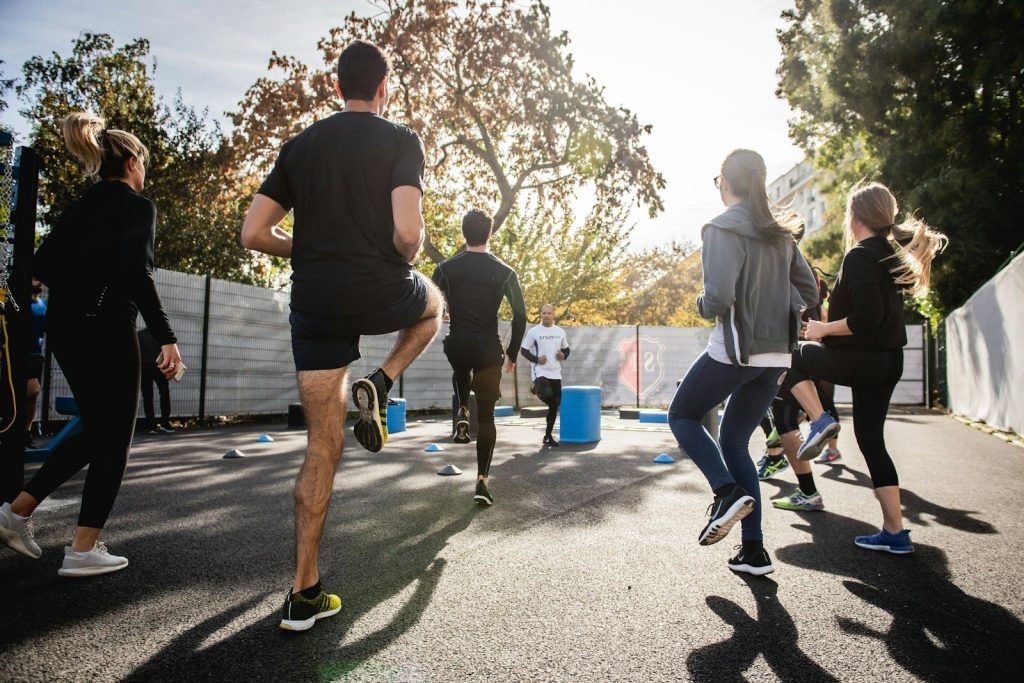

People often think better health requires expensive gym memberships or hours of workouts each week. Interestingly, new research suggests that even a surprisingly small amount of weekly movement may make a difference, although how you move matters just as much as how long.
Long before fitness trackers counted every step, people stayed active through everyday chores, walks, gardening, and carrying groceries. Those simple habits may explain why old-fashioned advice still fits surprisingly well with modern science.
The Surprising Power of Just Thirty Minutes

Many people skip exercise because they believe thirty minutes is simply not enough to matter. A recent study challenges that idea by suggesting a small amount of weekly activity can still offer meaningful benefits when done with enough effort.
That finding sounds surprisingly familiar. Earlier generations rarely scheduled workouts, yet they built movement into daily routines without spending extra money or buying special equipment.
Grandma Never Called It Exercise
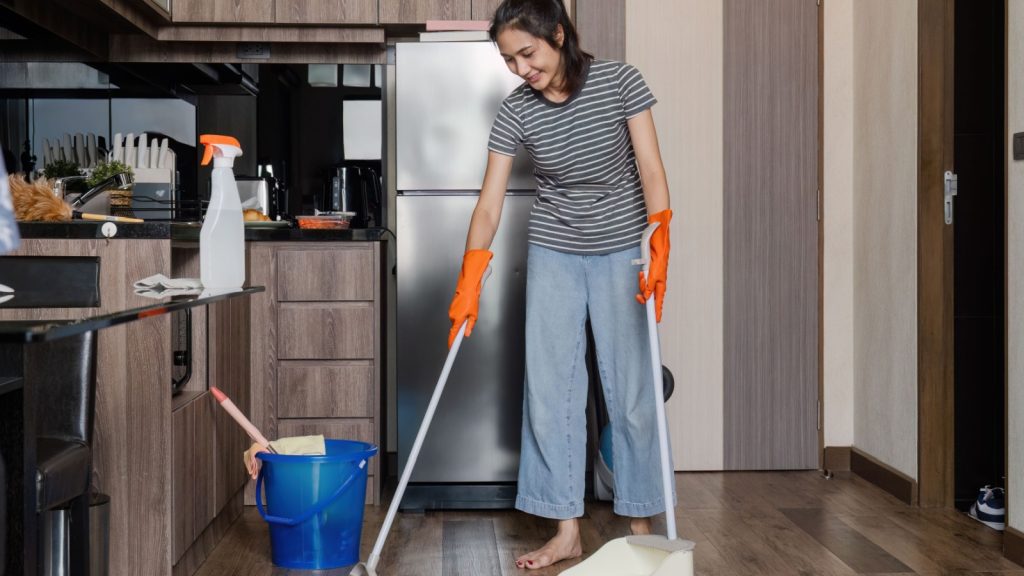
Grandparents often believed the body was meant to stay in motion every day. They swept floors, walked to nearby stores, tended gardens, and climbed stairs without thinking of it as exercise.
Those activities quietly added up over time. Modern research now suggests consistent movement may be more valuable than waiting for the perfect workout that never happens.
The Catch Hidden Inside the Research
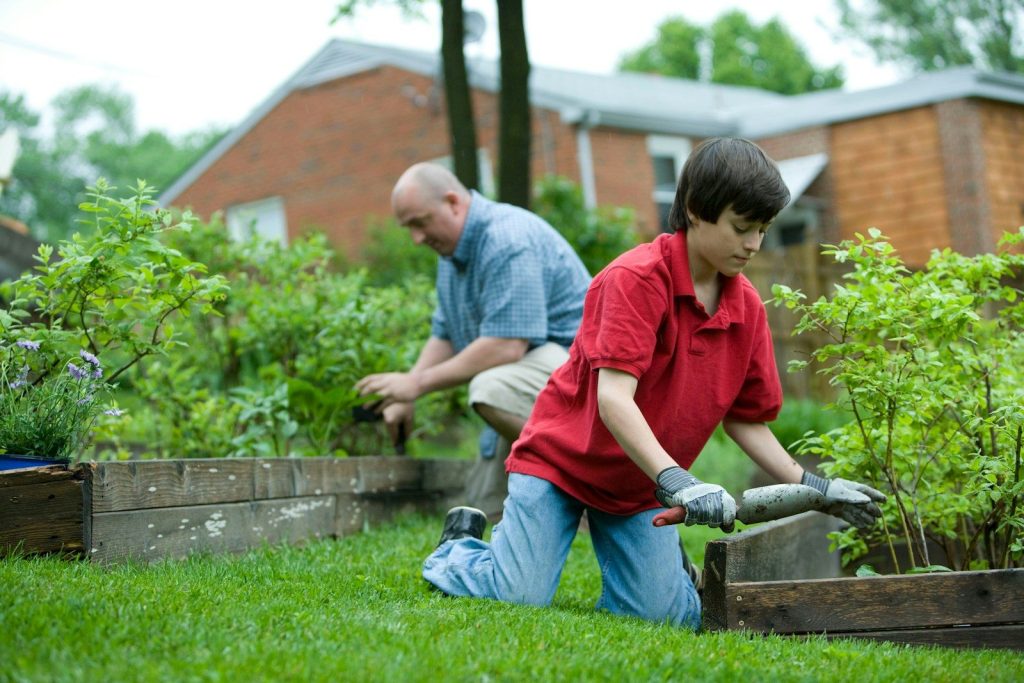
The important detail from the latest research is that not every slow stroll provides the same result. The study points out that there is a difference between gentle movement and activity that raises your breathing and heart rate.
That does not mean exhausting yourself. A brisk neighborhood walk, energetic yard work, or climbing several flights of stairs can all increase intensity without adding extra costs.
Turn Daily Chores Into Your Workout
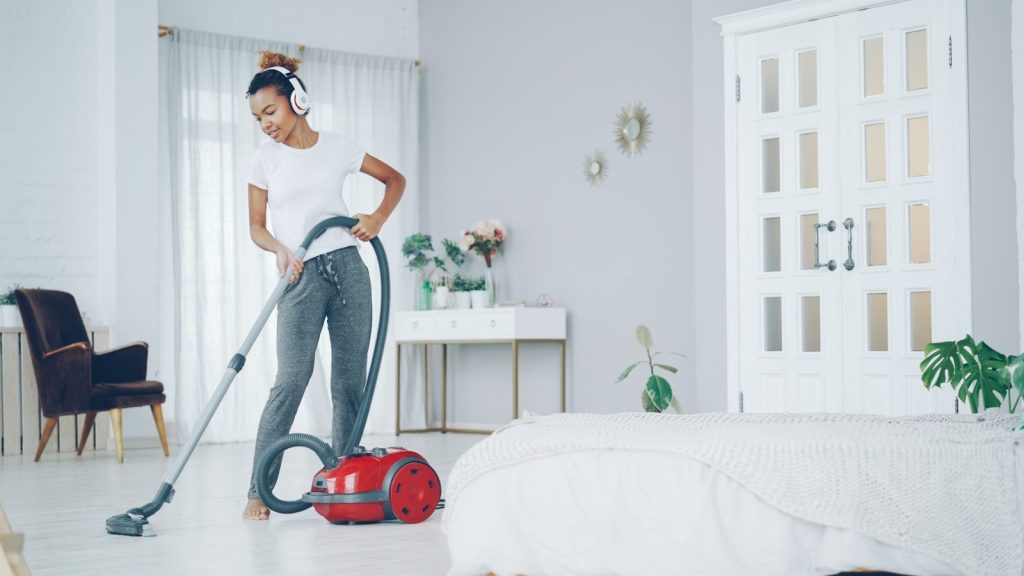
Instead of paying for another fitness subscription, look around your own home. Vacuuming quickly, carrying laundry baskets, washing the car by hand, or working in the yard can become surprisingly effective forms of movement.
These everyday tasks help maintain your home while supporting your health. Saving money and staying active become part of the same routine.
Why Small Bursts Often Beat Big Plans

One reason old-fashioned routines worked so well is that they rarely happened all at once. People naturally spread movement throughout the week instead of trying to squeeze everything into one exhausting day.
That approach also feels easier to maintain. Small sessions often fit busy schedules better than waiting for a large block of free time.
Sneaky Ways to Move More Without Trying

A useful trick is to pair movement with something you already do. Walk while making phone calls, take the longer route through the grocery store, or spend a few active minutes outside after dinner.
These habits require almost no planning. Over time, they become automatic, making consistency much easier than relying on motivation alone.
It Is Not Just About Moving

The newest research reminds us there is one important catch. A short amount of weekly exercise works best when the activity is purposeful enough to challenge the body rather than remaining completely effortless.
Think about quality instead of quantity. A faster pace for a few minutes can sometimes provide more value than a much longer period of slow movement.
Why Old Advice Feels New Again

Modern science continues to uncover benefits that earlier generations simply observed through experience. Staying active did not always require a gym, expensive equipment, or complicated routines.
If you are searching for a practical place to begin, focus on moving with intention during everyday life. That simple habit costs almost nothing, fits nearly any schedule, and proves that some of Grandma’s favorite advice still holds up today.