

Some people inherit houses, businesses, or family fortunes. Most of us, however, inherit something far less obvious that often shapes our lives even more: the everyday habits we grow up watching without realizing we are learning them.
Those quiet lessons rarely come with a price tag, yet they influence how we shop, cook, save, repair, and value what we own. Long after family heirlooms fade, these practical habits can continue paying dividends in ways money alone never could.
The Chair Nobody Was Allowed to Throw Away

Almost every family has owned a chair, table, or dresser that looked ready for retirement but somehow stayed in the house for decades. Instead of seeing worn furniture as outdated, earlier generations often saw it as something with history and more life left to give. Scratches became stories instead of excuses to shop.
That mindset quietly challenged today’s idea that everything has an expiration date. Before replacing something, ask whether it is truly unusable or simply no longer perfect. Many household items need a screwdriver, a little polish, or fresh fabric rather than a trip to the store.
Why the Cookie Tin Never Held Cookies

Opening an old cookie tin was rarely as exciting as the picture on the lid suggested. More often than not, it revealed sewing needles, buttons, measuring tape, or loose thread instead of sweet treats. Children laughed about it, but adults saw an empty container as free storage waiting for its next purpose.
That simple habit reminds us that usefulness does not end when the original product is gone. Before buying organizers, look around your home first. Many everyday containers already solve problems you have not noticed yet.
The Family Recipe Was Really a Budget Plan

Many beloved family recipes were born from necessity rather than celebration. A handful of vegetables became soup, yesterday’s roast turned into tomorrow’s sandwiches, and stale bread found new life in puddings or stuffing. These meals survived because they respected every ingredient.
Modern kitchens can benefit from the same thinking. Instead of asking what sounds good for dinner, ask what deserves to be used first. Your refrigerator often contains more possibilities than your grocery list suggests.
The Front Porch Was the Original Customer Review

Long before online ratings existed, neighbors shared advice across fences and front porches. Someone always knew which vacuum lasted twenty years, which local repair shop was trustworthy, or which washing machine was worth every penny. Buying decisions were based on experience rather than advertising.
That old habit still has value today. Before making an expensive purchase, ask someone who has owned the item for several years instead of someone who bought it last week. Long-term satisfaction tells a much more useful story than first impressions.
Sunday Was Quietly the Family Planning Meeting
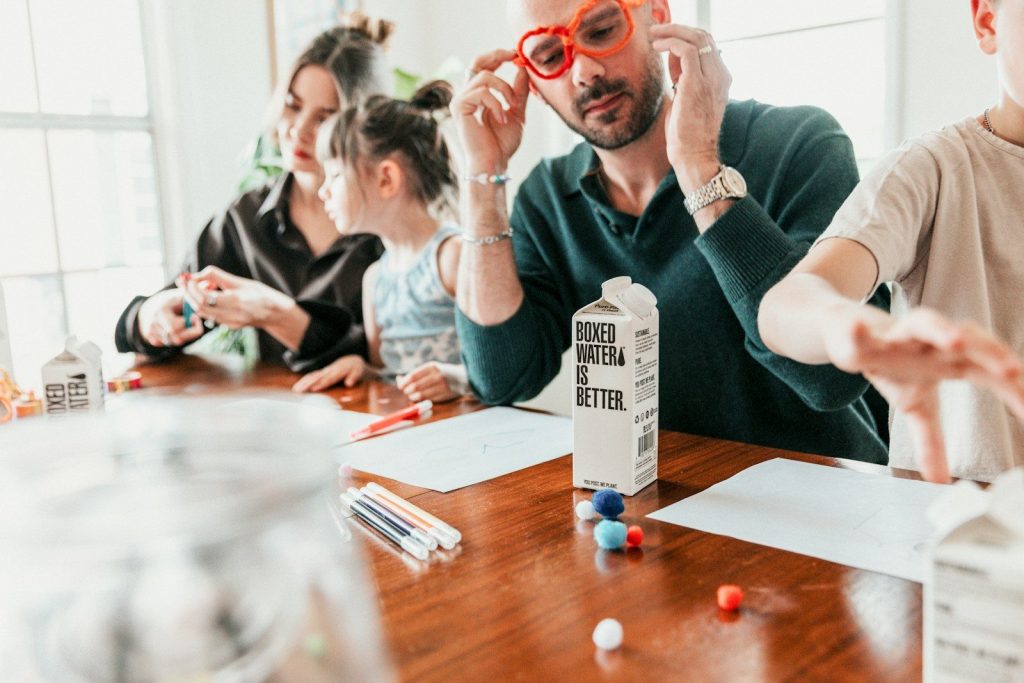
Many households had routines that no one formally announced. Sunday afternoons often meant checking the pantry, ironing clothes, planning meals, and preparing lunches for the week ahead. It did not feel like budgeting, yet those small rituals prevented rushed spending later.
A little preparation removed dozens of tiny decisions during busy weekdays. Planning ahead is less about being organized and more about protecting yourself from expensive convenience when time runs short.
Every Pocket Had a Purpose

Older relatives often seemed to know exactly where everything belonged. Coins lived in one pocket, grocery lists in another, receipts stayed folded inside a wallet, and spare change eventually found its way into a jar at home. Nothing felt random because everything had a place.
That quiet system reduced waste without anyone calling it a productivity trick. When everyday items have permanent homes, you spend less time replacing things that were never truly lost in the first place.
The Best Hand Me Downs Were Never the Clothes

Children rarely remember the sweater they inherited from an older sibling. They remember learning how to compare prices without a calculator, how to spot quality by touching the fabric, or how to leave a store empty-handed because nothing was worth buying that day. Those lessons stayed long after the clothes wore out.
Practical judgment is one of the few things that becomes more valuable every time it is shared. Teaching someone how to think before spending often matters more than helping them pay for something.
Some Fortunes Disappear While Simple Habits Keep Paying

Money can be inherited, spent, invested, or lost, but everyday habits quietly follow people wherever life takes them. A person who knows how to care for belongings, avoid waste, and make thoughtful purchases carries those skills into every stage of life.
Perhaps the greatest family inheritance is not something locked inside a safe or written into a will. It is the collection of ordinary routines that teach us to value resources, solve problems creatively, and understand that the smartest way to build wealth often begins with taking better care of what we already have.