

Learning does not stop when school ends. In fact, many of the habits that help people think clearly, solve problems, and make smart decisions happen during ordinary moments at home and at work.
Staying curious also has a practical side. Building useful skills, asking thoughtful questions, and making better everyday choices can save time, reduce waste, and help people get more value from the things they already own.
Keep Curiosity Part of Your Routine

Curiosity is like a muscle that gets stronger with use. Reading something new, trying a different recipe, or learning a simple repair keeps your brain engaged without feeling like homework.
These small habits often lead to smarter purchases because people understand products better before spending money. That means fewer costly mistakes and more confidence in everyday decisions.
Question Information Before Accepting It

It is easy to believe the first answer that appears online. Taking a moment to compare sources or look for evidence helps build stronger judgment over time.
This habit also protects your wallet. Careful shoppers are less likely to fall for misleading advertisements or buy items that promise more than they deliver.
Learn From Everyday Experiences

Not every lesson comes from a classroom. Fixing a loose cabinet handle, organizing a pantry, or planning weekly meals teaches practical problem-solving.
Those experiences often create lasting skills that reduce waste, stretch household supplies, and make daily life run more smoothly without extra expense.
Read Beyond Headlines

Quick updates have their place, but deeper reading develops patience and understanding. Even a few extra minutes with a thoughtful article or book can reveal ideas that short summaries often miss.
That wider perspective makes it easier to spot trends, compare options, and make informed choices when buying products or managing household routines.
Practice Skills Instead of Just Collecting Facts

Knowing something is useful, but applying it makes the lesson stick. Trying a new cooking technique or completing a simple home project builds confidence through experience.
Practical skills often replace expensive services for small tasks. Over time, these abilities can save money while giving people greater independence.
Share What You Learn

Talking with friends, family, or neighbors about useful tips helps everyone remember information more effectively. Conversations often introduce fresh ideas that books and videos overlook.
Sharing practical knowledge also spreads money-saving habits, from preserving food properly to maintaining household items so they last longer.
Make Learning Fit Your Lifestyle

You do not need hours of free time to keep growing. Listening to educational podcasts during a commute or reading for ten minutes before bed can make a real difference.
Choosing learning that matches your interests makes it easier to stay consistent, and those steady improvements often lead to better decisions in everyday life.
Focus on Progress Instead of Perfection
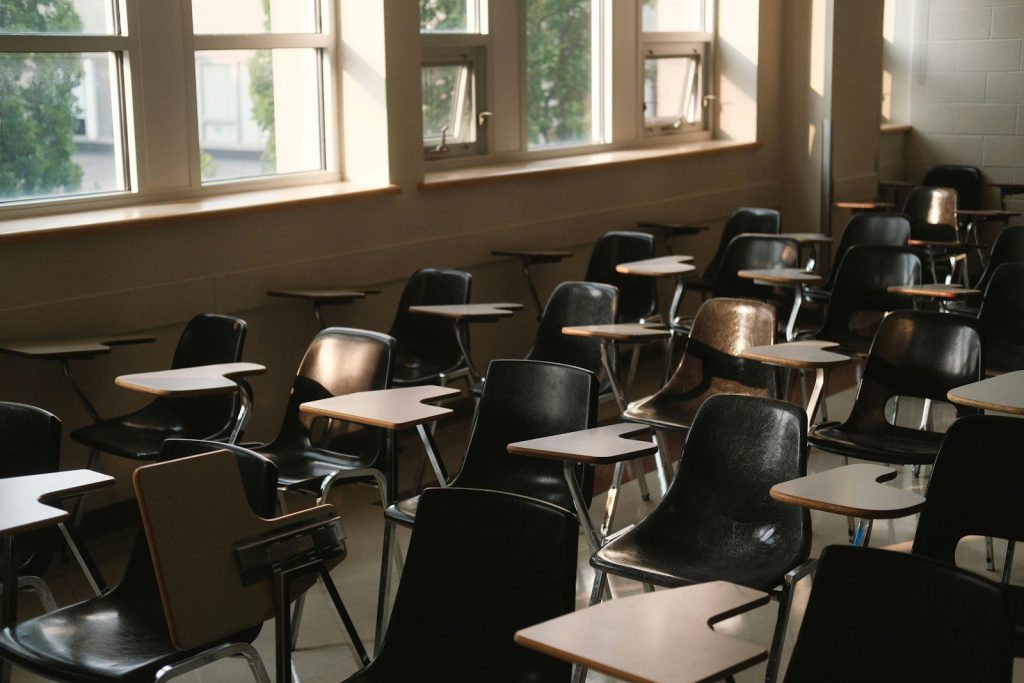
The most successful learners keep moving forward one step at a time. Small improvements add up, whether you are mastering a household skill or understanding a new topic.
A lifelong learning mindset encourages smarter spending, thoughtful problem solving, and practical habits that continue paying off long after any classroom experience ends.