
Washing dishes is part of everyday life, but a few common habits can make a bottle of dish soap disappear much faster than it should. Choosing the wrong product or using more than necessary can quietly add to your grocery bill over time.
The good news is that cleaner dishes do not require more soap. A few smarter choices can help every bottle last longer, cut through grease more effectively, and simplify one of the most frequent household chores.
More soap does not mean cleaner dishes
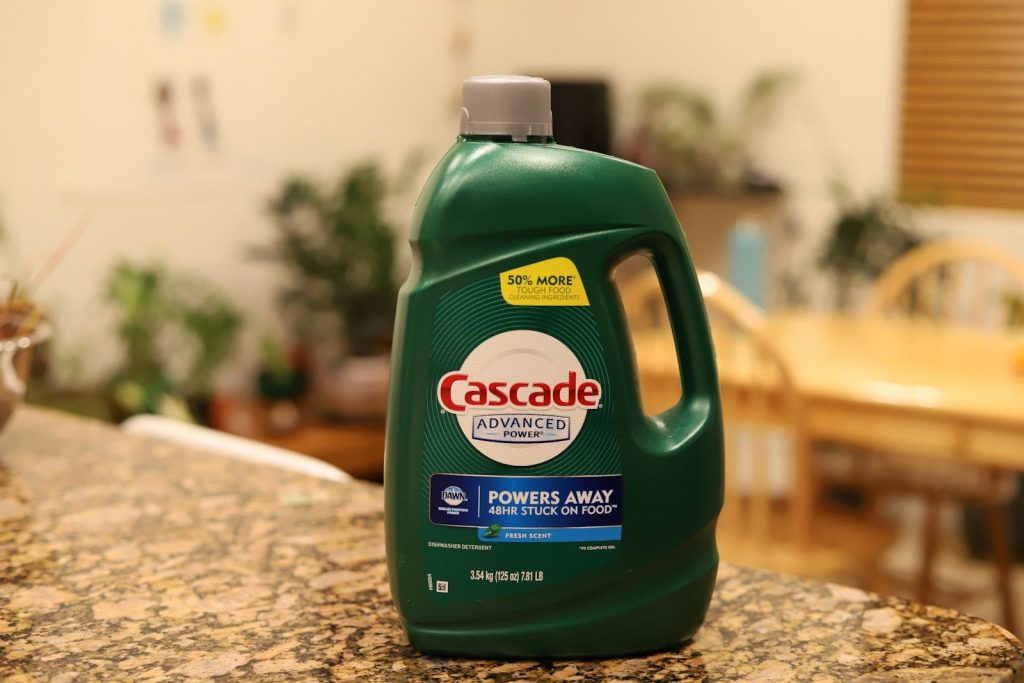
Many people squeeze extra dish soap onto every sponge because it feels like the quickest way to tackle greasy cookware. In reality, using too much often creates excess suds without improving cleaning performance.
A quality dish soap is designed to break down grease with only a small amount. Measuring your usual squeeze and using slightly less can make every bottle last much longer.
A stronger formula can save money over time
Choosing the least expensive bottle may seem like the obvious way to cut grocery costs. However, weaker formulas often require repeated applications before grease finally disappears.
A concentrated soap that cleans effectively with a few drops usually delivers better value. Paying a little more upfront can reduce how often you replace the bottle.
Warm water helps your soap work harder
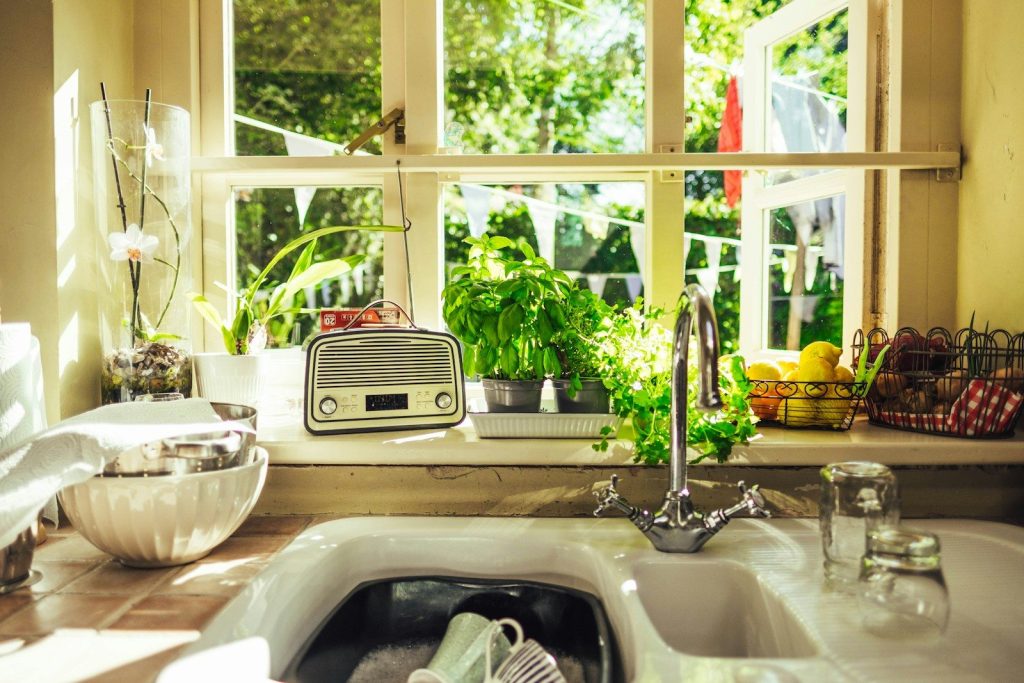
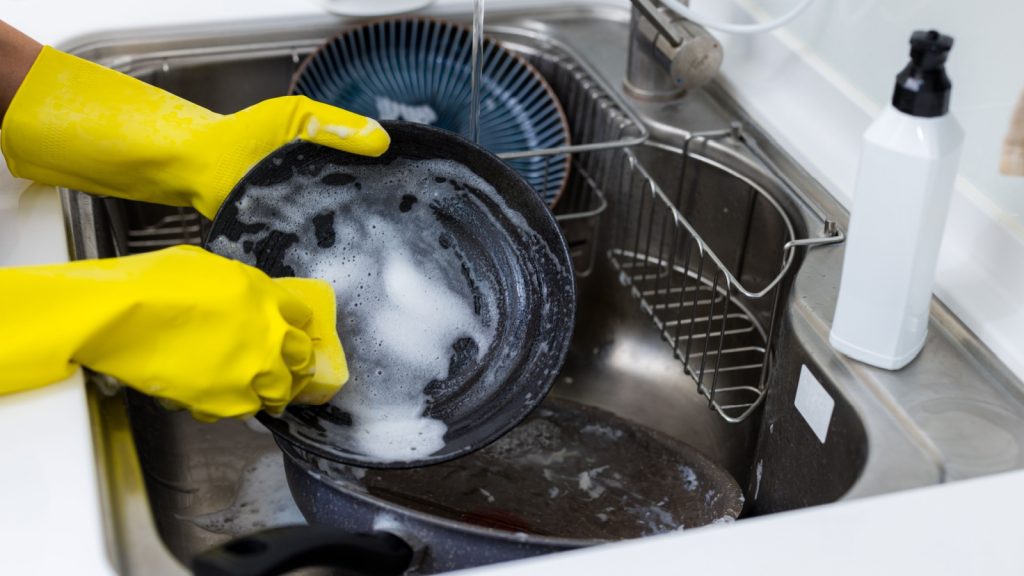
Dish soap performs best when paired with warm water that helps loosen grease before scrubbing begins. Starting with water that is too cold often means using more soap than necessary to achieve the same result.
Letting greasy pans soak for a few minutes also reduces scrubbing time. Less effort and less soap create a simple win for both your schedule and your budget.
Do not wash every dish the same way
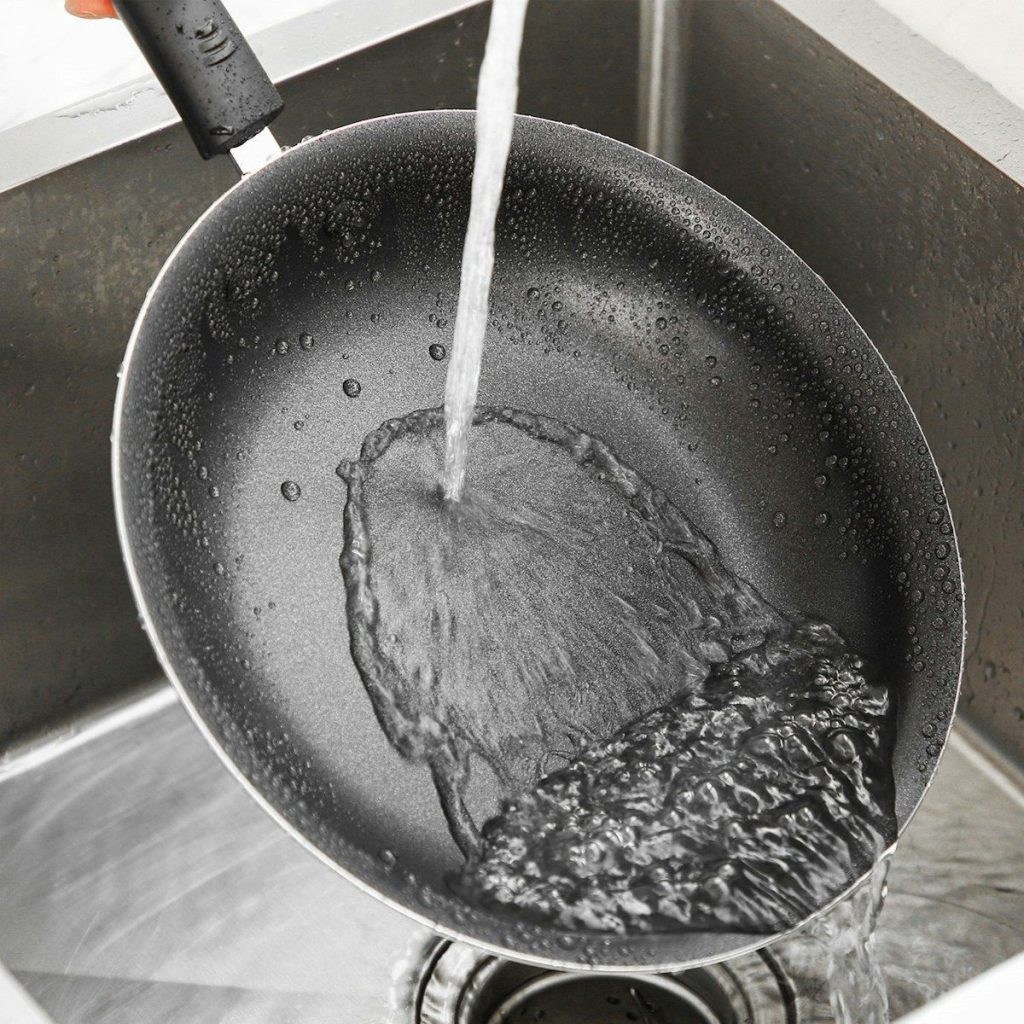
A lightly used coffee mug and a greasy frying pan rarely need the same amount of soap. Treating every item alike can waste both detergent and water throughout the day.
Using just enough soap for each task helps stretch every bottle while still leaving dishes clean. Matching the amount to the mess is one of the easiest money saving habits in the kitchen.
Keep the bottle where it is easy to control
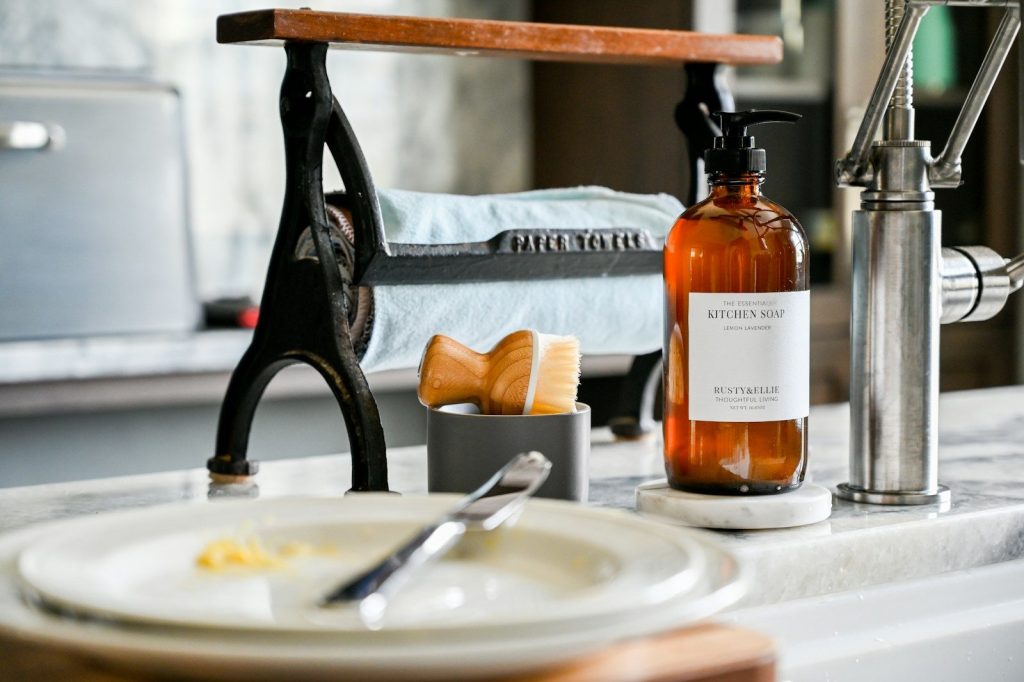
When dish soap sits in an awkward spot, people often squeeze quickly without paying attention to how much they use. Small overpouring mistakes repeated every day can empty a bottle sooner than expected.
Keeping soap within comfortable reach encourages more controlled use. Some households even refill a small dispenser to make portioning easier and reduce waste.
Do not judge value by the bottle size alone
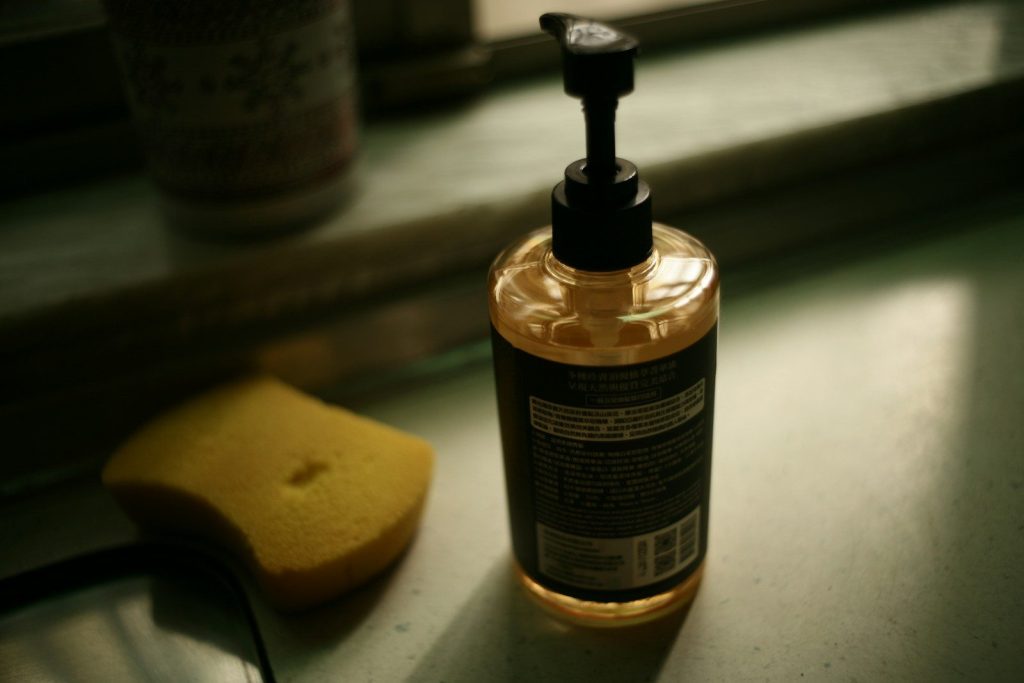
Large bottles often seem like the smartest purchase, but size alone does not tell the full story. Concentration, cleaning power, and the number of washes each bottle provides matter much more.
Looking at cost per use instead of cost per bottle gives a better picture of real value. A smaller bottle that lasts longer can outperform a bargain-sized option.
Clean smarter instead of buying more
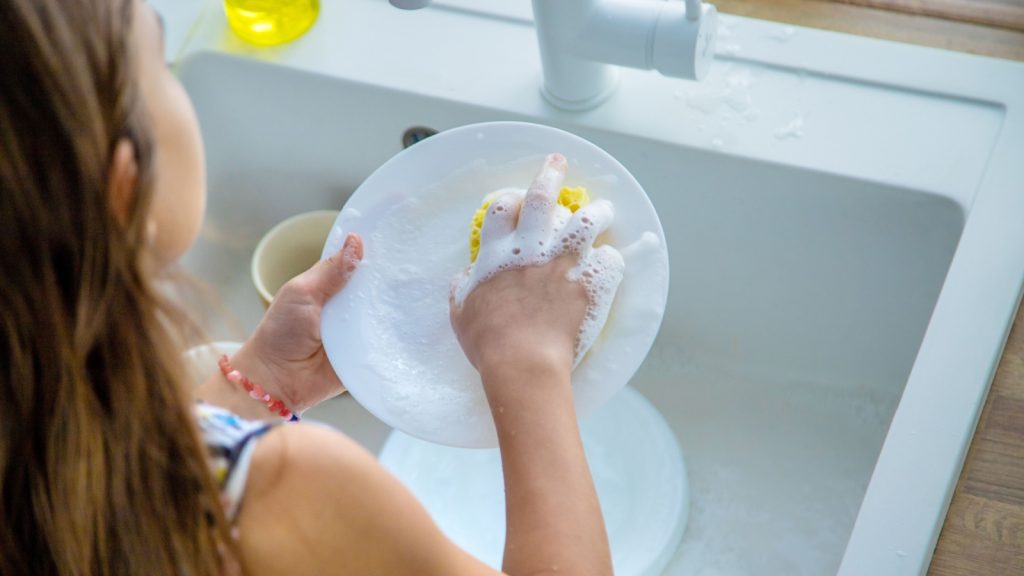
Many people replace dish soap frequently without realizing that everyday habits are the real reason bottles disappear so quickly. Small adjustments in how you choose, measure, and use dish soap can make a noticeable difference over time.
The best savings often come from improving routines rather than cutting corners. When every bottle lasts longer, you reduce waste, spend less on household supplies, and make kitchen cleanup easier every single day.
Featured Image: Photo by leungchopan on Shutterstock