
Standing in the grocery aisle, holding two nearly identical boxes of pasta, one with a familiar red logo, one with the store’s plain white label at two-thirds the price, most shoppers feel a small but genuine hesitation.
The cheaper one looks fine. But will it taste fine? Store brands have come a long way since the era of no-frills packaging and disappointing results, and in 2026, the gap between private label and national brands has genuinely closed in some categories. In others, though, the name brand still earns its premium.
Where Store Brands Win Easily
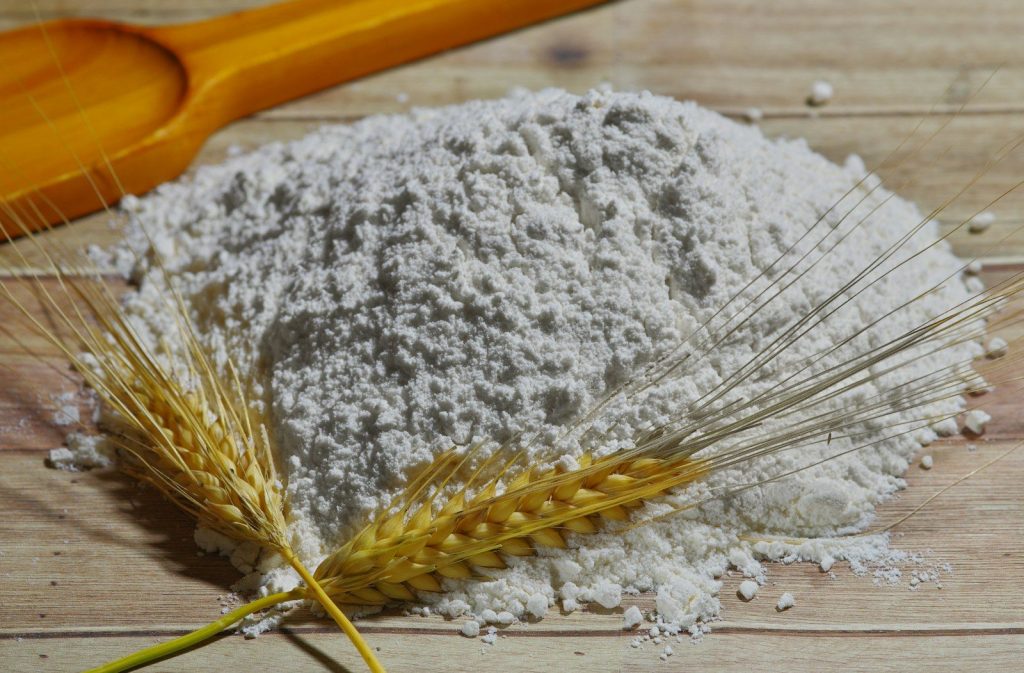
Pantry staples are the clearest win for store brands. Flour, sugar, salt, baking soda, canned beans, canned tomatoes, dried pasta, rice, these are commodity products where the chemistry is fixed and the source is often the same facility as the name brand version.
Costco’s Kirkland Signature, Trader Joe’s house label, and Walmart’s Great Value line have all built real credibility in this space. Kirkland’s extra-virgin olive oil, for example, has repeatedly tested well against bottles costing significantly more.
Cleaning Products Are Mostly Interchangeable
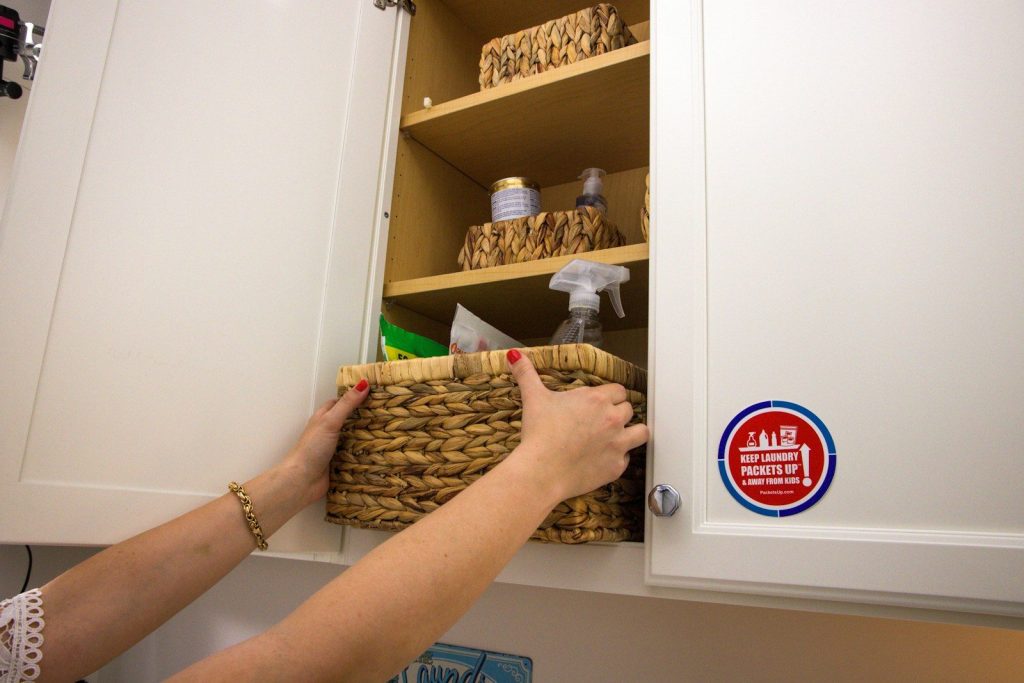
Dish soap, laundry detergent, all-purpose spray cleaners, and trash bags are categories where store brands perform at a nearly identical level to their name brand counterparts. The active cleaning agents are regulated, and the differences between a name brand dish soap and a store version tend to come down to fragrance and packaging.
Spending extra on Dawn or Tide is largely a habit at this point, not a quality decision. Generic trash bags are the rare exception, cheap versions often fail at the handles or seams, and that’s a mess worth avoiding.
Medications Are a Special Case

Over-the-counter medications are one of the clearest arguments for store brands. By law, generic versions of drugs like ibuprofen, cetirizine, omeprazole, and loratadine must contain the same active ingredient at the same dosage as the branded version.
CVS Health’s store-brand pain reliever contains the same ibuprofen as Advil. Walgreens’ allergy tab has the same cetirizine as Zyrtec. The price difference can be 50% or more. There is no meaningful reason to pay for the name here.
Where Name Brands Still Have an Edge
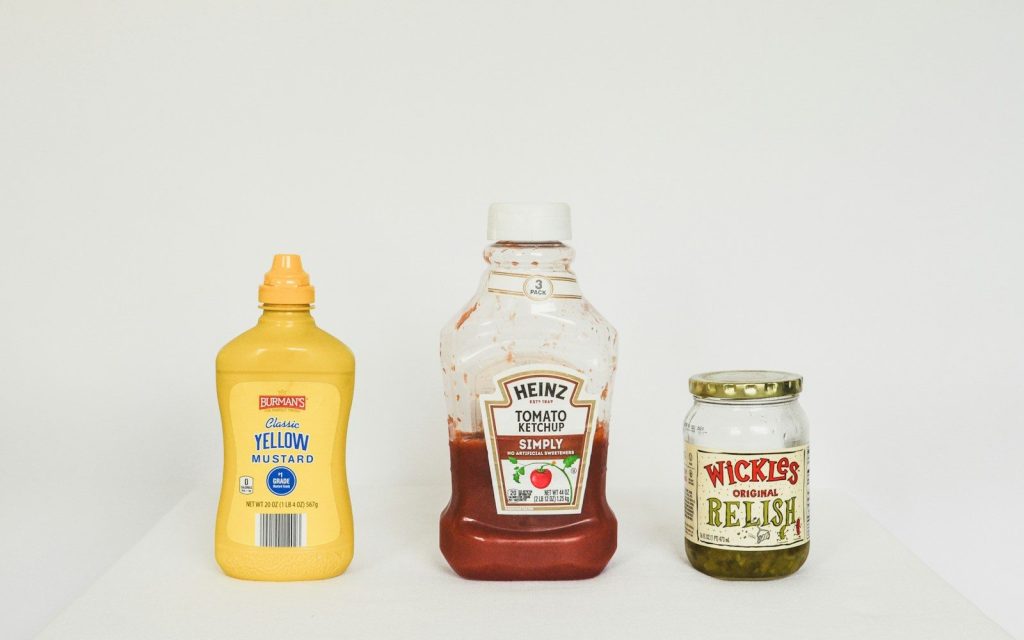
Condiments and sauces are a category where brand identity genuinely tracks flavor differences. Heinz ketchup has a specific sweetness and consistency that store brands reliably fail to replicate. Hellmann’s mayonnaise has a richer texture. Frank’s RedHot has a distinct vinegar-forward profile that generic hot sauces approximate but rarely match.
These aren’t placebo effects, blind taste tests have consistently shown that consumers can distinguish these products. Whether the difference is worth the extra dollar is a personal call, but the difference exists.
Baby Products Deserve More Scrutiny
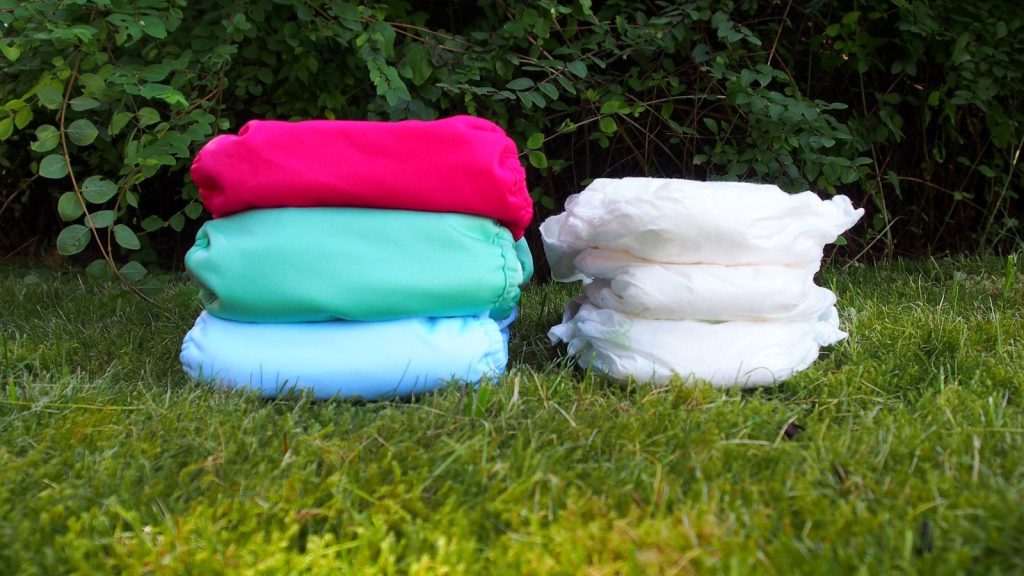
Parents are understandably cautious about store-brand baby products, but the concern is often misplaced. Store-brand infant formula sold in the U.S. must meet the same FDA nutritional requirements as name brands like Similac and Enfamil.
The same applies to diapers in terms of material safety standards. That said, fit and absorbency vary between diaper brands in ways that matter practically, and some babies genuinely do better with specific fits. Formula is nutritionally equivalent. Diapers may require some trial and error.
Electronics and Tech Accessories

This is where the calculus shifts sharply. Cheap store-brand or unbranded USB cables, phone chargers, and power strips carry real risks. There have been documented cases of off-brand charging cables causing device damage or, in rare instances, fires. Reputable certifications matter here.
For something like HDMI cables, the difference between a $6 cable and a $40 one is mostly marketing, a signal either transmits or it doesn’t. But for anything that draws significant current, sticking with established manufacturers is a reasonable precaution.
Dairy and Fresh Produce
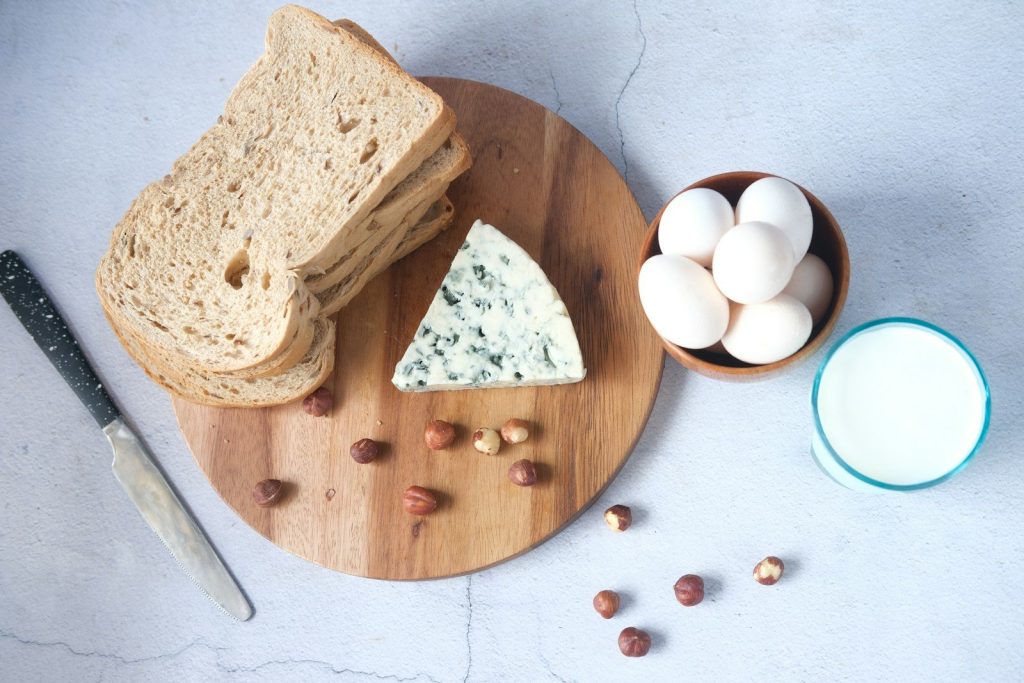
Store-brand milk, eggs, butter, and cheese are generally excellent value. These products are sourced regionally and often come from the same suppliers as name brands.
Store-brand Greek yogurt has improved substantially over the past several years, and most store-brand shredded cheese is indistinguishable from name brand in cooked applications. Fresh produce is less about brand and more about sourcing and freshness, the store’s own label on a bag of spinach tells you almost nothing about quality.
Cereal, Snacks, and the Taste Memory Problem
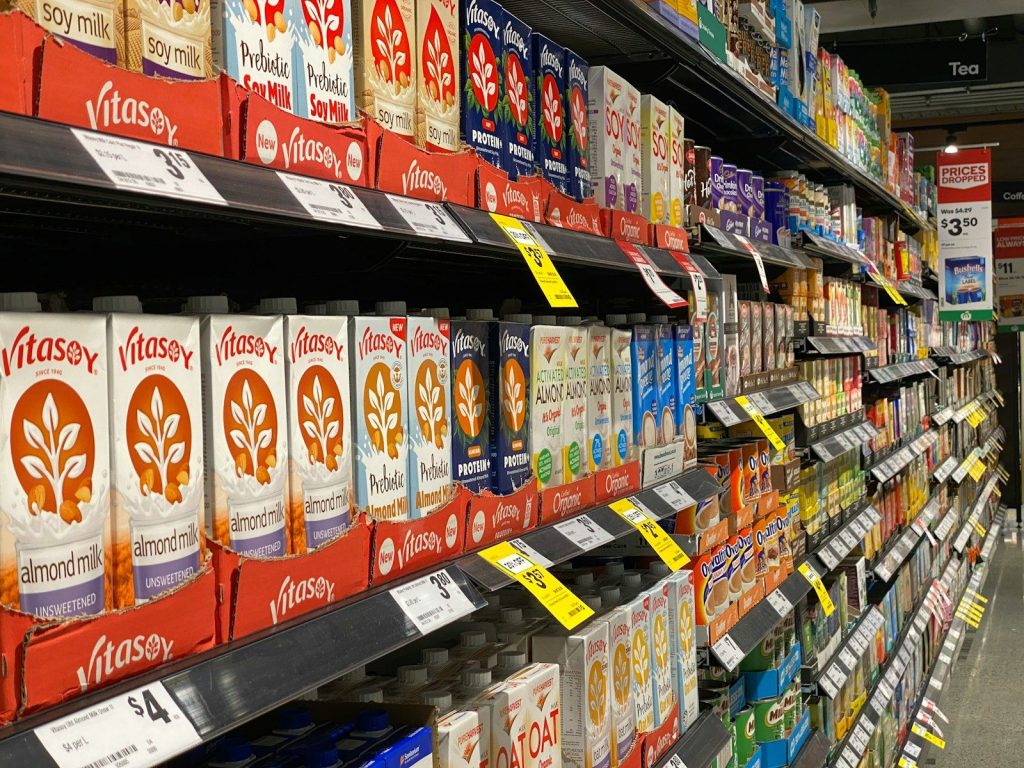
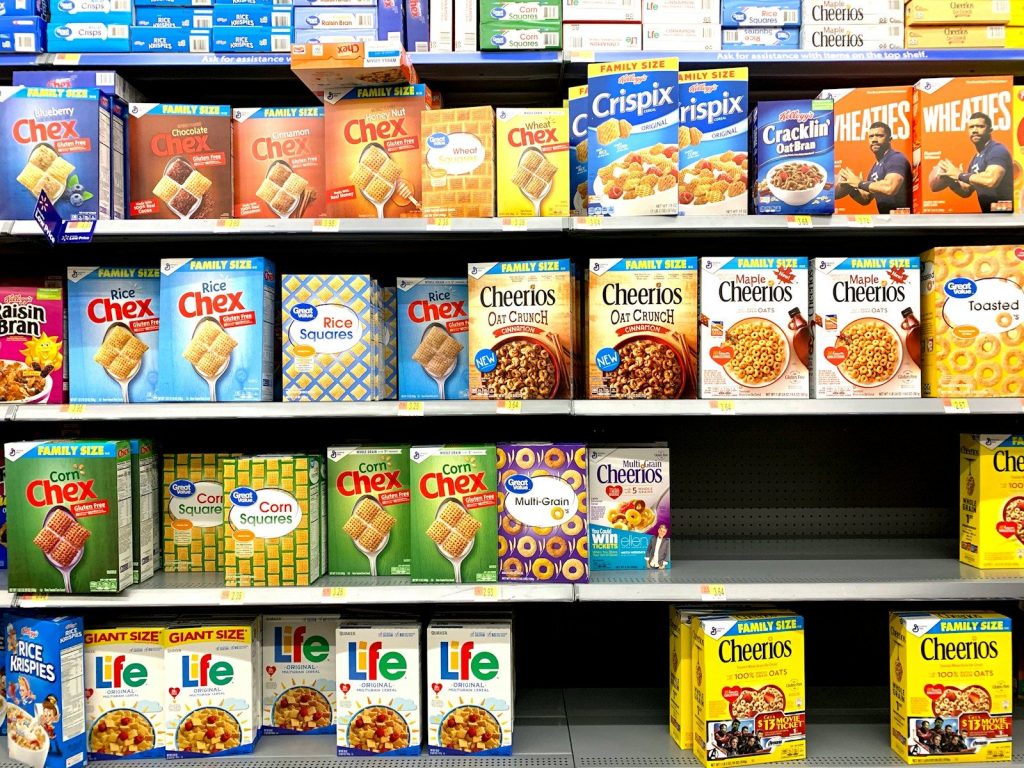
Cereal is one of the trickiest categories because so much of brand preference is built in childhood. Frosted Mini-Wheats taste different from the store version not necessarily because the recipe is dramatically different, but because the name brand version is the one that got filed away as correct.
Blind taste tests in this category are genuinely mixed. Salty snacks like chips and crackers show more real variation, Lay’s potato chips have a specific thin-cut texture and seasoning that store versions often miss. Crackers like Triscuits are harder to replicate at the store-brand level than they appear.
The Practical Takeaway
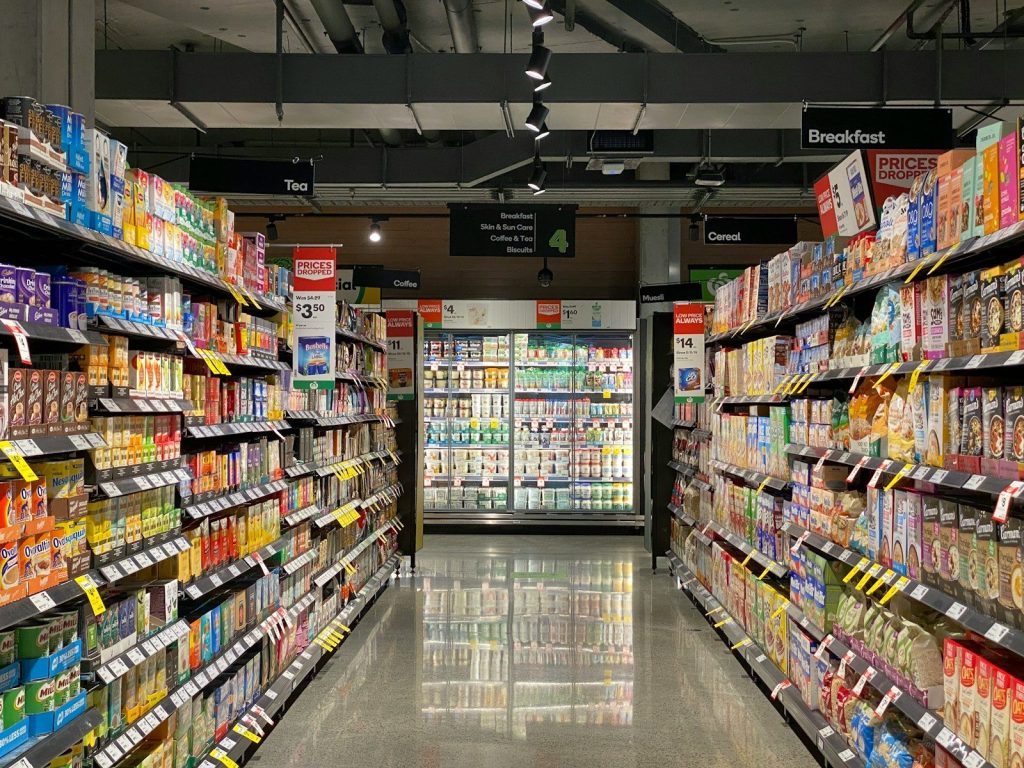
The smarter approach is to think by category rather than defaulting to either side. Generic medications, pantry staples, cleaning supplies, and dairy products represent real savings with minimal trade-off. Condiments, salty snacks, and certain beverages are areas where the name brand often tastes meaningfully different.
For anything involving electrical safety, brand and certification reputation matters. The goal isn’t loyalty to one side, it’s knowing which differences are real and which ones were invented by a marketing budget.