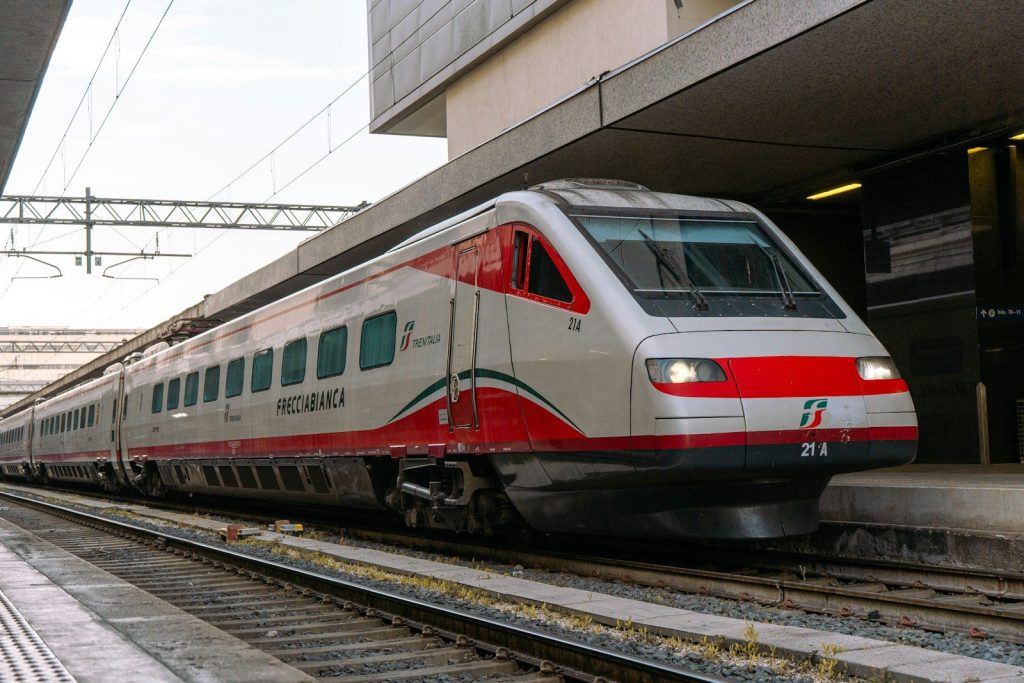

Traveling through Europe by train offers a different kind of adventure. Instead of rushing through airports, you can watch changing landscapes, arrive in city centers, and enjoy a more relaxed journey between destinations.
A little planning goes a long way when traveling by rail. These practical strategies help you save money, stay organized, and get the most value from every ticket while making your European vacation smoother from start to finish.
Decide Whether a Rail Pass Fits Your Plans
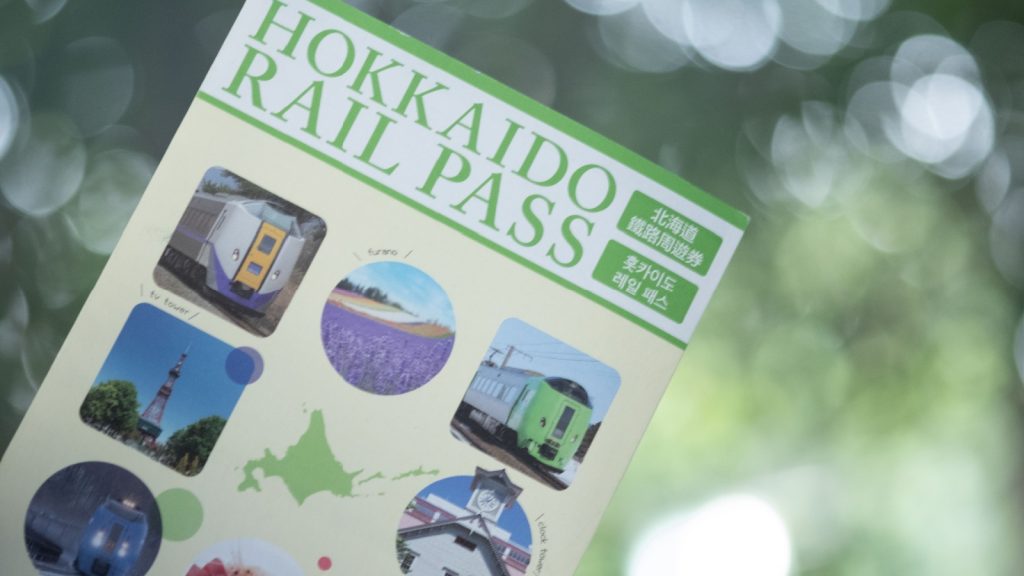
A rail pass sounds convenient, but it is not always the cheapest choice. Travelers visiting several countries over a short period may benefit from one, while those taking only a few trips could spend less by purchasing individual tickets.
Compare your itinerary before buying anything. Taking a few minutes to calculate transportation costs helps you choose the option that matches both your travel style and your budget.
Book Popular Routes Early
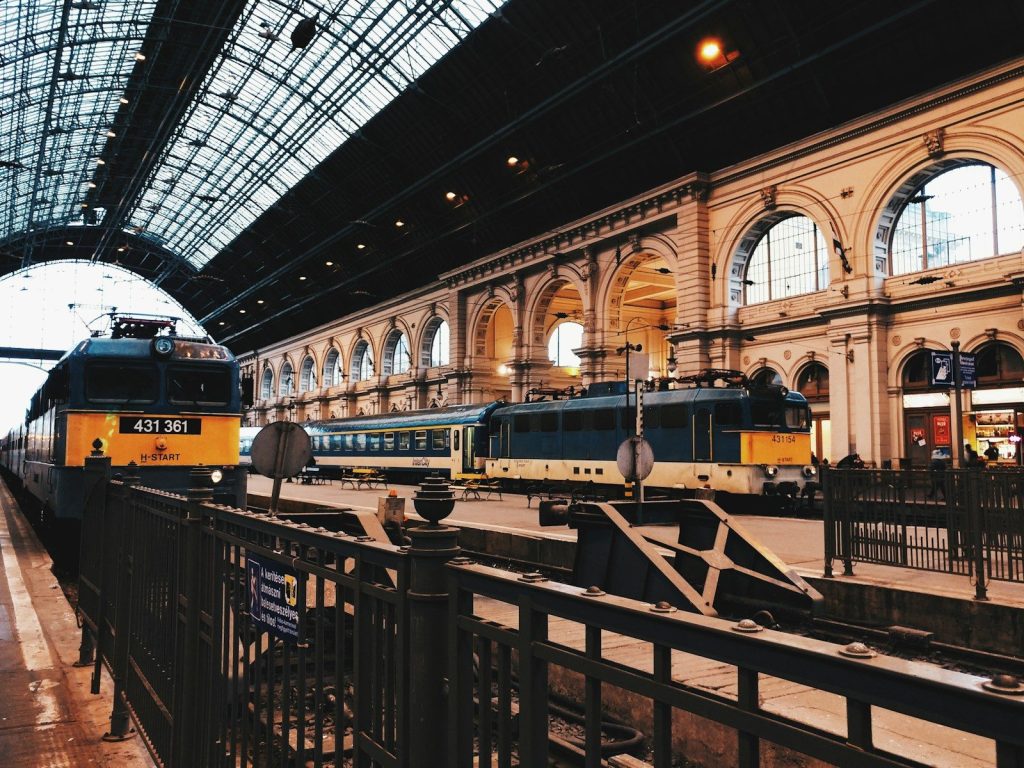
Many European trains offer lower fares when reservations are made well in advance. Waiting until the last minute can leave you paying much more or missing your preferred departure time.
As soon as your travel dates are confirmed, check available schedules. Early planning often provides better prices and a wider selection of seats, especially during busy travel seasons.
Pack Light for Easy Transfers
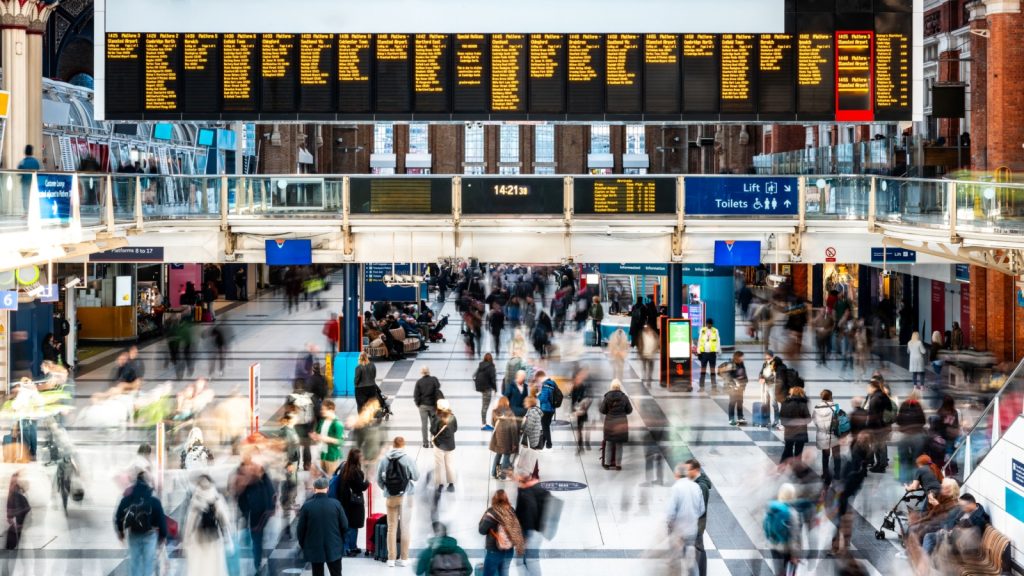
Unlike airports, train stations often require travelers to carry their own luggage across platforms, stairs, or busy streets. A heavy suitcase quickly becomes more of a burden than a convenience.
Choose versatile clothing that mixes easily into several outfits. Packing fewer items saves effort throughout your journey while helping you move comfortably between trains and accommodations.
Arrive Before Departure Time

Train stations are usually easier to navigate than airports, but large stations can still be confusing for first-time visitors. Finding the correct platform sometimes takes longer than expected.
Arriving at least twenty to thirty minutes early gives you time to read departure boards, locate your train, and settle in without unnecessary stress before boarding.
Keep Important Items Within Reach
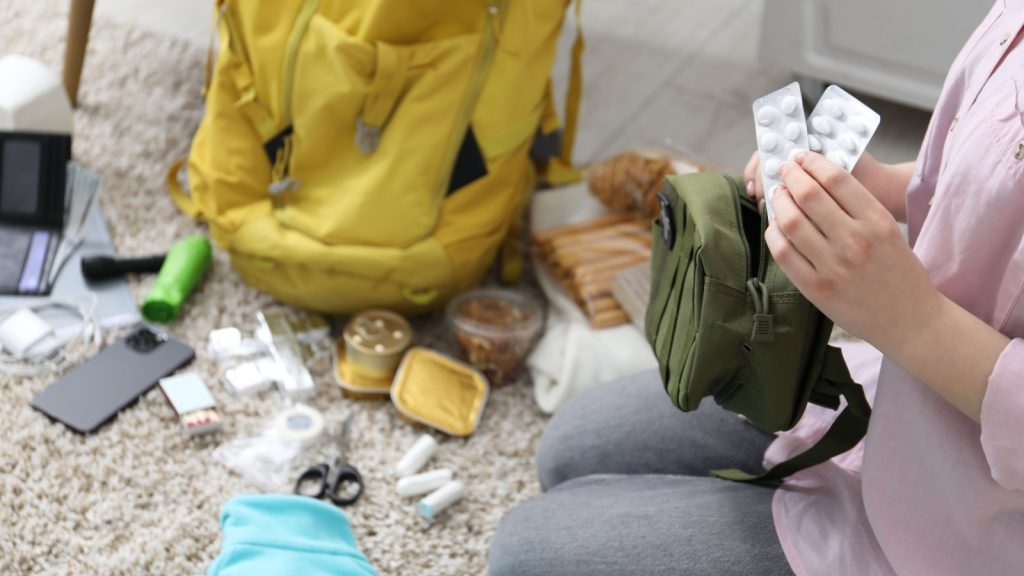
Passports, tickets, chargers, medications, and valuables should stay in a small personal bag instead of being packed deep inside your suitcase. Having essentials nearby makes every stop more convenient.
A compact organizer also helps during ticket inspections. You spend less time searching through your luggage and more time enjoying the scenery outside your window.
Bring Snacks and a Reusable Water Bottle
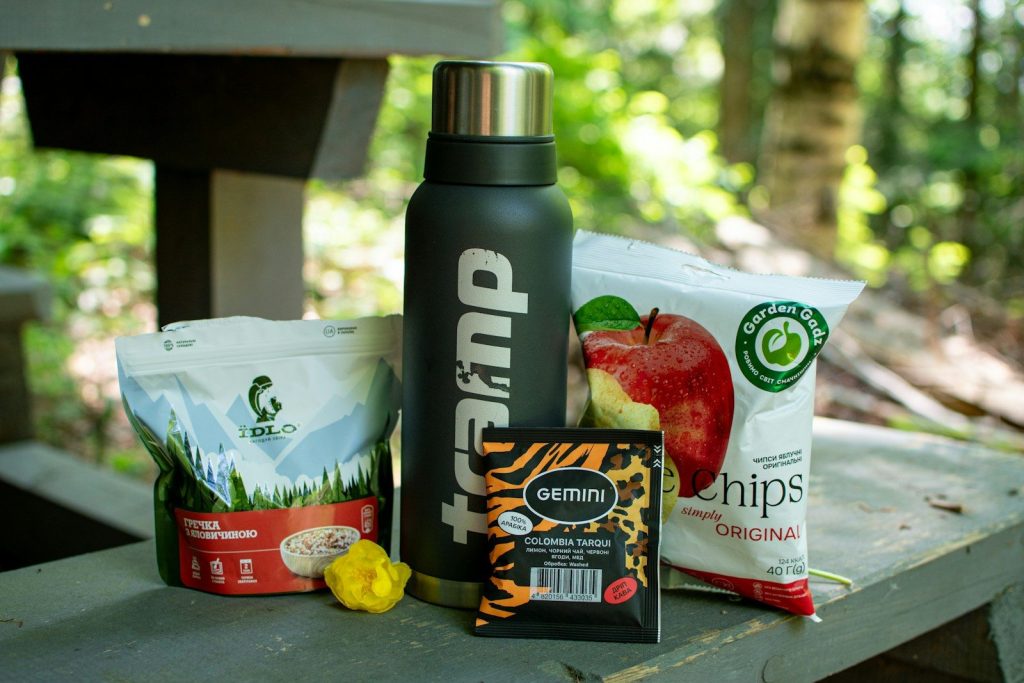
Some trains have dining cars, while others offer limited food choices or none at all. Carrying simple snacks prevents expensive impulse purchases and keeps everyone comfortable during longer rides.
A reusable water bottle is another smart travel companion. Refill it whenever possible to reduce waste while avoiding repeated purchases of bottled drinks throughout your trip.
Explore Smaller Cities Along the Way

Many travelers focus only on famous capitals, yet smaller towns often deliver memorable experiences with fewer crowds and lower prices. Regional train routes make these destinations easy to include.
Stopping in lesser-known places may stretch your vacation budget while giving you a chance to discover local markets, historic neighborhoods, and authentic restaurants that many visitors overlook.
Stay Flexible When Plans Change
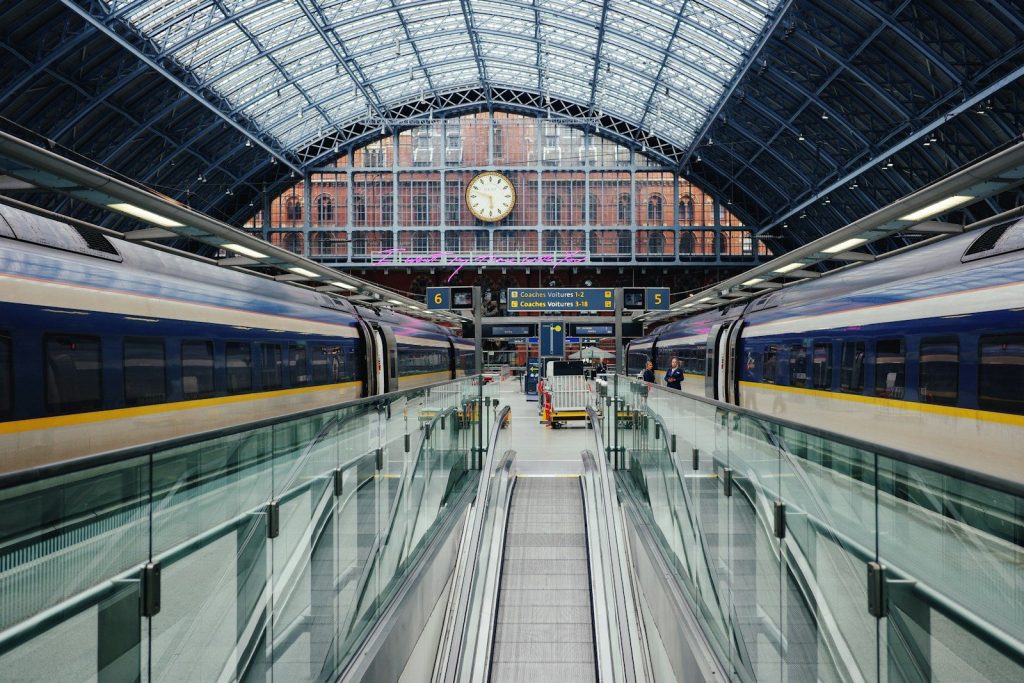
Weather, delays, or schedule adjustments can happen during any trip. Building extra time into your itinerary makes unexpected changes easier to manage without affecting the rest of your vacation.
The best train journeys balance preparation with flexibility. Smart planning, lighter packing, and thoughtful spending allow you to enjoy more destinations while making every mile across Europe feel rewarding.