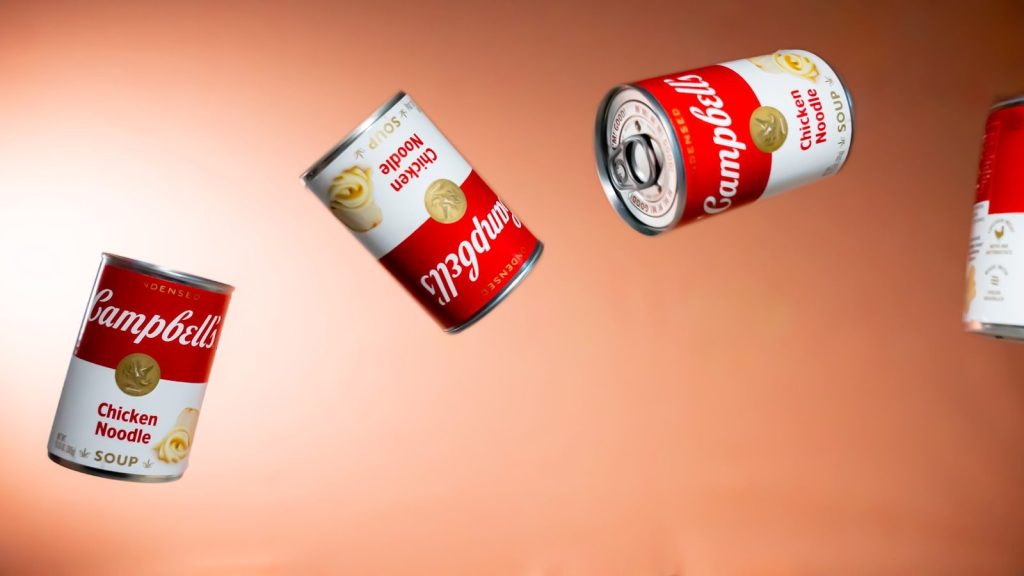

Before tossing that empty coffee tin or bean can into the recycling bin, consider what it could become. Tin and aluminum cans are among the most versatile raw materials sitting in the average kitchen, and the projects they support range from genuinely useful household fixes to surprisingly attractive home decor.
None of this requires a craft degree or a garage full of tools.
1. Herb Planter
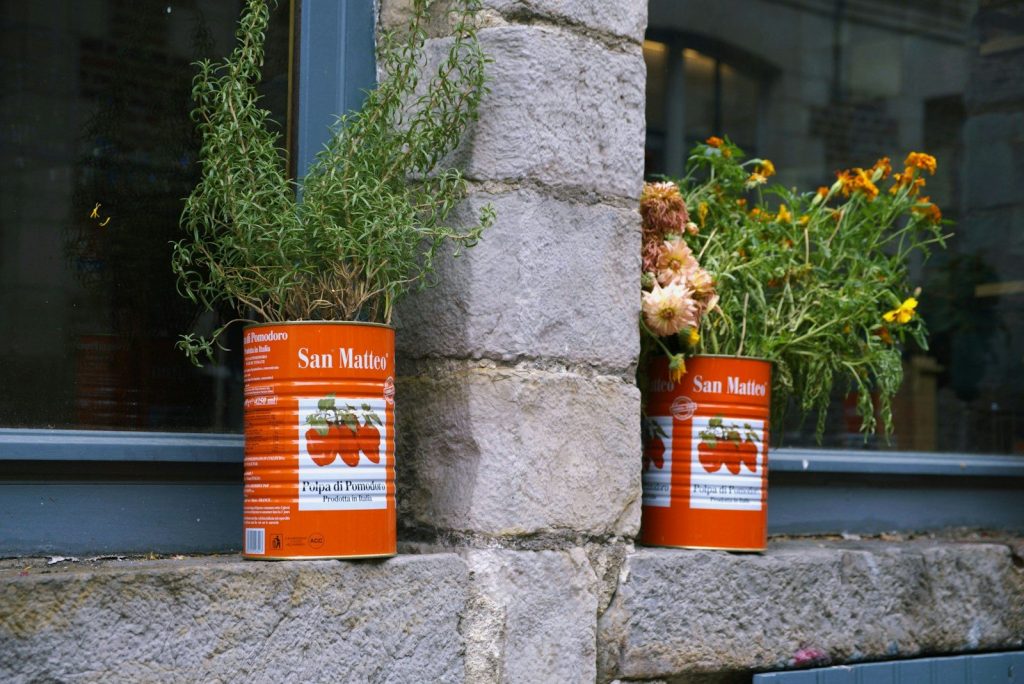
A standard 28-ounce tomato can makes a near-perfect planter for kitchen herbs. Punch a few drainage holes in the bottom with a nail, fill it with potting mix, and plant basil, cilantro, or chives.
Lined up along a windowsill, a row of matching cans, left plain or spray-painted in matte earth tones. looks intentional rather than improvised. Herbs like these can run $4 to $6 per pot at grocery stores, so growing from seed in recycled cans pays for itself fast.
2. Utensil Organizer
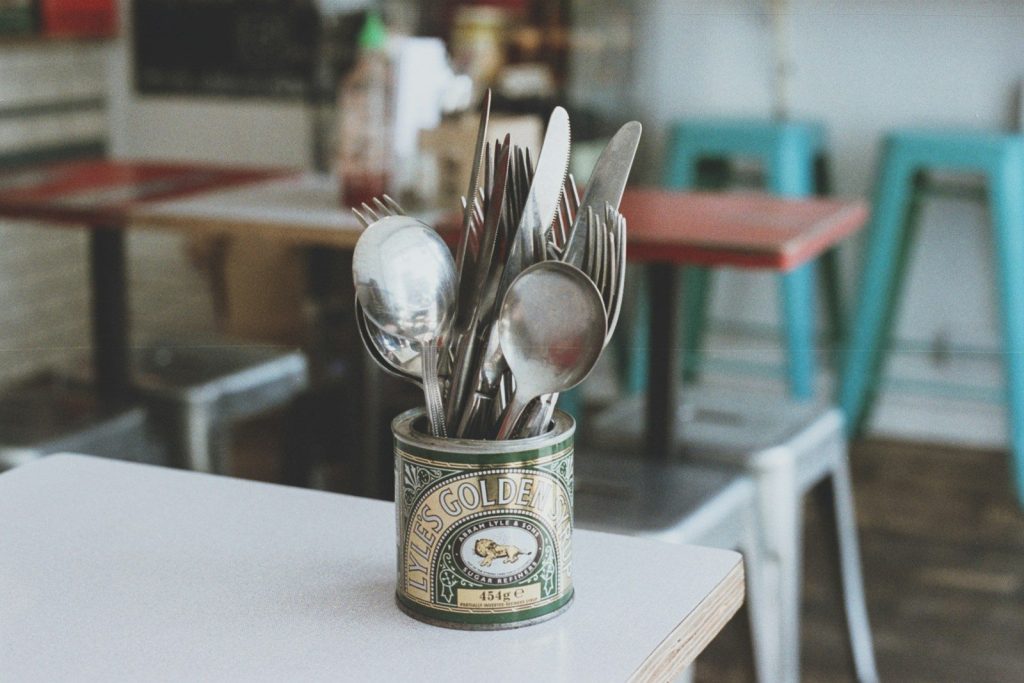
Cramped kitchen drawers are a universal irritant. A cluster of large cans on the counter, grouped by utensil type, eliminates the rummaging.
Use one for spatulas, one for wooden spoons, one for tongs. Wrap the exterior in kraft paper or twine for a cleaner look, or leave the label on if the aesthetic suits the space. Either way, the organizational logic holds.
3. Lanterns and Candle Holders

Punched tin lanterns have been around for centuries, and the technique works just as well with a modern soup can. Fill the can with water, freeze it solid, then use a hammer and nail to punch a pattern into the metal.
The ice keeps the can from collapsing under pressure. Once thawed and dried, drop in a tea light. The result is a warm, patterned light source that costs almost nothing and works well on a patio table or porch railing.
4. Desk and Office Organizers

Small cans, like tuna cans, for instance, are the right size for paper clips, rubber bands, thumbtacks, and pens. Grouped on a desk, they keep supplies accessible without the sprawl.
Several companies sell “rustic organizer sets” at $25 and up that are essentially this exact concept with a coat of paint. Skipping the purchase and doing it with cans already on hand is the obvious move.
5. Seed Starters
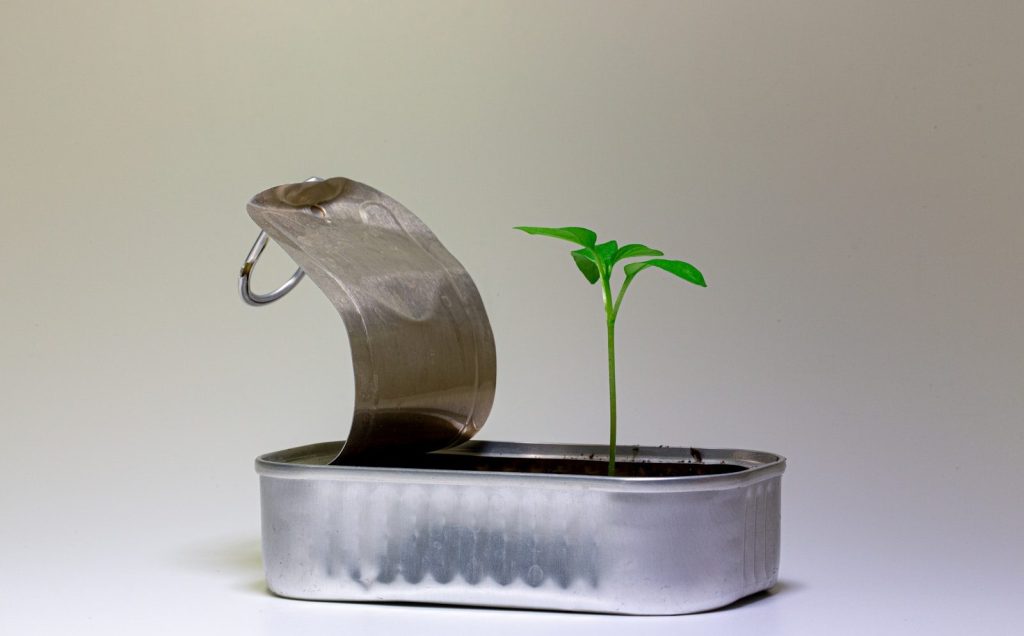
Gardeners who start seeds indoors each spring spend real money on plastic seed trays, many of which crack and warp after one season. Small cans, cat food cans, vegetable cans, work just as well.
Punch drainage holes, fill with seed-starting mix, and transplant once seedlings are ready. The cans decompose far more slowly than plastic degrades, so they last multiple seasons with basic care.
6. Wall-Mounted Storage
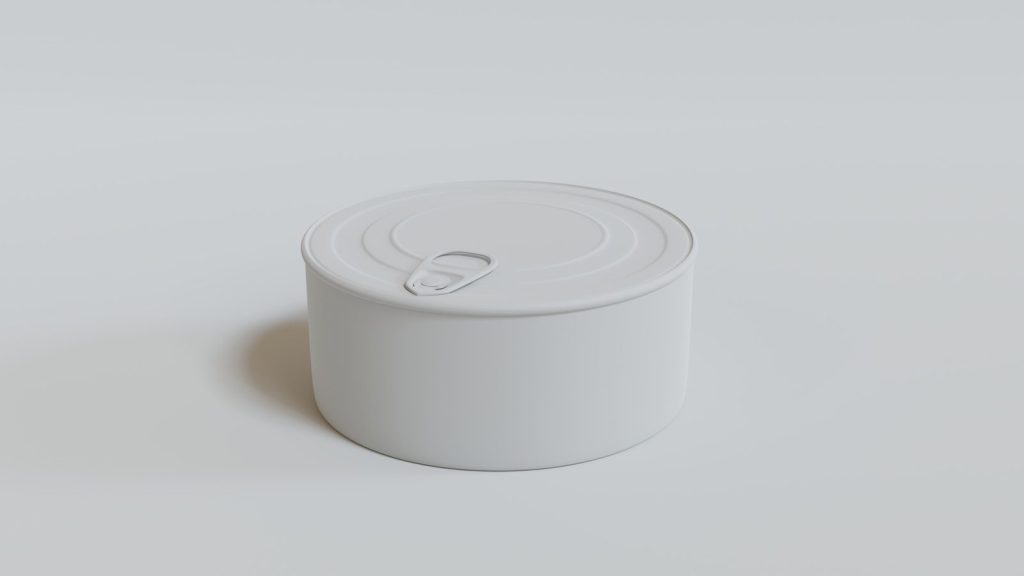
Attach cans to a wooden board with pipe clamps or hose clamps from any hardware store, mount the board to a wall, and the result is a functional storage rack for a garage, mudroom, or workshop.
Screwdrivers, brushes, scissors, rulers, anything long and narrow fits. This approach is common in workshop organization content right now, and the builds shown typically cost under $15 in materials when the cans are free.
7. Bird Feeders
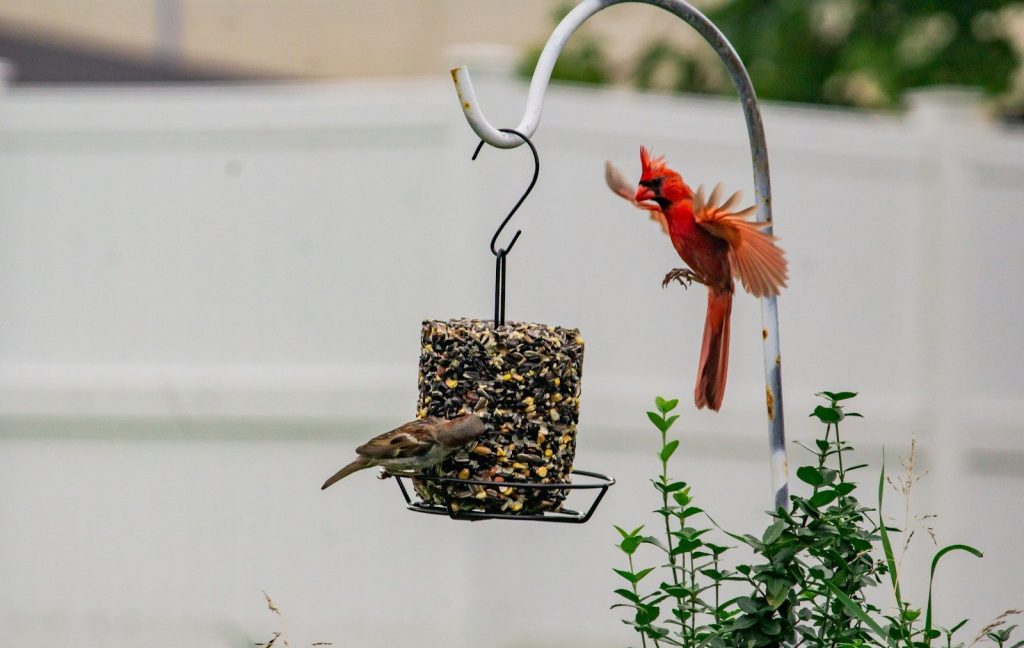
A large can with one end removed and a wooden dowel threaded through the bottom makes a workable hanging bird feeder. Fill it with sunflower seeds or mixed seed.
Hang it from a branch with wire or twine. Commercial feeders in resin or metal run anywhere from $12 to $50, and many perform no better than a well-constructed can version.
8. Cookie Cutter Storage

Cookie cutters are infamously difficult to store. They tangle, they slip through drawer organizers, and they’re awkward in bags.
A tall, wide-mouth can stores a surprising number of them upright and accessible. The same logic applies to biscuit cutters, pastry tips, and other small baking tools that tend to disappear in cluttered drawers.
9. Fire Starters and Camp Gear
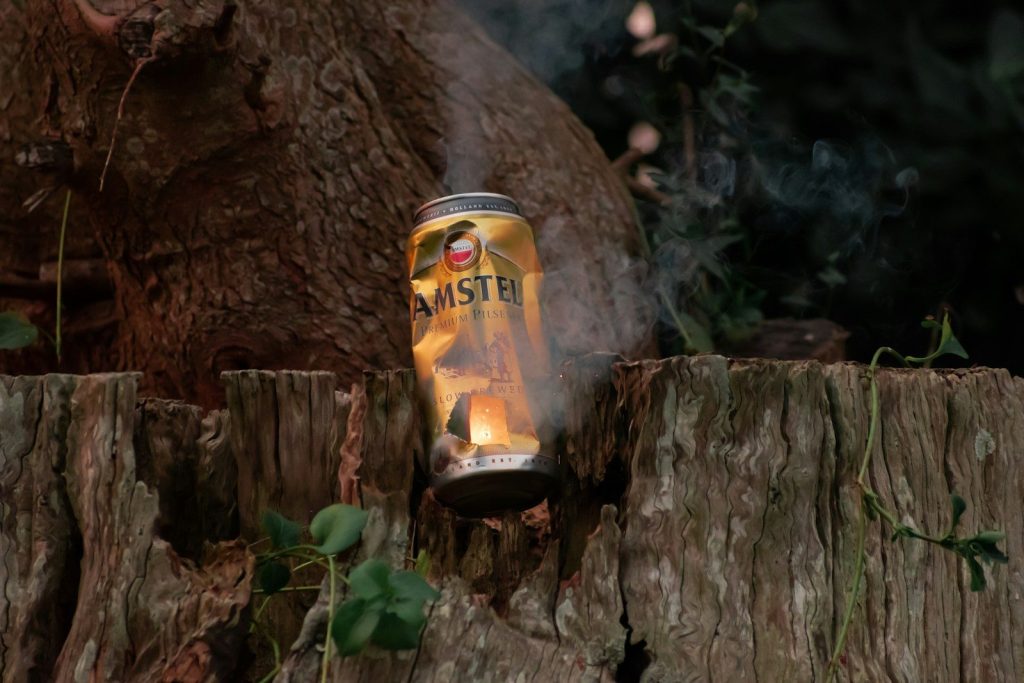
Tightly rolled corrugated cardboard packed into a tuna can and saturated with melted wax makes an effective fire starter for camping or fireplace use.
The can acts as the mold and the carrying case. Paraffin wax from craft stores costs roughly $5 per pound and yields a dozen or more starters. Dryer lint works as a substitute for the cardboard and burns even faster, a tip that shows up in survival preparedness guides and has held up through practical testing.