
The meal may still taste fine, but these upsells can change the value fast.
A restaurant bill rarely jumps because of one dramatic decision. More often, it climbs through small yeses: bottled water, a side swap, a little extra sauce, or dessert for the table. None of these add-ons is automatically a mistake, but they can turn a reasonable meal into a weaker value if you do not notice the price, portion, or whether you actually wanted it.
Bottled Sparkling Water
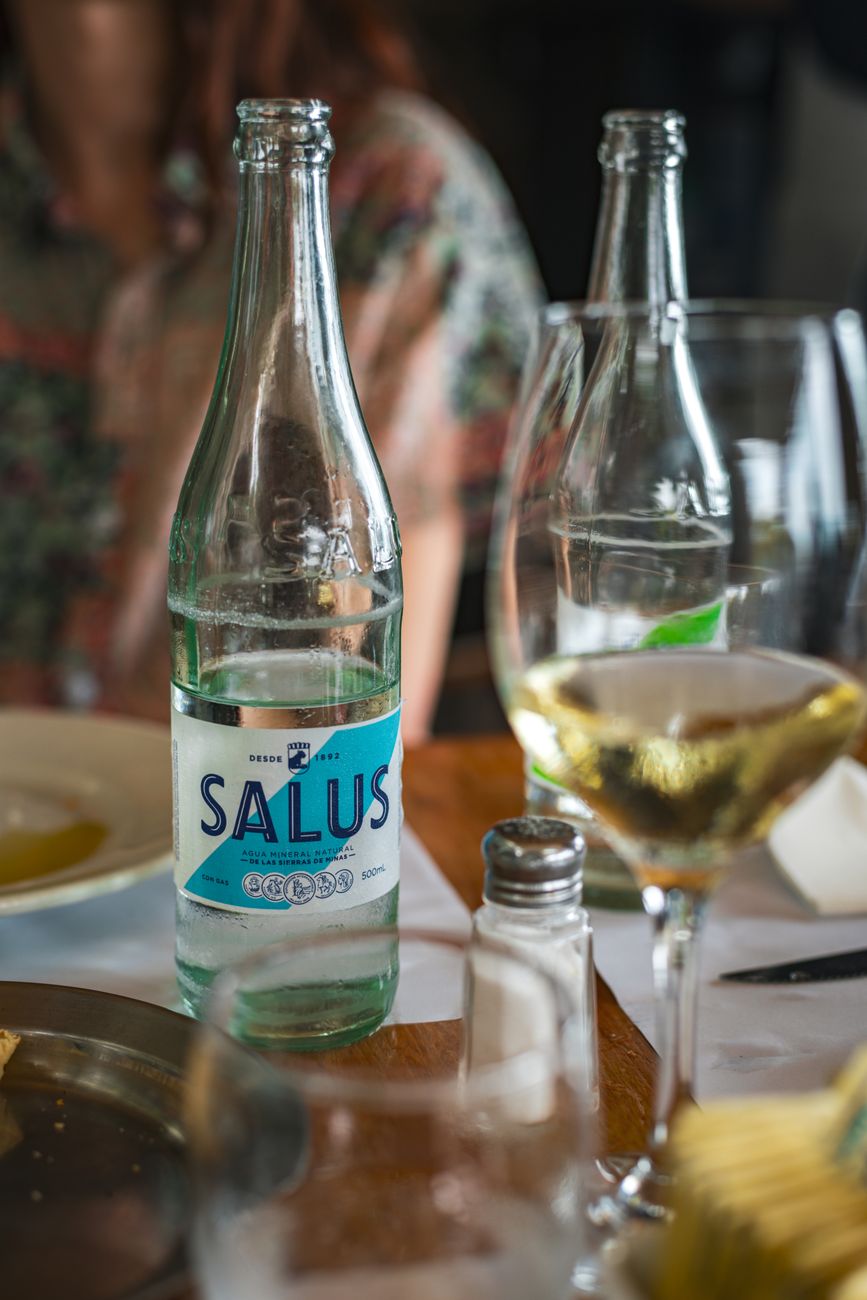
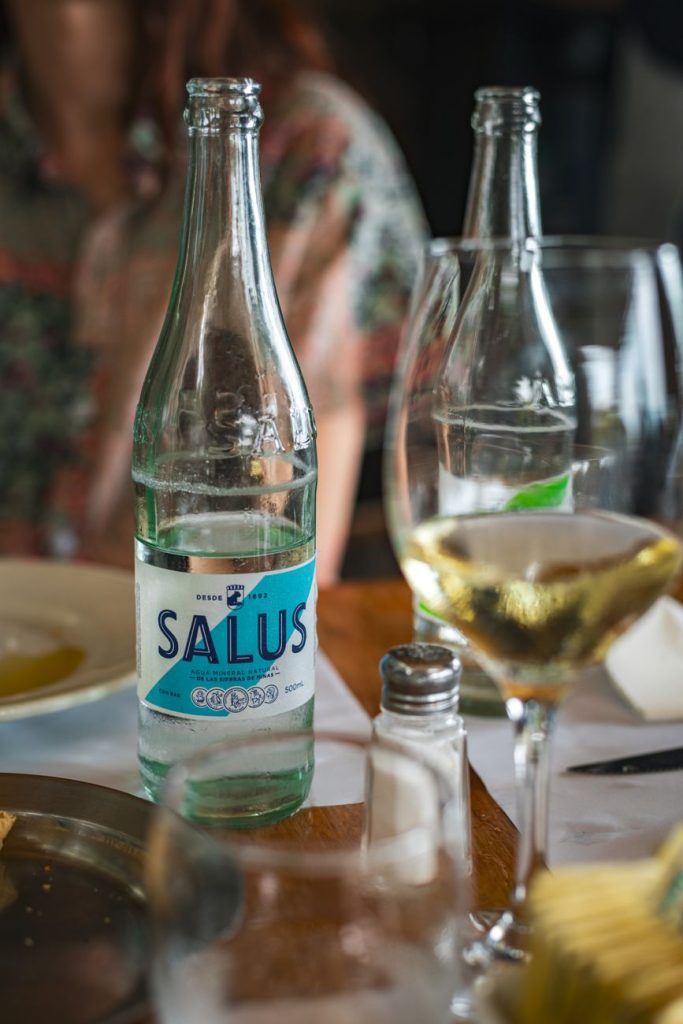
Bottled sparkling water can feel like a harmless upgrade because it arrives before the meal and often gets offered casually. The problem is that it may be priced closer to a beverage order than a free glass of water, especially if a server opens a second bottle for the table. For people splitting a check, it can also create awkward math when only one or two diners actually drank it.
- Ask whether tap water is available before agreeing.
- Check if the bottle is still or sparkling, and whether refills mean another charge.
- For large groups, decide up front if it is shared by everyone.
Worth it if you genuinely prefer it; weaker value if it is just an automatic yes.
Premium Side Swaps
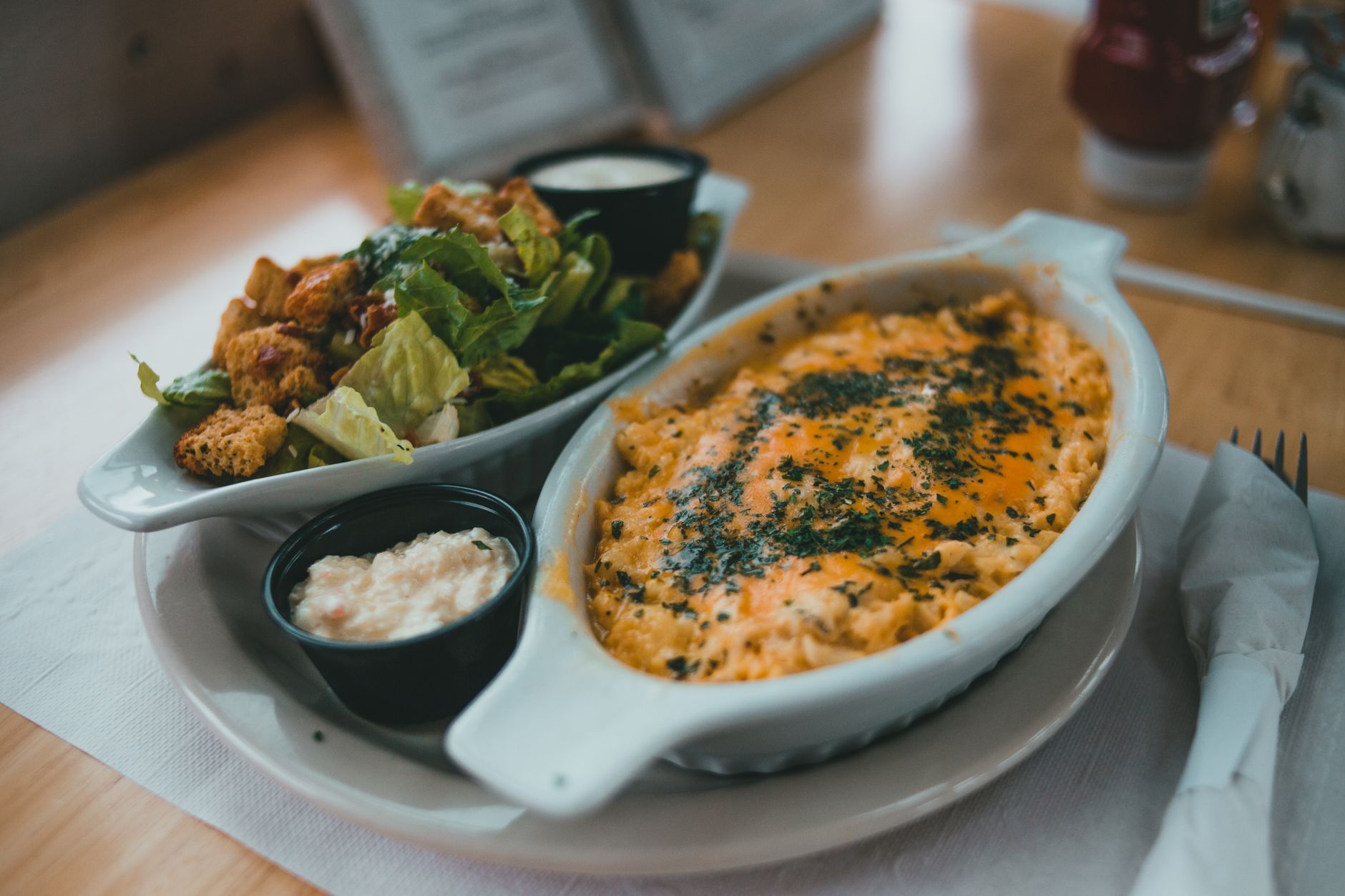
A side swap sounds small because the main dish is already ordered. But replacing fries with truffle fries, a salad, mac and cheese, seasonal vegetables, or loaded potatoes can add enough to change the value of the plate. It matters most when the original entree price looked attractive because the included side was basic. Suddenly the meal is competing with a better entree you might have chosen instead.
- Look for words like upgrade, premium, or substitute on the menu.
- Ask the price before swapping if it is not printed clearly.
- Compare the upgraded total with another entree that already includes what you want.
The best side is not always the cheapest one, but it should be intentional.
Extra Protein
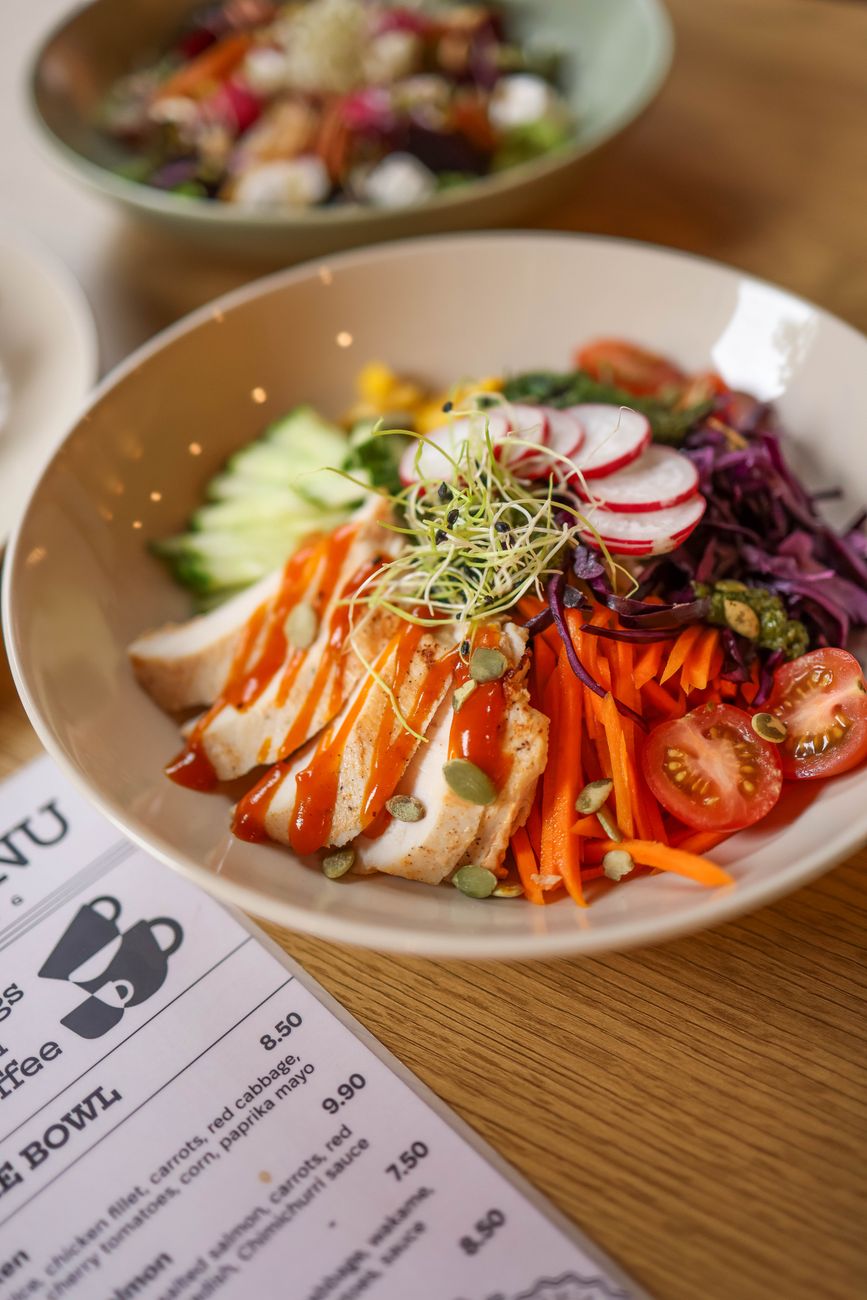
Extra protein can be practical if it turns a light dish into a real meal. It becomes a bad deal when the add-on portion is small, dry, or priced almost like a separate entree. This often happens with salads, pasta, rice bowls, and brunch plates where chicken, shrimp, steak, salmon, or eggs are listed as optional extras. The base price may look reasonable until the protein charge gets added.
- Check whether the menu lists the add-on price next to each protein.
- Ask how large the portion is if the price seems high.
- Consider ordering an entree that already includes protein instead.
This add-on helps hungry diners, but it punishes people who assume the portion will match the price.
Guacamole and Queso Scoops
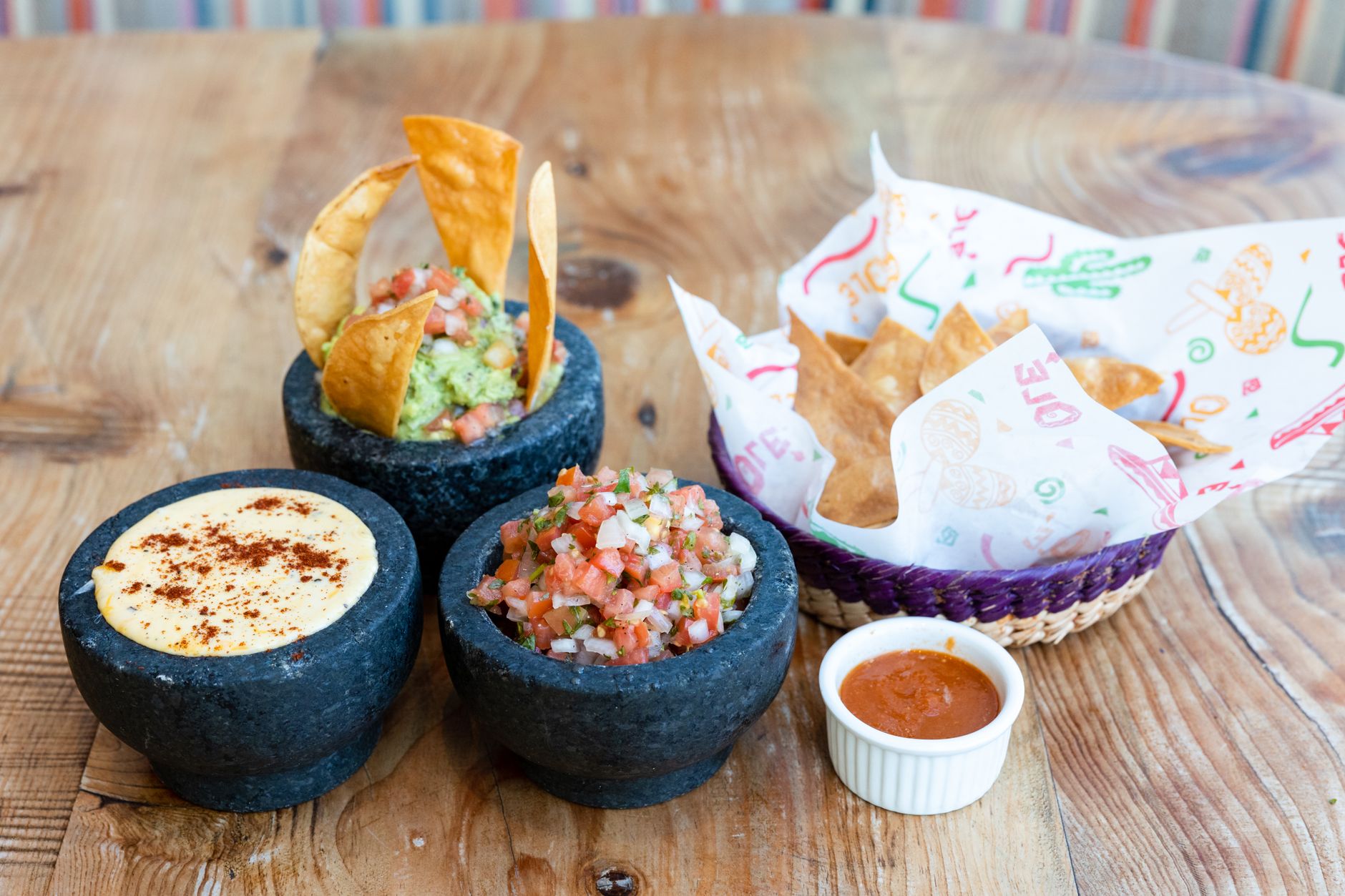
Guacamole, queso, and other scooped add-ons are easy to approve because they feel social. One person says yes, the bowl lands in the middle, and the table snacks without thinking much about the price. The catch is that these items can be priced like a small appetizer while functioning more like a condiment. If several toppings get added to tacos, burritos, burgers, or bowls, the total can creep up quickly.
- Decide whether it is a shared appetizer or an individual topping.
- Watch for separate charges for guacamole, queso, sour cream, or extra salsa.
- Skip it if the main dish already has enough sauce or richness.
The issue is not the avocado; it is paying premium prices for a few extra bites.
Sauce Flights
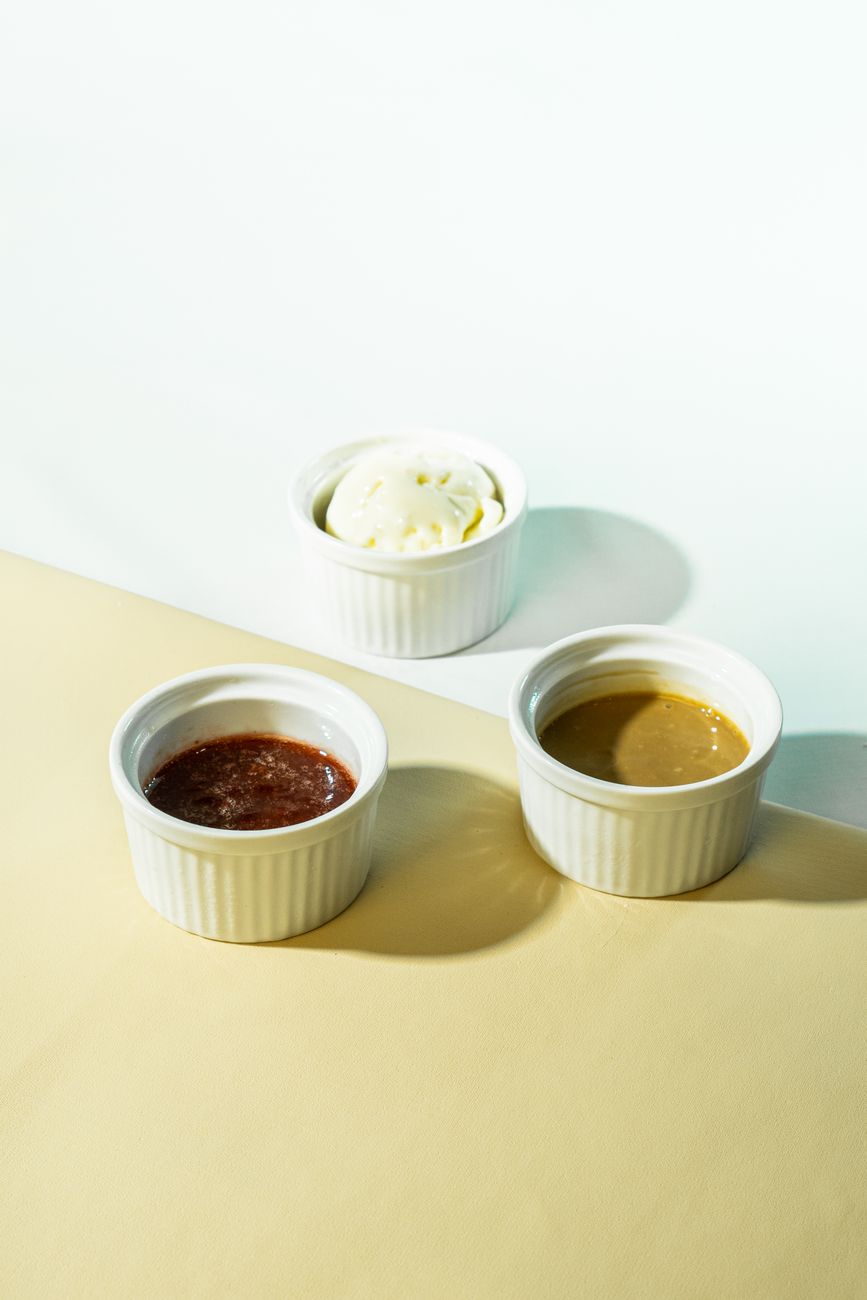
Sauce flights and extra dips can make a plate more fun, especially with wings, fries, sliders, tenders, dumplings, or tacos. They can also hide a poor value because the cost is separated from the item that needs the sauce. A few small ramekins may not seem expensive one at a time, but multiple paid sauces can make a basic snack cost more than expected.
- Check whether any sauce is included before ordering extras.
- Ask if refills are free or charged again.
- Pick one sauce you actually want instead of accepting a full flight by default.
This add-on helps if variety is the point of the meal. It disappoints when the base dish arrives under-seasoned and the fix costs extra.
Dessert Samplers
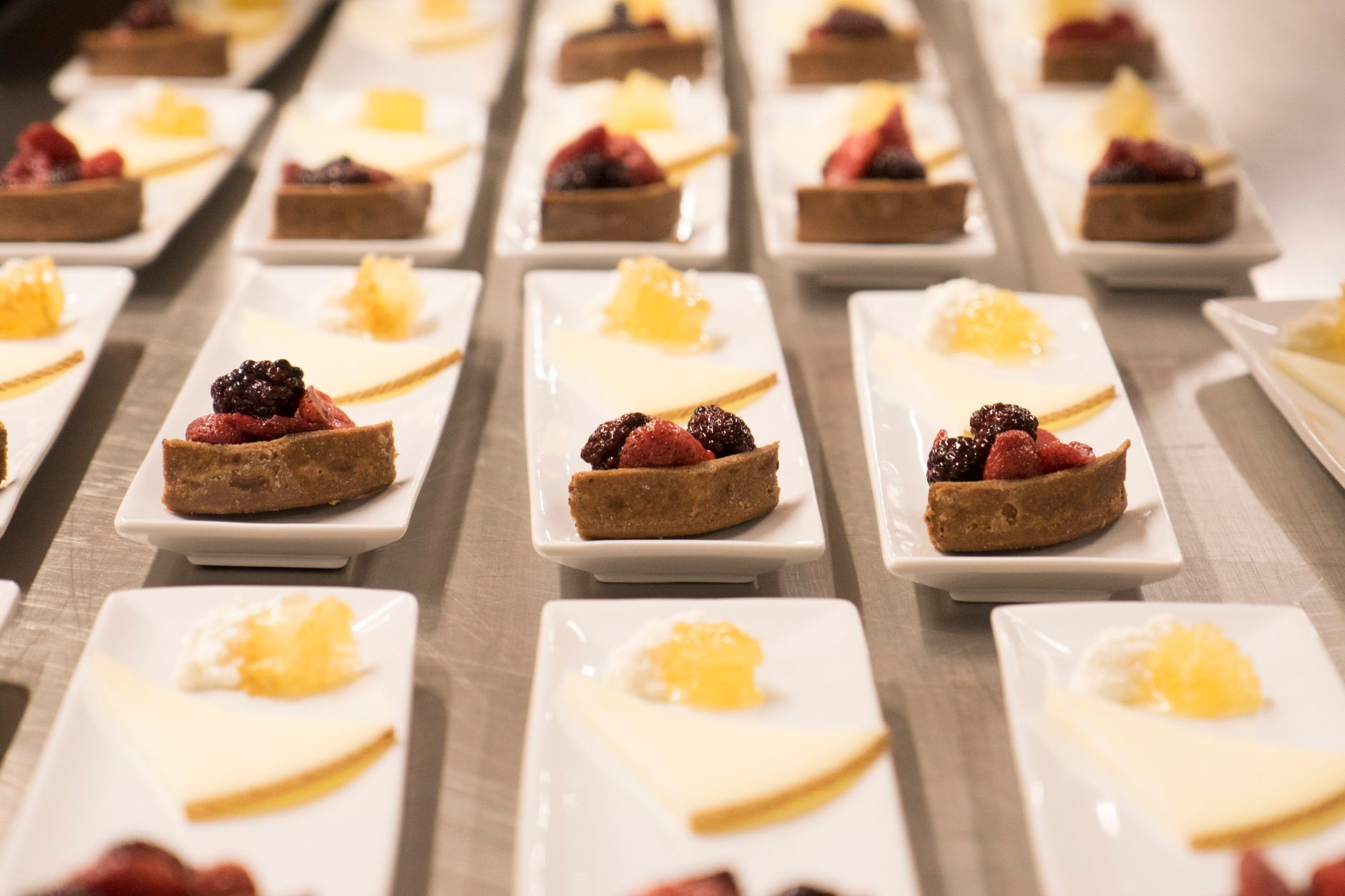
A dessert sampler feels like a smart compromise because everyone gets a bite of several sweets. The value depends on portion size, though. Some samplers are generous; others are a handful of tiny pieces priced higher than one full dessert. It can be especially easy to overspend at the end of the meal, when diners are relaxed, celebrating, or trying to keep the table experience going.
- Compare the sampler price with individual desserts.
- Ask how many pieces are included if the menu is vague.
- Skip it if the table is already full and only wants a taste.
Shared dessert can be worth it for a special night. For a casual meal, it is often the add-on people remember only when the bill arrives.
The easiest way to protect a restaurant budget is not to refuse every extra. It is to pause before the automatic yes. If the add-on has a clear price, a portion you actually want, and a reason beyond habit, it may be worth it. If it only makes the bill harder to predict, the better deal is often the meal you already ordered.