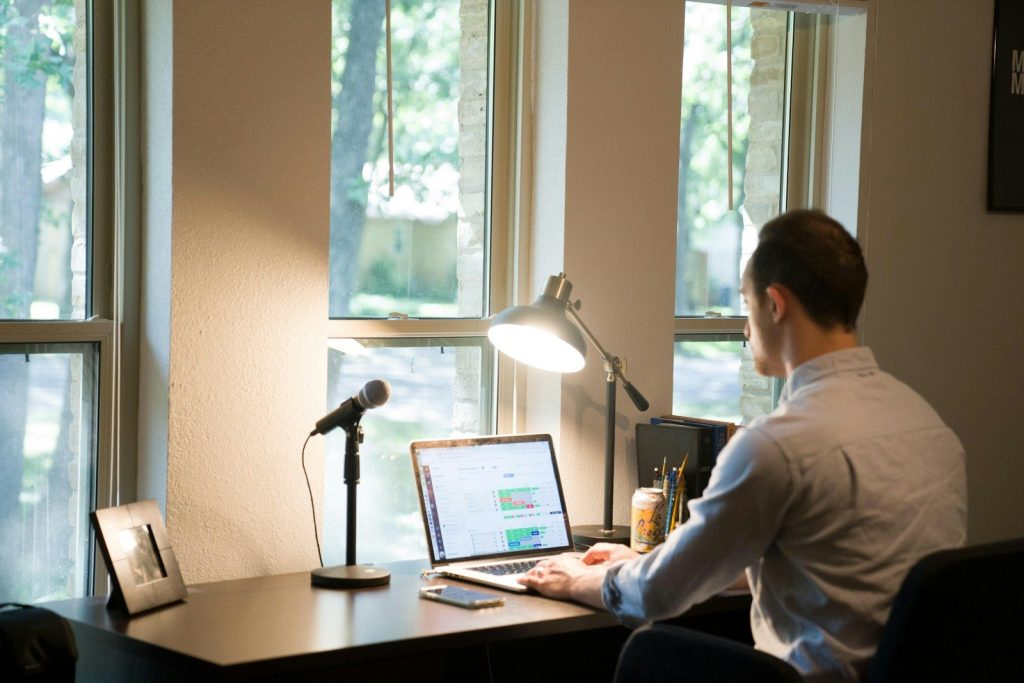
Most people spend somewhere between 9 and 12 hours a day sitting. At a desk, in a car, on a couch. The body was not built for this. Human physiology evolved over hundreds of thousands of years around constant movement, and the modern workday has compressed all of that activity into maybe 30 minutes at a gym, if that.
Research published through the mid-2020s has made one thing increasingly clear: the damage from prolonged sitting accumulates whether or not someone exercises regularly. The chair is not neutral.
1. The Metabolism Slows Down Fast

Within about 20 minutes of sitting, muscle activity in the legs drops to near zero. Lipoprotein lipase, an enzyme responsible for breaking down fat in the bloodstream, falls sharply. The body essentially pauses its fat-processing function.
Over time, this contributes to higher triglyceride levels and lower HDL cholesterol. The metabolic slowdown is not dramatic in the short term, but it compounds across months and years into real cardiovascular risk.
2. Blood Sugar Regulation Takes a Hit

Sitting for long stretches after meals is one of the more damaging habits a person can have. Muscles help absorb glucose from the bloodstream after eating, and when they are inactive, blood sugar stays elevated longer.
A 2023 study from the University of Leicester found that breaking up sitting time with short walks every 30 minutes reduced post-meal glucose spikes by around 17 percent compared to uninterrupted sitting. That is a meaningful number for anyone managing pre-diabetes or insulin sensitivity.
3. The Spine Pays a Price

Sitting puts more pressure on the lumbar discs than standing does. The discs between the vertebrae compress unevenly, especially when posture slips forward, which it almost always does over a long workday.
Over years, this contributes to disc degeneration, herniation risk, and chronic lower back pain. Lower back pain is now among the leading causes of disability globally, and sedentary work culture is a major driver. Ergonomic chairs help at the margins, but they do not solve the core problem.
4. Hip Flexors Shorten and Tighten

The hip flexors hold the body in a seated position for hours. When kept in that shortened state repeatedly, they lose flexibility. Tight hip flexors tilt the pelvis forward, which creates an exaggerated lumbar curve and strains the lower back further.
Athletes deal with this too. Many trainers now treat hip flexor mobility as a baseline health marker, not just a performance concern.
5. Circulation Slows in the Legs

Without regular muscle contractions in the legs, blood pools in the lower extremities. This is why people who sit for long flights are advised to move around periodically. Deep vein thrombosis, where clots form in deep leg veins, is a real risk for people who sit for extended periods regularly.
Beyond clots, sluggish circulation contributes to swollen ankles and varicose veins. Neither is life-threatening on its own, but both signal that something in the circulatory loop is being neglected.
6. The Heart Works Against Accumulating Odds

A large-scale analysis tracking over one million adults found that people who sat for more than eight hours daily had a significantly elevated risk of cardiovascular disease, even after controlling for physical activity levels.
The heart muscle itself is not exempt from the effects of sedentary behavior. Chronic sitting appears to accelerate arterial stiffness, one of the less-discussed markers of cardiovascular aging.
7. Mental Health Connections Are Real

The link between physical movement and mood is well established, but the specific effect of sitting deserves mention.
Studies from 2024 show that adults who reduced daily sitting time by even 90 minutes reported measurable improvements in anxiety and depressive symptoms over an eight-week period. Prolonged stillness seems to reinforce a kind of mental stagnation as much as a physical one.
8. The Brain Gets Less Blood Flow

Cerebral blood flow decreases during long sitting sessions. A study out of Liverpool John Moores University demonstrated that two hours of uninterrupted sitting reduced blood flow to the brain’s prefrontal cortex, the region tied to focus and decision-making.
Short walking breaks restored flow within minutes. For anyone doing cognitively demanding work, this is arguably the most practical reason to stand up regularly.
9. Small Breaks, Real Difference

Standing up for two minutes every 30 minutes is not a fitness program. But the evidence suggests it disrupts enough of the damaging physiological processes to matter.
A 2026 workplace health report from the Global Wellness Institute noted that organizations implementing structured movement breaks saw measurable reductions in reported musculoskeletal complaints within three months. The body responds quickly when given the chance. The threshold for change is lower than most people expect.