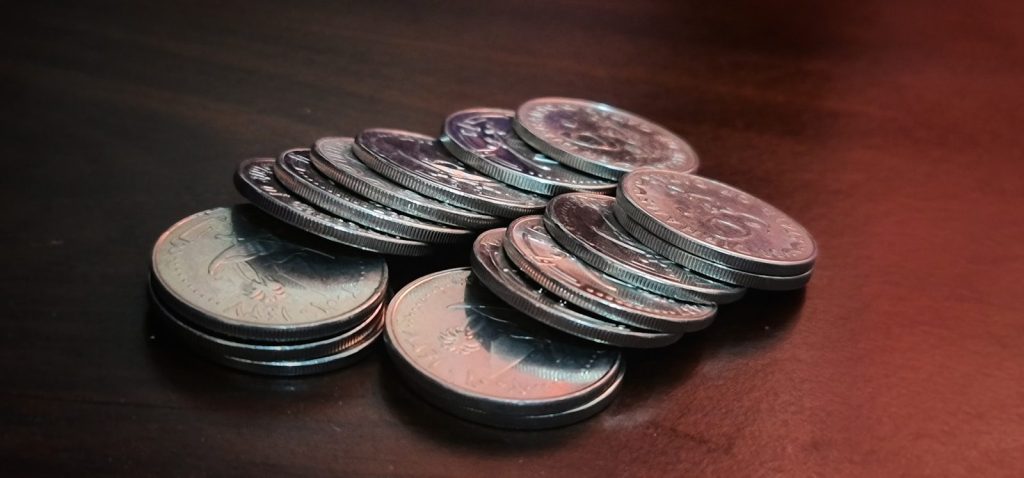

Loose change often ends up forgotten in jars, drawers, or cup holders until it feels worth turning into cash. It seems simple enough to roll the coins, head to the bank, and make a deposit. But that plan does not always work the way people expect.
Many banks now have different policies for handling coins, which can catch customers by surprise. Knowing what to expect before you visit can save time, avoid frustration, and help you make better use of every dollar sitting around your home.
Check Before You Roll Your Coins
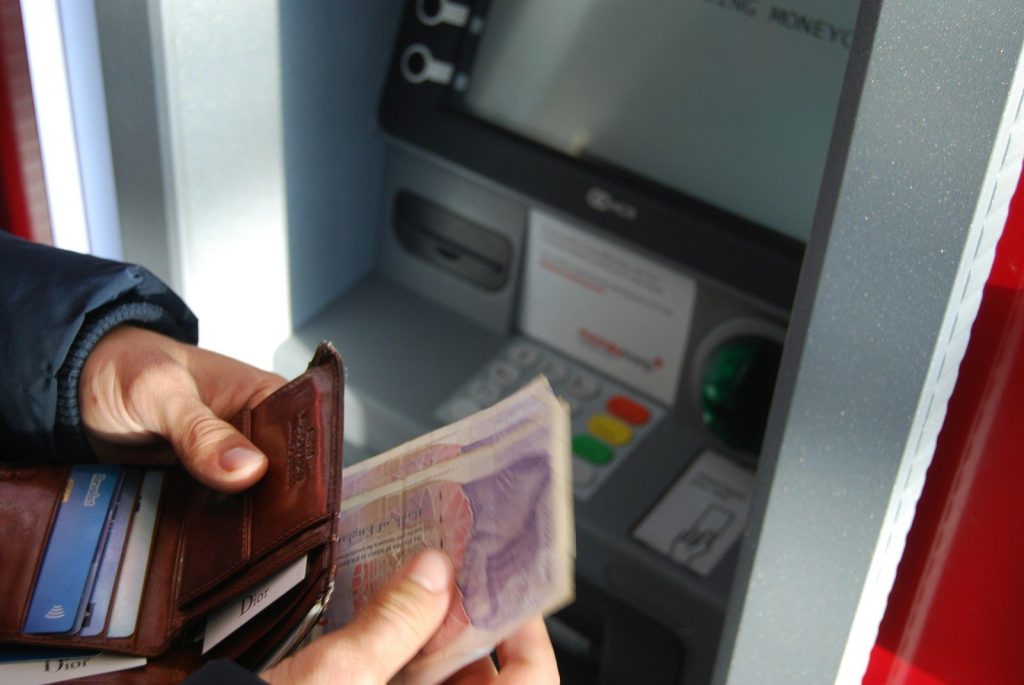
Not every bank branch accepts rolled coins, even if you have an account there. Some locations have switched to coin-counting machines or use outside companies to process deposits.
A quick phone call before your visit can save a wasted trip. It also helps you find out whether the branch has any limits, special packaging rules, or appointment requirements.
Coin Machines May Be the Better Choice
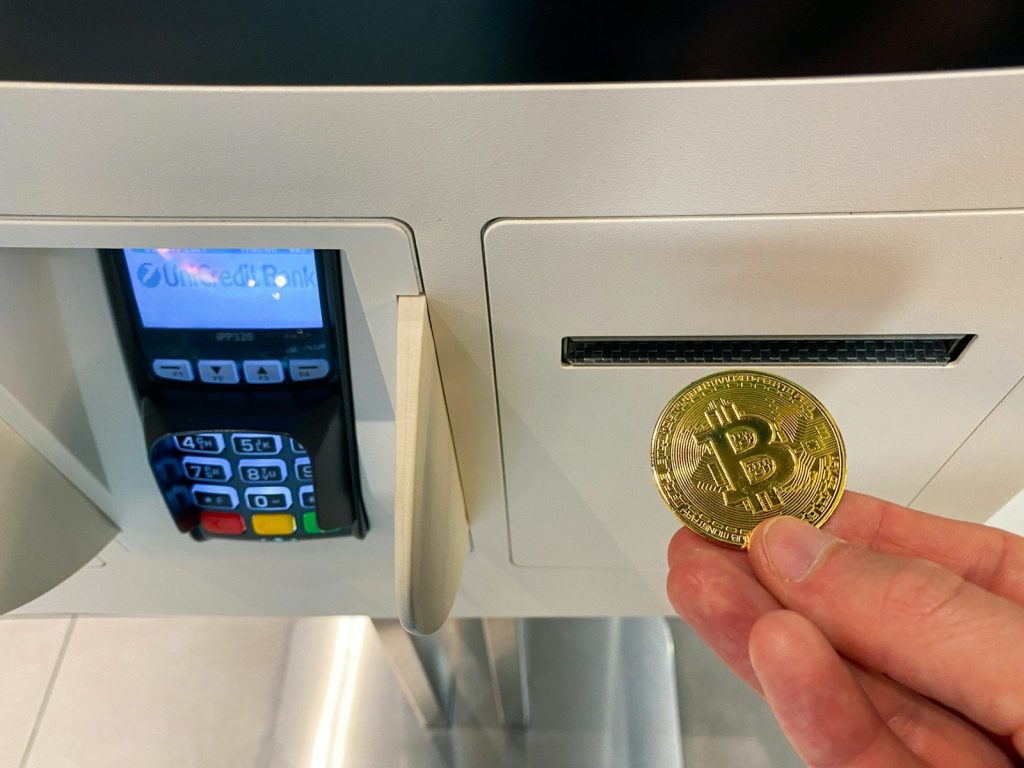
Some banks prefer customers to use self-service coin machines instead of bringing rolled coins to the counter. These machines count everything automatically and often provide a receipt for your deposit.
This can be faster than rolling coins by hand. It also reduces the chance of counting mistakes that could slow down your transaction.
Keep Coins Organized All Year

Waiting until a large pile builds up can make the task feel overwhelming. Instead, collect coins in a dedicated container and sort them every few weeks.
Small habits make cashing in much easier. They also turn forgotten change into money that can help cover groceries, household supplies, or small savings goals.
Learn Your Bank’s Deposit Rules
Every financial institution sets its own procedures for handling cash and coins. Some welcome rolled coins while others have moved away from accepting them altogether.
Reading your bank’s guidelines ahead of time helps avoid surprises. It also lets you choose the quickest option for turning spare change into usable money.
Explore Other Places That Accept Coins
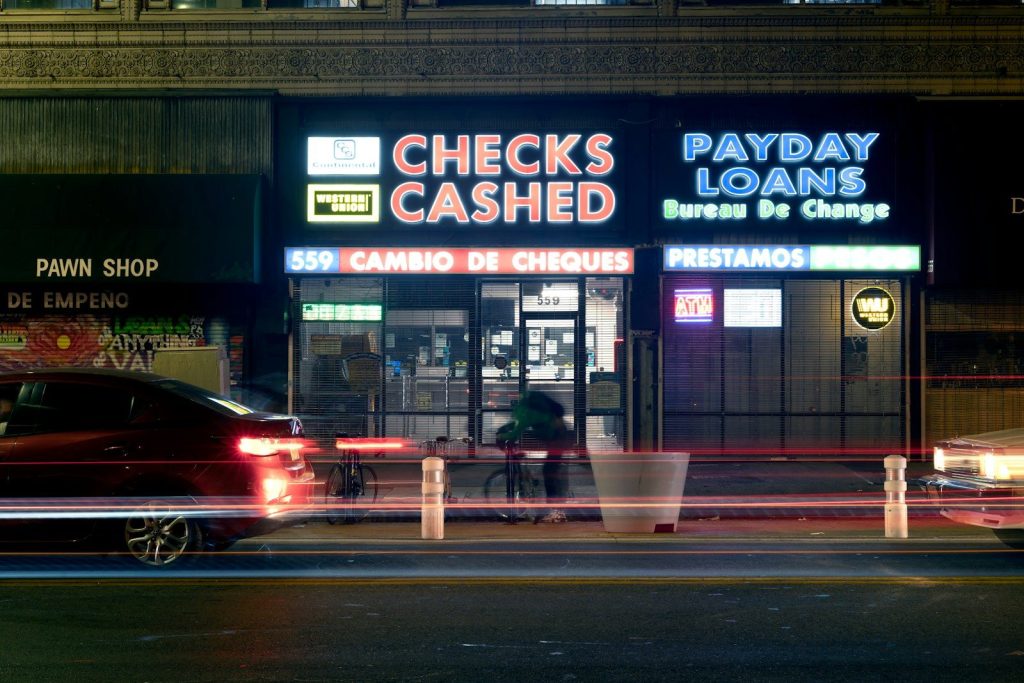
Banks are not the only option. Some grocery stores and retailers have coin-counting kiosks that convert loose change into cash or store credit.
Compare any service fees before using one. If a gift card option comes without a fee, it could provide extra value for purchases you already planned to make.
Accuracy Saves Time
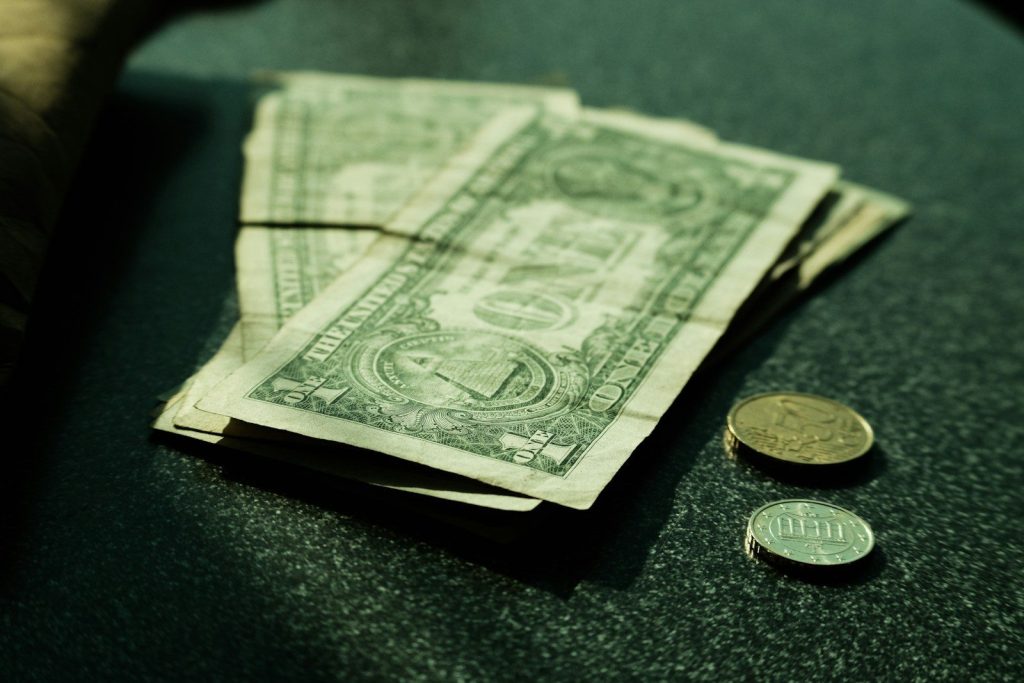
If your bank does accept rolled coins, make sure every roll contains the correct amount. Incorrect rolls often need to be opened and counted again.
Taking a few extra minutes at home makes the process smoother. It also shows why careful preparation is often the easiest money-saving habit.
Do Not Ignore Small Change
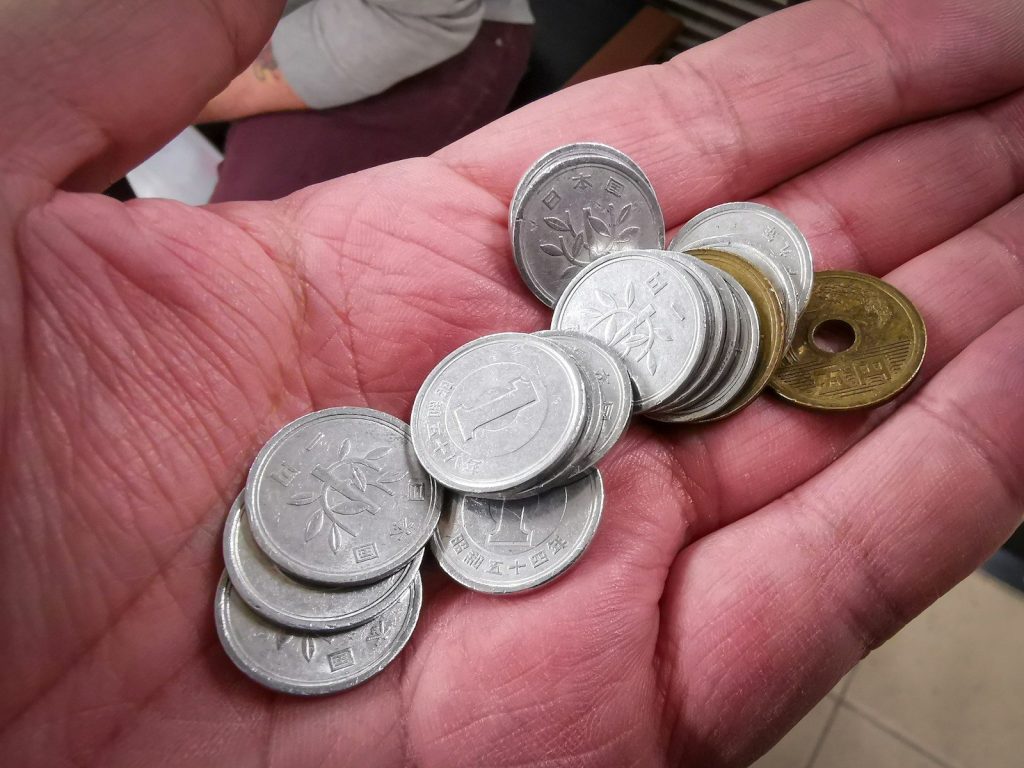
A handful of coins may not seem important, but over several months, they can add up faster than many people expect.
Treating spare change as part of your budget encourages smarter money habits. It is a simple reminder that every dollar has value.
Small Banking Surprises Can Lead to Smarter Habits

Finding out your bank handles coins differently than expected can be frustrating at first. Yet it also encourages you to learn about better options and avoid future inconvenience.
The next time your coin jar fills up, spend a few minutes checking local policies before heading out. That small step can save time, reduce hassle, and help every bit of spare change work harder for you.