

Buying a home has felt out of reach for many Americans over the past few years. High prices and elevated mortgage rates forced many buyers to wait, hoping for better conditions before making one of the biggest purchases of their lives.
Now, some housing markets are showing signs of cooling. While lower prices do not automatically mean it is the perfect time to buy, they can create opportunities for prepared shoppers who compare neighborhoods, financing options, and long-term costs instead of chasing headlines.
Austin, Texas

Austin experienced one of the country’s fastest housing booms, but increased inventory has eased competition in many neighborhoods.
Buyers now have more room to negotiate than they did during bidding wars. Instead of rushing, compare similar properties and factor in taxes, insurance, and future maintenance before making an offer.
Phoenix, Arizona

After years of rapid appreciation, parts of Phoenix have seen home values become more balanced as supply improves.
That shift gives buyers time to inspect homes carefully, negotiate repairs, and avoid paying well above asking price simply because inventory is limited.
Boise, Idaho

Boise became one of the hottest relocation markets, pushing prices upward at record speed. As demand cooled, some listings began staying on the market longer.
Longer selling times can create opportunities to negotiate closing costs or request seller concessions that reduce upfront expenses.
San Francisco, California

High borrowing costs and changing workplace trends have affected buyer demand in parts of the Bay Area.
Although homes remain expensive, price adjustments in some neighborhoods give qualified buyers more flexibility than they had just a few years ago.
Las Vegas, Nevada

Las Vegas continues attracting new residents, but the market has become less competitive compared with previous peak periods.
Instead of focusing only on the listing price, compare homeowner association fees, utility costs, and commuting expenses to understand the true monthly budget.
Denver, Colorado

Denver’s market has slowed from its previous pace, giving buyers additional time to evaluate neighborhoods without making rushed decisions.
Shopping patiently also allows buyers to compare mortgage programs and identify homes that offer long term value instead of short-lived excitement.
Salt Lake City, Utah

Rapid growth pushed home prices higher, but recent market adjustments have created more negotiating opportunities for buyers.
Properties that remain listed longer may offer greater flexibility on price, closing dates, or included appliances, helping stretch a home buying budget further.
Falling Prices Are Only Part Of The Equation
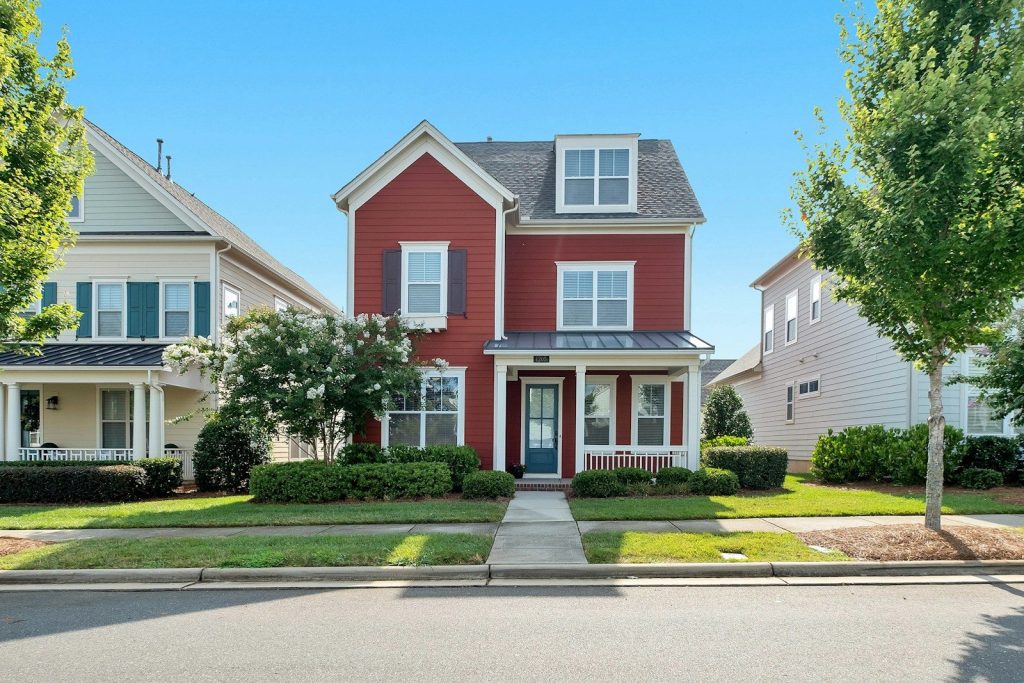
A lower asking price does not automatically make a home affordable. Insurance, property taxes, maintenance, commuting costs, and financing all influence the real cost of ownership.
Saving Savers readers know that smart home buying is about total value, not just the purchase price. Comparing overall monthly expenses instead of focusing on discounts alone can lead to better long-term financial decisions.