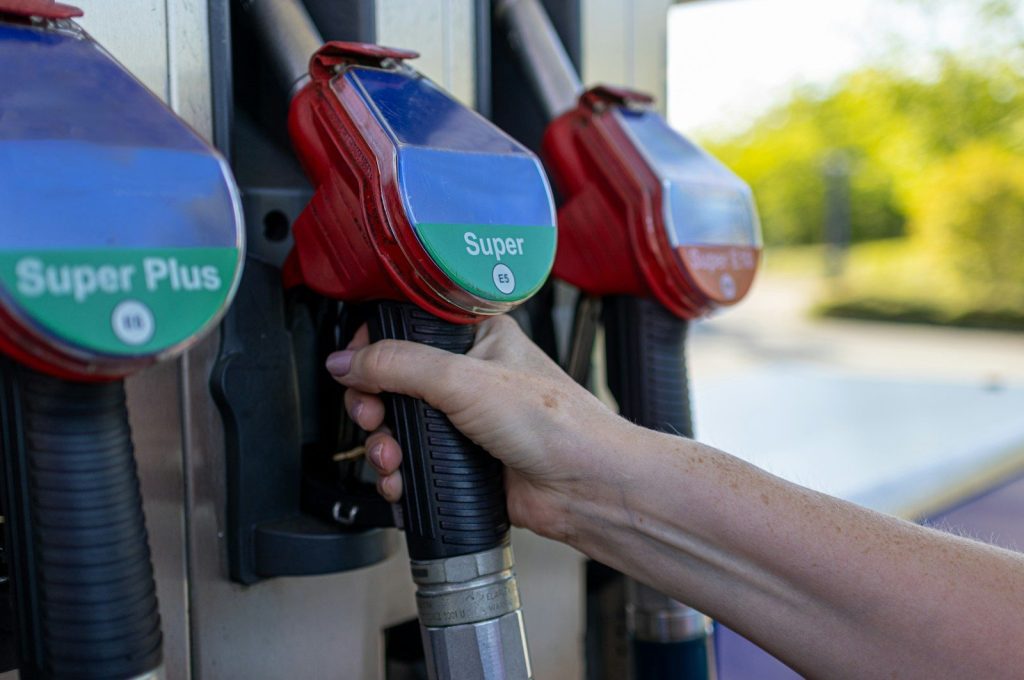

Every time fuel prices dominate the news, many families wonder what it means for their weekly budget. While the reasons behind price changes can be complicated, there are practical ways to reduce the impact on your wallet without making major lifestyle changes.
The good news is that saving on transportation often comes from small everyday choices instead of dramatic sacrifices. These simple ideas can help you stretch your fuel budget and make each trip more worthwhile.
Focus on What You Can Control
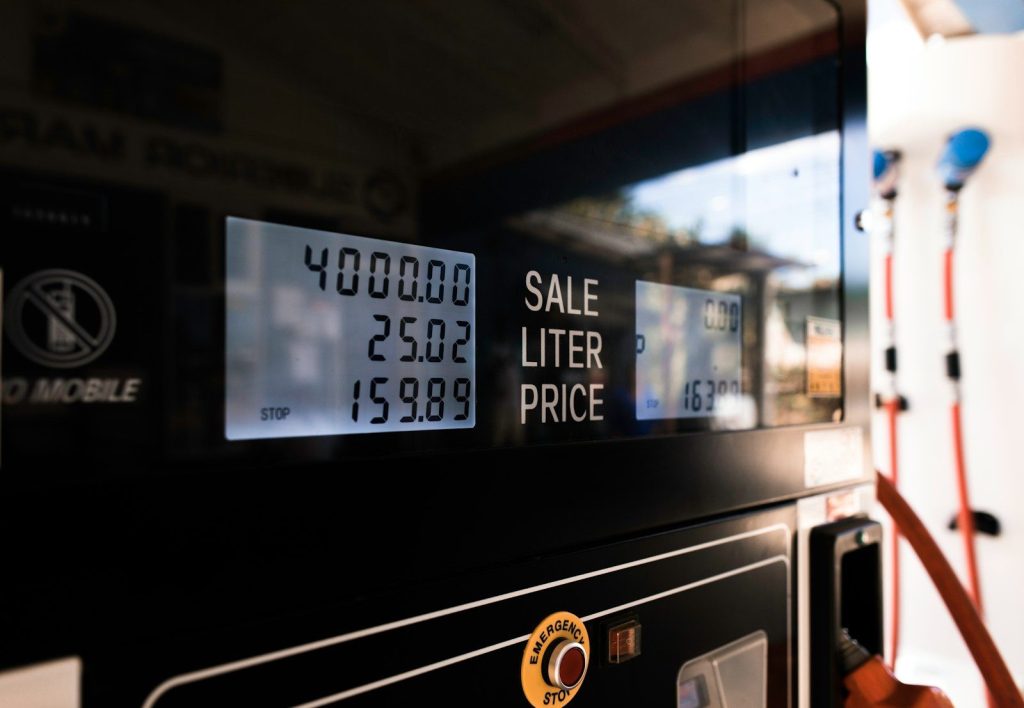
It is easy to become distracted by debates about fuel prices. Instead of worrying about every headline, focus on habits that directly affect your own spending each week.
Keeping track of how often you drive, planning errands together, and avoiding unnecessary trips can reduce fuel use more than many people expect over the course of a month.
Combine Errands Into One Trip

Running several short errands throughout the week may seem convenient, but it often uses more fuel than completing them during one planned outing.
A simple shopping list and a little planning can reduce extra driving. You also save time, making your routine feel less rushed and more organized.
Keep Your Vehicle Ready
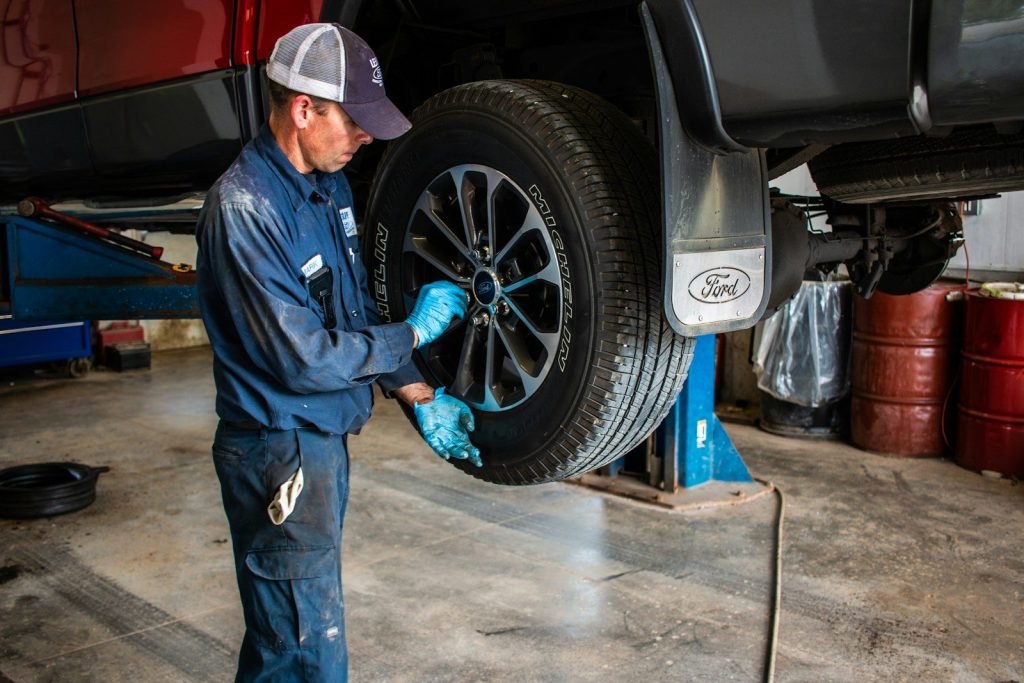
Basic maintenance helps your vehicle perform more efficiently. Proper tire pressure and regular servicing can improve fuel use while also supporting safer driving.
Ignoring small maintenance issues may lead to larger repair bills later. Staying ahead of routine care is often one of the easiest ways to protect your budget.
Drive With Steady Habits

Quick acceleration and sudden braking use more fuel than smooth, steady driving. Leaving extra space between vehicles makes it easier to maintain a consistent speed.
Using cruise control when appropriate and avoiding unnecessary idling are small adjustments that can make a noticeable difference over time.
Compare Prices Before Filling Up
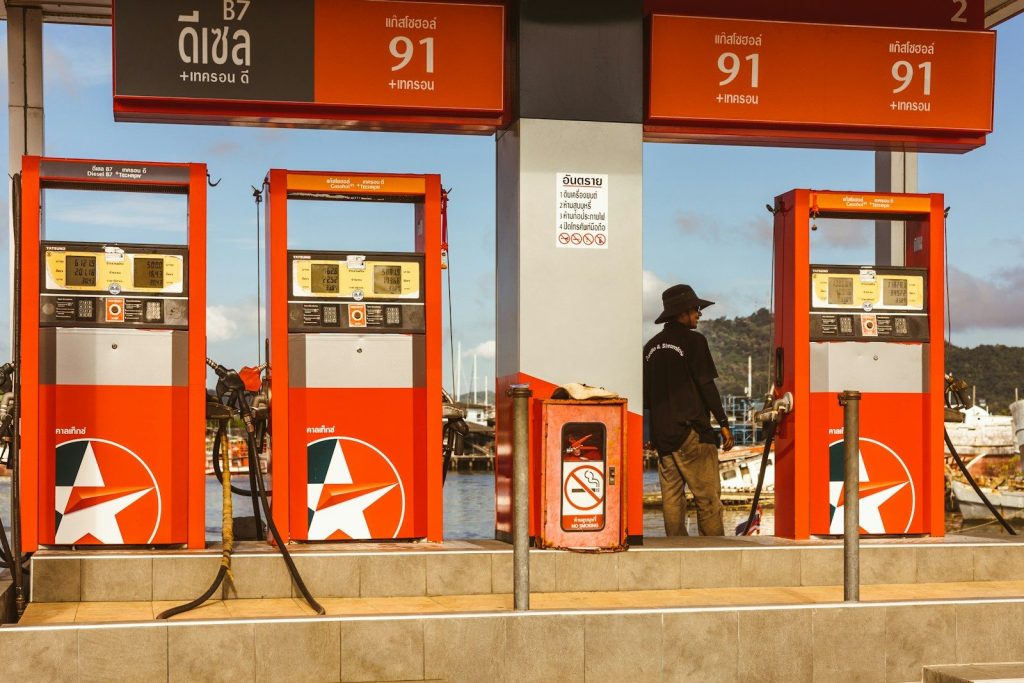
Fuel prices often vary between stations that are only a few miles apart. Checking prices before leaving home can help you avoid paying more than necessary.
Many drivers also benefit from grocery rewards or loyalty programs that offer fuel discounts. Those savings may seem small at first but can add up throughout the year.
Lighten the Load

Carrying unnecessary items in your vehicle increases weight and can reduce fuel efficiency. Cleaning out the trunk every so often is a simple habit that costs nothing.
Roof racks and cargo carriers should also be removed when they are not needed. Reducing extra wind resistance helps many vehicles perform more efficiently.
Build Flexibility Into Your Budget

Fuel costs naturally rise and fall throughout the year. Setting aside a small amount each month creates a cushion when prices increase unexpectedly.
Even a modest transportation fund can reduce financial stress and help you avoid cutting back on other important household expenses.
Practical Habits Beat Perfect Predictions
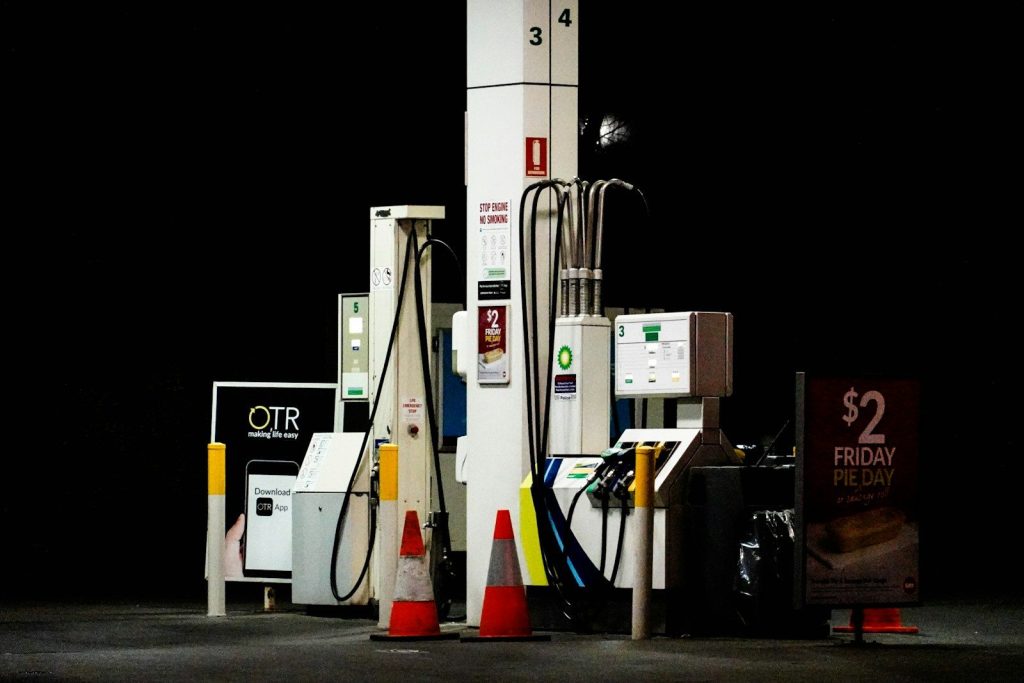
No one can accurately predict where fuel prices will go next. That is why practical habits often provide more lasting value than reacting to every news cycle.
Simple planning, steady driving, regular maintenance, and thoughtful budgeting work together to reduce transportation costs. These everyday choices help you save money regardless of what makes the headlines.