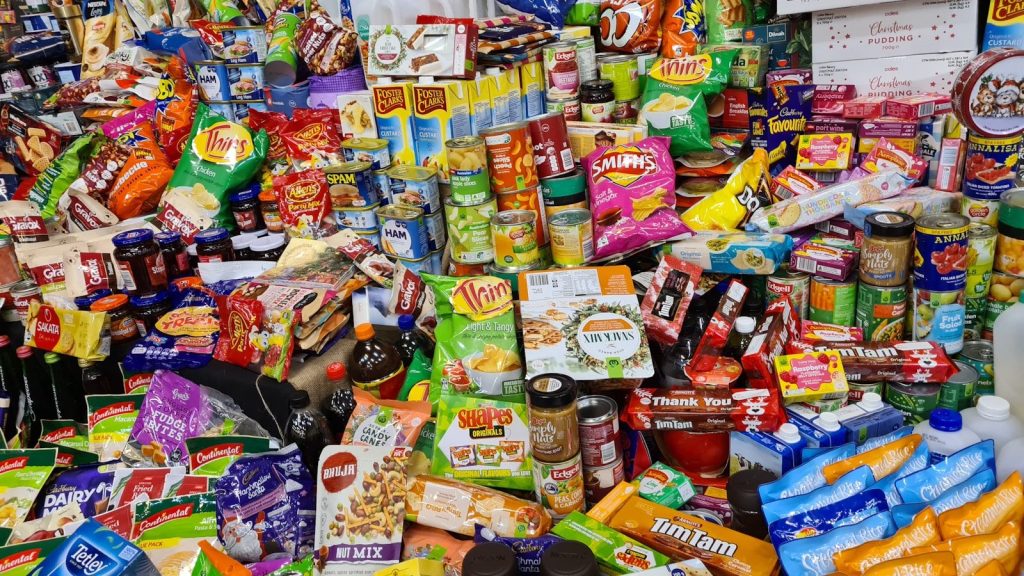

Many grocery shoppers have noticed the same unsettling pattern. Items that once disappeared into the cart without a second thought now make people pause, compare prices, or skip them altogether.
Instead of focusing only on rising costs, smart shoppers are changing how they buy, store, and substitute these everyday foods. Small adjustments can help stretch grocery budgets without giving up favorite meals.
Eggs Are No Longer The Automatic Bargain

Eggs used to be the dependable budget protein every household relied on. Today, price swings make them one of the least predictable items in the dairy aisle.
When prices climb, buy only what you need instead of stocking up. Oatmeal, beans, yogurt, and peanut butter can temporarily fill the protein gap while helping your grocery budget recover.
Coffee Costs More Before You Even Brew It

Morning coffee has become noticeably more expensive whether you buy whole beans, ground coffee, or single-serve pods. Weather issues and supply shortages continue affecting prices.
Buying larger bags during promotions and storing them in airtight containers keeps coffee fresher longer. Brewing at home also remains far cheaper than making daily coffee shop visits.
Butter Feels Like A Premium Ingredient

Baking enthusiasts know butter prices have climbed enough to change holiday baking budgets. Even everyday cooking can become noticeably more expensive.
Reserve real butter for recipes where flavor matters most. Vegetable oil or applesauce can replace part of the butter in many baked goods without sacrificing good results.
Orange Juice Is Becoming An Occasional Purchase

Weather problems and citrus crop diseases have reduced orange supplies in several growing regions. Many shoppers now treat juice as an occasional treat rather than a breakfast staple.
Frozen concentrate often delivers better value than refrigerated cartons. Whole oranges also provide fiber while reducing waste from partially finished juice containers.
Ground Beef Requires Better Planning
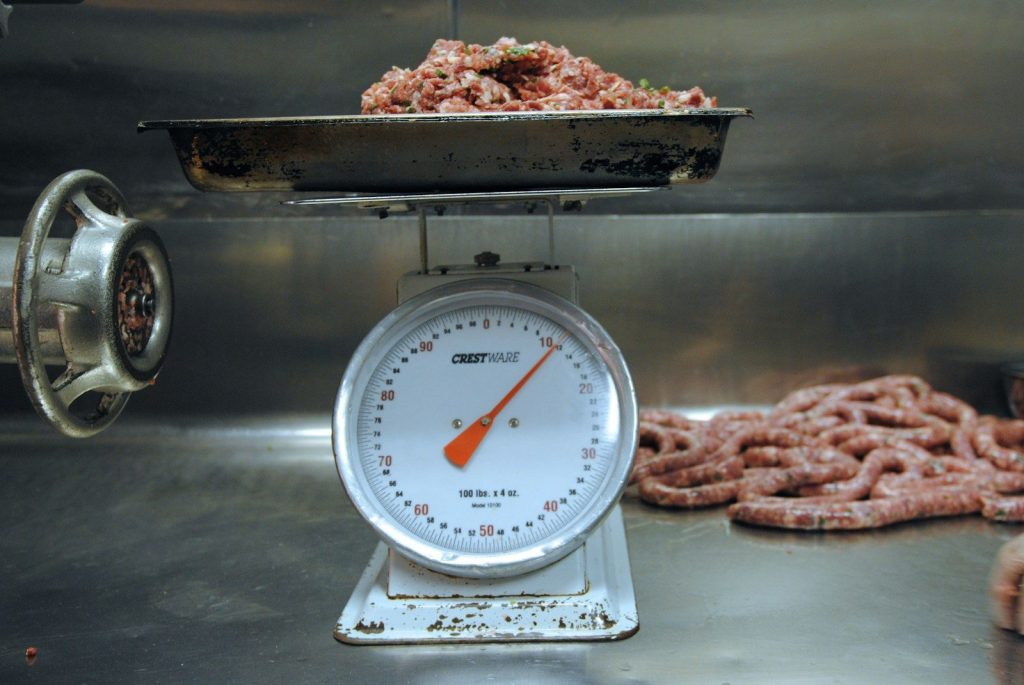
Ground beef remains popular because it works in dozens of recipes, but rising prices have encouraged shoppers to rethink portion sizes.
Stretch one pound further by mixing in mushrooms, lentils, or finely chopped vegetables. The meal stays hearty while lowering the overall cost per serving.
Cheese Rewards Careful Shopping

Cheese prices vary dramatically depending on brand, packaging, and store promotions. Pre-shredded options often cost more than buying a block.
Grating cheese at home takes only minutes and usually saves money. Blocks also stay fresh longer when properly wrapped, reducing unnecessary food waste.
Snack Foods Can Quietly Drain Your Budget

Chips, crackers, and packaged snacks have experienced steady price increases even when package sizes shrink. Many families spend more here than they realize.
Preparing popcorn, roasted chickpeas, or homemade trail mix creates satisfying snacks for less. Buying ingredients in bulk also lowers the cost over time.
Smart Grocery Habits Matter More Than Ever

Higher food prices do not always mean spending dramatically more each week. Planning meals around weekly sales and flexible ingredients gives shoppers more control over rising costs.
Keeping a simple pantry inventory also prevents buying duplicates that eventually expire. Saving money today often starts with using what you already have before adding more to the cart.