

Dave Ramsey has built a media empire on one basic idea: most Americans are spending money in ways that quietly wreck their financial future. His radio show, books, and financial courses have reached millions of people, and his advice tends to land somewhere between tough love and outright blunt.
Not everyone agrees with every position he takes, but his popularity is hard to argue with. For people carrying debt and feeling stuck, his framework tends to cut through the noise. These are three purchases he says to stop making, plus two he considers genuinely worth the money.
1. Stop — New Cars With Loans

Ramsey has said this repeatedly and without much softening: financing a new car is one of the worst financial moves a middle-class American can make. A brand-new vehicle loses a significant chunk of its value the moment it leaves the dealership lot, yet millions of people treat monthly car payments as just a normal part of life.
Total auto debt in the U.S. hit $1.68 trillion at the end of 2025, up 37% since early 2018, and the average monthly payment for a new vehicle reached $770 as of early 2026. Ramsey’s position is simple: that money is better used paying off debt or building savings, not funding a depreciating asset.
What Ramsey Says to Drive Instead

His solution is straightforward. Buy a reliable used car with cash, drive it until it stops working, and redirect what would have been a car payment toward building savings or eliminating debt.
This advice sounds extreme to a lot of people, and Ramsey seems aware of that. When co-host Jade Warshaw pointed out that paying cash for a car is “countercultural,” Ramsey replied, “well the majority of Americans are broke.” The point is harder to dismiss when the numbers are sitting right there.
2. Stop — Timeshares

Ramsey has famously called timeshares one of the worst purchase in the history of mankind. That may sound like an exaggeration, but his reasons hold up. Because you don’t own a piece of property outright, a timeshare can’t be treated as an investment that might gain value.
They’re also notoriously difficult to sell, since what’s being sold is the option to use a property, not the property itself. Ongoing maintenance fees add another layer of long-term cost. Families often discover too late that getting out of a timeshare contract is far more complicated than getting in.
The Timeshare Math Problem
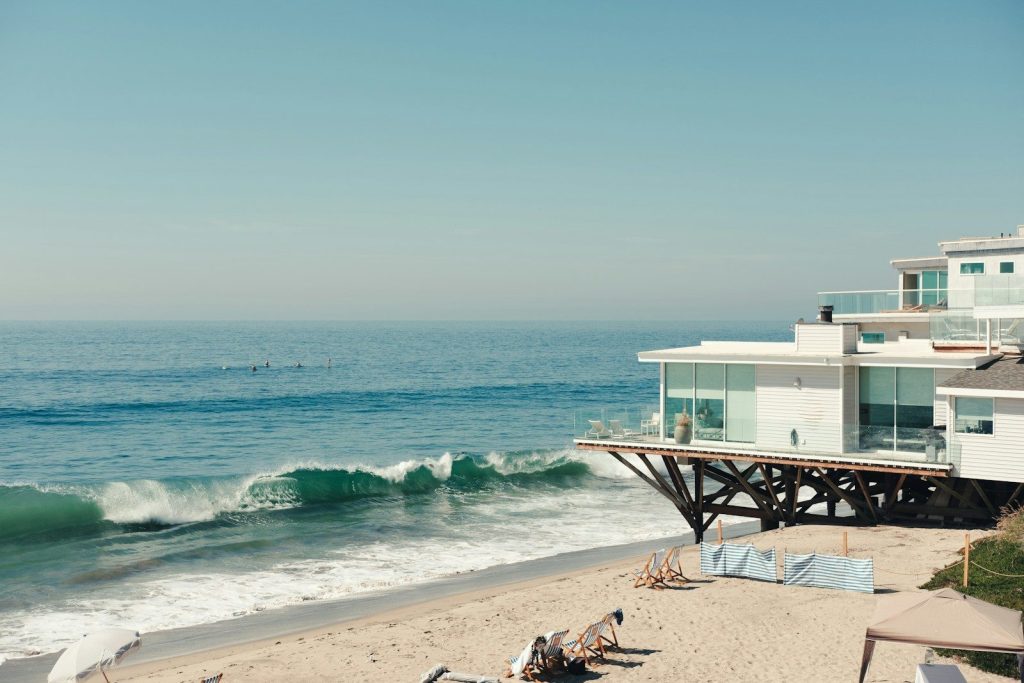
The average upfront cost runs around $24,000 when purchased directly from a developer, according to the American Resort Development Association, though luxury properties can push well beyond that. Annual maintenance fees averaged $1,480 per interval in 2025 according to an Ernst & Young study, up from around $1,000 a decade ago, and tend to increase every year rather than hold steady.
The resale market is brutal, with many owners unable to sell at any price. Ramsey’s broader argument is that the money spent on timeshare fees, year after year, could fund actual vacations, paid in full, at destinations chosen freely. The flexibility alone makes the comparison hard to ignore.
3. Stop — Financing a Lifestyle You Can’t Afford

This category is broader than a single product, but Ramsey consistently targets credit card debt and buy-now-pay-later spending as major wealth destroyers. Credit card interest rates were averaging around 21% as of early 2026 according to the Federal Reserve, meaning carrying a balance month to month turns everyday purchases into long-running financial leaks.
Ramsey frames the cultural pressure well with one of his most-repeated lines: “We buy things we don’t need with money we don’t have to impress people we don’t like.”
When Credit Cards Make Sense (And When They Don’t)

To be fair, Ramsey’s blanket opposition to credit cards is one of his more debated positions. Finance expert Robert Farrington of The College Investor puts it plainly: “For some people, Dave is completely accurate. They shouldn’t be using credit cards at all because they end up carrying a balance, paying interest and struggling financially as a result.”
For people who pay in full every month without fail, the rewards math may look different. But Ramsey’s advice is aimed at the large share of Americans who don’t. For that group, the card is the problem.
1. Keep — Preventive Home Maintenance

Ramsey draws a firm line between wasteful spending and spending that protects what someone already owns. Home maintenance falls squarely in the second category. Neglecting basic upkeep can cost more in the long run, and spending on preventive maintenance makes sense as long as it fits within a budget and doesn’t involve loans or credit card charges.
Replacing a roof or repairing a furnace may not feel exciting, but it prevents damage that can lead to far larger repair bills later. A $500 fix today can easily prevent a $5,000 emergency six months from now.
2. Keep — Education That Increases Earning Power

Ramsey supports spending on degrees, certifications, and skills that directly improve income, noting that these can change a person’s financial trajectory for decades. The key word there is “directly.” He’s not advocating for expensive degrees in fields with poor job markets or six-figure student loan debt for a credential that doesn’t pay off. The distinction matters.
Targeted, practical education that leads to higher income is, in his framework, one of the few purchases that actually builds wealth rather than eroding it.
The Pattern Behind the Advice

Looking across all five categories, Ramsey’s framework follows a consistent logic: avoid purchases that drain money indefinitely, and invest in things that hold or build value. New cars with loans, timeshares, and financed lifestyle purchases all share the quality of costing more than the sticker price once interest and ongoing fees are factored in.
Home maintenance and skills-based education do the opposite. The framework isn’t complicated, and that’s probably why it resonates with so many people. Ramsey’s approach asks one question about every purchase: does this move money toward your future or away from it?