
Buying a new laptop has never been as simple as comparing processors and screen sizes. Behind the scenes, rising memory costs and changing business models are beginning to influence what consumers pay and how they might shop for computers in the future.
Recent reports suggest memory prices are climbing while companies explore new ways to make premium computers more affordable, including subscription-style access. Understanding these changes can help you avoid overspending and make smarter technology purchases.
More RAM Now Comes With a Bigger Price Tag
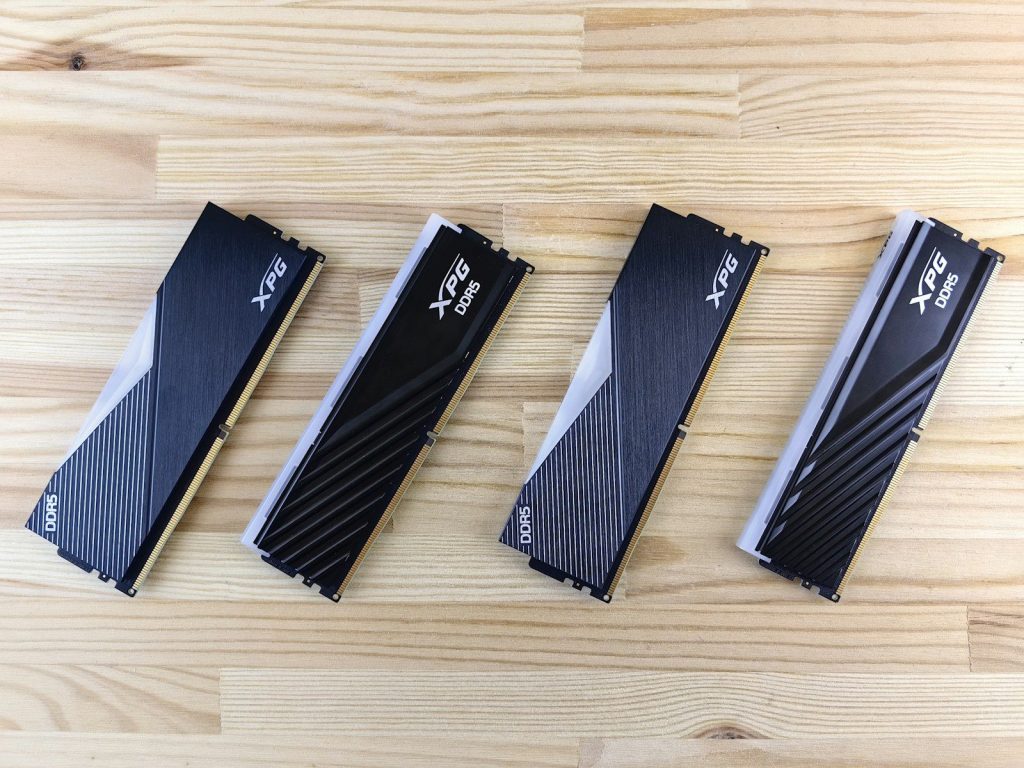
Random Access Memory, better known as RAM, is one of the most important parts inside any computer. It helps your system handle multiple tasks smoothly and keeps demanding programs running efficiently.
As memory costs increase worldwide, manufacturers have started raising laptop prices to offset those expenses. Before upgrading, consider whether you truly need extra memory or if a lower configuration already meets your everyday needs.
Why Some Laptop Prices Suddenly Jumped
Many shoppers assume price increases happen because of new processors or improved displays. In reality, rising component costs can affect even models that receive few noticeable upgrades.
Framework recently increased prices because memory became more expensive to source. Watching hardware trends before making a purchase may help you buy before another round of increases reaches store shelves.
Could Renting a Mac Become Normal?
Buying a computer outright has always been the standard approach, but that may not stay true forever. Industry discussions suggest subscription-style access could eventually become another option for premium devices.
Instead of paying thousands of dollars at once, customers could spread costs over predictable monthly payments. While that sounds appealing, comparing the total long-term expense remains just as important as the monthly price.
Monthly Payments Are Not Always the Better Deal

Smaller monthly bills can make expensive technology feel more affordable. However, convenience does not automatically translate into better value.
Before choosing a rental plan, calculate how much you would spend over several years. In many cases, owning a computer for a long time still delivers greater value than making continuous monthly payments.
Upgrade Only When Your Work Demands It
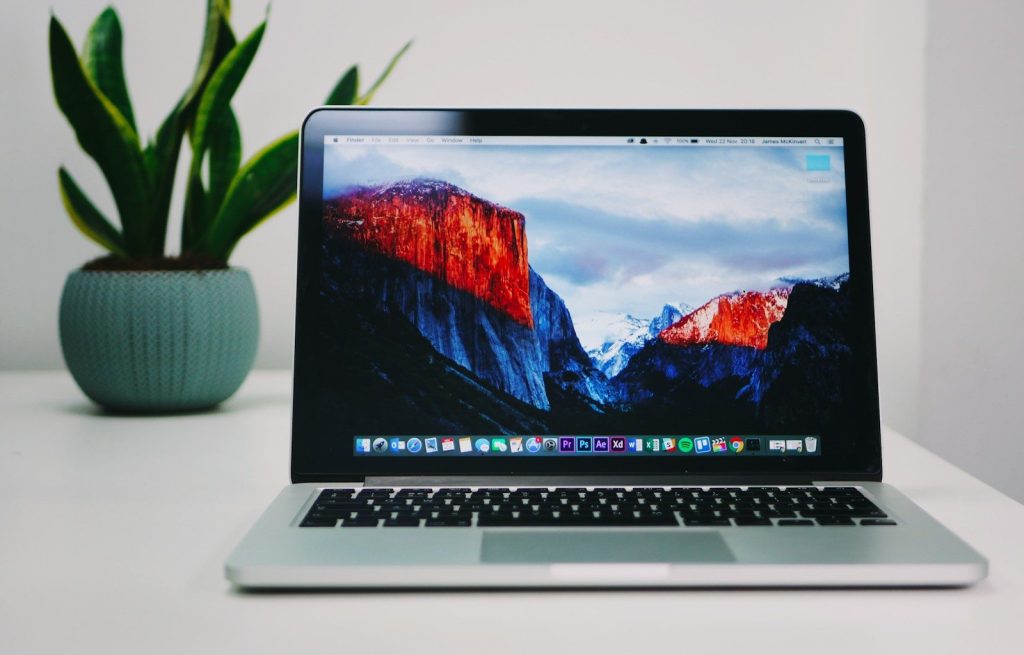
Technology marketing often creates the impression that every new release is essential. In reality, many laptops continue performing well for years with regular updates and proper care.
If your current computer handles browsing, office work, streaming, and light editing without problems, delaying an upgrade could save hundreds of dollars while avoiding unnecessary spending.
Compare the Total Cost Instead of the Sticker Price
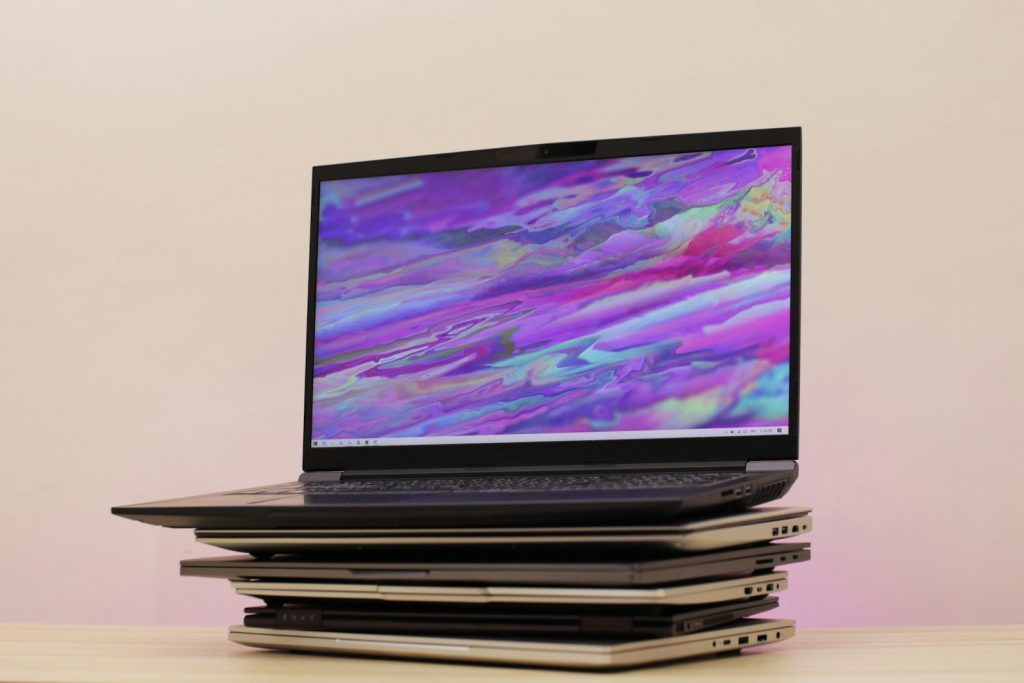
A lower purchase price does not always mean the better bargain. Storage capacity, memory, warranty coverage, repair options, and upgrade potential all affect long-term ownership costs.
Looking beyond the advertised price helps prevent surprises later. Spending slightly more on a durable, repairable laptop can sometimes reduce replacement costs over several years.
Repair-Friendly Devices Can Stretch Your Budget
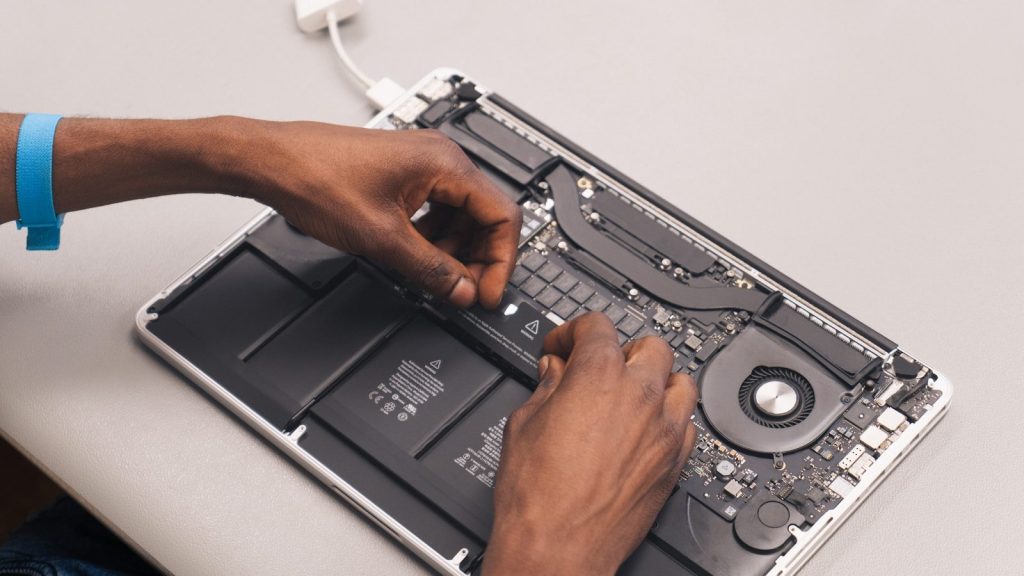
Some manufacturers design laptops with replaceable parts that extend the life of the machine. Others make repairs difficult or expensive once the warranty expires.
Choosing a repair-friendly computer gives owners more flexibility if memory, storage, or batteries need attention. Extending a laptop’s lifespan is often one of the easiest ways to reduce technology expenses.
Smart Computer Buyers Watch Industry Trends

Component shortages, supply chain changes, and new payment models all influence the technology market. Staying informed helps shoppers recognize whether a higher price reflects real manufacturing costs or simply changing sales strategies.
Whether you purchase, finance, or eventually rent your next computer, the smartest choice is the one that matches your actual needs and your budget. Careful planning often saves more than chasing every new release.
Featured Image: Photo by Taylor Flowe on Unsplash