
Inflammation gets blamed for a lot these days, and for good reason. Chronic low-grade inflammation has been linked to heart disease, type 2 diabetes, arthritis, and even cognitive decline. The body’s inflammatory response exists for good reason, it’s how the immune system fights off injury and infection, but when it stays switched on without a real threat, the damage adds up quietly over years.
Medication helps in serious cases. So does exercise and sleep. But food is one of the most underrated tools available, and the research backing certain anti-inflammatory foods has only grown stronger heading into 2026.
1. Fatty Fish
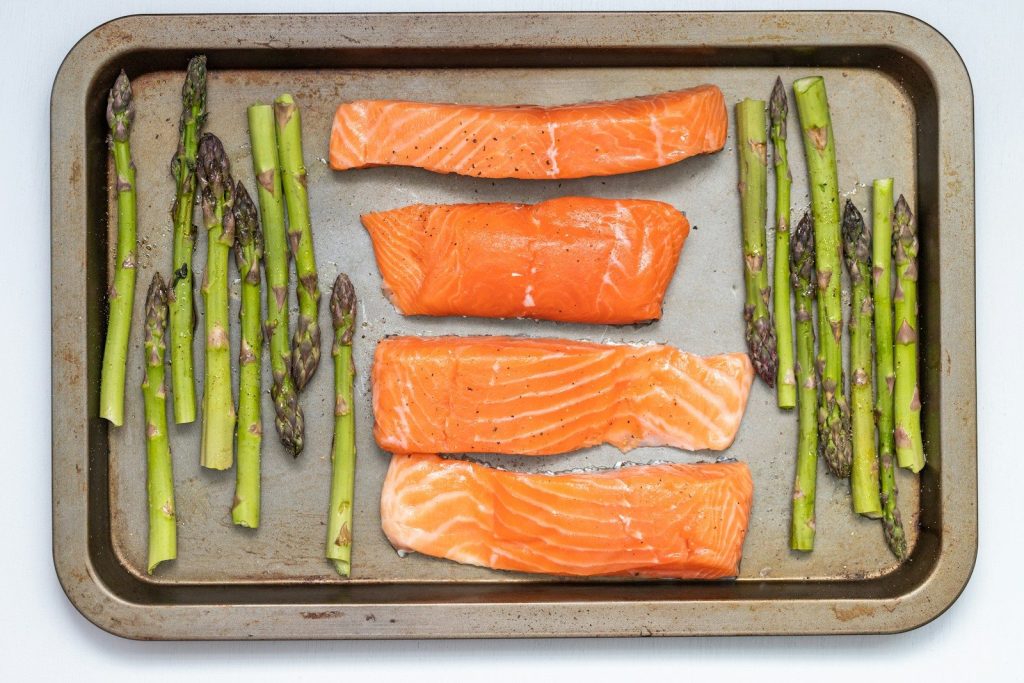
Salmon, sardines, mackerel, and herring are loaded with omega-3 fatty acids, specifically EPA and DHA. These compounds directly interfere with inflammatory signaling pathways in the body. A 2024 analysis published in Nutrients confirmed that regular fatty fish consumption was associated with meaningfully lower levels of C-reactive protein, one of the most common blood markers for systemic inflammation.
Two to three servings per week appears to be the threshold where benefits become measurable. Wild-caught salmon tends to have higher omega-3 concentrations than farmed, though both are useful.
2. Tart Cherries
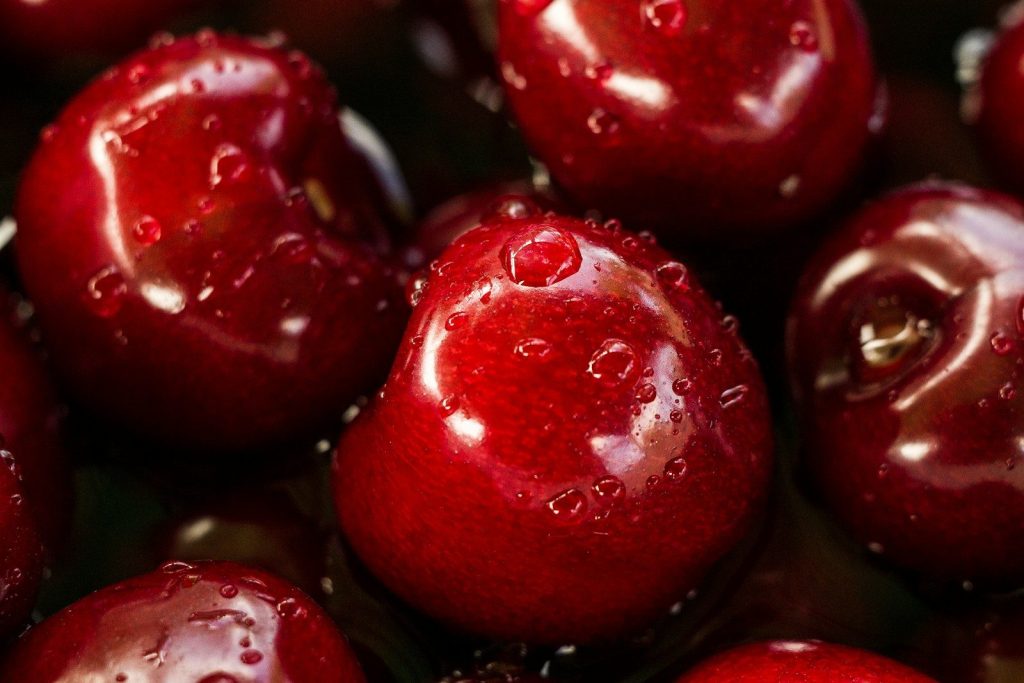
Tart cherries, particularly Montmorency, have developed a strong reputation among athletes for reducing exercise-induced inflammation and soreness. That reputation now has years of clinical support behind it. The anthocyanins in tart cherries inhibit the same enzymes targeted by common pain relievers, without the gastrointestinal side effects.
Tart cherry juice concentrate is the most studied form. About an ounce of concentrate diluted in water daily has shown results in trials focused on inflammatory joint conditions and muscle recovery.
3. Extra Virgin Olive Oil
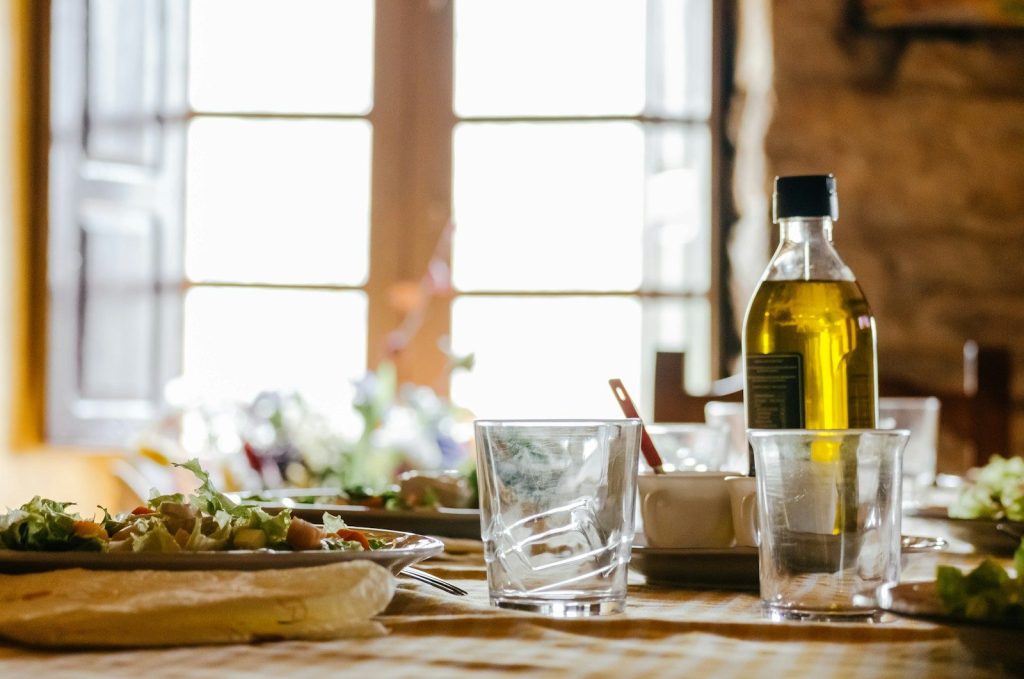
The Mediterranean diet has been studied exhaustively, and extra virgin olive oil keeps showing up as one of its most active components. A compound called oleocanthal is responsible for much of the effect. It works similarly to ibuprofen on a biochemical level, blocking COX-1 and COX-2 enzymes that promote inflammation.
The catch is quality. “Light” or refined olive oil loses most of these compounds during processing. True extra virgin olive oil, harvested and bottled within the same crop year, is what the research is based on. Check for a harvest date on the label, not just an expiration date.
4. Turmeric
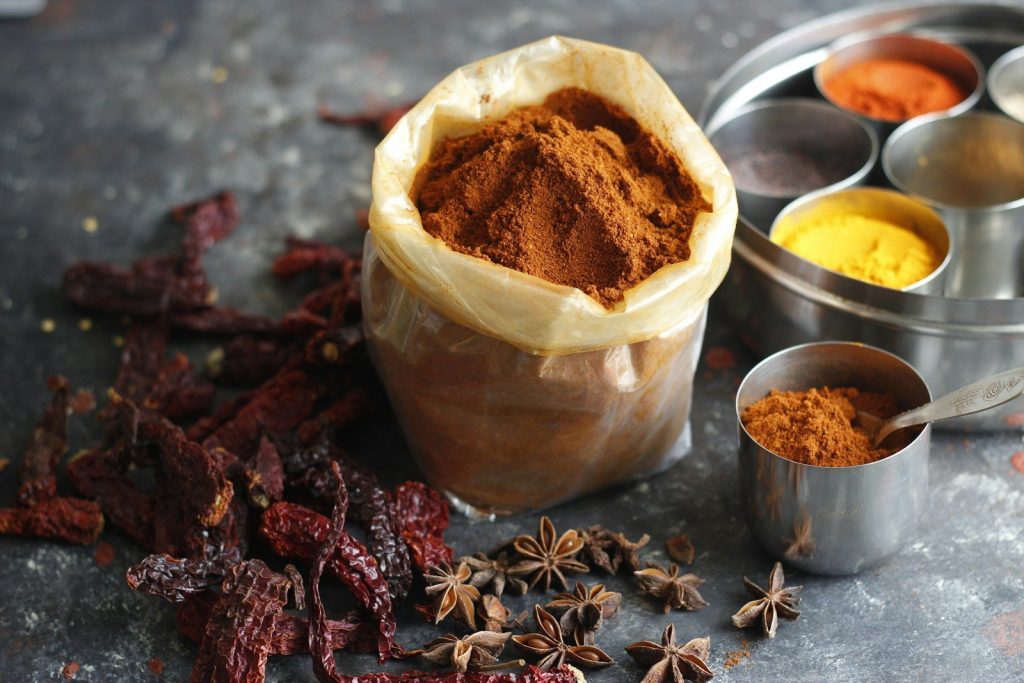
Curcumin, the active compound in turmeric, has been researched extensively for its anti-inflammatory properties. The problem has always been bioavailability. Curcumin alone passes through the digestive system without being absorbed in meaningful quantities.
Pairing turmeric with black pepper changes that. Piperine, a compound in black pepper, increases curcumin absorption by up to 2,000 percent according to older but well-replicated research. Most turmeric supplements now include piperine for this reason. Adding both spices when cooking achieves the same effect at the table.
5. Leafy Greens
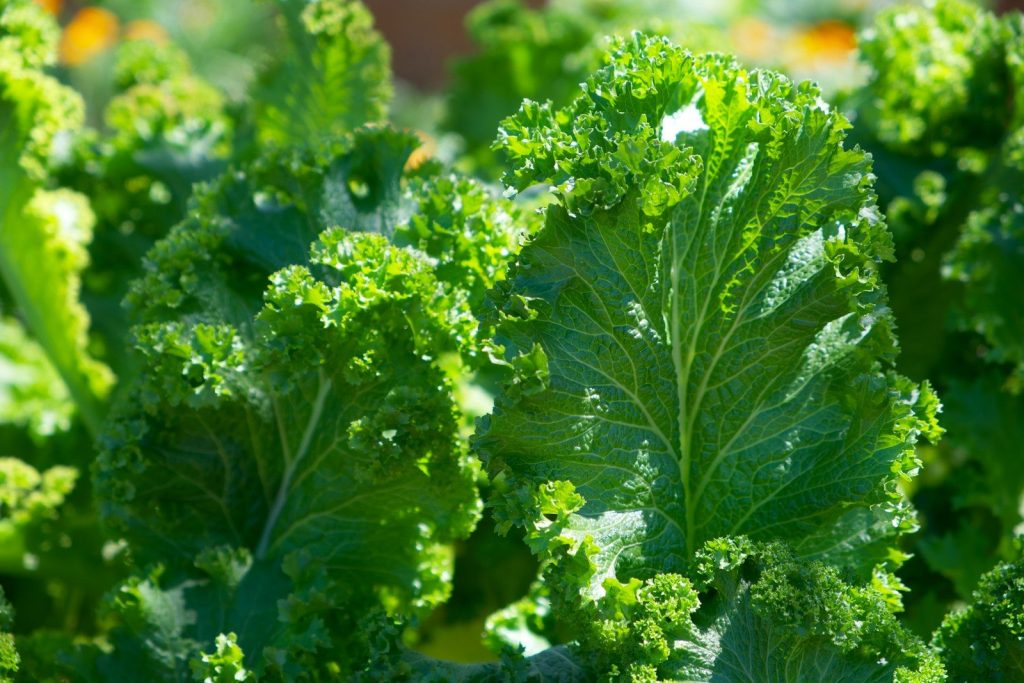
Spinach, kale, Swiss chard, and collard greens provide a combination of vitamin K, magnesium, and polyphenols that collectively support the body’s anti-inflammatory processes.
Vitamin K in particular plays a role in regulating inflammatory cytokines, and most Americans still fall short of optimal intake.
Cooking leafy greens in olive oil rather than butter or seed oils compounds the benefit. It also increases the absorption of fat-soluble vitamins like K and A, which require dietary fat to be properly utilized.
6. Walnuts
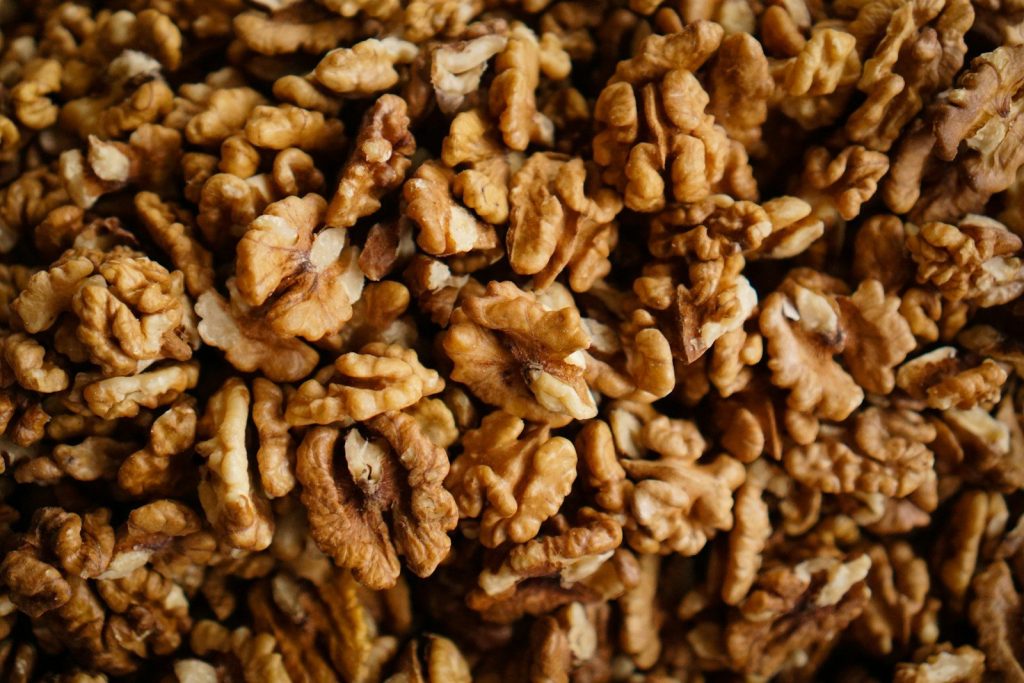
Walnuts are the only common tree nut with a meaningful amount of ALA, the plant-based form of omega-3 fatty acid. ALA converts to EPA and DHA in the body at a limited rate, so walnuts alone cannot replace fatty fish. They still contribute. A handful a day has been associated with lower inflammatory markers in multiple large observational studies, including data from the long-running PREDIMED trial.
The skin is where most of the polyphenols are concentrated. Blanched or heavily processed walnuts lose much of that.
7. Blueberries
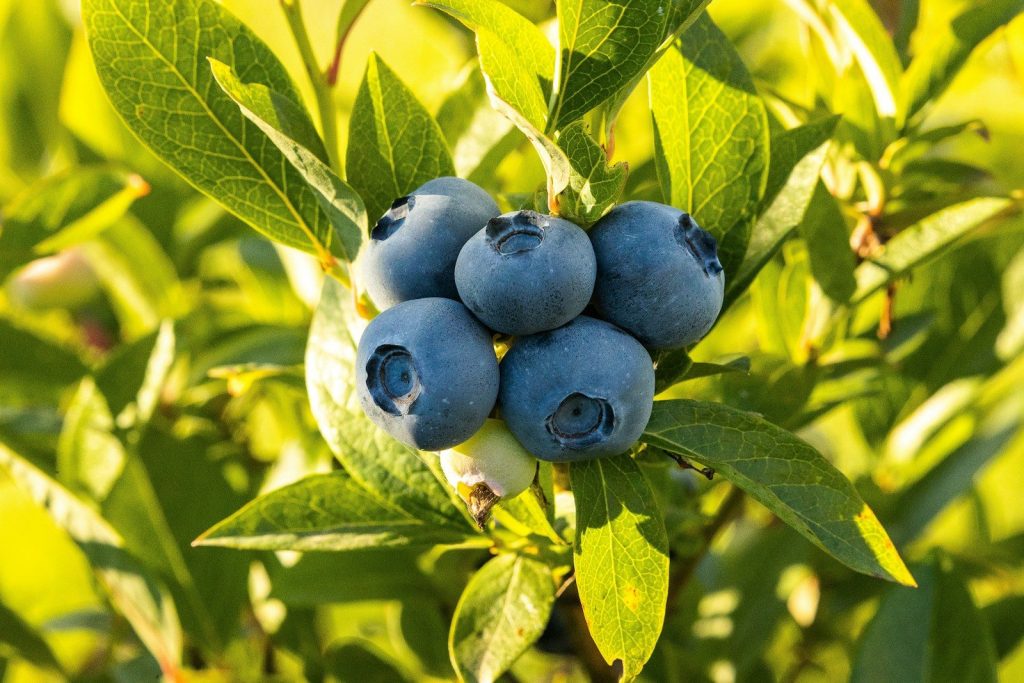
Blueberries contain one of the highest concentrations of anthocyanins among commonly eaten fruits. These pigments actively suppress NF-kB, a protein complex that functions as a primary driver of inflammatory gene expression. Frozen blueberries retain nearly identical antioxidant levels to fresh, making them a practical year-round option.
Wild blueberries, smaller and darker than cultivated varieties, have a higher anthocyanin density per gram. They’re worth seeking out in the frozen section.
8. Fermented Foods
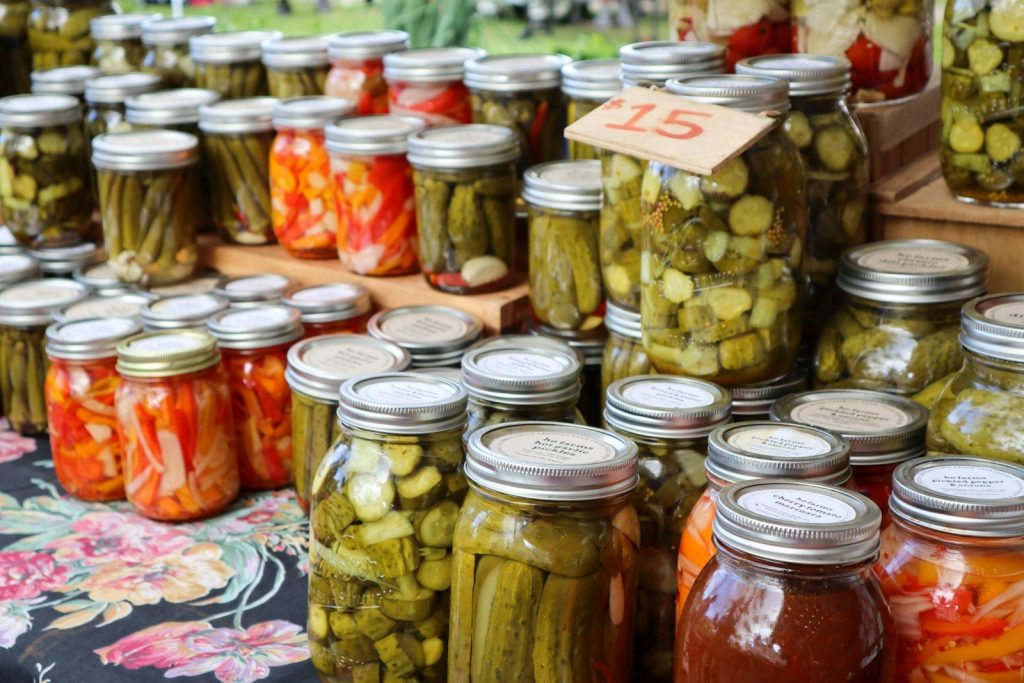
A 2021 Stanford study, one that held up well under subsequent scrutiny, found that a high-fermented-food diet increased microbiome diversity and reduced 19 inflammatory proteins more effectively than a high-fiber diet over the same period. Kimchi, sauerkraut, plain kefir, and unsweetened yogurt with live cultures are the most practical options.
The gut-inflammation connection is one of the more convincing areas of nutritional research right now. The gut lining acts as a barrier between the intestinal environment and the bloodstream. When that barrier weakens, inflammatory compounds cross more freely. Fermented foods appear to strengthen that barrier over time.
9. Ginger
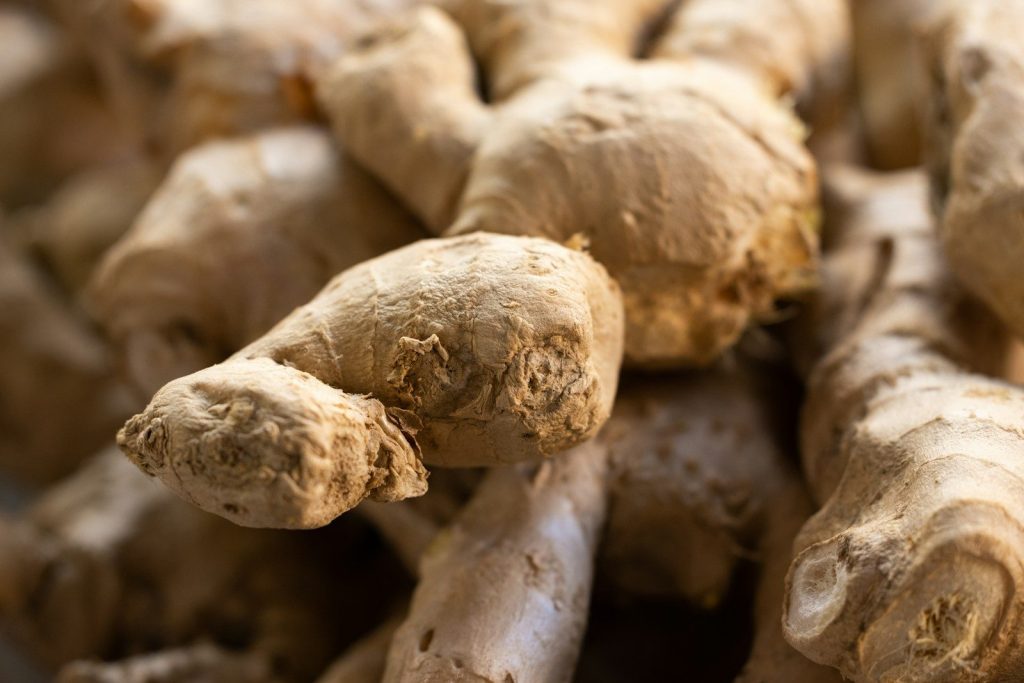
Fresh ginger contains gingerols and shogaols, compounds that block inflammatory pathways in a manner similar to turmeric but through slightly different mechanisms. Using both together may produce additive effects, though the research on that combination is still developing.
Ginger’s strongest evidence is in reducing inflammatory markers related to metabolic conditions and joint pain. A consistent small amount, around a teaspoon of fresh grated ginger daily, tends to outperform larger occasional doses in terms of sustained benefit. It also works exceptionally well in savory cooking, which makes it easier to use regularly than many supplements on the same shelf.