

The gut has had a reputation upgrade. What used to be a topic reserved for doctor’s offices and fiber cereal commercials is now front and center in nutrition conversations, and for good reason.
Research over the past decade has made it increasingly clear that digestive health connects to everything from immune function to mood regulation. The collection of bacteria, fungi, and other microorganisms living in the gut, collectively called the microbiome, responds directly to what gets eaten. Feed it well and things tend to run smoothly. Neglect it and the effects ripple outward in ways that aren’t always obvious.
The good news is that supporting digestive health doesn’t require a bland or restrictive diet. Some of the most effective foods for gut function also happen to taste genuinely good.
1. Greek Yogurt

Greek yogurt earns its reputation. It contains live cultures, specifically Lactobacillus and Bifidobacterium strains, that help populate the gut with beneficial bacteria. The thick, protein-rich texture comes from straining out excess whey, which also concentrates those probiotics.
Full-fat versions tend to be more satisfying and contain fat-soluble nutrients that low-fat versions strip out. Look for labels that say “live and active cultures” rather than assuming all Greek yogurt qualifies. Some brands heat-treat the product after culturing, which eliminates the bacteria entirely.
Pair it with a drizzle of raw honey and some walnuts. The honey brings prebiotic compounds that feed gut bacteria, and the walnuts add fiber and healthy fats.
2. Kimchi

Kimchi is fermented cabbage and vegetables seasoned with chili paste, garlic, and ginger. It originated in Korea and has been eaten there for centuries. The fermentation process produces lactic acid bacteria, which are the same category of probiotics found in yogurt, just in a completely different flavor profile.
The garlic and ginger in kimchi aren’t just seasoning. Both have properties that support digestion and help reduce gut inflammation. Kimchi has a bold, funky, spicy taste that isn’t for everyone at first, but most people who eat it regularly develop a genuine preference for it.
3. Kefir
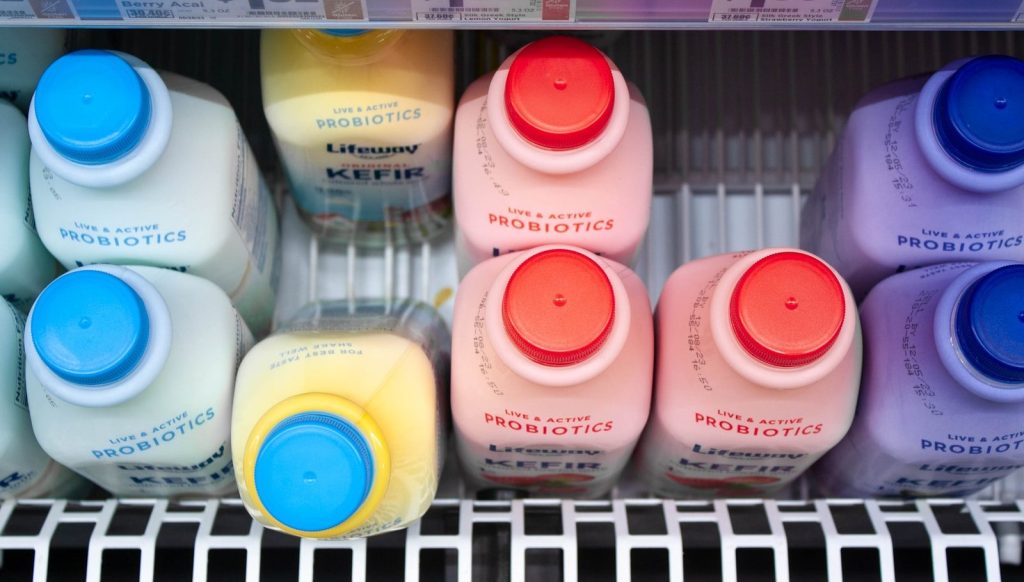
Kefir is a fermented milk drink with a tangy flavor and a consistency somewhere between milk and thin yogurt. It typically contains a wider variety of probiotic strains than yogurt, often 12 or more distinct cultures. Some research suggests that kefir may also be tolerable for people who are mildly lactose intolerant, because the fermentation process breaks down much of the lactose.
It works well blended into smoothies or drunk straight. There are also coconut milk and oat milk versions for those avoiding dairy, though the probiotic content varies by brand.
4. Edamame

Edamame, steamed young soybeans, is one of the more underrated snacks for digestive health. A single cup provides around 8 grams of fiber, which feeds the beneficial bacteria in the colon and supports regular bowel function. The fiber in edamame is partly soluble, meaning it forms a gel-like substance during digestion that slows absorption and keeps things moving at a steady pace.
Lightly salted with a squeeze of lemon, it’s a snack that requires almost no preparation and satisfies hunger for a solid stretch of time.
5. Bananas

Slightly underripe bananas are worth singling out. The greener the banana, the higher its resistant starch content. Resistant starch passes through the small intestine undigested and reaches the colon, where it acts as food for gut bacteria. Those bacteria ferment it and produce short-chain fatty acids, particularly butyrate, which supports the health of the colon lining.
Fully ripe bananas still have value. They’re easier to digest and contain pectin, a soluble fiber that helps regulate digestion. Either version works, just for slightly different reasons.
6. Miso

Miso is a fermented paste made from soybeans, salt, and a mold called koji. It’s most familiar as the base for Japanese miso soup, but it functions as a seasoning in many other applications. Spread on rice cakes, mixed into salad dressings, or stirred into warm broth, miso adds a deeply savory, fermented flavor along with probiotic content.
One thing worth knowing: adding miso to boiling liquid kills the live cultures. Stir it into soups or broths after removing them from direct heat to preserve the probiotic benefit.
7. Flaxseeds
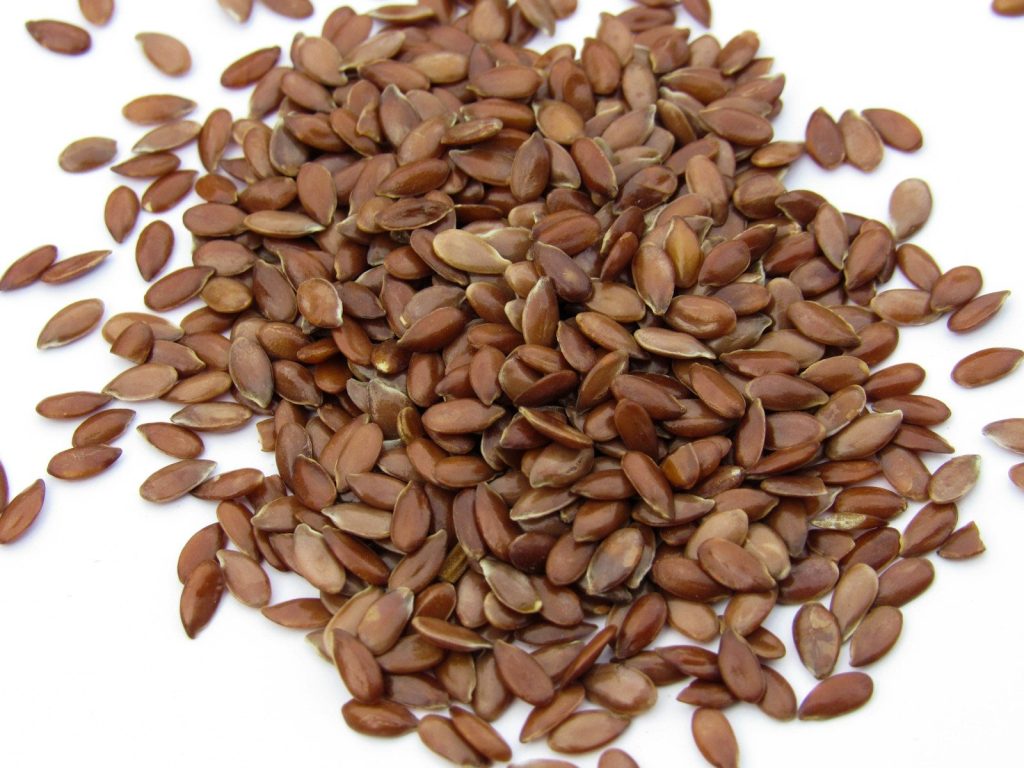
Two tablespoons of ground flaxseeds provide about 4 grams of fiber, split between soluble and insoluble types. The soluble fiber supports the gut microbiome by feeding beneficial bacteria. The insoluble fiber adds bulk to stool and supports regularity.
Flaxseeds also contain lignans, plant compounds with antioxidant properties that some research links to reduced gut inflammation. Ground flaxseeds absorb into smoothies or yogurt without changing the flavor much, which makes them one of the easier additions to a daily routine. Whole flaxseeds tend to pass through undigested, so grinding them first makes the nutrients accessible.
8. Sauerkraut

Sauerkraut is fermented cabbage, made by packing shredded cabbage with salt and letting it sit until natural bacteria convert the sugars to lactic acid. The result is sour, crunchy, and rich in probiotics. Cabbage itself is a good source of fiber, so sauerkraut delivers both prebiotics and probiotics in one food.
The shelf-stable canned versions found in most grocery stores are typically pasteurized, which eliminates the live bacteria. Refrigerated sauerkraut, often found in the deli section or at health food stores, preserves the live cultures. It’s a meaningful difference if the goal is probiotic benefit.
9. Almonds
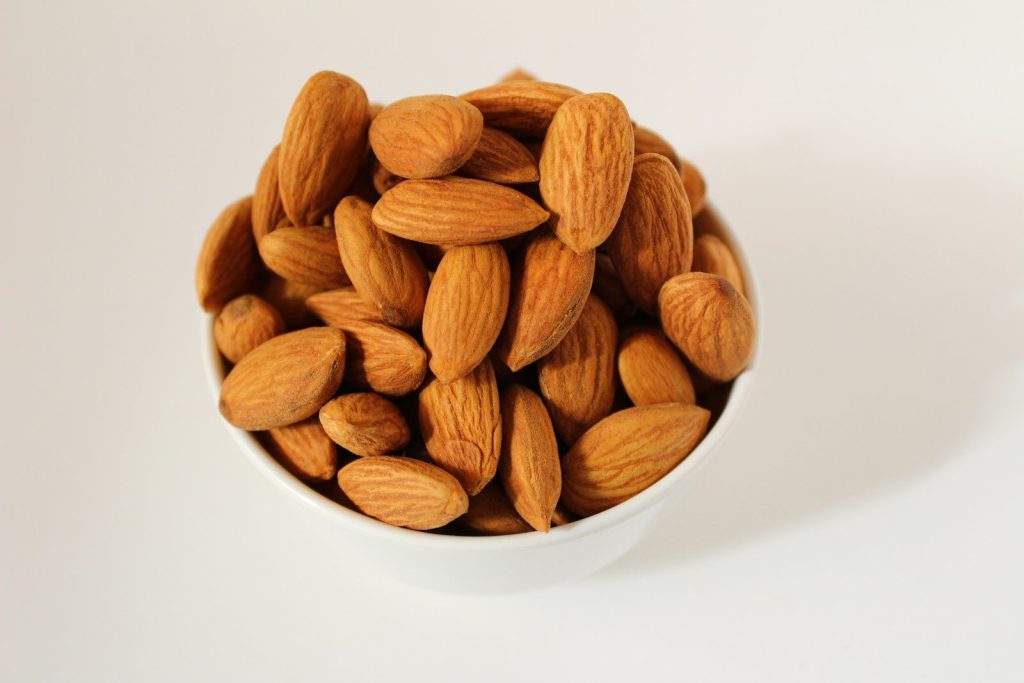
Almonds aren’t a fermented food, but they earn a place on this list because of what they do in the gut over time. They’re high in fiber, contain healthy fats, and include prebiotic compounds that selectively feed beneficial bacteria like Bifidobacterium. A 2022 study found that people who ate almonds daily for four weeks showed measurable increases in butyrate-producing gut bacteria compared to a control group.
About a handful, roughly 23 almonds, is the amount most research points to as beneficial. Raw or dry-roasted versions are preferable to those coated in sugar or heavily processed oils. They travel well, require no refrigeration, and keep hunger in check between meals, which makes them one of the more practical options on this list.