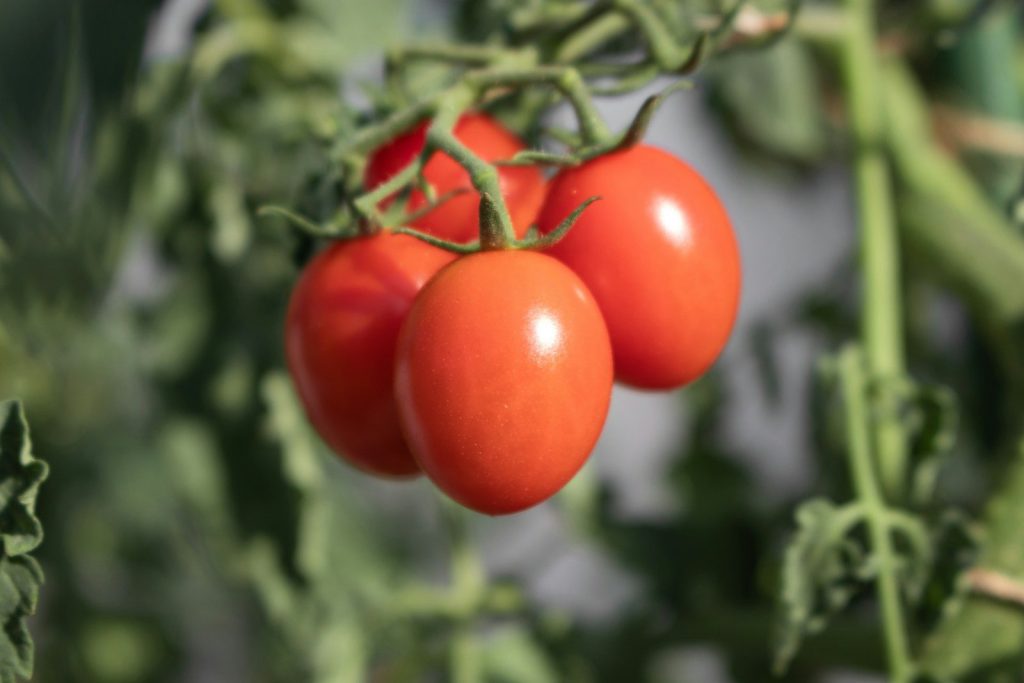

Tomatoes are needy. Anyone who has grown them knows this. They want sun, consistent water, good drainage, and seemingly constant attention. But one of the most reliable ways to get more from a tomato plant has nothing to do with fertilizer schedules or pruning technique. It has to do with what you plant nearby.
Companion planting has been practiced for centuries, and in 2026, more home gardeners are returning to it, partly out of frustration with synthetic inputs and partly because it genuinely works. The right neighbors can repel insects, attract pollinators, improve soil, and even enhance fruit flavor. The wrong ones can stunt growth or invite disease.
1. Basil
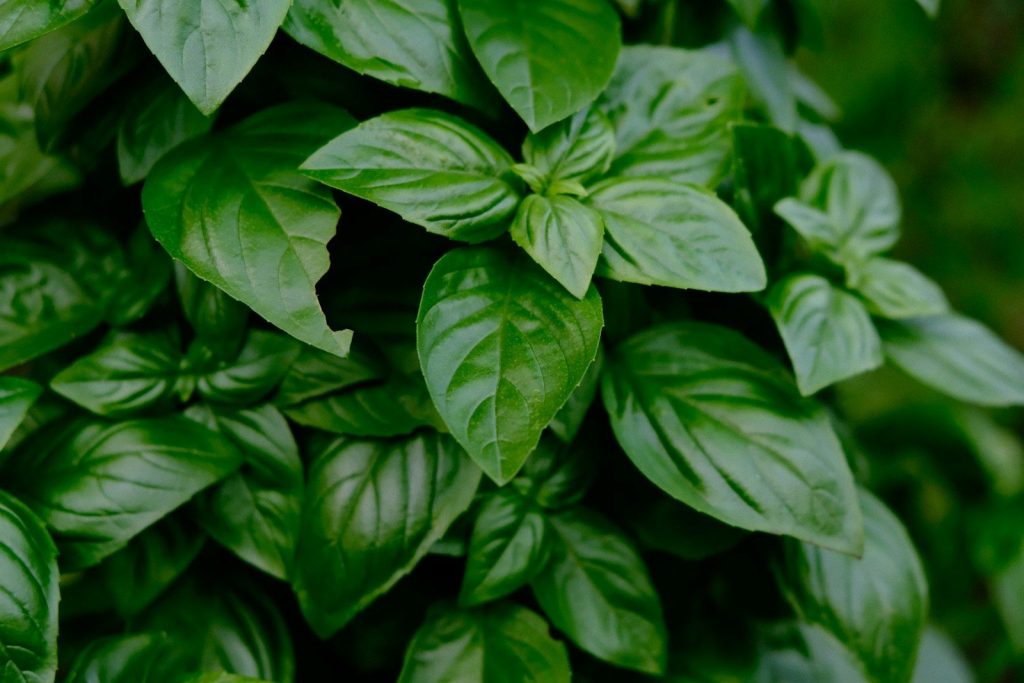
Basil and tomatoes share more than a place on the dinner plate. Planted 12 to 18 inches from tomato stems, basil has been shown to confuse and repel thrips, aphids, and whiteflies. The volatile oils in basil leaves interfere with the ability of pests to locate their host plants by scent.
Some growers also report sweeter, more aromatic tomatoes when basil grows nearby, though the research on flavor transfer is still debated. Anecdotally, the evidence is strong enough that most serious kitchen gardeners refuse to separate them.
2. Marigolds
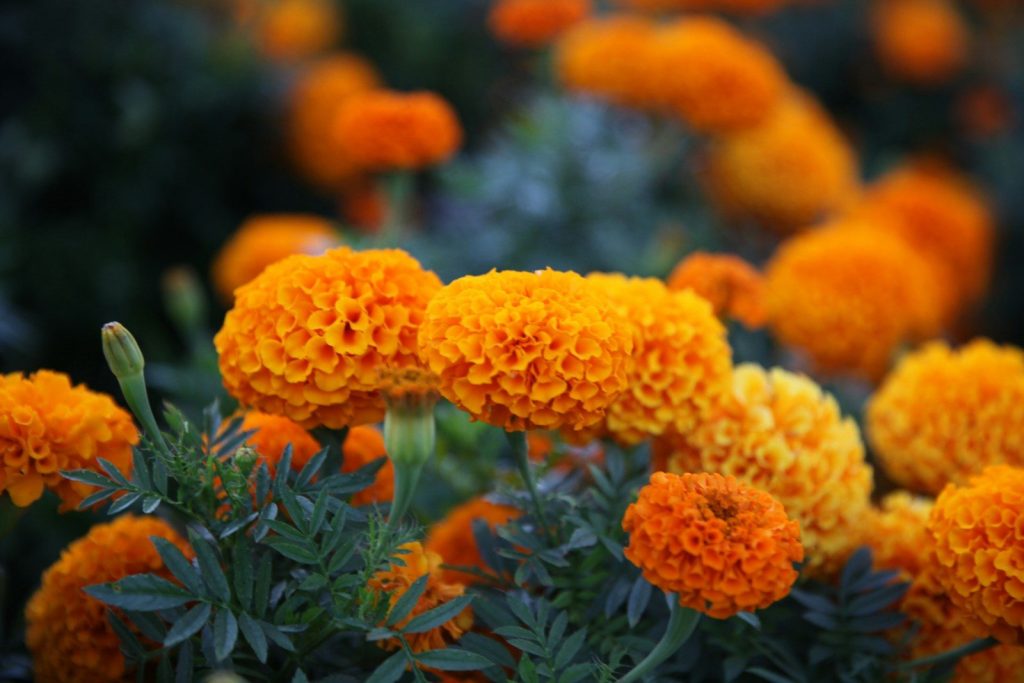
French marigolds, specifically the Tagetes patula variety, produce a root compound called alpha-terthienyl that suppresses nematodes in the soil. Root-knot nematodes are a real problem in warm climates and can severely limit tomato yields by attacking the root system directly.
Plant marigolds densely around the perimeter of your tomato beds. One season of marigolds can reduce nematode populations for the following season as well. They also attract hoverflies, whose larvae feed on aphids.
3. Carrots
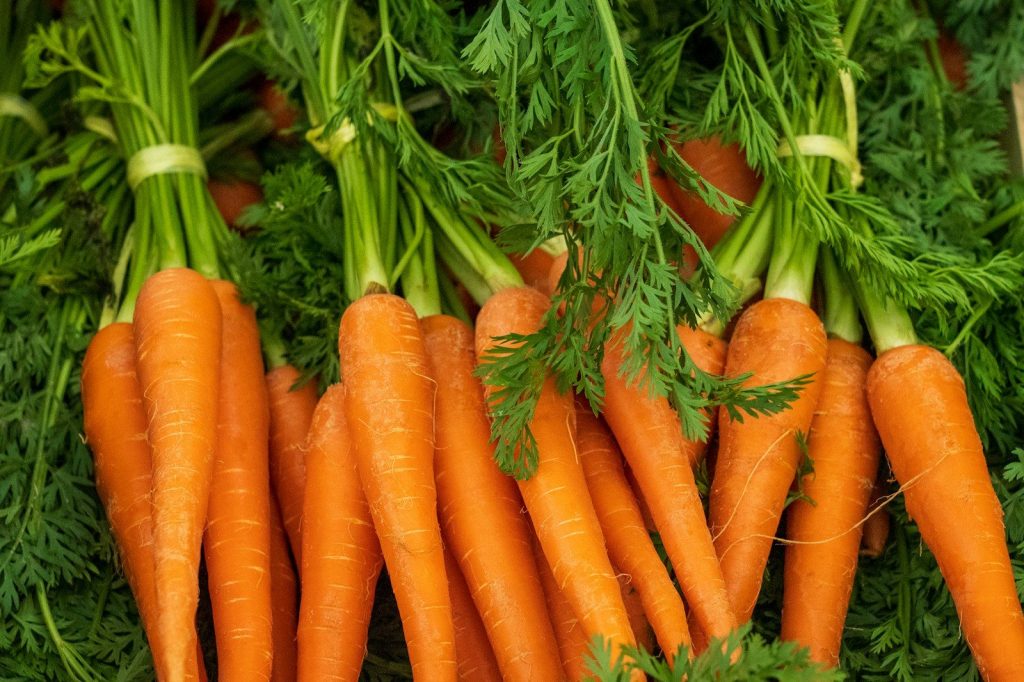
Carrots work in a more structural way. When planted near tomatoes, their roots break up compacted soil as they grow, which improves drainage and aeration around the tomato root zone. Tomatoes tend to respond with stronger, more developed root systems.
The tradeoff is that tomatoes can shade carrots and reduce their size slightly. Smaller carrots, better tomatoes. For most gardeners focused on the tomato harvest, that trade makes sense.
4. Borage
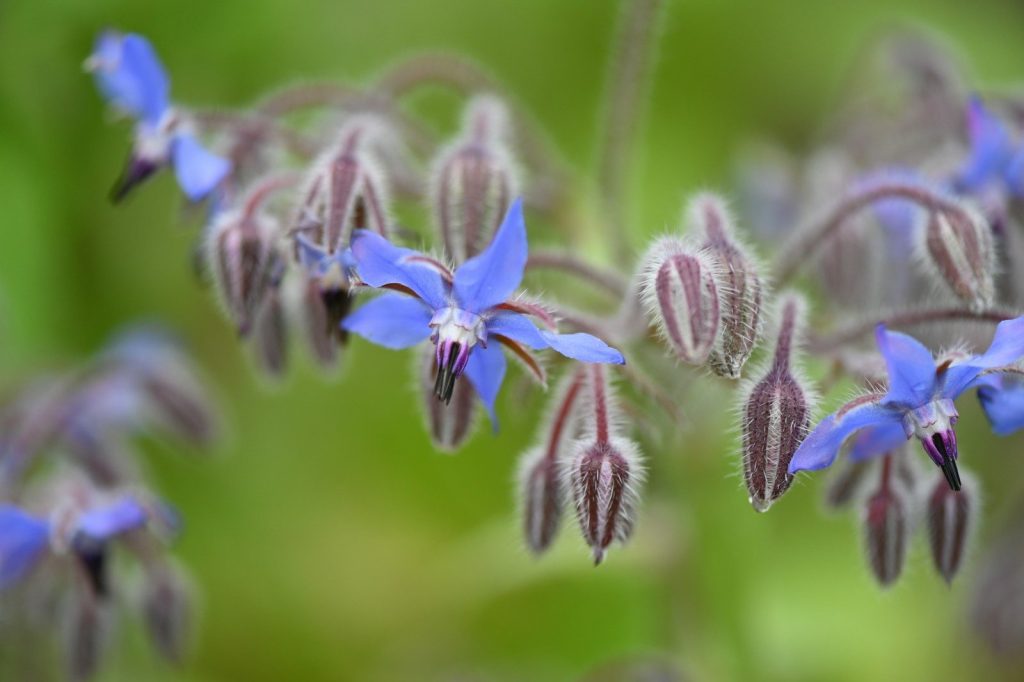
Borage is underused and underrated. This herb produces star-shaped blue flowers that draw in bumblebees and other native pollinators at a rate that noticeably increases tomato fruit set. Better pollination means more tomatoes per plant, and more consistent sizing.
Borage also deters tomato hornworms, one of the most destructive pests a tomato grower will face. A single hornworm can strip a plant in a few days. Having borage nearby does not eliminate them, but it reduces their presence meaningfully.
5. Parsley
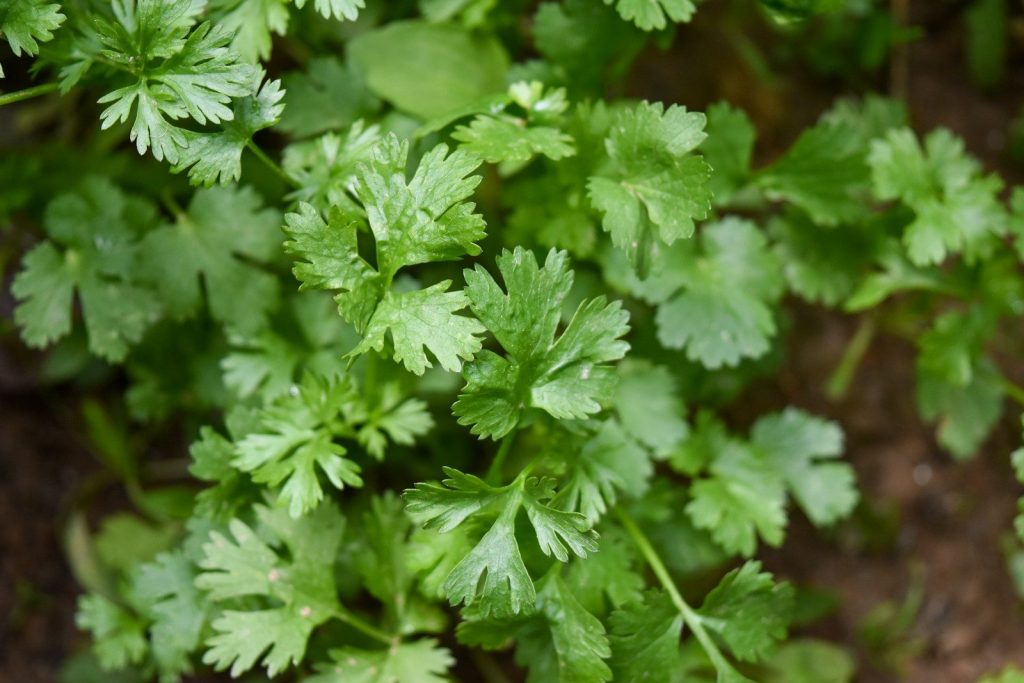
Parsley attracts predatory wasps that parasitize hornworms and other caterpillars. These wasps are small, pose no threat to humans, and are single-minded hunters. Letting parsley go to flower is what activates this benefit, so resist the urge to keep it trimmed.
Parsley also draws in swallowtail butterflies, which contribute to overall pollinator diversity in the garden.
6. Asparagus
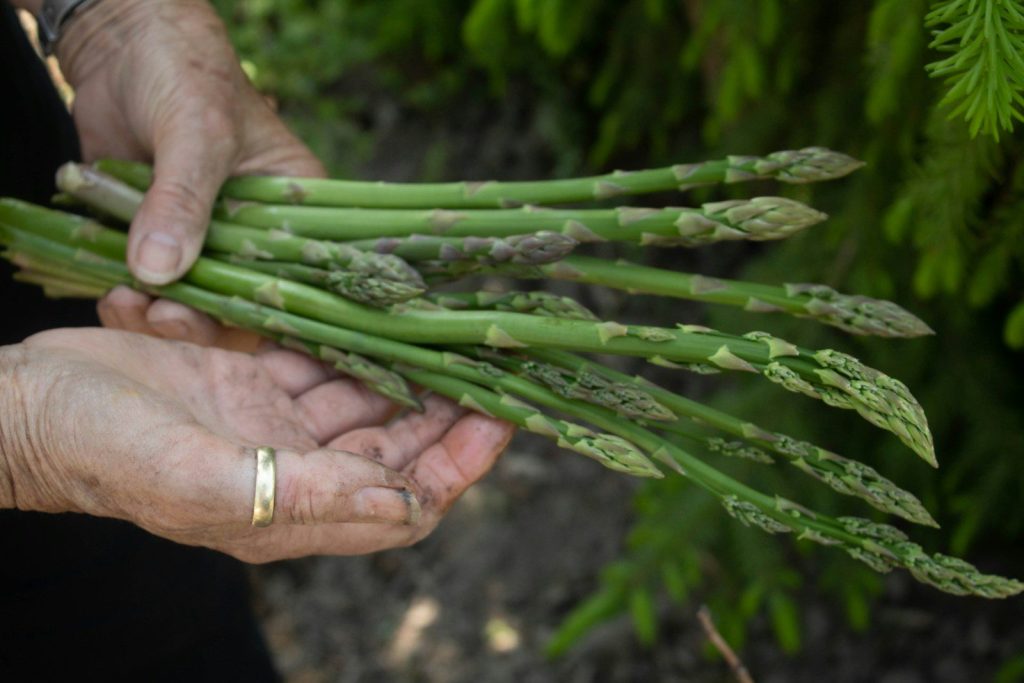
This pairing works on a chemical level. Asparagus roots release a compound called asparagine, which has shown some suppressive effect on soil-dwelling nematodes. Tomatoes, in return, repel the asparagus beetle.
The catch is planning. Asparagus is perennial and takes two to three years to establish. Gardeners who think ahead and build beds with both in mind can benefit from this relationship for a decade or more.
7. Garlic
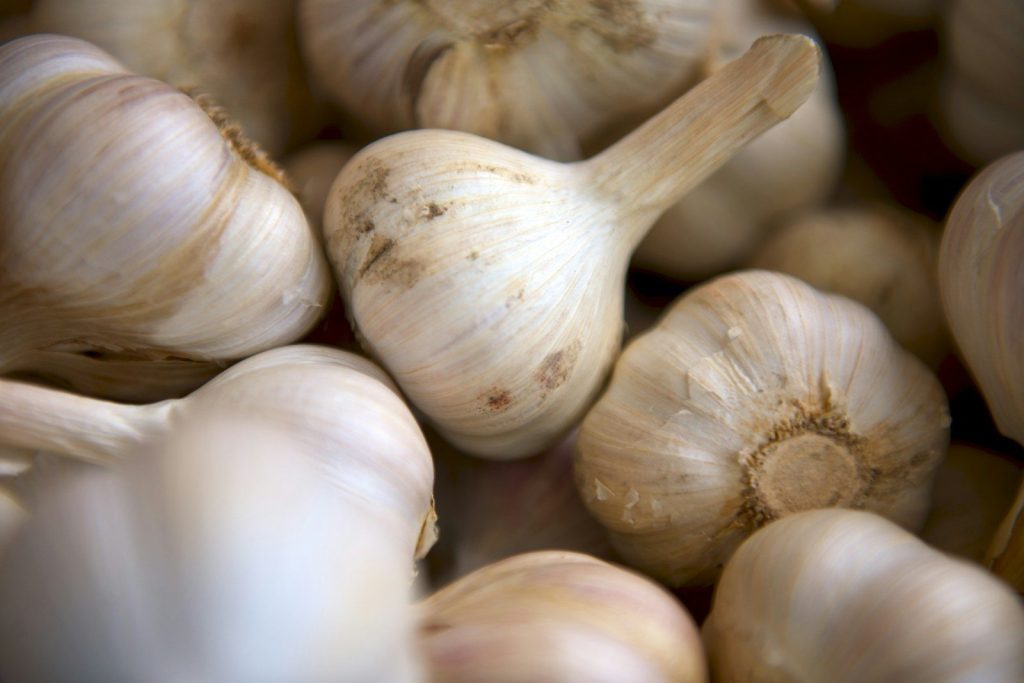
Garlic contains allicin, which acts as a natural fungicide and bacterial deterrent. Planted at the base of tomato plants, it can help suppress early blight and certain soil-borne fungal diseases that commonly affect tomatoes in humid conditions.
It also repels spider mites and aphids. Garlic planted in fall can be harvested in early summer, just as tomatoes are getting established, freeing up space without competition.
What to Avoid
Fennel is the main one. It produces allelopathic compounds that inhibit the growth of most vegetables, and tomatoes are particularly sensitive to it. Keep fennel in its own separate container or bed.
Brassicas like broccoli and cabbage compete aggressively for calcium, which tomatoes need in consistent supply to avoid blossom end rot. Corn attracts the corn earworm, which is the same species as the tomato fruitworm. Planting them together essentially sends out a welcome signal.
No Garden Redesign
None of this requires a complete garden redesign. Most of these companions are small, useful plants that earn their space regardless of what grows next to them. Borage and basil can fill gaps between cages. Marigolds line a bed edge. Garlic tucks in at the base.
The goal is a planting scheme where everything is doing more than one job. Tomatoes are already working hard. The plants around them should be too.