

Sourdough is having a moment that refuses to end. What started as a pandemic-era hobby has settled into something more permanent, with bakeries, grocery stores, and home kitchens treating it as the default bread of choice. In 2026, sales of artisan sourdough continue to outpace commercial white bread in several markets. That staying power says something.
But beyond the crust and the tang, there’s a real conversation happening in nutrition science about what sourdough actually does once it’s inside your body. Some of it is promising. Some of it is overstated. Here’s where the research genuinely stands.
1. Your Blood Sugar May Respond Differently

Sourdough’s long fermentation process partially breaks down starches before you ever take a bite. That means your body absorbs those carbohydrates more slowly, producing a lower glycemic response compared to conventional white bread.
A 2021 study published in the British Journal of Nutrition found that participants who ate sourdough showed measurably lower post-meal blood sugar spikes than those who consumed standard bread made from similar flour. For people managing insulin sensitivity or prediabetes, that difference is worth paying attention to.
2. Gluten Gets a Partial Breakdown
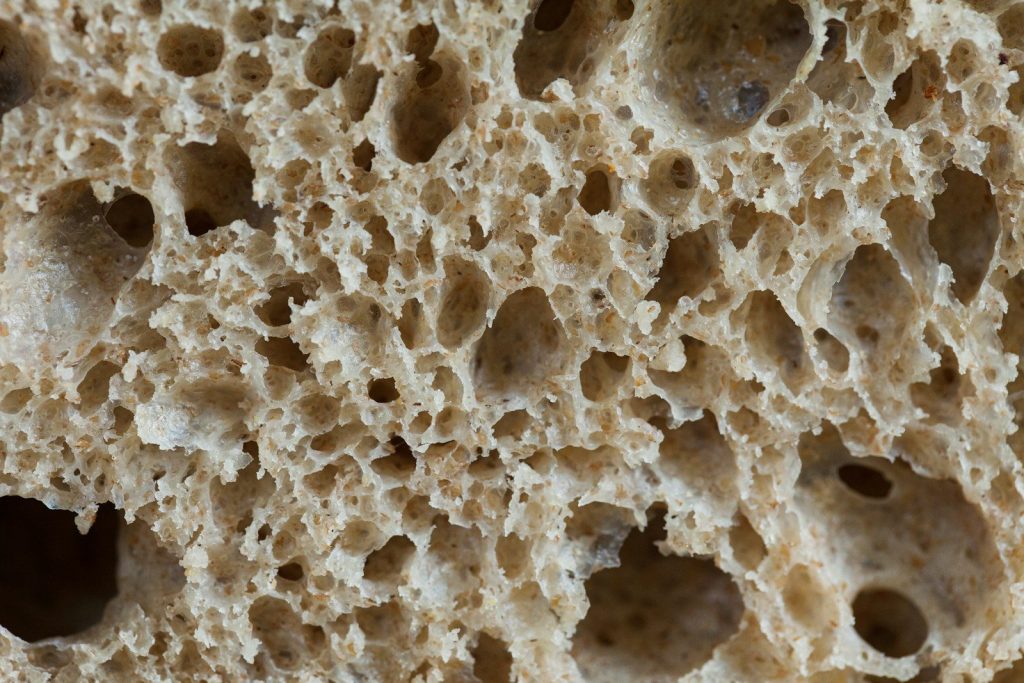
Sourdough fermentation doesn’t eliminate gluten, so anyone with celiac disease should steer clear of conventional sourdough made from wheat. That part is non-negotiable.
For people with non-celiac gluten sensitivity, though, the picture is more complicated. The bacteria and wild yeasts active during fermentation partially degrade gluten proteins, which some researchers believe makes sourdough easier to tolerate. A handful of small clinical studies support this, though the science is still building. If gluten has historically caused bloating or discomfort for you and traditional sourdough doesn’t, fermentation time is the likely reason.
3. Digestion Often Improves
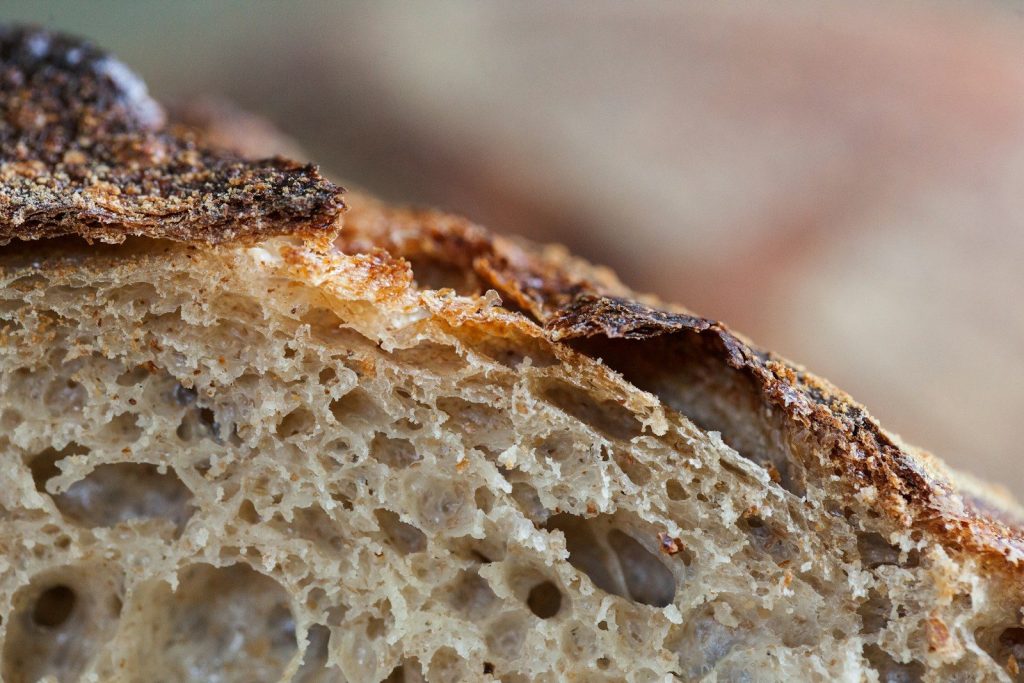
The fermentation process produces organic acids, mainly lactic and acetic acid, that alter the bread’s structure at a molecular level. This makes sourdough easier for the digestive system to process than most commercially produced bread.
Phytic acid, a compound found in grains that binds to minerals and limits their absorption, is significantly reduced during a proper sourdough ferment. The result is a bread that the gut tends to handle with less resistance. Many people who report chronic bloating after eating regular bread say sourdough doesn’t produce the same effect.
4. Mineral Absorption Gets a Boost

Because phytic acid is broken down during fermentation, the minerals naturally present in the grain, including iron, zinc, and magnesium, become more bioavailable. Your body can actually access them rather than passing them through.
This is one of the more underappreciated advantages of real sourdough over fast-fermented commercial bread, where a bulk of that phytic acid remains intact. The word “real” matters here. A loaf labeled sourdough at a major chain supermarket may have been made with added vinegar rather than a live culture. Check the ingredient list before assuming fermentation occurred.
5. Your Gut Microbiome Receives Support

Sourdough contains prebiotics, the fermentable fibers that feed the beneficial bacteria already living in your gut. The organic acids produced during fermentation also create an environment that tends to support microbial diversity in the digestive tract.
Gut health research has grown considerably over the past decade, and the 2020s have brought more precision to the conversation. Scientists now understand that microbial diversity in the gut is linked to immune function, mood regulation, and metabolic health. Sourdough alone won’t overhaul a microbiome, but regular consumption may contribute positively over time.
6. Antioxidants Are Present in Meaningful Amounts
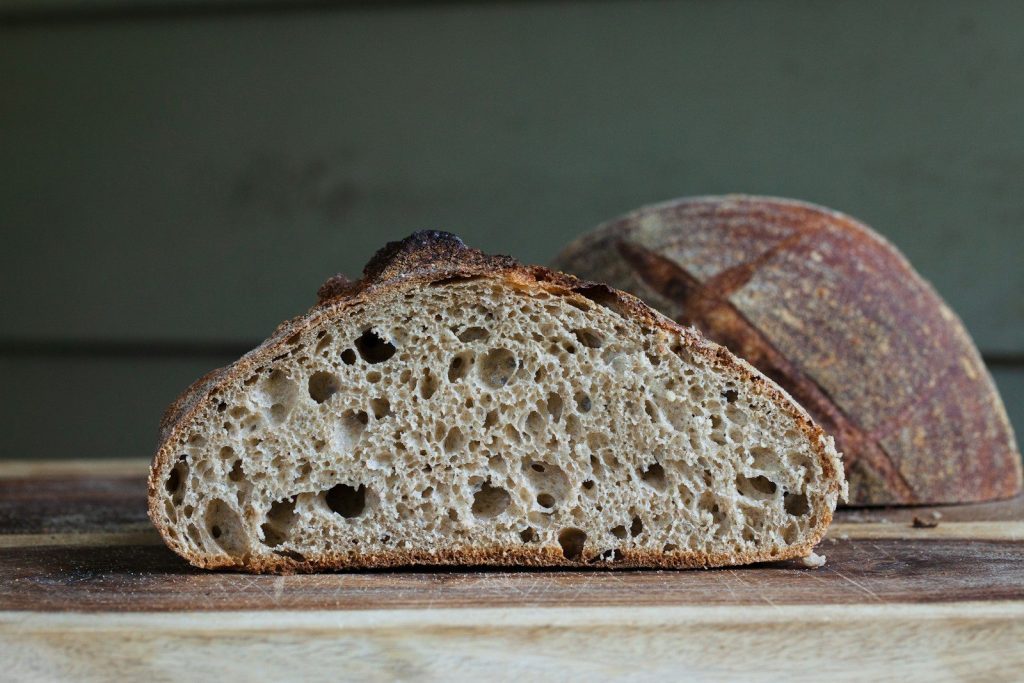
Whole grain sourdough, in particular, contains phenolic compounds that act as antioxidants in the body. The fermentation process increases the bioavailability of these compounds compared to non-fermented whole grain bread.
Antioxidants help neutralize free radicals, which are unstable molecules linked to cellular aging and chronic inflammation. The effect from a few slices of bread is modest, but sourdough stacks up better than most processed bread options when comparing antioxidant content directly.
7. Mood and Energy May See Minor Shifts
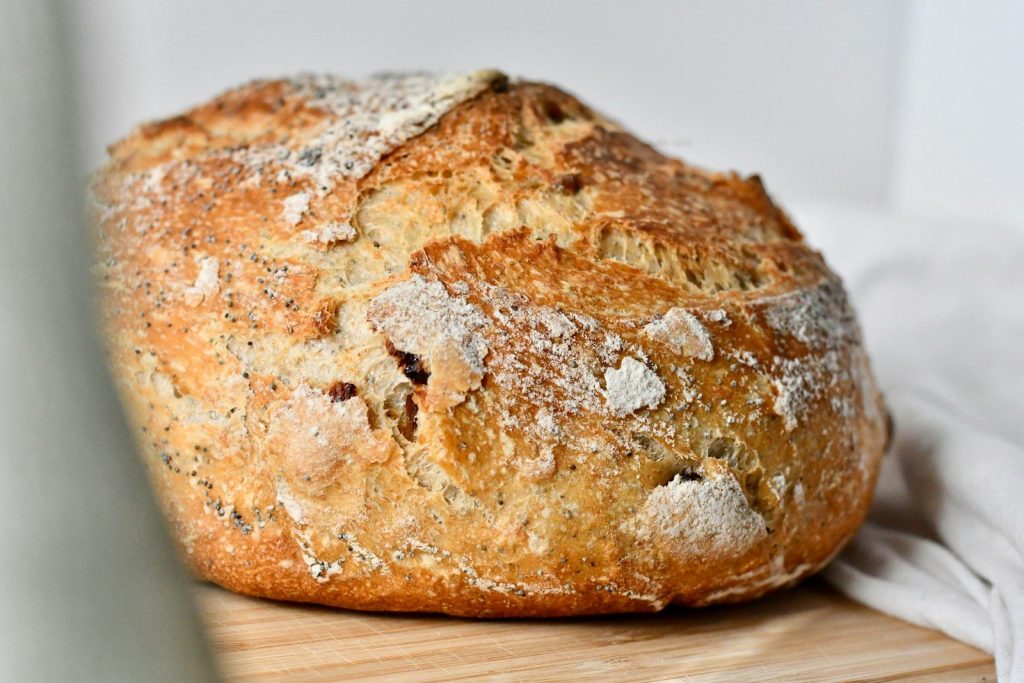
Sourdough made from whole grains provides B vitamins, particularly B1, B3, and folate, that support energy metabolism and neurological function. The slower carbohydrate absorption also means steadier energy levels without the sharp drop that follows high-glycemic foods.
Some nutritionists have begun pointing to the gut-brain axis as a reason why fermented foods, including sourdough, may have a mild positive influence on mood. The research is early and not specific to sourdough alone, but the connection between gut health and mental well-being has enough support now to take seriously.
8. Weight Management May Become Slightly Easier
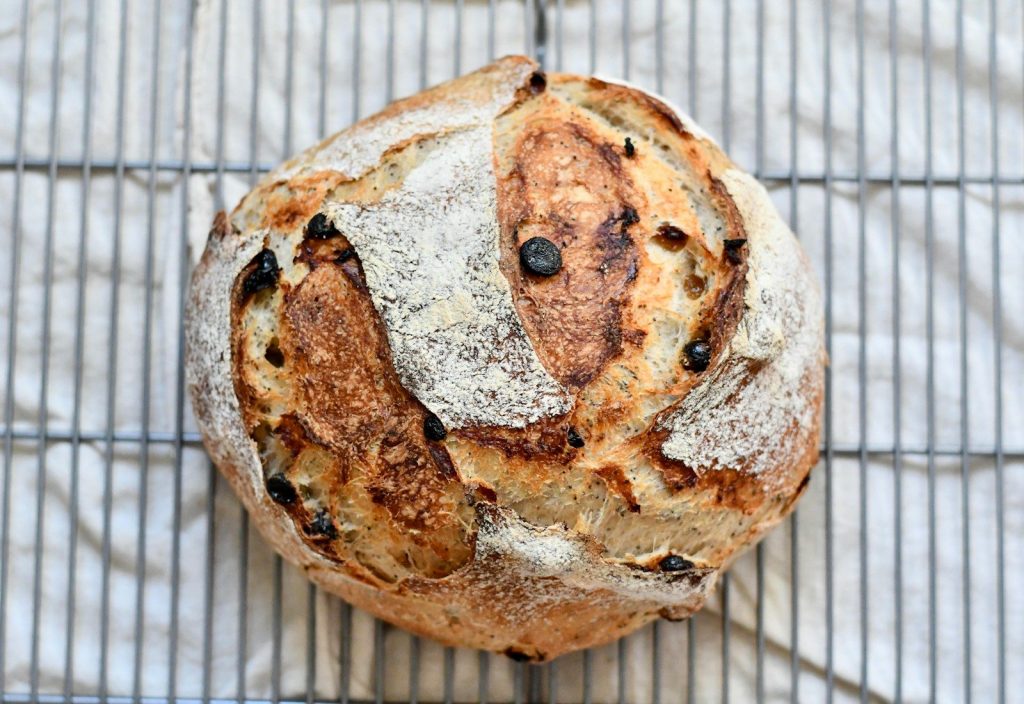
The combination of lower glycemic response, slower digestion, and higher satiety from the dense crumb structure of sourdough means people tend to feel fuller after eating it compared to standard white bread. Feeling full longer generally leads to eating less overall, which supports weight management without requiring strict restriction.
A 2023 randomized trial out of Stanford found that participants who substituted sourdough for conventional bread reported greater meal satisfaction and consumed fewer calories at subsequent meals. The effect was modest but consistent across the trial period.
9. The Caveat Worth Keeping
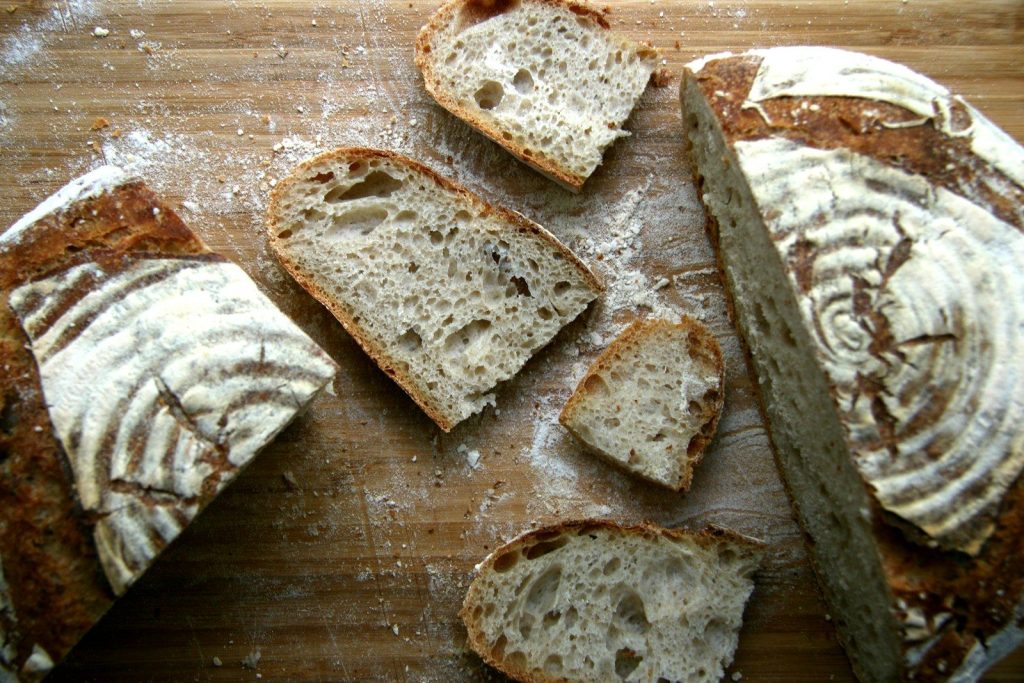
Not all sourdough is created equal, and that point gets lost in the enthusiasm around it. A genuine long-fermented sourdough, made with a live starter and allowed 12 to 48 hours to develop, is a meaningfully different product from a commercial loaf that uses sourdough flavoring or a brief acidification shortcut.
The benefits outlined across these slides are tied to proper fermentation. If the bread was made quickly and labeled with the word “sourdough” as a marketing choice, most of these effects won’t apply. Source your bread carefully, or make it yourself. The process isn’t as difficult as it looks, and after a few weeks with a starter, the difference in how your body responds tends to speak for itself.