
Most people have picked up a bag of chips, glanced at the back label, and put it down without reading a word. The ingredient list is long, the font is small, and half the names sound industrial. Some are. Others are harmless. A few sit in a murkier middle ground where the science is still catching up.
Preservatives are added to food to prolong shelf life. Non-antioxidant types inhibit microbial growth or slow chemical changes that cause spoilage, while antioxidants delay spoilage by limiting oxygen exposure. A 2026 study followed over 105,000 participants for an average of 7.5 years to determine whether specific preservative additives were associated with cancer risk in adults. Nine preservatives worth understanding are laid out below.
1. Sodium Nitrite
Sodium nitrite is found in nearly all conventionally cured meats. It prevents the growth of Clostridium botulinum, maintains the characteristic pink-red color of cured meats, and contributes to cured flavor. The concern is not the nitrite itself but the potential formation of nitrosamines, compounds that form when nitrites interact with proteins under high heat.
Hot dogs on the grill and bacon in a cast iron pan are exactly the conditions that encourage that reaction. Manufacturers add ascorbic acid to curing mixtures to slow nitrosamine formation, which helps, though it does not eliminate the issue.
2. BHA
BHA and BHT are synthetic antioxidants that delay the breakdown of fats in ultra-processed foods like meats, cereals, baked goods, sweets, beer, and potato chips. BHA specifically prevents rancidity. It is classified as a reasonably anticipated human carcinogen, causes stomach and liver tumors in animals, and acts as an endocrine disruptor with estrogenic activity.
The Center for Science in the Public Interest gives it an “avoid” rating, though the FDA considers it safe at current food levels. That gap between regulatory approval and independent scientific concern is worth noting when reading labels.
3. BHT
BHT is usually found alongside BHA. It helps products maintain their color, taste, and scent. It shows up in cereals, snack foods, and some packaging materials. Some studies have shown BHT to have antitumor properties in certain contexts, making it one of the more contested compounds here.
Both BHA and BHT are being slowly replaced by vitamin E (tocopherols) in some products as manufacturers respond to clean label pressure.
4. TBHQ
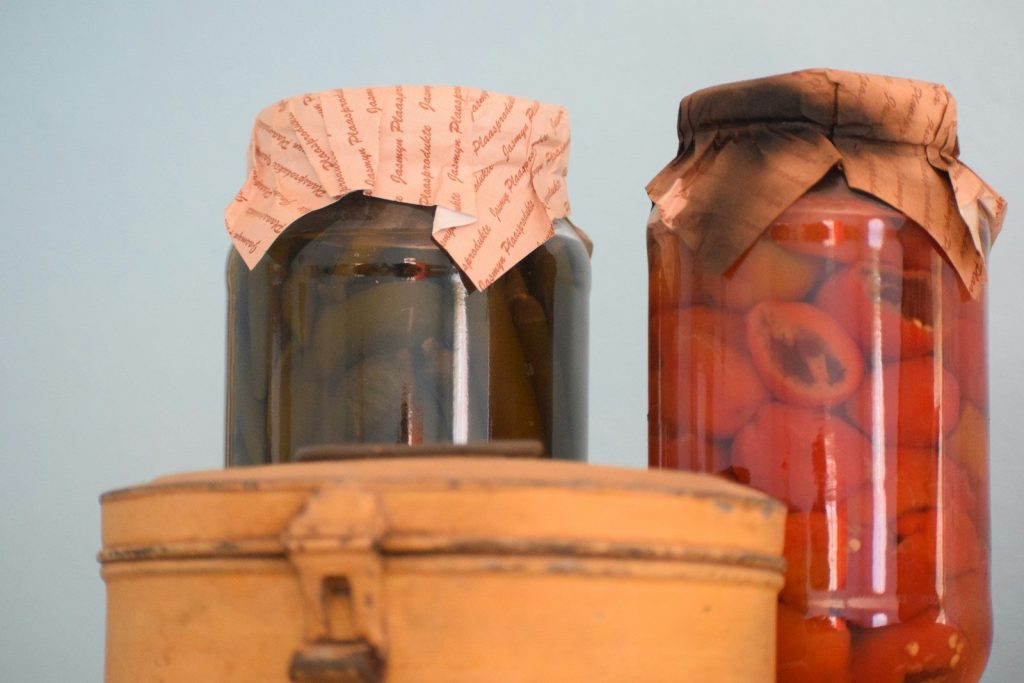
TBHQ appears in oils, crackers, chips, cereals, donuts, microwavable foods, and pre-made frozen meals. It is derived from butane gas and causes tumors at doses only five times higher than the FDA-permitted level.
It has also been shown to suppress immune function. The FDA approved its use in 1972 but capped it at 0.2 percent of the oils in a food product, citing insufficient evidence of safety beyond that threshold.
5. Sodium Benzoate
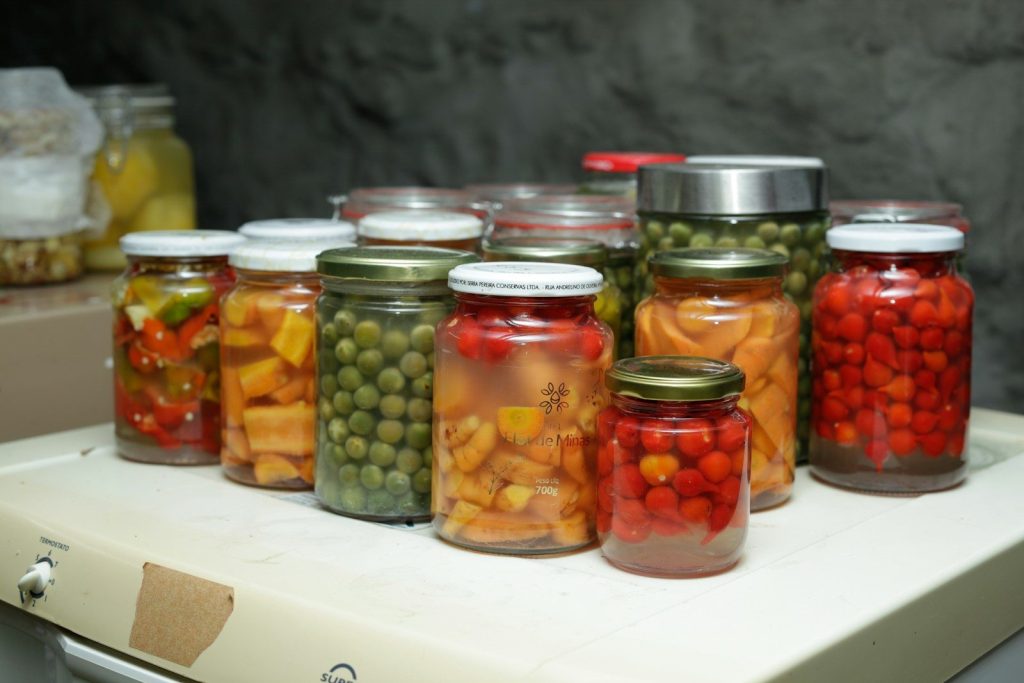
Sodium benzoate is common in beverages and condiments. It forms the known carcinogen benzene when combined with vitamin C, and has been linked to hyperactivity in children in multiple peer-reviewed studies.
The vitamin C combination is not hypothetical. Many drinks contain both sodium benzoate and citric acid or ascorbic acid simultaneously. That pairing exists on store shelves right now. Myhealthcare
6. Potassium Sorbate
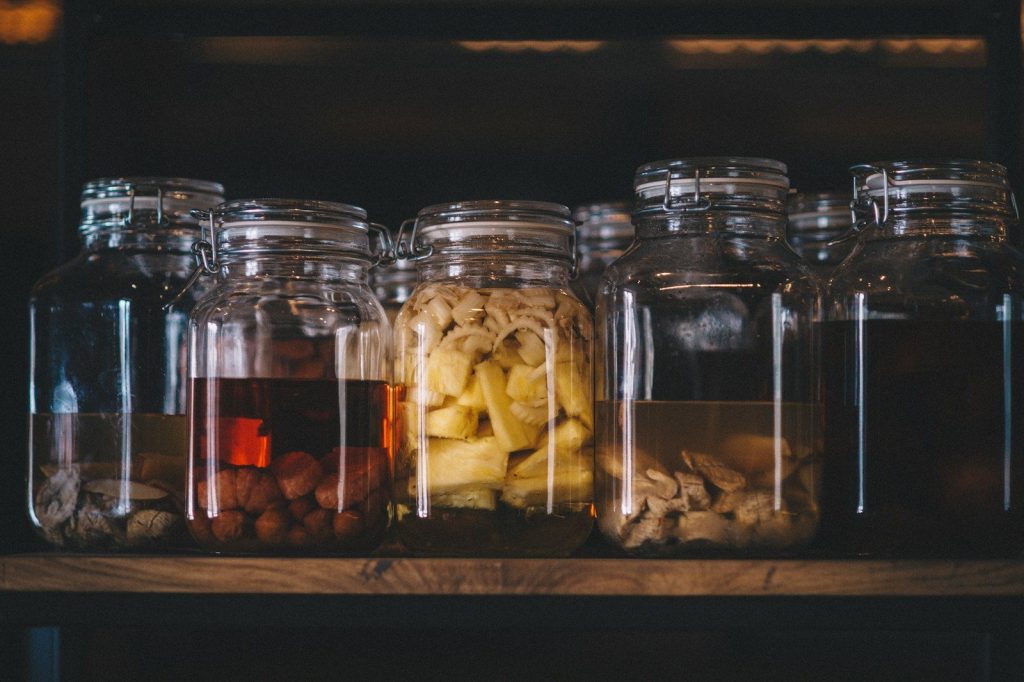
Potassium sorbate has a better safety profile than most on this list. It is derived from sorbic acid, which occurs naturally in some berries, and is metabolized in the body the same way as regular fatty acids. It is found in shredded cheese, yogurt, sour cream, wine, and various dips and spreads.
Research in mice found that of three common preservatives tested, potassium sorbate produced the largest reduction in gut microbiota diversity. Lower gut diversity is consistently associated with worse metabolic and immune outcomes. Y
7. Sulfites
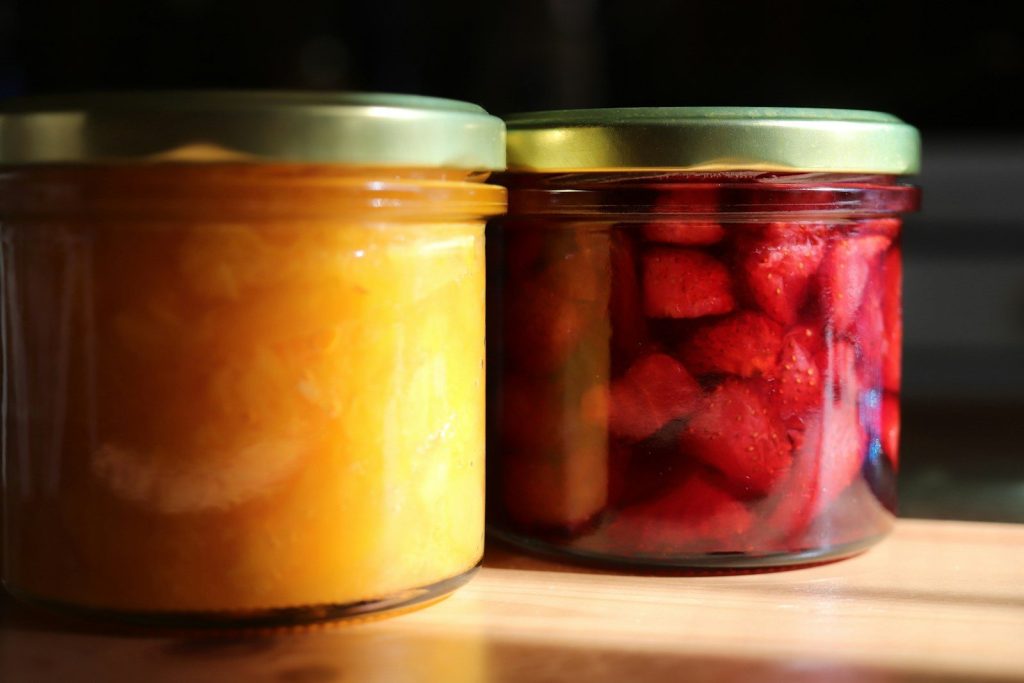
Sulfites include sulfur dioxide, sodium sulfite, and several potassium-based compounds. Wine carries the most familiar warning, but dried fruits and condiments contain them too. Sulfites have been linked to allergic reactions including asthma, bronchitis, and heart ailments.
For most people, normal dietary levels are tolerable. For a subset, particularly people with asthma, even small amounts can trigger a serious respiratory response.
8. Calcium Propionate
Calcium propionate is in the vast majority of commercially produced sandwich bread. It inhibits mold in baked goods. Some studies have pointed to increased irritability and sleep disturbance in children, though that research is still developing.
Broader research links preservatives in this category to hyperactivity problems and mental health-related outcomes. Calcium propionate is not the most alarming preservative here, but given how much bread Americans eat, cumulative exposure adds up faster than with most others.
What to Do With This
Preservatives offer real benefits by extending shelf life and lowering food costs, which matters for households with tighter budgets. Fresh food is also not equally accessible to everyone. None of this means one serving of anything causes harm.
The NutriNet-Santé researchers emphasized favoring fresh, minimally processed foods and limiting unnecessary additives whenever possible, based on findings across more than 100,000 adults over a decade. Sodium nitrite, BHA, TBHQ, and sodium benzoate carry the most documented concern. Knowing that makes label reading less overwhelming and a lot more useful.