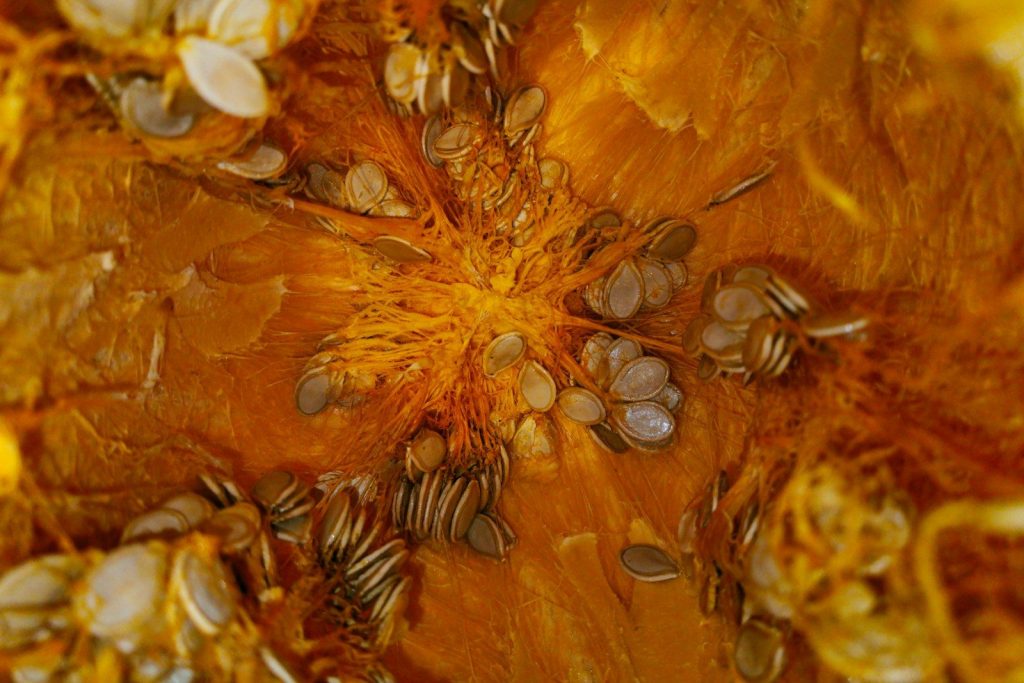

Magnesium rarely gets the same attention as protein, vitamin D, or fiber, yet it plays a role in hundreds of processes throughout the body. It helps support muscle function, nerve signaling, blood sugar regulation, and energy production. In 2026, many nutrition experts continue to point out that a surprising number of adults fall short of recommended magnesium intake.
The good news is that magnesium is found in many everyday foods. Adding a few magnesium-rich choices to regular meals can help support overall health without requiring major dietary changes.
1. Pumpkin Seeds
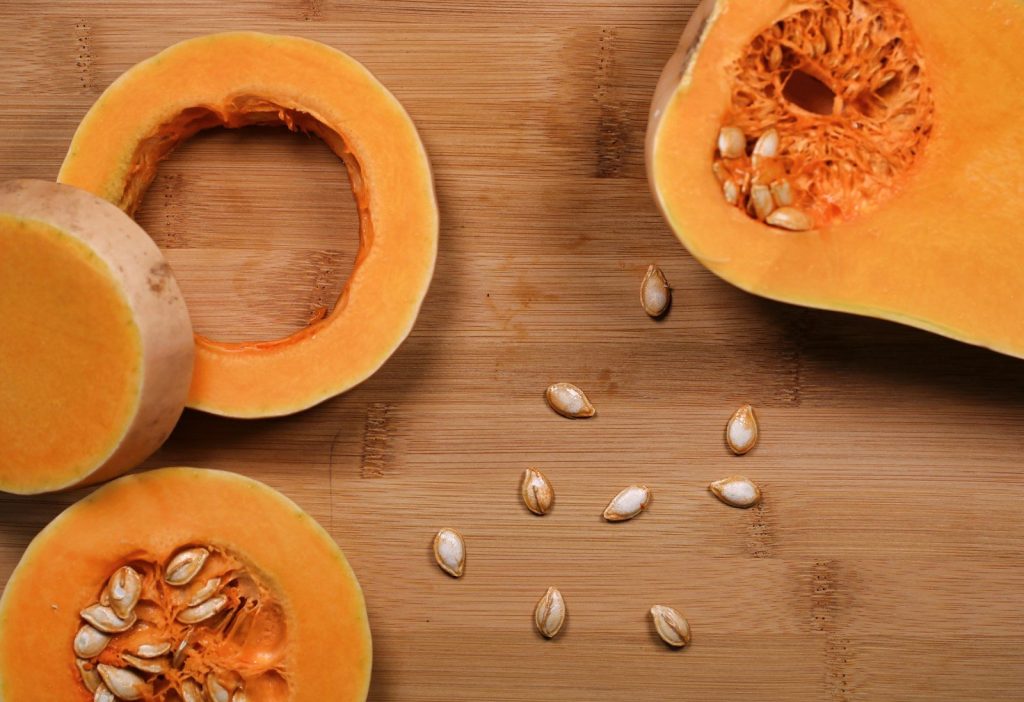
Pumpkin seeds rank among the richest natural sources of magnesium. A small handful can provide a large portion of the daily amount many adults need.
They are also packed with healthy fats, protein, zinc, and antioxidants. Pumpkin seeds work well as a snack, a salad topping, or an addition to oatmeal. Their mild, nutty flavor makes them easy to include in meals without much effort.
2. Spinach
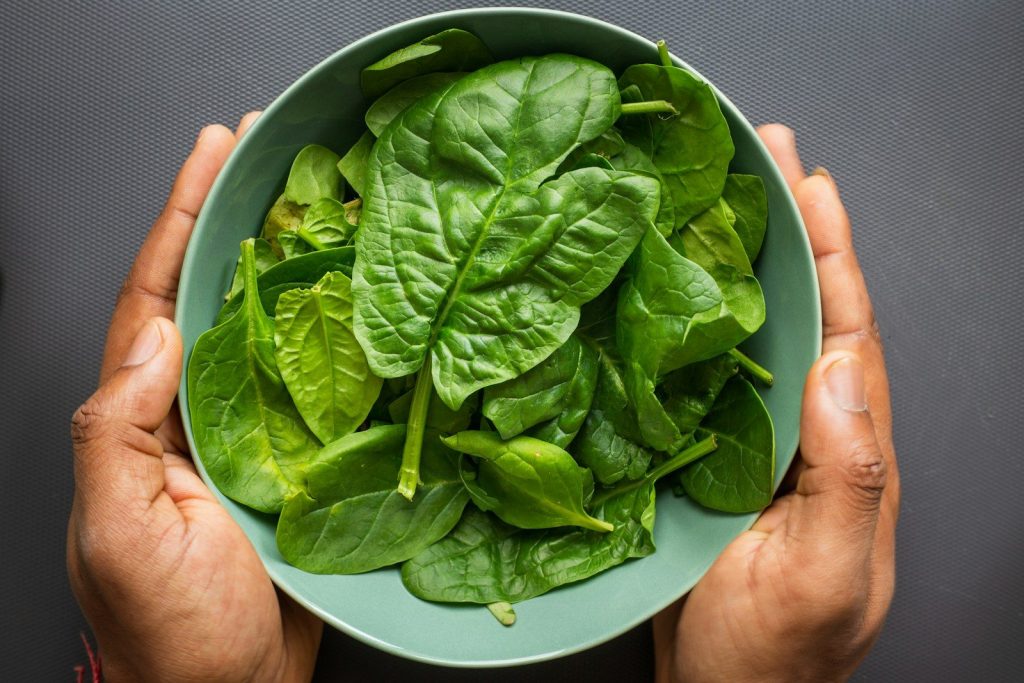
Leafy greens continue to earn their reputation as nutritional powerhouses, and spinach is no exception. A cooked serving delivers a healthy amount of magnesium along with iron, folate, and vitamins A and K.
Cooking spinach reduces its volume dramatically, making it possible to consume a generous serving in a single meal. It fits easily into soups, omelets, pasta dishes, and grain bowls.
3. Black Beans
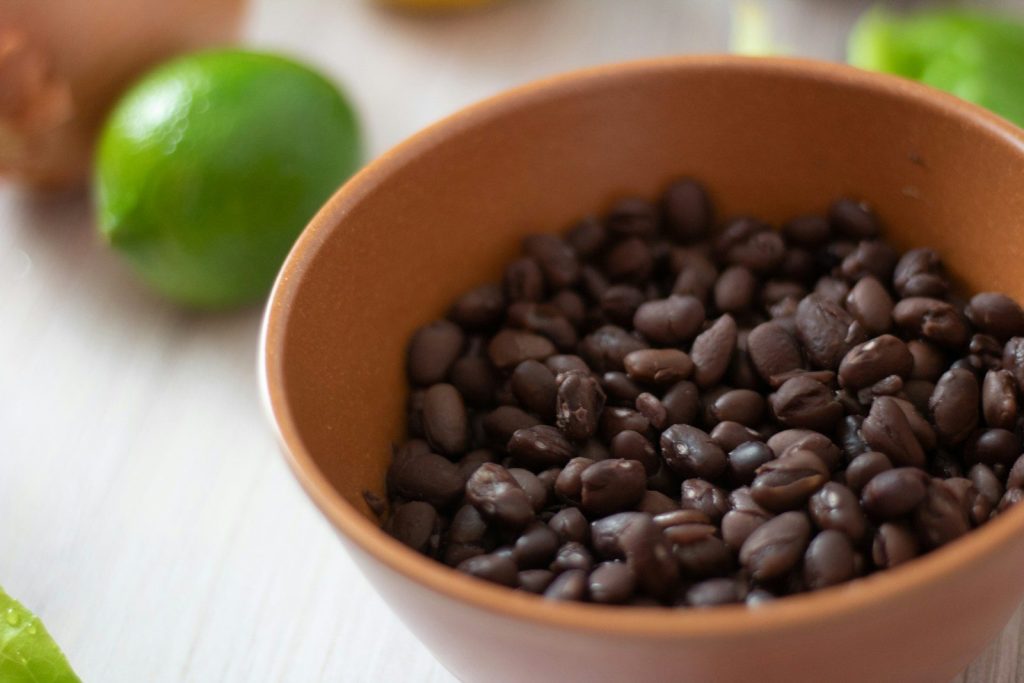
Black beans offer an impressive combination of magnesium, fiber, and plant-based protein. That combination helps make meals more filling and satisfying.
Many households already keep canned or dried beans on hand, making them one of the most accessible magnesium-rich foods available. Black beans can be added to tacos, salads, rice dishes, or homemade soups for an easy nutritional boost.
4. Almonds

Almonds have long been associated with heart-healthy eating, and their magnesium content is one reason why. A modest serving provides a meaningful amount of this essential mineral.
They also contain vitamin E, fiber, and healthy unsaturated fats. Almonds are convenient because they require no preparation. A handful during the afternoon can provide nutrients that many people struggle to get enough of throughout the day.
5. Avocados
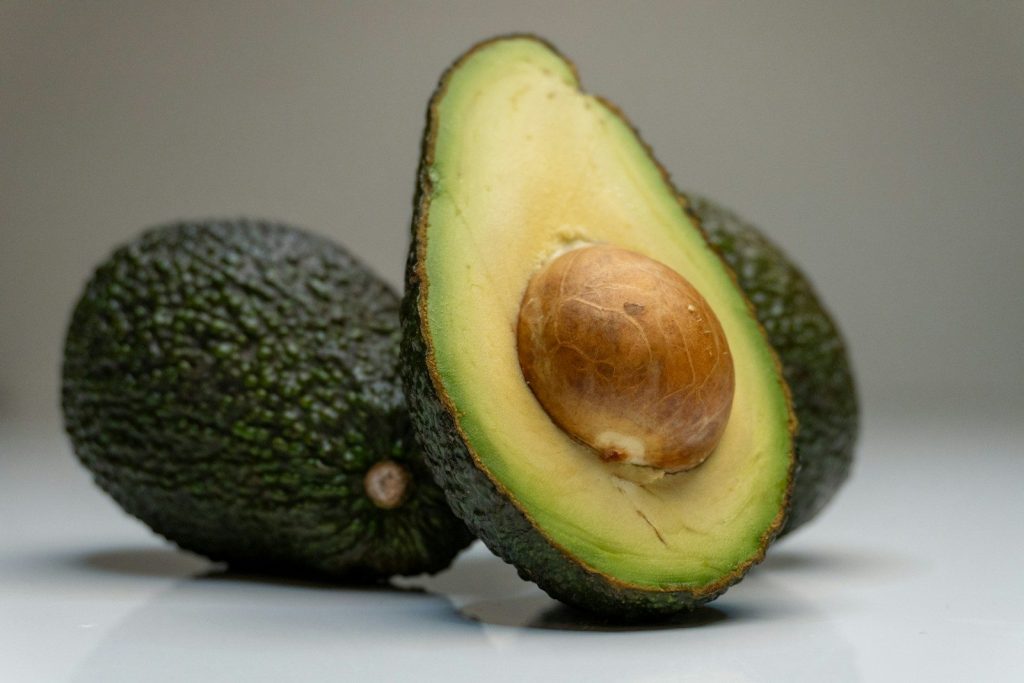
Avocados bring more to the table than their creamy texture. They contain magnesium along with potassium, fiber, and heart-friendly fats.
Their versatility has helped them remain popular for years. Avocados can be sliced onto sandwiches, blended into smoothies, added to salads, or mashed onto whole-grain toast. They contribute nutrients without requiring complicated recipes.
6. Dark Chocolate

Dark chocolate may be one of the most enjoyable sources of magnesium. Products with a high cocoa content generally contain more magnesium than milk chocolate varieties.
Dark chocolate also provides antioxidants known as flavanols. Portion size still matters because chocolate contains calories and added ingredients, but a small square can fit comfortably into a balanced eating pattern. For many people, this is welcome nutrition news.
7. Tofu

Tofu remains a valuable option for those seeking plant-based sources of nutrition. In addition to magnesium, it provides protein, calcium in many fortified varieties, and several important minerals.
Its ability to absorb flavors makes it suitable for a wide range of cuisines. Tofu can be grilled, baked, stir-fried, or blended into sauces. That flexibility has helped it become a staple in many kitchens.
8. Salmon

Salmon is often praised for its omega-3 fatty acids, but it also contributes magnesium to the diet. This popular fish offers a combination of nutrients that support overall wellness.
Many nutrition professionals recommend seafood as part of a balanced eating pattern, and salmon remains one of the most commonly suggested choices. Baked, grilled, or roasted preparations allow its natural flavor to stand out without relying on heavy sauces.
Small Changes Add Up

Getting more magnesium does not require a complete overhaul of eating habits. Foods such as pumpkin seeds, spinach, black beans, almonds, avocados, dark chocolate, tofu, and salmon can fit naturally into everyday meals.
A breakfast topped with pumpkin seeds, a spinach salad at lunch, or a handful of almonds during the afternoon may seem minor on its own. Over time, those choices can help close nutritional gaps and provide the magnesium the body relies on every day.