

Some foods carry a bad reputation that has lasted for decades. A single nutrient, a misleading diet trend, or an outdated health scare can turn a perfectly reasonable food into something people avoid. Nutrition research in 2026 paints a clearer picture.
Health is shaped by overall eating patterns, portion sizes, and lifestyle habits, not by labeling individual foods as “good” or “bad.” Several foods that are often criticized can actually be nutritious additions to a balanced diet.
1. Eggs

Eggs spent years at the center of cholesterol concerns, but modern research has largely changed that conversation. For most healthy adults, eating eggs in moderation does not appear to raise heart disease risk in a meaningful way.
An egg delivers high-quality protein along with nutrients such as choline, selenium, and vitamin B12. Choline deserves extra attention because it supports brain function and is difficult to get in large amounts from many other foods. A simple breakfast of eggs can also help people stay satisfied longer than many sugary breakfast options.
2. Potatoes

Potatoes are often grouped with junk food, largely because of fries and chips. The potato itself tells a different story.
A baked or roasted potato provides vitamin C, potassium, and fiber, especially when the skin is left on. Potatoes are also filling, which can help reduce unnecessary snacking later in the day. The problem usually comes from deep frying, heavy toppings, and oversized portions. Prepared simply, potatoes can fit comfortably into a healthy diet.
3. Peanut Butter
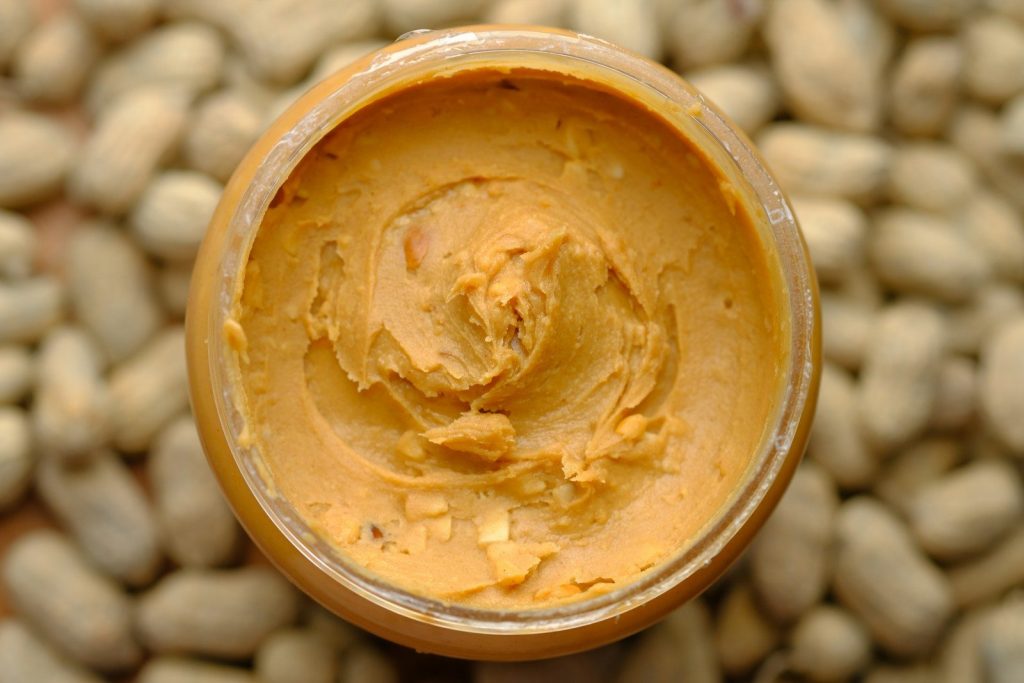
Peanut butter is sometimes criticized for being high in fat and calories. What gets overlooked is the type of fat it contains.
Natural peanut butter offers protein, fiber, and heart-friendly unsaturated fats. It can make snacks and meals more satisfying, which may help with appetite control. The best choices contain peanuts and little else. Some older products were packed with added sugars and oils, creating much of the confusion that still follows peanut butter today.
4. Coffee

Coffee has been blamed for everything from dehydration to heart problems. Most of those fears have not held up well under closer examination.
Moderate coffee consumption is associated with several potential health benefits, including support for alertness and cognitive performance. Coffee beans are also rich in antioxidants. The drink becomes less healthy when loaded with syrups, whipped toppings, and large amounts of added sugar. A straightforward cup of coffee remains a reasonable choice for many adults.
5. Popcorn

Movie theater popcorn helped give popcorn a poor image, but plain popcorn is actually a whole grain.
Air-popped popcorn contains fiber and relatively few calories for its volume. A large bowl can feel satisfying without delivering the calorie load of many packaged snack foods. Seasonings matter, of course. Excess butter and salt can quickly change the nutritional profile. Even so, popcorn itself deserves far more credit than it usually receives.
6. Full-Fat Yogurt

For years, low-fat products dominated grocery store shelves. Full-fat yogurt was often treated as something to avoid.
Research has become more nuanced regarding dairy fat, and many nutrition experts now focus on the overall quality of the food rather than fat content alone. Full-fat yogurt often feels more satisfying and may contain less added sugar than flavored low-fat varieties. It also provides protein, calcium, and beneficial live cultures that support gut health.
7. Dark Chocolate

Chocolate is frequently placed in the dessert category and dismissed as an indulgence with little nutritional value.
Dark chocolate, particularly varieties with a high cocoa percentage, contains antioxidants called flavanols. These compounds have been studied for their potential role in supporting heart health and circulation. Portion size still matters. A small square or two can deliver flavor and nutrients without turning into an oversized treat.
8. Nuts
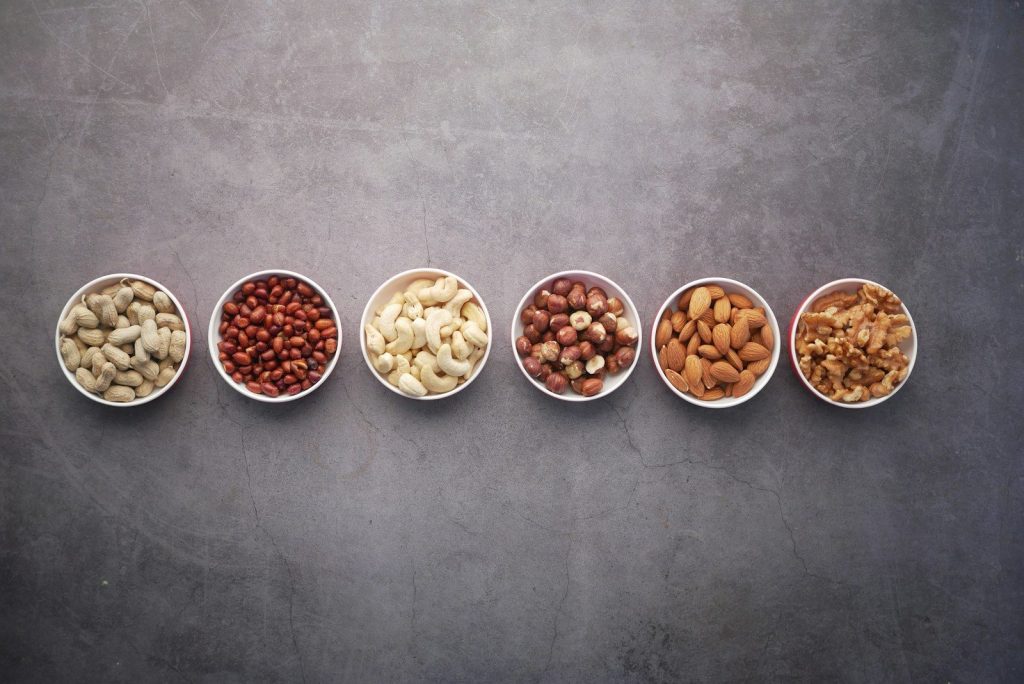
Many people avoid nuts because they are calorie-dense. That concern is understandable, but it misses the bigger picture.
Almonds, walnuts, pistachios, and other nuts provide healthy fats, protein, fiber, vitamins, and minerals. Studies have repeatedly linked regular nut consumption with positive health outcomes. Their combination of nutrients can help create lasting fullness, making them a smart snack choice when portions are reasonable.
Beyond Food Myths

Food myths tend to stick around long after the science changes. Eggs are still blamed for cholesterol. Potatoes are still judged by the company of french fries. Coffee still gets accused of problems that research has largely put to rest.
The healthier approach is to examine how a food is prepared, how much is eaten, and how it fits into an overall eating pattern. Many foods that have spent years on the nutritional blacklist contain valuable nutrients and can play a useful role at the table. Sometimes the most misunderstood foods are the ones that deserve a second look.